admin
admin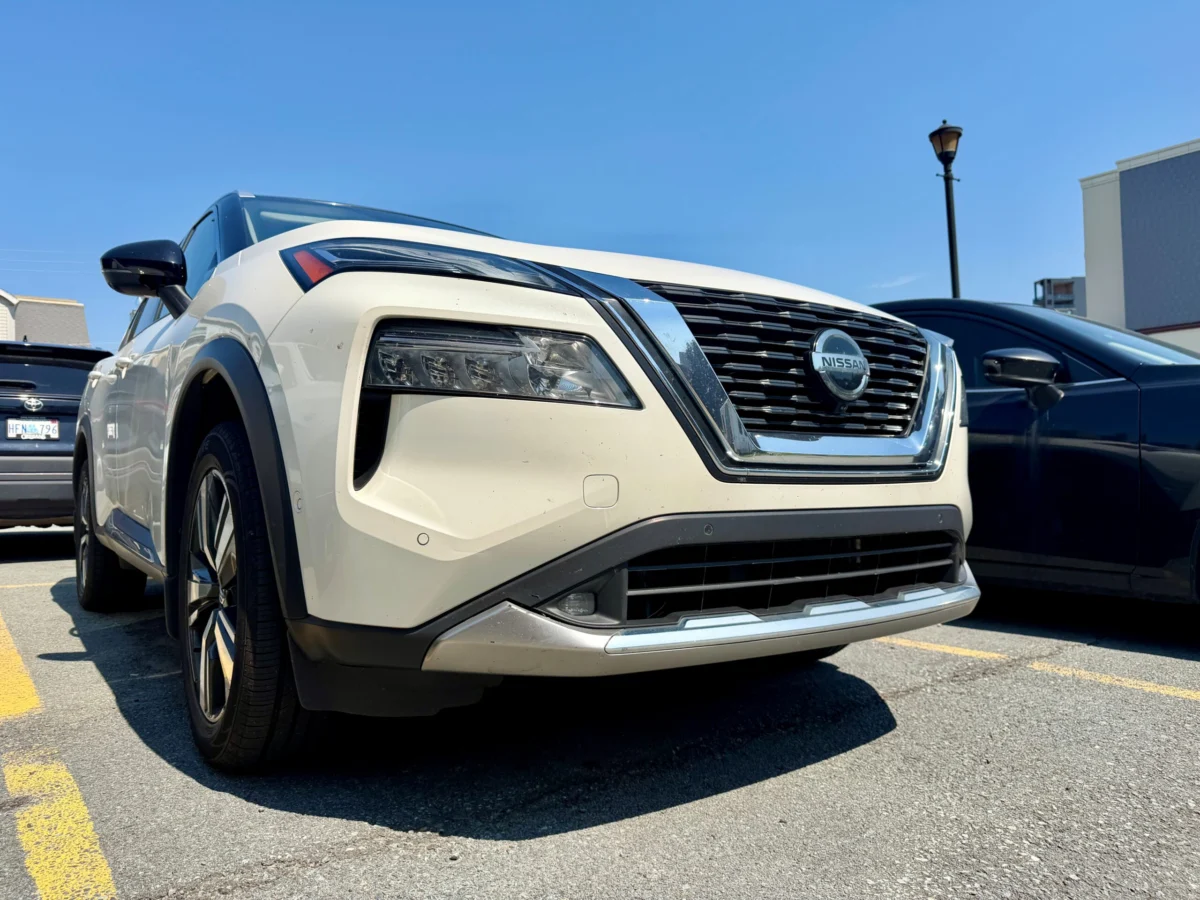
A powerful coalition of road safety advocacy groups is formally urging Nova Scotia’s Chief Medical Examiner to launch a comprehensive investigation into the escalating dangers that pickup trucks and large Sport Utility Vehicles (SUVs) present to pedestrians and cyclists, simultaneously recommending concrete steps to mitigate these growing risks. This unprecedented appeal underscores a burgeoning national concern regarding vehicle design trends and their impact on urban safety. The initiative, spearheaded in Nova Scotia, aims to catalyze a broader discussion and regulatory action across Canada.
The organization at the forefront of this national movement is C.R.A.S.H. – the Coalition to Reduce Auto Size Hazards – a collective comprising approximately two dozen member organizations from coast to coast. In Nova Scotia, key local partners include the Ecology Action Centre, Vision Zero Kjipuktuk-Halifax, and the Halifax Cycling Coalition. These groups represent a diverse spectrum of environmental, urban planning, and active transportation interests, united by a shared commitment to enhancing road safety for all users, particularly those most vulnerable. Their collective letter to the medical examiner signifies a critical turning point in the advocacy for safer streetscapes.
Recent Tragedies Fuel Urgent Call for Action
The coalition’s urgent plea is not merely a theoretical exercise but a direct response to a series of recent, tragic incidents that have profoundly shaken the Halifax community and highlighted the immediate dangers associated with larger vehicles. Last month, the city was rocked by the fatal "dooring" incident involving Dr. Nouman Ali, a respected Dalhousie University professor. Dr. Ali, a cyclist, was tragically struck by the opening door of a pickup truck, an event that underscored the specific and often underestimated hazards posed by the sheer size and weight of modern vehicle components, even when stationary.
This tragic loss was swiftly followed by another serious pedestrian-vehicle collision on August 5th on Nantucket Avenue in Halifax, where a 54-year-old woman was hospitalized after being struck by an SUV. These incidents, occurring in quick succession, served as stark and painful reminders of the daily risks faced by pedestrians and cyclists in an urban environment increasingly dominated by larger vehicles.
Ashleigh Boers, community programs associate director with the Ecology Action Centre, articulated the coalition’s concern, stating, "It’s just another unfortunate reminder that oversized vehicles take up a lot of space. There’s far less visibility, far more blind spots for drivers as well." Boers emphasized that such collisions are not inevitable but largely preventable, especially when the contributing factor is the design and increasing dimensions of large trucks and SUVs.
The Design Dilemma: Ferocious Aesthetics vs. Public Safety
The issue of vehicle size is not solely a matter of road footprint but also one of design philosophy and marketing. Sara Kirk, a colleague of Dr. Ali at Dalhousie University and a prominent member of Vision Zero Kjipuktuk-Halifax, pointed out the intentional aesthetic choices driving the trend. "[These vehicles are] designed to look ferocious and fierce and macho," Kirk observed. "And they’re also marketed more broadly than just for work vehicles too." This shift from utilitarian workhorses to aspirational lifestyle vehicles has normalized their presence in urban and suburban settings, often without a corresponding re-evaluation of their safety implications for non-occupants.
Data compiled by safety advocates paints a clear and concerning picture of this trend. According to Boers, between 2000 and 2018, there was an approximate 11 percent increase in the front-end vehicle height of these vehicles, coupled with a staggering 24 percent increase in overall weight. This upward trajectory in dimensions directly correlates with an alarming rise in fatal pedestrian motor vehicle accidents.

Kirk elaborated on the direct causal link, citing compelling research: "We know for every 10-centimetre increase in the hood-height of these vehicles it leads to a 22 per cent increase in pedestrian injuries and fatalities." This statistic highlights a critical design flaw: as vehicle fronts become taller and blunter, they obscure the line of sight for drivers, particularly regarding children and shorter adults who may be directly in front of the vehicle.
Beyond Visibility: The Impact of Mass and Design
While compromised front-end visibility is a significant factor, the danger posed by larger vehicles extends far beyond it. Chris Waters, national coordinator for C.R.A.S.H. and a law professor at the University of Windsor in Ontario, underscored the devastating consequences of impact. "The chance of being killed if struck by one of these larger vehicles is 3.4 times that of the chance being killed if you are struck by a conventional-sized car," Waters explained. This stark differential points to the fundamental physics of collisions: greater mass and higher impact points translate directly to more severe injuries and fatalities for vulnerable road users.
Kirk further clarified that the increased weight of these vehicles plays a critical role even in seemingly less direct incidents, such as the "dooring" event that claimed Dr. Ali’s life. "My colleague Dr. Ali was struck by the door of a pickup truck," Kirk recounted. "The heavier weight of the doors of these pickup trucks is one of the problems that we have." A heavier door, opening with greater force and presenting a larger, more rigid obstacle, transforms a common traffic infraction into a potentially lethal event for a cyclist or pedestrian.
A Deeper Dive into the Data: The National and International Context
The concerns raised by C.R.A.S.H. and its partners are not isolated to Nova Scotia but reflect a growing body of evidence and advocacy efforts across North America and internationally. Studies from organizations like the U.S. National Highway Traffic Safety Administration (NHTSA) and the Insurance Institute for Highway Safety (IIHS) consistently demonstrate that the increasing market share of light trucks and SUVs correlates with a rise in pedestrian fatalities. For instance, data indicates that between 2009 and 2018, pedestrian fatalities in crashes involving SUVs increased by 81%, while those involving passenger cars increased by only 24%. This disparity cannot be solely attributed to increased vehicle miles traveled, but points to intrinsic design characteristics.
The "A-pillar" blind spot, the structural support between the windshield and the side window, is also often larger in SUVs and trucks, further reducing driver visibility, particularly when turning. Moreover, the higher ride height of these vehicles often means that pedestrians and cyclists, when struck, are more likely to be thrown under the vehicle rather than over it, resulting in more severe and often fatal injuries. The sheer force of impact from a vehicle weighing upwards of 5,000 to 6,000 pounds (compared to a passenger car averaging 3,000-4,000 pounds) leaves little chance of survival for an unprotected human body.
Proposed Solutions: A Multi-Jurisdictional Approach
Recognizing that the problem is multifaceted, C.R.A.S.H. is advocating for a coordinated, multi-level governmental response. Their recommendations span federal, provincial, and municipal jurisdictions, aiming to tackle the issue from various angles:
-
Federal Government – Vehicle Warning Regulations: At the federal level, the coalition is urging Transport Canada to introduce new vehicle safety regulations specifically targeting the design of larger vehicles. This could include mandates for improved front-end visibility standards (e.g., lower hood lines, standardized testing for blind spots), advanced pedestrian detection systems, and potentially even redesigned front fascias that are less aggressive in the event of a collision. The current regulatory framework often classifies large SUVs and pickup trucks as "light trucks," which historically have had less stringent safety and emissions standards compared to passenger cars, a loophole that advocates argue needs urgent closure.
-
Provincial Governments – Differentiated Vehicle Licensing: Provincial politicians are called upon to consider differentiating vehicle licensing categories for larger recreational trucks and SUVs. This could involve higher registration fees for vehicles exceeding certain weight or size thresholds, reflecting their disproportionate impact on road safety and infrastructure wear. Such a system could also potentially introduce specific driver training or licensing endorsements for operating these larger vehicles, acknowledging the unique challenges they present in urban environments. The idea is to disincentivize the casual purchase of oversized vehicles for purely recreational or commuter purposes, encouraging a more thoughtful selection based on genuine need.
-
Municipal Leaders – Heavier Parking Fines: Municipalities, which directly manage urban streetscapes, are encouraged to implement heavier parking fines for larger vehicles as a deterrent. Waters suggests this as a practical measure to discourage the proliferation of oversized vehicles in dense urban areas where parking spaces are designed for conventional cars and larger vehicles often obstruct pedestrian pathways, bicycle lanes, and visibility at intersections. Increased fines could also contribute to a fund for active transportation infrastructure improvements. Furthermore, municipal planning departments could re-evaluate parking space dimensions and urban street design to better accommodate diverse modes of transport rather than solely prioritizing large vehicles.

Broader Implications: Urban Planning, Public Health, and Societal Shifts
The rise of oversized vehicles has profound implications beyond individual collisions. From an urban planning perspective, these vehicles exacerbate issues of limited road space, parking scarcity, and the feasibility of creating safe, walkable, and bikeable communities. Wider vehicles necessitate wider lanes, larger turning radii, and more robust infrastructure, often at the expense of sidewalks, green spaces, and dedicated cycling facilities. This creates a feedback loop where cities become less hospitable to active transport, further entrenching car dependency and the demand for larger, seemingly safer personal vehicles.
From a public health standpoint, the increased risk of severe injury and death for pedestrians and cyclists discourages active transportation, leading to a more sedentary population with associated health risks. It also contributes to traffic-related air pollution and noise, impacting community well-being. The psychological impact on vulnerable road users, who may feel increasingly unsafe sharing roads with ever-larger vehicles, is also a significant concern.
Societally, the unchecked rise of these vehicles reflects complex consumer choices influenced by marketing, perceived safety (for occupants), and a desire for utility or status. Addressing this trend requires not only regulatory changes but also a cultural shift towards valuing collective safety and sustainable urban mobility over individual vehicle size preference.
A Call for Maritime Unity and National Dialogue
Despite Nova Scotia taking the lead on this critical national appeal, the coalition is actively seeking to expand its reach and impact. Chris Waters expressed the hope that other Maritime advocacy groups will join the fight, fostering a unified regional voice. "It would be great to have a partner in New Brunswick as well," Waters remarked. He emphasized the national scope of the problem: "We’re putting families at risk across the country with the unchecked rise of these oversized vehicles, and we need to really give it some deep thought."
The request to Nova Scotia’s Chief Medical Examiner is more than just an investigation; it is a call for an official, impartial assessment that can provide scientific backing and policy recommendations to provincial authorities. If the Medical Examiner’s office undertakes this investigation, its findings could provide a robust evidence base for legislative changes, public awareness campaigns, and a re-evaluation of vehicle safety standards across Canada. This initiative could serve as a model for other provinces and territories, fostering a national dialogue on how best to balance consumer preferences for larger vehicles with the fundamental right to safe and accessible public spaces for all road users. The ultimate goal is to foster a road safety culture that protects everyone, regardless of their mode of transportation, ensuring that urban environments remain vibrant, healthy, and safe for generations to come.