admin
admin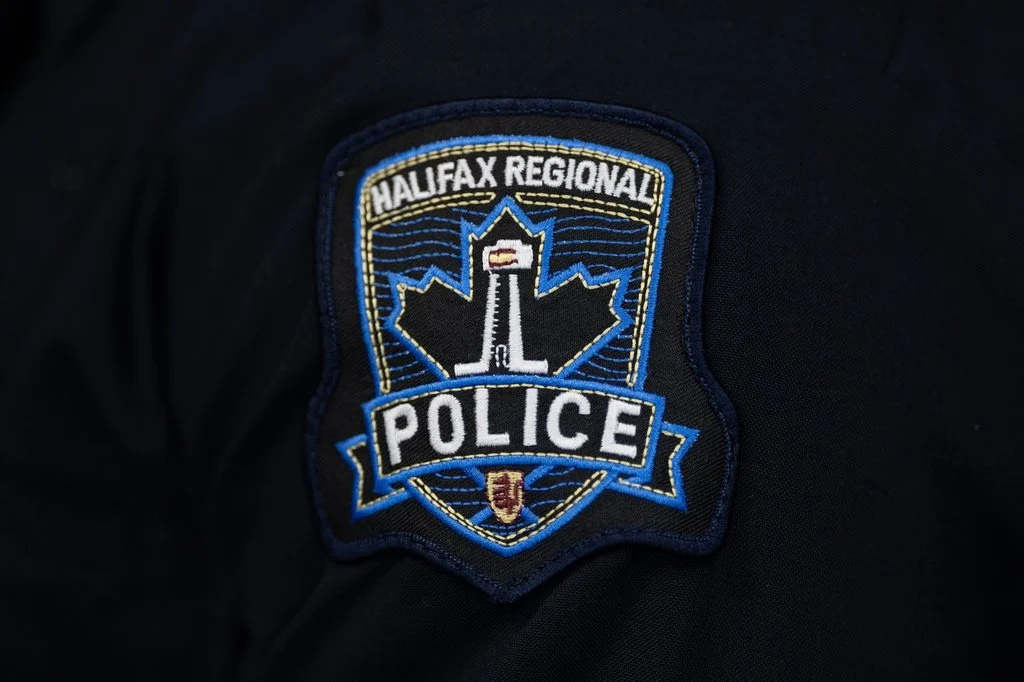
Halifax Regional Police (HRP) have issued an urgent appeal to the public for assistance in locating a quantity of live ammunition an officer inadvertently lost during a dynamic foot pursuit of a robbery suspect in Dartmouth earlier this week. The incident, which occurred on Tuesday morning, August 5, 2026, has prompted significant concern within the force and the community regarding the potential dangers posed by the unsecured police-issued equipment. The missing item, identified as an ammunition magazine, is a critical piece of law enforcement gear, and its unauthorized possession by a civilian carries severe legal consequences under Canadian law. The HRP is emphasizing the seriousness of the situation, urging anyone who may come across the magazine to immediately contact authorities rather than attempting to handle it themselves.
Urgent Search Underway for Lost Police Ammunition
The call for public assistance was formally made on Wednesday, August 6, 2026, following extensive internal searches and investigations. Police confirmed that an officer engaged in a foot chase with a robbery suspect near Green Road in Dartmouth around 10:35 a.m. on Tuesday when the ammunition magazine is believed to have become dislodged from the officer’s equipment belt. Despite the successful apprehension of the robbery suspect, who was confirmed not to be in possession of the missing magazine, a subsequent thorough search of the immediate area by police units failed to locate the item. This has escalated the situation, transitioning the search from an internal police operation to a public safety concern requiring community cooperation. The HRP has activated all available resources to aid in the recovery, highlighting the paramount importance of ensuring public safety and preventing potential misuse of the lost ammunition.
Detailed Chronology of the Incident
The events leading to the loss of the ammunition magazine unfolded rapidly on Tuesday morning. HRP officers were dispatched to an area near Green Road in Dartmouth following reports of a robbery. While specific details of the initial robbery report have not been publicly disclosed, such incidents typically involve a high-priority response, with officers converging on the scene quickly.
Around 10:35 a.m., an HRP officer identified a suspect matching the description provided and initiated a foot pursuit on Green Road. Foot chases are inherently unpredictable and physically demanding, often requiring officers to navigate various terrains, obstacles, and sudden changes in direction. During the intensity of this pursuit, police believe the officer’s duty ammunition magazine became dislodged from its secure holster or pouch on the equipment belt. Police equipment belts are designed to securely hold numerous items, including firearms, spare magazines, handcuffs, and communication devices. However, the rigorous movements involved in a high-speed chase can, on rare occasions, lead to equipment dislodgement, especially if securing mechanisms are compromised or subjected to extreme forces.
Following a brief but intense chase, the suspect was successfully apprehended and taken into custody. Standard procedure dictates a search of the suspect upon arrest to ensure officer safety and prevent the destruction or concealment of evidence. During this process, it was confirmed that the suspect was not in possession of the officer’s lost magazine. It was at this point, or shortly thereafter, that the officer realized the magazine was missing. An immediate and systematic search of the pursuit path and surrounding areas was launched by responding HRP units. Officers meticulously combed Green Road and adjacent properties, utilizing daylight hours to maximize visibility. Despite these concerted efforts, the magazine could not be found, leading to the decision to issue a public appeal. The HRP’s swift action in involving the public underscores the gravity of the situation and their commitment to recovering the item quickly.

Understanding the Lost Equipment: An Ammunition Magazine
The lost item is an ammunition magazine, a device designed to hold multiple rounds of live ammunition and feed them into a firearm. While the exact caliber and capacity of the lost magazine have not been specified by HRP, standard issue magazines for police service pistols in Canada typically hold between 10 and 17 rounds of 9mm or .40 S&W caliber ammunition. These rounds are live, meaning they contain a projectile, propellant, and a primer, making them capable of being discharged from a compatible firearm.
The danger of an unsecured, loaded ammunition magazine in public hands cannot be overstated. Firstly, there is the immediate risk of an individual, particularly a child, unknowingly tampering with the magazine or its contents, potentially leading to accidental discharge if paired with a compatible firearm. Secondly, such ammunition could fall into the wrong hands, potentially being used in criminal activity. Police-issued ammunition is specifically designed for duty use, often featuring advanced projectile designs that maximize effectiveness and minimize over-penetration, making them particularly dangerous in untrained or malicious hands. Furthermore, the presence of police-issued equipment in unauthorized hands could raise questions about its provenance and potentially implicate innocent individuals if not recovered promptly. The HRP’s warning about the illegality of possessing such an item is not merely a formality but a critical directive aimed at preventing serious public safety incidents.
Halifax Regional Police Protocols and Training
Halifax Regional Police, like all Canadian law enforcement agencies, operate under stringent protocols regarding the issuance, security, and accountability of all police equipment, especially firearms and ammunition. Officers undergo extensive training not only in the use of their equipment but also in its proper retention and security. This includes regular inspections of holsters, pouches, and belts to ensure they are in good working order and securely fastened.
Training for foot pursuits is a continuous and evolving aspect of police readiness. Officers are trained to maintain situational awareness, assess risks, and secure their equipment even under high-stress conditions. However, the dynamic and often chaotic nature of a pursuit means that even with the most robust training and equipment, unforeseen circumstances can arise. Incidents of lost equipment during foot chases, while rare, are a stark reminder of the inherent risks and challenges faced by officers in the line of duty. Following such an incident, it is standard practice for the department to conduct an internal review. This review would examine the circumstances leading to the loss, assess the officer’s equipment, and evaluate existing protocols to identify any potential areas for improvement in training or equipment standards. The goal is to learn from the incident and prevent recurrence, reinforcing the department’s commitment to officer and public safety.
Public Safety Implications and Legal Ramifications
The loss of police ammunition poses significant public safety implications. Should the magazine be found by an individual unaware of its nature, or worse, by someone with malicious intent, the consequences could be severe. The HRP’s warning that it is illegal for the public to possess police-issued equipment is a crucial legal directive. Under the Canadian Criminal Code, unauthorized possession of ammunition or a prohibited device (which a loaded magazine could be considered, depending on its capacity and context) can lead to serious charges. Specifically, sections related to firearms and weapons offences could apply, carrying penalties ranging from fines to significant prison sentences.
The HRP has stressed that anyone who finds the magazine should not attempt to handle it or bring it to a police station, but rather contact police immediately so that trained personnel can safely retrieve it. This advice is critical, as improper handling could inadvertently lead to an accidental discharge if the ammunition were to be paired with a compatible firearm, or could compromise potential forensic evidence if the item were to be used in a crime. This situation also underscores the broader societal challenge of responsible firearm and ammunition storage and handling, even when the items are not personally owned. The department’s proactive communication aims to mitigate these risks by informing the public and ensuring a safe recovery.

Community Response and Calls for Vigilance
The news of lost police ammunition in a residential area of Dartmouth is likely to generate a degree of anxiety and concern within the local community. Residents of Green Road and surrounding neighbourhoods will undoubtedly be more vigilant, keeping an eye out for anything unusual. Community leaders and local elected officials may issue statements reinforcing the police’s call for assistance and reassuring residents of the HRP’s commitment to safety.
The incident serves as a poignant reminder for all citizens to be aware of their surroundings and to report anything suspicious to authorities. The role of community partnerships, such as Crime Stoppers, becomes particularly vital in situations like this. Crime Stoppers offers an anonymous avenue for individuals to provide information that could be crucial to the investigation without fear of reprisal or having their identity revealed. This anonymous reporting mechanism can often encourage individuals who might otherwise be hesitant to come forward with information. The HRP relies heavily on such partnerships to solve crimes and recover lost items that pose a public risk, demonstrating the critical interplay between law enforcement and an engaged citizenry.
Broader Context: Police Equipment Security
While rare, incidents of lost or stolen police equipment, including firearms and ammunition, do occur across various jurisdictions globally. Each incident is treated with the utmost seriousness due to the inherent dangers. Such occurrences typically trigger comprehensive internal reviews, leading to potential adjustments in training protocols, equipment design, or operational procedures. The rarity of such events in the Halifax Regional Police jurisdiction speaks to the general effectiveness of their equipment management and training programs. However, even a single incident highlights the persistent challenges law enforcement faces in ensuring absolute security of all tactical gear, especially during dynamic and unpredictable situations.
Beyond the immediate search, this event contributes to the ongoing discourse about police accountability, equipment management, and public trust. Transparent communication from the HRP about the incident and their recovery efforts is crucial in maintaining that trust. It demonstrates that the department is not only committed to recovering the lost item but also to upholding the highest standards of safety and responsibility to the communities it serves. The incident reinforces the need for continuous vigilance and adaptation within police forces to evolving operational realities and potential risks.
The Ongoing Investigation and Public’s Role
The investigation into the lost ammunition magazine is active and ongoing. Halifax Regional Police are urging anyone who may have seen the magazine, or who has any information regarding its whereabouts, to come forward immediately. The department has provided clear channels for reporting: individuals can contact the Halifax Regional Police non-emergency line at 902-490-5020. Alternatively, for those who wish to remain anonymous, information can be submitted through Crime Stoppers by calling toll-free 1-800-222-TIPS (8477), submitting a secure web tip at www.crimestoppers.ns.ca, or using the P3 Tips app.
The HRP reiterates its stern warning against handling the ammunition magazine. Public safety remains the highest priority, and trained personnel are best equipped to recover the item without incident. The cooperation of the public is indispensable in resolving this serious matter swiftly and safely, ensuring the lost police-issued ammunition is returned to official custody and removed from any potential risk to the community. This incident serves as a powerful reminder of the shared responsibility between law enforcement and the public in maintaining community safety and order.