admin
admin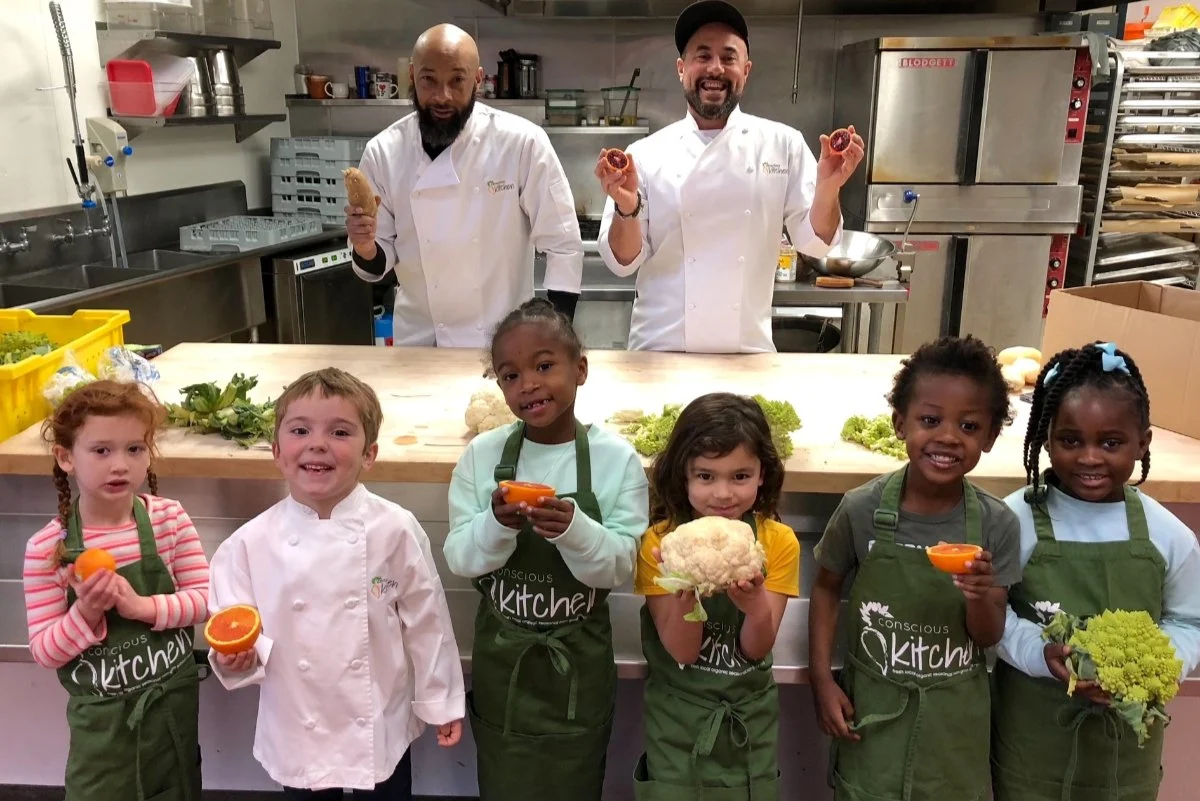
A groundbreaking initiative led by the Sausalito, California-based nonprofit Conscious Kitchen is set to revolutionize the school food landscape, aiming to connect 6 million schoolchildren across the Golden State with organic, locally grown food. This ambitious endeavor seeks to dismantle deeply entrenched supply chains that have long favored processed foods and distant suppliers, instead fostering direct relationships between school districts and local organic farms. The organization’s innovative, multi-faceted approach, recently validated by a prestigious nomination for the Food Planet Prize, tackles the complex challenges of cost, procurement, and distribution to make nutritious, environmentally sound meals a staple in California’s public schools.
Transforming the School Food Supply Chain: A Holistic Vision
Conscious Kitchen’s core mission is to transform the school food supply chain by empowering districts with greater buying power and facilitating direct connections to farms, ultimately driving down costs and enhancing nutritional quality. For over a decade, the nonprofit has meticulously developed new methodologies to integrate organically grown food into student diets, recognizing that the conventional system is ripe for systemic change. The organization’s guiding conviction is that with robust infrastructure and cultivated relationships, organic food can become a pervasive and economically viable component of school nutrition programs nationwide.
The traditional school food system in the United States, often characterized by its reliance on centralized procurement, bulk ordering of shelf-stable, pre-packaged items, and long-distance distribution, has inadvertently prioritized efficiency and cost-effectiveness over nutritional quality and local economic support. This model has led to a prevalence of ultra-processed foods in school cafeterias, contributing to growing concerns about childhood obesity, diet-related diseases, and the environmental footprint of industrial agriculture. Conscious Kitchen directly confronts these systemic issues, positing that a localized, organic approach can simultaneously improve student health, bolster regional economies, and promote sustainable farming practices.
Judi Shils, founder and executive director of Conscious Kitchen, articulates the nonprofit’s comprehensive strategy: “Rather than solving one piece of the puzzle, CK works across the entire chain that spans farm to school.” This holistic perspective acknowledges that meaningful change requires addressing every facet, from cultivation and procurement to menu planning and kitchen operations.
A Decade of Groundwork and the Pandemic Catalyst
The seeds of Conscious Kitchen were sown in 2013 at Bayside Elementary in Marin City, California, a community where 95 percent of students qualified for free and reduced meals. Shils and her team embarked on a mission to transition the school from ultra-processed, prepackaged meals to fresh, local, organically grown food. This foundational work laid the groundwork for understanding the operational complexities and the profound impact of such a shift on student well-being and academic performance.
The organization’s efforts gained significant momentum and demonstrated unparalleled resilience during the unprecedented challenges of the COVID-19 pandemic. The global health crisis exposed the fragility and vulnerabilities of extended supply chains, creating an unexpected window of opportunity for localized food systems. School districts, grappling with disruptions and an urgent need to feed students remotely, were granted temporary flexibility from stringent government-funded procurement regulations. This temporary reprieve allowed for innovative approaches to sourcing and distribution that would have been challenging under normal circumstances.

In this critical period, Conscious Kitchen made a pivotal foray into a much larger school district: West Contra Costa Unified, located in San Francisco’s East Bay. Barbara Jellison, the district’s food service director, swiftly engaged Conscious Kitchen to procure organic produce for 23,000 student meal boxes. Shils vividly recalls the conversation: “I called her and said, ‘Is this real?’ She goes, ‘Yeah, it’s real. If you build the supply chain, I’ll buy it.’”
Over the subsequent nine months, Conscious Kitchen orchestrated the impressive feat of funneling 10.7 million pounds of organic food from local farmers into 18.7 million boxed to-go meals for West Contra Costa students, representing $17 million in purchases. What began with fresh produce quickly expanded to comprehensive boxes including organic dairy, protein, cereals, and grains. This monumental undertaking not only ensured students received nutritious meals during a crisis but also unequivocally demonstrated the viability and resilience of a direct farm-to-school supply chain. The pandemic, while disruptive, served as a powerful launching pad for Conscious Kitchen’s broader ambitions. “I knew that I couldn’t not keep blowing this up,” Shils stated, reflecting on the profound impact and potential revealed during this period.
Global Recognition and Audacious Ambition: The Food Planet Prize
This spring, Conscious Kitchen’s decade of dedicated work and its potential for widespread impact received significant international recognition through its nomination for the prestigious Food Planet Prize. This esteemed award, which identifies and celebrates organizations with the capacity to foster positive environmental change through food systems, selected Conscious Kitchen as one of only four finalists from a pool of over 1,000 applicants worldwide. While the ultimate top award went to a region-wide agroecology movement in South India, the nomination itself carried a substantial award of $150,000. More importantly, it served as a powerful validation of Conscious Kitchen’s innovative model and its potential to substantially reduce the environmental footprint of our dietary habits.
Lina Engler, the general manager of the Food Planet Prize, underscored the distinctiveness of Conscious Kitchen’s approach in an email to Civil Eats, noting, “The ambition and coherence of Conscious Kitchen’s systems-level approach stood out from the start. Rather than solving one piece of the puzzle, CK works across the entire chain that spans farm to school.” This endorsement highlights the nonprofit’s unique ability to integrate solutions across the entire food system, rather than addressing isolated challenges.
Bolstered by this international recognition and financial infusion, Conscious Kitchen has now articulated an audacious new goal: to feed 6 million schoolchildren across California with organic, local food. This expansion is envisioned not merely as an increase in beneficiaries but as a blueprint for school districts in other parts of the country, proving that their durable and replicable model can thrive in diverse contexts.
Addressing Systemic Hurdles: Conscious Kitchen’s Multi-pronged Strategy
Conscious Kitchen’s strategy is a meticulously crafted response to the numerous hurdles that have historically prevented organic, local food from entering the mainstream school food system. The nonprofit’s comprehensive approach targets several key areas:
1. Cultivating Direct Farmer-School Connections:
A primary challenge lies in bridging the gap between school district food-service leaders and small- to mid-size organic farmers. Farmers, while often willing to explore new markets, frequently lack the infrastructure or knowledge to navigate the complex procurement requirements of schools. Conversely, school officials perceive organic sourcing as costly and logistically intricate. To address this, Conscious Kitchen has initiated a series of farm-to-school workshops. In 2025 alone, 13 such workshops were held, with more continuing into 2026. These events serve as vital platforms for farmers and school district officials to not only learn about Conscious Kitchen’s model but also to meet face-to-face and establish direct, trust-based relationships.

For farmers, gaining access to a new, large, and stable customer base like schools can be invaluable. Small farms across the nation are facing immense economic pressures; the U.S. Department of Agriculture reported that approximately 15,000 small farms closed or consolidated in 2025 alone. Conscious Kitchen’s liaison has been a boon for growers such as Frog Hollow Farm, a renowned organic stonefruit farm in Brentwood, California, which now counts California schools as its largest client in 50 years of operation. Shils emphasizes the significance of this achievement: “For a farmer to say that about school-supported agriculture is unheard of.”
2. Leveraging Collective Buying Power: The Purchasing Cooperative:
One of the most significant barriers to organic procurement in schools is cost. Conscious Kitchen has pioneered the creation of purchasing cooperatives, which bring together multiple school districts to issue joint Requests for Proposals (RFPs) for organic products. This aggregated demand significantly increases schools’ leverage in the market, allowing them to negotiate lower prices for organic foods, often making them competitive with conventional alternatives. It also streamlines the purchasing process, simplifying what can otherwise be a daunting task for individual districts.
The Mt. Diablo Unified School District, serving approximately 29,000 students just east of San Francisco, leads a pilot purchasing cooperative involving 16 districts spearheaded by Conscious Kitchen. Alex Emmott, the district’s director of food and nutrition services, describes the cooperative as "pretty transformational," highlighting its potential to make organic purchasing "easier, more accessible, and then hopefully helps to drive down costs for items." Kat Soltanmorad, director of food and nutrition services at Tahoe Truckee Unified School District, echoes this sentiment: “If I’m looking for organic string cheese, and now there’s 20-plus school districts ordering the same thing, I’m going to get a much better bid price compared to maybe even the conventional.”
3. Product Development and Vendor Collaboration:
Beyond sourcing, Conscious Kitchen actively engages with food vendors to ensure organic products meet the specific needs of school kitchens. This involves encouraging vendors to repackage their products in bulk quantities, as small, retail-sized packages are impractical for high-volume school meal preparation. The nonprofit also collaborates with manufacturers to reformulate products to comply with stringent federal nutritional standards. For instance, in 2024, Conscious Kitchen worked with Nature’s Path to reformulate its organic cereal, ensuring the first two ingredients were whole grains, thus meeting federal guidelines.
Kristin Hilleman, director of food and nutrition services at the Capistrano Unified School District, which produces about 25,000 meals daily, praises Shils’s ability to persuade producers to sell in bulk. Hilleman cites the example of organic refried beans: "Then you’ve got organic refried beans that you can use in a burrito, a bowl, as a side item, or whatever it might be, because it’s not really feasible for your employees to be unpacking millions of tiny packages of something at the scale they’re cooking."
4. Innovating Distribution Channels: Leveraging Existing Systems:
In 2024, Conscious Kitchen identified a novel pathway to inject more organic food into schools by integrating with the long-established conventional school-food deliveries organized by the Department of Defense (DoD). The DoD Fresh Fruit and Vegetable Program, initiated in 1993, utilizes the military’s large-scale procurement and delivery system. School districts receive an annual "entitlement" from the USDA, based on the number of reimbursable meals served, which can be allocated to purchase fresh produce through this program.
Conscious Kitchen strategically convinced the program’s two California distributors that there was significant demand for organic produce if it were offered. As Shils explains, "All the school districts that we work with that want organic produce started pulling their money out of the DoD [program] because they wanted to buy direct and they wanted to buy organic. And so we started working with . . . the two distributors in our state and we asked them to bring in some of the smaller farmers and see if that worked." This advocacy resulted in over 30 organic products from small to midsize organic farms being added to the DoD Fresh Fruit and Vegetable Program buyer’s list. The availability of organic options through this conventional channel left Soltanmorad of Tahoe Truckee Unified "almost incredulous," exclaiming, “What universe are we in? I love it. Here I’m ordering thousands of pounds of peaches and nectarines—organic.”
5. Staff Training and Kitchen Infrastructure:
Another significant barrier is the outdated infrastructure and staffing models of many school kitchens, which are often designed for heating pre-made items rather than scratch cooking. Preparing meals from fresh ingredients in vast quantities requires more space, specialized equipment, and trained staff. Conscious Kitchen addresses this by offering hands-on training sessions on scratch cooking for school cafeteria employees. Furthermore, the nonprofit is launching a comprehensive database in August that will allow districts to share tested organic recipes, fostering a collaborative environment for culinary innovation.
The Critical Role of Government Policy and Funding

Conscious Kitchen’s successes are inextricably linked to supportive government policies and funding, particularly at the state level in California. The state’s seismic investment in school meals, known as Universal Meals, adopted in 2021, ensures that every schoolchild can receive a free meal regardless of family income. This program has had a transformative impact. At Mt. Diablo Unified, for instance, Universal Meals has led to a 20 percent increase in meal participation over the last three years. This surge in participation translates directly into increased reimbursement for the district, providing a larger budget for high-quality, nutritious organic food.
Alex Emmott of Mt. Diablo explains, “With California Universal Meals, the funding structure just makes a lot more sense. It’s easier to do higher-quality procurement, essentially, because we’re feeding more kids.” The increased reimbursement also allows districts to invest in the labor and equipment necessary for scratch cooking, such as blast chillers and vacuum sealers for central kitchens. Mt. Diablo has expanded its payroll by $2 million, increased hours for existing employees, and added 20 new positions with full benefits, demonstrating the program’s ripple effect on local employment. Judi Shils affirms that the Universal Meals program “changed the conversation” around school food, emphasizing that at the scale of millions of meals served daily by California schools, "every purchasing decision matters," influencing children’s health, farming practices, public spending, and the future of regional food systems.
Beyond Universal Meals, other state-level initiatives have been crucial. California Governor Gavin Newsom has supported investments in rebuilding school kitchens and retraining employees to facilitate scratch-cooking. Additionally, California State Superintendent of Public Instruction Tony Thurmond collaborated with Conscious Kitchen in 2024 to launch “Mission Possible: Go Organic,” an initiative encouraging school districts to formally pledge to increase their purchases of organic foods.
However, the political landscape is dynamic. Both Newsom and Thurmond are set to leave office in early 2027, raising questions about the continuity of such strong state support under new leadership. At the federal level, similar policy shifts underscore the volatility. The USDA under the Biden administration allocated $24 million to California as part of the Local Food for Schools program in 2022-23, encouraging local procurement. This program, along with $660 million in national funding, was subsequently halted shortly after President Donald Trump took office. While the Trump administration has expressed interest in healthier meals for schoolchildren, the USDA has yet to release new school nutrition guidelines based on the latest Dietary Guidelines for Americans. Advocates and school officials warn that meeting higher nutritional standards will be impossible without robust and consistent federal funding. In response to these demands, a bipartisan proposal introduced in the U.S. House of Representatives in June seeks to mandate an annual allocation of $200 million to the Local Food for Schools program.
Shils remains pragmatic about political shifts, believing that common ground can be found as long as the ultimate goal is healthier meals for children. Different administrations, she notes, may have varying priorities—be it school meal quality, climate concerns, or children’s health—each offering a unique entry point for dialogue and collaboration. “Under different administrations, different aspects of our work have resonated,” Shils observes, highlighting the adaptability of Conscious Kitchen’s mission.
Growing Beyond California: A Replicable Model
Conscious Kitchen firmly believes its model can “grow” – a term Shils prefers over “scale” to emphasize the organic, relationship-driven nature of their expansion – because the systems and relationships it builds are designed to exist independently of the nonprofit itself. This inherent durability and replicability position the model for potential adoption far beyond California’s borders. Shils passionately articulates this philosophy: “How you grow is through heart, through relationships, through believing in people that don’t even believe in themselves. To have school food-service directors that honor the farmers because they know them.” This focus on human connection and empowerment is central to their strategy.
Conscious Kitchen’s collaborative spirit is evident in testimonials from its partners. Alex Emmott describes the nonprofit as "just a really cool nonprofit, a small-but-mighty team who are really boots on the ground, and not afraid to get their hands dirty and kind of get in it with you and help you out."
As Conscious Kitchen begins engaging with individuals and institutions in states beyond California, the message remains clear: there is a widespread readiness to embrace change. Shils concludes with optimism, stating, “There’s a will. And people aren’t saying, ‘What if’ or ‘but,’ but ‘Let’s just roll our sleeves up and try to make this work.’” This sentiment encapsulates the organization’s proactive and collaborative approach to transforming school food systems, promising a healthier, more sustainable future for millions of children across the nation.