admin
admin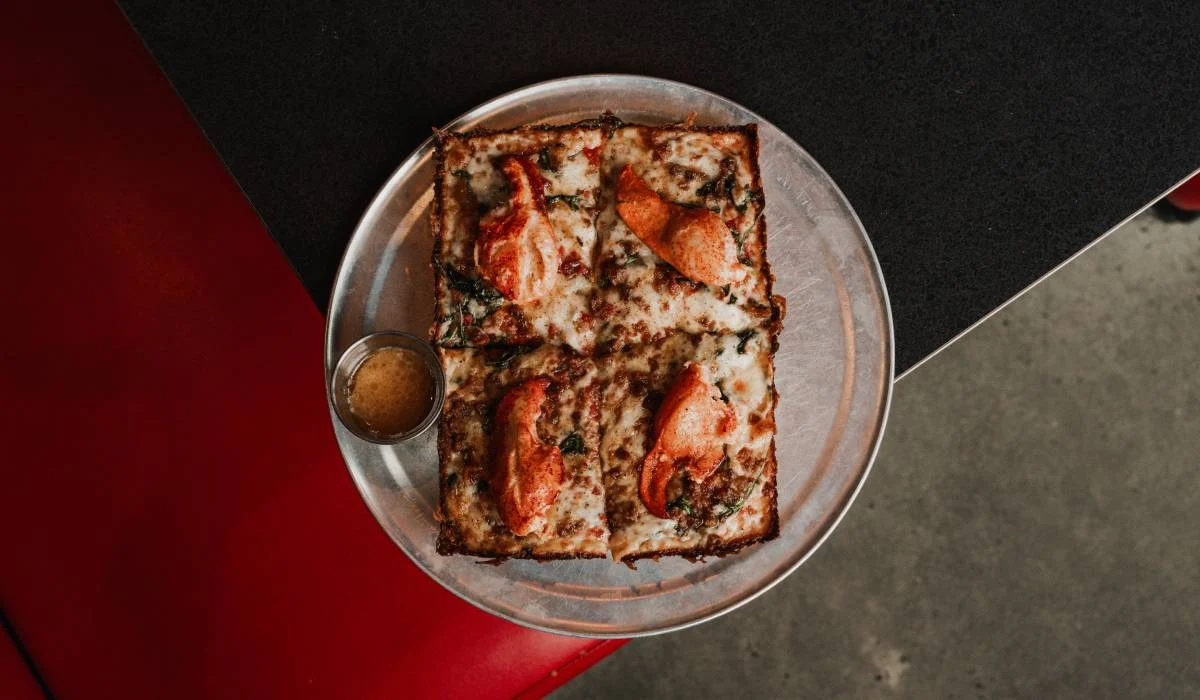
The Austin-based pizza landscape is set to witness the return of one of its most high-profile seasonal collaborations as Via 313 announced the revival of the Garbo’s Queen Lobster Pizza for a strictly limited three-stop tour this summer. This partnership, which bridges the gap between Detroit-style deep-dish pizza and authentic New England seafood, represents a strategic move by both brands to capitalize on the "high-low" dining trend that has gained significant momentum in the Texas capital. The specialty pizza, a premium menu item priced at $40, is scheduled to appear at three distinct Via 313 locations over the coming weeks, offering fans a rare opportunity to experience a fusion of flavors that has previously garnered a dedicated cult following.
The Queen Lobster Pizza is not a standard menu offering but a curated culinary event. The pizza features Via 313’s signature four-corner, Detroit-style crust—noted for its caramelized cheese edges and airy interior—topped with a sophisticated array of ingredients. These include thick-cut bacon, a proprietary cheese blend, and fresh arugula. The centerpiece of the dish is the butter-poached Maine lobster provided by Garbo’s, an Austin institution known for importing fresh seafood directly from the Northeast. The dish is finished with Garbo’s signature seasoning, a blend that has become synonymous with the seafood purveyor’s popular lobster rolls.
Strategic Implementation and Scheduling
The rollout of the Queen Lobster Pizza is designed to maximize foot traffic during mid-week periods, a common strategy in the food and beverage industry to bolster sales during traditionally slower windows. Each of the three scheduled appearances will take place on a Wednesday, aligning with Via 313’s existing "Half-Priced Wine Wednesday" promotion. This synergy is intended to position the $40 pizza as part of a complete "date night" or premium dining experience, pairing the richness of the butter-poached lobster with the acidity and variety of the restaurant’s wine cellar.
While the specific dates are staggered across the summer season, the operational protocol for each event remains consistent. The special menu item will become available starting at 3 p.m. at the designated location and will be served only until supplies are exhausted. Given the high cost of Maine lobster and the labor-intensive poaching process, the inventory for these events is notoriously limited. Previous iterations of this collaboration have seen sell-out times occurring within hours of the start time, creating a sense of urgency among the local "foodie" community.
The three-location tour focuses on core Austin neighborhoods, ensuring broad geographic coverage across the city’s North, East, and South sectors. By rotating the event through different brick-and-mortar sites, Via 313 ensures that the logistics of the lobster delivery—handled by Garbo’s—remain manageable while providing accessibility to various demographics within the Austin metropolitan area.
A Confluence of Culinary Traditions
The collaboration between Via 313 and Garbo’s is more than a simple marketing gimmick; it is a merger of two distinct regional American food cultures that have found a second home in Central Texas. Via 313, founded by brothers Zane and Brandon Hunt, is credited with sparking the national resurgence of Detroit-style pizza. Their method involves baking the pizza in industrial blue steel pans, a nod to the automotive history of Michigan. This results in a "frico" crust—a perimeter of burnt cheese that provides a salty, crunchy contrast to the dough.
Garbo’s, led by Heidi Garbo, serves as the perfect foil to this heavy, savory base. Garbo’s specializes in the New England seafood tradition, specifically the lobster roll. By integrating butter-poached lobster—a preparation method that keeps the meat tender and rich—onto a heavy Detroit crust, the collaboration creates a flavor profile that balances the decadence of the seafood with the structural integrity of the square pizza. The addition of arugula provides a peppery bite to cut through the fat of the butter and bacon, while the Garbo’s seasoning adds a layer of complexity that distinguishes it from standard seafood-topped pizzas.
Market Context and Premiumization Trends
The $40 price point for the Queen Lobster Pizza reflects a broader trend in the American "fast-casual" and "casual dining" sectors known as premiumization. As consumer preferences shift toward high-quality, artisanal ingredients, brands are finding success with limited-time offerings (LTOs) that command a higher price in exchange for an elevated experience.
According to industry data from the National Restaurant Association, LTOs that feature premium proteins like lobster or Wagyu beef can increase average check sizes by as much as 15% to 20% during the promotional period. Furthermore, these events serve as powerful marketing tools. The "scarcity model"—the idea that a product is only available for a few hours in a specific location—drives social media engagement and brand loyalty. For Via 313, the Queen Lobster Pizza acts as a "halo product," drawing customers into the restaurant who may then return for their standard menu items in the future.
The lobster market itself has faced significant volatility in recent years due to fluctuating sea temperatures in the Gulf of Maine and changes in federal fishing regulations aimed at protecting the North Atlantic right whale. These supply chain pressures have kept lobster prices at a premium. By partnering with a dedicated seafood distributor like Garbo’s, Via 313 is able to mitigate some of the risks associated with sourcing high-end seafood, ensuring that the quality of the Maine lobster remains consistent with the brand’s standards.
Historical Performance and Consumer Demand
The return of the Queen Lobster Pizza is a direct response to historical demand. In previous years, the collaboration became a viral sensation in the Austin food scene, often cited in local publications as a "must-try" seasonal dish. The decision to bring it back for three appearances suggests a calculated approach to supply and demand. Rather than making it a permanent seasonal fixture, the limited nature of the return preserves the item’s "special event" status.
Industry analysts note that such collaborations are particularly effective in cities like Austin, which boasts a high concentration of young professionals and a vibrant "food truck to brick-and-mortar" success story culture. Both Via 313 and Garbo’s started as small-scale operations—Via 313 as a small trailer behind a craft beer bar and Garbo’s as a mobile lobster roll unit. Their shared trajectory from humble beginnings to regional powerhouses adds a layer of local authenticity to the partnership that resonates with the community.
Operational Logistics and Economic Impact
From an operational standpoint, the 3 p.m. start time is a strategic choice. It allows the kitchen staff to prepare the standard lunch rush before pivoting to the specialized requirements of the lobster pizza. Butter-poaching lobster requires precise temperature control to prevent the meat from becoming rubbery, a task that demands more attention than the standard pizza assembly line.
The economic impact of these events extends beyond the individual sales of the $40 pizzas. The "Half-Priced Wine Wednesday" component ensures that beverage sales remain high, providing a balanced margin for the restaurant. While the food cost percentage on a lobster-heavy dish is typically higher than that of a standard pepperoni pizza, the high price point and the accompanying alcohol sales make the promotion a net positive for the company’s bottom line.
Moreover, these events foster a sense of community. By scheduling the appearances on Wednesdays, Via 313 encourages "mid-week treats," tapping into a consumer psychology that seeks small luxuries to break up the work week. The sell-out nature of the event also creates a "communal struggle" among fans, who often share tips on social media about line lengths and remaining inventory, further boosting the brand’s digital footprint.
Future Implications for the Brands
As Via 313 continues its expansion outside of the Texas market—having already established a presence in Utah and other regions—the Queen Lobster Pizza serves as a reminder of its Austin roots. It reinforces the brand’s identity as a creative, quality-focused pizzeria that is not afraid to experiment with unconventional toppings. For Garbo’s, the partnership provides an opportunity to showcase its product in a different culinary context, reaching a segment of the population that might not frequent a traditional seafood shack.
Looking forward, the success of this summer’s three-appearance run could pave the way for more frequent or geographically diverse collaborations. As the dining public grows increasingly sophisticated, the "collaboration model" pioneered by brands like Via 313 and Garbo’s is likely to become a standard blueprint for independent and regional restaurant groups looking to maintain relevance in a competitive market.
In conclusion, the return of the Garbo’s Queen Lobster Pizza is a significant event for the Austin dining scene, representing a sophisticated blend of regional flavors, strategic marketing, and high-quality sourcing. For three Wednesdays this summer, the intersection of Detroit-style dough and Maine lobster will once again serve as a focal point for the city’s culinary enthusiasts, proving that even in a city with an endless array of food options, a well-executed, limited-time classic still holds the power to draw a crowd.