admin
admin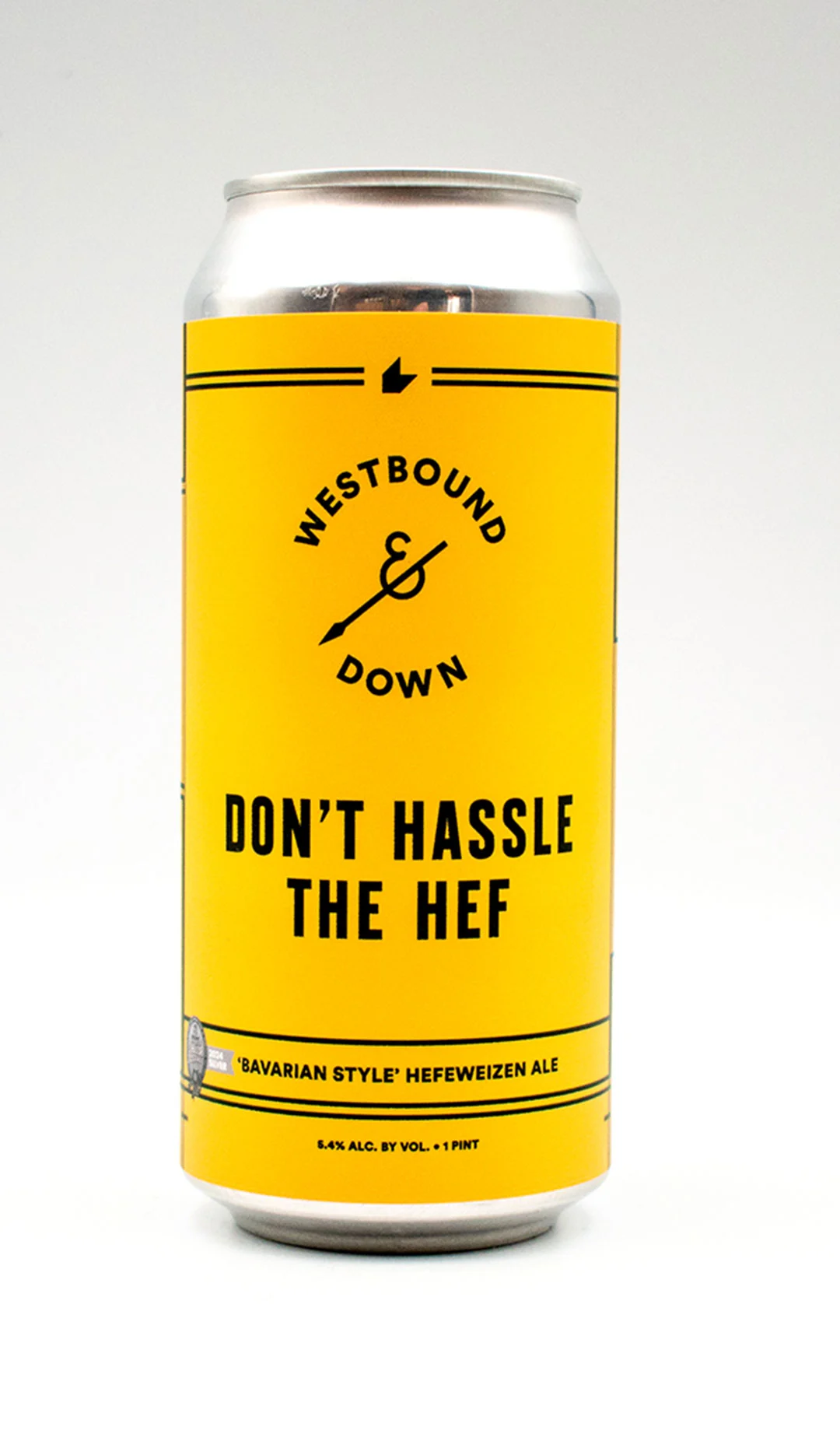
The intersection of agricultural history, microbiology, and creative desperation has birthed a peculiar movement within the American craft beer landscape: the rise of the banana-forward brew. While the fruit has long been a subtle byproduct of specific fermentation processes, a new wave of brewers is now intentionally centering the banana as a primary flavor profile, utilizing everything from high-end imported Thai fruit to aisles of grocery store baby food. This shift represents a broader evolution in consumer palates, where the boundaries between traditional styles and dessert-inspired "pastry" beverages continue to blur. As regulatory hurdles fall and supply chains for exotic ingredients stabilize, the banana has transitioned from a brewing "off-flavor" to a sought-after commodity in taprooms across the United States.
From Desperation to Innovation: The DankHouse Precedent
The modern obsession with banana flavors often begins with technical challenges. In early 2020, Josh and Heather Lange, founders of Newark, Ohio-based DankHouse Brewing, faced a logistical crisis. Having been invited to the prestigious Juicy Brews IPA festival in Pittsburgh, the couple intended to showcase "Banana Peel’d," a hazy IPA designed to mimic the tropical profile of the fruit. However, just days before the event, the beer lacked the aromatic intensity the Langes desired.
Faced with a deadline and a lack of available aseptic purée, the brewing team experimented with fresh blended bananas—which oxidized into an unappealing brown—and dried banana chips, which failed to yield the necessary flavor concentration. The solution was found in the infant care aisle of local supermarkets. Discovering that high-quality banana purée was nearly identical in composition to Gerber banana baby food, the Langes purchased the entire stock of Newark’s grocery stores. This "scooping party" successfully amplified the beer’s profile, allowing DankHouse to stand alongside industry titans like The Alchemist at the festival. This anecdote highlights a recurring theme in modern brewing: the lengths to which producers will go to achieve a specific, nostalgia-driven flavor profile that resonates with the public.
The Science of Scent: Isoamyl Acetate and the Gros Michel Legacy
To understand why banana flavor is so polarizing and yet so popular, one must look to the history of global agriculture. A century ago, the dominant banana variety in the United States was the Gros Michel, or "Big Mike." This cultivar was rich in isoamyl acetate, a fruity ester that provides the signature "banana" scent. However, by the 1950s, a fungal outbreak known as Panama disease nearly eradicated the Gros Michel, leading the industry to pivot to the Cavendish banana.
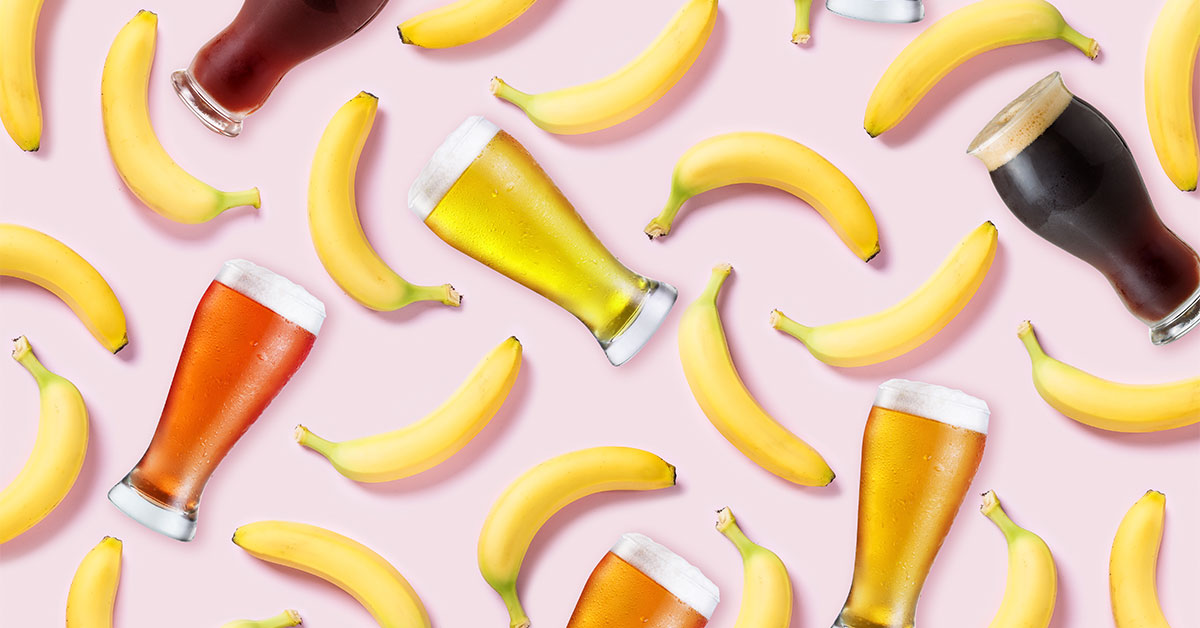
The Cavendish, while more resistant to disease, contains significantly lower levels of isoamyl acetate. This discrepancy created a sensory rift in the American palate; artificial banana flavorings—such as those found in Runts or Laffy Taffy candies—were modeled after the Gros Michel. Consequently, many consumers associate "real" banana flavor with the chemical profile of a fruit that has been largely absent from store shelves for seventy years.
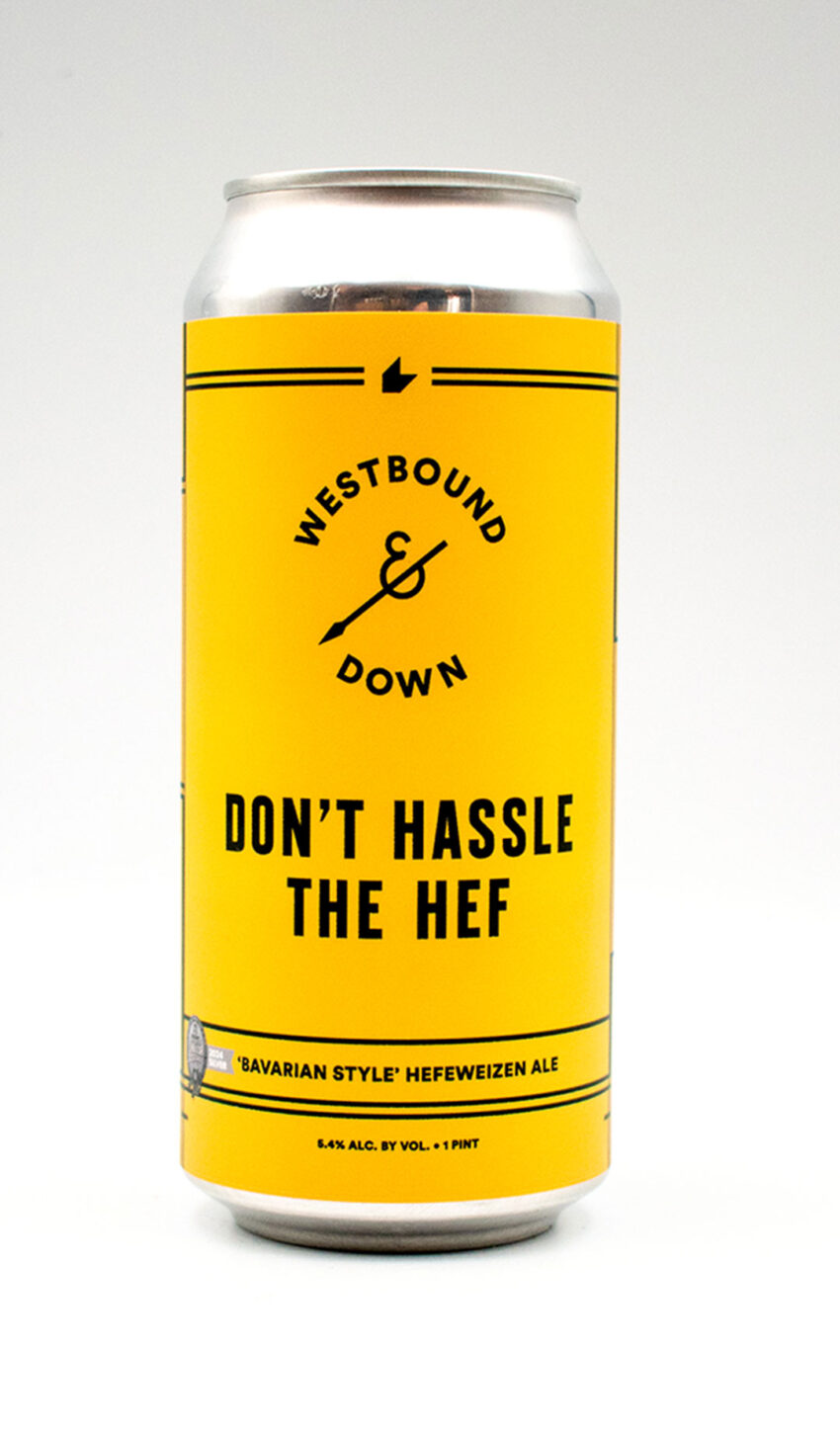
In brewing, isoamyl acetate is a natural byproduct of fermentation. While it is considered a flaw in most lagers and West Coast IPAs, it is the defining characteristic of the German Hefeweizen. Brewers like Derek Goodman of Westbound & Down Brewing in Colorado purposefully "stress" their yeast to produce this ester. By under-pitching yeast (using only about one-third of the recommended amount) and restricting oxygen, brewers force the yeast to reproduce rapidly, a process that generates the intense banana and clove aromas traditional to the style. Goodman’s "Don’t Hassle the Hef," which won a silver medal at the 2024 Great American Beer Festival, demonstrates that even without adding fruit, the manipulation of biology can produce a profile that consumers describe as "banana candy."
Regulatory Evolution: The TTB and Formula Exemptions
For years, the use of bananas in commercial brewing was hampered by federal bureaucracy. The Alcohol and Tobacco Tax and Trade Bureau (TTB) historically categorized bananas as a non-traditional ingredient. This meant that any brewery wishing to sell a banana-flavored beer across state lines had to submit a formal "formula exemption" request, a process that could take weeks or months and required detailed ingredient disclosures.
However, in late 2023, the TTB updated its list of exempt ingredients, finally recognizing bananas—along with several other fruits—as traditional brewing adjuncts. This regulatory shift has lowered the barrier to entry for small breweries, allowing for more spontaneous experimentation. The change reflects the TTB’s acknowledgement of the "craft revolution," where ingredients once considered "adulterants" have become staples of the independent brewing industry.
The Premium Market: Wild Thai Bananas and Global Economics
As the trend has moved toward "pastry stouts" and high-gravity dessert beers, some brewers have moved away from purées in favor of more concentrated sources. The current gold standard is the wild Thai banana. Rodrick Markus, CEO of Rare Tea Cellar, began importing these fructose-rich, dried fruits over a decade ago. While they were originally intended for high-end culinary use, the "pastry stout" boom of 2019 saw breweries like Other Half and Evil Twin buying them by the ton.
The use of these bananas is a high-stakes financial gamble. Matt Tarpey, co-founder of The Veil Brewing in Richmond, Virginia, notes that achieving the desired "crazy banana character" requires upwards of 10 pounds of dried fruit per barrel of beer. With prices hovering around $50 per pound—compounded by a 35% tariff on Thai imports—the cost of ingredients alone can exceed several thousand dollars per batch. For beers like "Sky Summoner," an imperial stout conditioned on vanilla, coconut, and Thai bananas, the profit margins are razor-thin. Tarpey describes these projects as a "labor of love," serving more as brand-building exercises and technical showcases than as primary revenue drivers.
Technical Challenges: Sulfur, Sugars, and the "Cheetos Dilemma"
Integrating bananas into a fermentation vessel is not without risk. Nick Panchamé, president of HOMES Brewery, points out that adding banana purée during active fermentation can lead to the production of excess sulfur and other off-flavors. To mitigate this, many brewers now add banana products post-fermentation. This adds residual sweetness and a thicker body, a texture often seen in the "hard smoothie" category, such as the Smooj line.
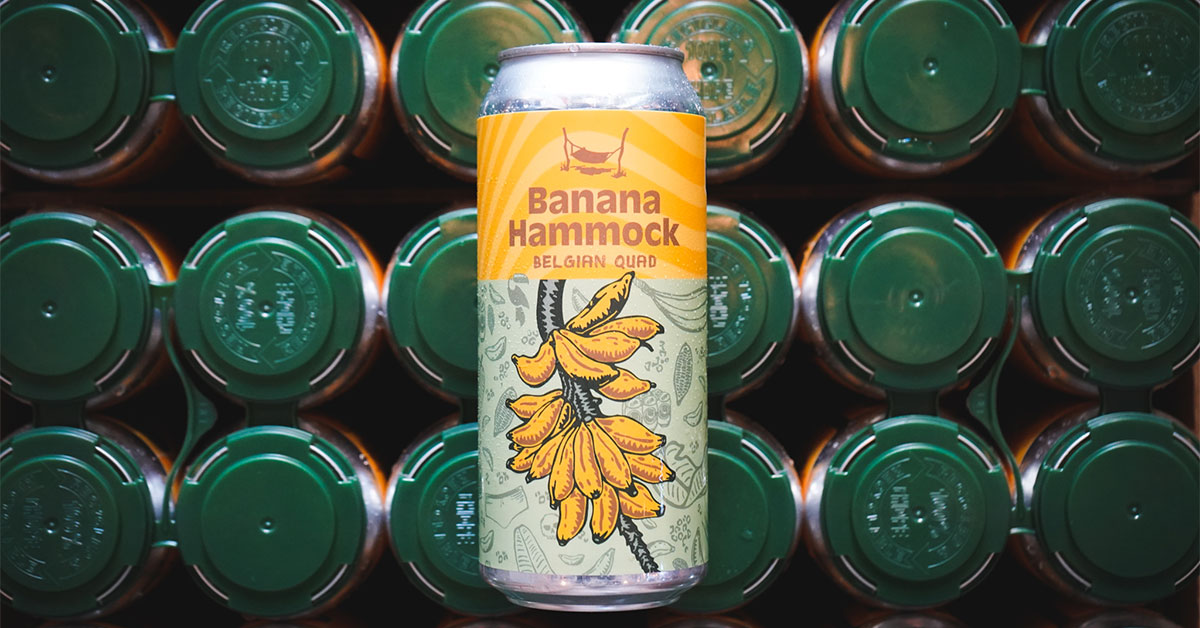
Larry Horwitz of Crooked Hammock Brewery uses a "feeding" technique for his "Banana Hammock" Belgian-style quadrupel. He waits until primary fermentation is nearly complete before adding banana sugars. Horwitz refers to the yeast’s tendency to stall when overwhelmed by simple sugars as the "Cheetos dilemma." If yeast is given "junk food" (simple fruit sugars) too early, it may refuse to finish the more difficult task of fermenting complex malt sugars, leading to a cloying, unstable finished product.
Market Data and Consumer Impact
The demand for banana-centric beers is reflected in the supply chain for brewing raw materials. Jeff Mello, founder of the Nashville-based yeast suppliers Bootleg Biology and Spot Yeast, reports that Hefeweizen yeast strains have surged to become his second best-selling product, trailing only the ubiquitous hazy IPA strains. "I can’t keep it in stock," Mello stated, noting that the "Banana Brunch" events—where Hefeweizen is paired with banana-based desserts—have become sell-out attractions.
This consumer interest is driven by a desire for "dynamic flavors." In an increasingly crowded market, breweries are finding that "banana" is a powerful marketing term. Logan Ackerley of Wallenpaupack Brewing notes that customers frequently ask for their flagship Hefeweizen specifically as "the banana beer," indicating that the flavor is a primary driver of brand loyalty.
Broader Implications for the Craft Industry
The "banana-fication" of craft beer serves as a microcosm of the industry’s current state: a blend of high-science microbiology and populist culinary trends. While purists may argue that the use of baby food or $50-a-pound dried fruit moves beer too far from its humble origins of water, malt, hops, and yeast, the commercial reality suggests otherwise.
As breweries face tightening competition and a more diverse consumer base, the ability to deliver recognizable, nostalgic, and intense flavors is a vital survival strategy. The transition of the banana from a regulatory outlier to a mainstream adjunct signifies a maturing industry that is increasingly comfortable with its identity as a branch of the broader "flavor" economy. Whether through the careful manipulation of yeast esters or the expensive import of Thai fruit, the banana has secured its place in the pint glass, proving that in the world of craft beer, there is always room for a little bit of madness—and a lot of fruit.