admin
admin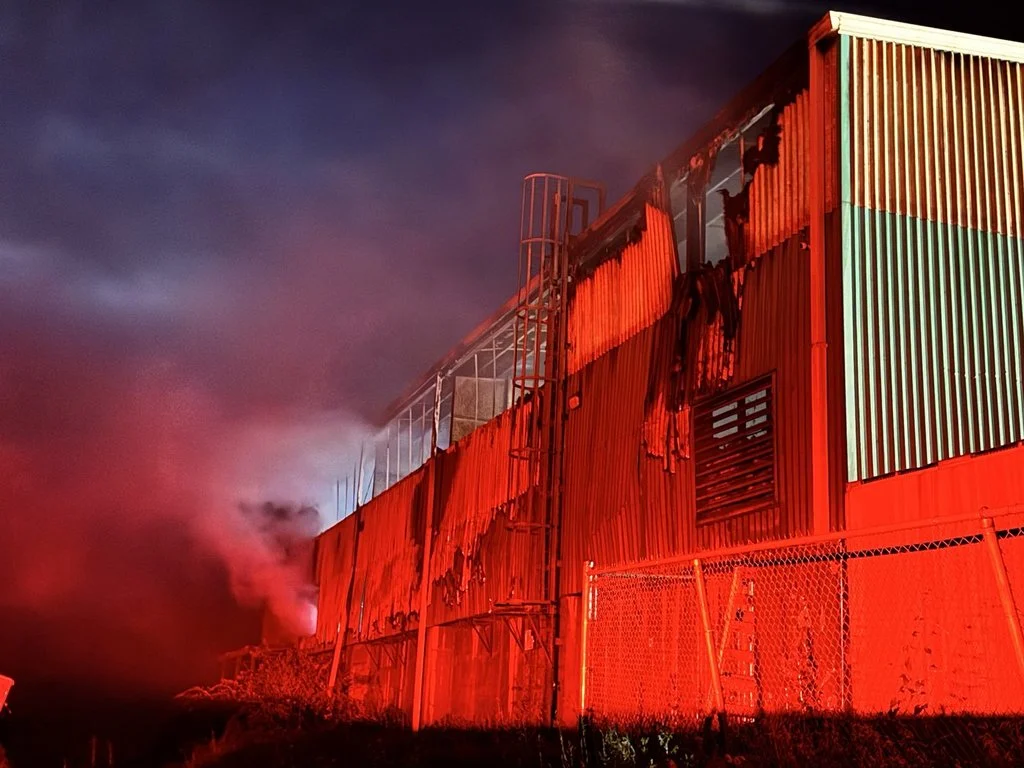
A devastating fire that significantly damaged a waste and recycling transfer station in Clarence East, Nova Scotia, on Thursday, July 30, 2026, has ignited a fervent warning from regional waste management officials regarding the escalating dangers posed by improperly discarded lithium-ion batteries. The incident, which saw extensive structural and operational damage to the Valley Waste Resource Management (VWRM) facility, has been definitively attributed to a compromised lithium-ion battery mixed with regular curbside waste, underscoring a critical and increasingly prevalent issue confronting solid waste management sectors across North America.
The blaze, which began in the early hours of Thursday morning, sent shockwaves through the Annapolis Valley community, disrupting essential waste services and highlighting a systemic vulnerability within current waste streams. Andrew Garrett, the general manager of Valley Waste Resource Management, based in Kentville, N.S., minced no words in his assessment, stating that the spontaneous combustion of a damaged lithium-ion battery, often found in a myriad of common electronic devices, is a problem that has become "all too common in recent years." The visible fire damage to the side of the Clarence East facility serves as a stark reminder of the volatile nature of these energy storage units when mishandled at the end of their lifecycle.
The Clarence East Incident: A Detailed Account
The sequence of events leading to the fire was meticulously reconstructed using security camera footage from within the transfer station. The surveillance recordings captured the initial spark and subsequent smoldering within a large pile of regular curbside waste. Garrett confirmed that the fire exhibited all the "telltale signs of a lithium-ion fire," characterized by its delayed ignition and spontaneous combustion, long after the waste had been processed and piled. "Spontaneous combustion long after it was handled," Garrett explained in an interview on Friday, July 31, 2026. "That’s typical of what we get. We’ve just had so many experiences in the industry about this." The facility, a crucial hub for waste consolidation before further processing, suffered substantial damage, necessitating temporary operational adjustments and incurring significant repair costs. While the full extent of the financial impact is still being assessed, initial estimates suggest repairs could run into the hundreds of thousands of dollars, not including the cost of operational downtime and potential environmental remediation. Fortunately, no staff members were injured during the incident, as the fire started outside of regular operating hours.
The Peril of Lithium-Ion Batteries: An Industry-Wide Crisis
The issue of lithium-ion battery fires is not isolated to Nova Scotia or Canada; it represents a global challenge for waste management authorities. Garrett emphatically stated, "This is a problem everywhere." The Solid Waste Association of North America (SWANA), a leading industry organization, has recognized the severity of this issue by establishing a dedicated working group solely focused on addressing lithium-ion battery hazards in waste streams. This initiative underscores the widespread recognition of these batteries as a significant and growing threat to waste infrastructure and personnel.
Lithium-ion batteries, which are predominantly rechargeable, power a vast array of modern conveniences, from smartphones and laptops to cordless power tools, electric bicycles, and even electric vehicles. Their high energy density and compact size make them incredibly efficient, but these very characteristics contribute to their danger when damaged or improperly disposed of. When a lithium-ion battery is crushed, punctured, or exposed to excessive heat, its internal components can short-circuit, leading to a rapid and uncontrolled release of energy known as thermal runaway. This process generates intense heat, often accompanied by flames and toxic fumes, making these fires notoriously difficult to extinguish with conventional methods.

A Growing National Concern: Supporting Data and Previous Incidents
The Clarence East fire is far from an anomaly for Valley Waste Resource Management. In the past three years alone, VWRM has contended with eight other smaller fires directly attributable to lithium-ion batteries. These incidents, though less severe than the recent facility damage, consistently posed risks to equipment and staff. A particularly notable event occurred last year in Kentville, where a large trailer used for waste transport was significantly damaged by a battery-induced fire, highlighting the persistent and escalating nature of the problem within the organization’s operational scope.
Beyond Nova Scotia, similar incidents are regularly reported across Canada. In January 2026, a terrifying fire erupted in an Edmonton high-rise apartment building, caused by a lithium-ion battery powering an electric bike stored on a sixth-floor balcony. This incident resulted in two individuals being hospitalized for smoke inhalation and necessitated the evacuation of 80 residents, underscoring the critical public safety risks associated with these batteries even outside of waste facilities. Justin Lallemand, Edmonton’s Deputy Fire Chief, commented at the time that such fires were "becoming increasingly common." He revealed alarming statistics for Edmonton’s waste management facilities, reporting 24 battery-related fires within a two-year period leading up to the high-rise incident. Lallemand further elaborated on the aggressive and explosive nature of lithium-ion battery fires, making them particularly challenging for firefighters to suppress. Furthermore, Andrew Garrett noted that other waste facilities across Nova Scotia have experienced similar fates, with some being "either damaged or destroyed" by these very types of fires, painting a grim picture of the widespread impact of this hazardous disposal trend.
Understanding the Science: Why Lithium-Ion Batteries Ignite
The core of the problem lies in the design and chemistry of lithium-ion batteries. They contain flammable electrolytes and highly reactive lithium compounds. If the battery casing is compromised – whether by crushing, puncturing, or exposure to high temperatures – the internal separators between the anode and cathode can break down. This leads to an internal short circuit, generating heat that can rapidly escalate. This uncontrolled temperature increase, known as thermal runaway, can cause the battery to vent, smoke, catch fire, or even explode. The fires are often difficult to extinguish because the reaction is internal and self-sustaining, capable of reigniting even after initial suppression if the internal temperature is not sufficiently reduced. This chemical reaction also releases toxic gases, posing additional health risks to emergency responders and surrounding communities.
The Economic and Environmental Toll
The economic ramifications of lithium-ion battery fires extend far beyond the immediate repair costs of damaged facilities. Operational disruptions can halt waste collection and processing, leading to delays, increased costs for alternative disposal methods, and potential backlogs that strain municipal budgets. Insurance premiums for waste management facilities are likely to rise as these incidents become more frequent. Furthermore, the environmental impact is significant. Fires release greenhouse gases and particulate matter into the atmosphere, contributing to air pollution. The destruction of recyclable materials within the burning waste pile represents a loss of valuable resources, undermining sustainability efforts. The hazardous byproducts of battery fires, including heavy metals and toxic chemicals, can also contaminate soil and water if not properly contained and cleaned up, posing long-term ecological threats.
Crucial Call to Action: Proper Disposal Protocols

In light of the escalating risks, VWRM General Manager Andrew Garrett issued an urgent plea for public awareness and adherence to proper disposal protocols. "If people have batteries of any kind, they should be taking them to a drop-off location that’s listed on the website," he emphasized. The critical message is that worn-out lithium-ion batteries must never be discarded with regular garbage or recycling.
Garrett provided clear, actionable instructions for safe disposal:
- Tape the Terminals: To prevent accidental short-circuiting, place clear tape over both ends (terminals) of the battery.
- Individual Wrapping: For added safety, individually wrap each battery in a plastic bag or place it in its own container. This prevents contact with other metal objects or batteries that could trigger a spark.
- Designated Drop-off: Batteries, regardless of their type or size, must be taken to a hazardous waste site or a designated battery drop-off location. These facilities are equipped to handle and process batteries safely, ensuring they are either recycled properly or disposed of in an environmentally responsible manner.
For comprehensive information on battery recycling locations and proper handling procedures, Garrett directed the public to "Recycle Your Batteries Canada!" This national program provides an accessible online resource for locating nearby collection points and understanding best practices for battery disposal, serving as a vital tool in the collective effort to mitigate these fire hazards.
Regulatory Landscape and Industry Efforts
While voluntary programs like Recycle Your Batteries Canada! play a crucial role, there is also a growing push for stronger regulatory frameworks to manage end-of-life batteries. Many jurisdictions are exploring or implementing Extended Producer Responsibility (EPR) programs, which shift the responsibility for managing products at the end of their useful life from municipalities to the producers. This incentivizes manufacturers to design more recyclable products and to establish robust collection and recycling infrastructure. Industry associations like SWANA are not only raising awareness but also developing best practices for waste facilities, including specialized fire suppression systems, improved sorting technologies to detect batteries, and enhanced training for staff. The goal is a multi-pronged approach involving public education, industry innovation, and supportive legislation to tackle this complex issue.
Looking Ahead: The Future of Battery Waste Management
The proliferation of battery-powered devices is only set to increase. The rapid adoption of electric vehicles (EVs), the integration of renewable energy storage systems in homes and grids, and the continuous innovation in portable electronics mean that the volume of end-of-life lithium-ion batteries entering the waste stream will surge dramatically in the coming years. This impending wave presents both a significant challenge and an opportunity. Developing scalable and safe recycling technologies for these batteries is paramount, not only to prevent fires but also to recover valuable critical minerals like lithium, cobalt, and nickel, reducing reliance on new mining and fostering a circular economy. Investment in research and development for safer battery chemistries and more efficient recycling processes will be crucial. Furthermore, the need for continued, pervasive public education campaigns cannot be overstated. Without a fundamental shift in public behavior regarding battery disposal, waste management facilities will remain at heightened risk, and the environmental and economic costs will continue to mount.
The fire at the Clarence East transfer station serves as a potent and timely reminder of the hidden dangers lurking within our everyday waste. It underscores the urgent need for a collective commitment from individuals, industry, and government to prioritize safe battery disposal and invest in the infrastructure required to manage these powerful and potentially volatile components of our modern world responsibly. Only through concerted effort can we safeguard our communities, our environment, and our essential waste management infrastructure from the escalating threat of lithium-ion battery fires.