admin
admin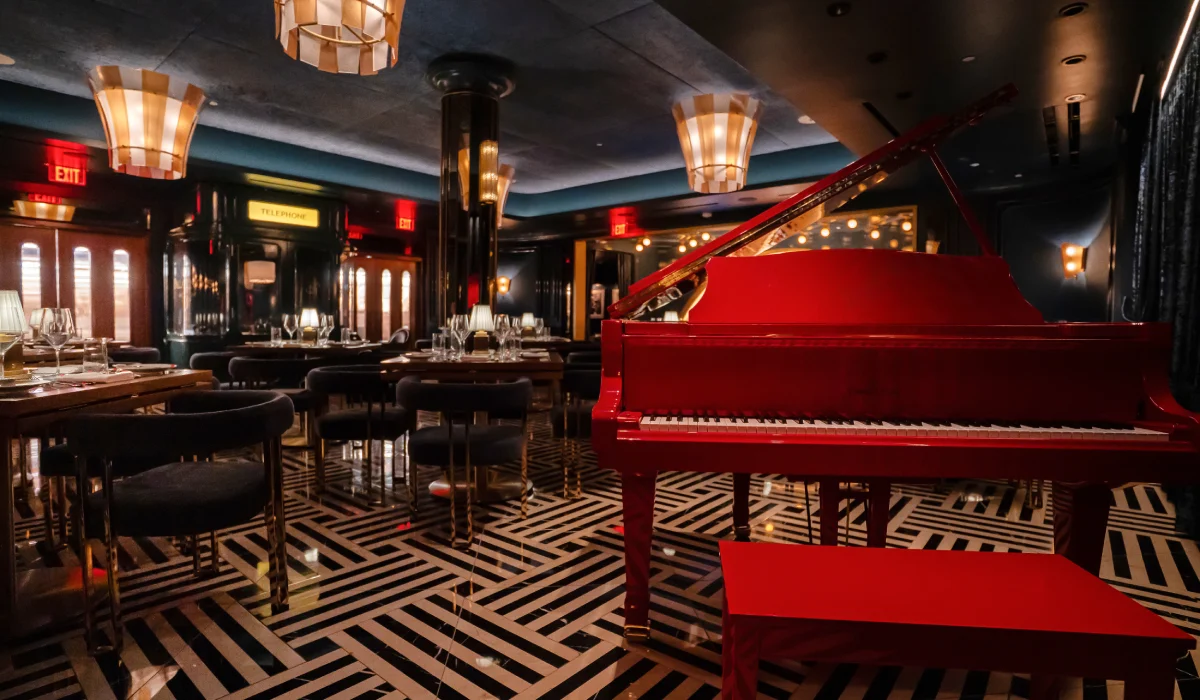
The landscape of the American steakhouse is undergoing a significant transformation, driven by a shift in consumer expectations toward more diverse, immersive, and high-frequency dining experiences. At the forefront of this evolution is Joseph Palladino, a hospitality veteran whose name has been synonymous with the Dallas fine-dining scene for nearly three decades. After playing a pivotal role in the establishment and growth of Nick and Sam’s—one of the most recognizable steakhouse brands in Texas—Palladino has embarked on a new venture that seeks to "reset" the traditional steakhouse narrative. His latest concept, Palladino’s Steak & Seafood, recently opened its doors in Dallas, following a high-profile debut in New York City’s iconic Grand Central Terminal in September 2025. This expansion marks a strategic homecoming for Palladino, blending his deep-rooted local expertise with a modernized culinary philosophy that challenges the boundaries of the classic chophouse.
A Strategic Reset: Moving Beyond the Traditional Playbook
The decision to launch a namesake brand after decades of success with Nick and Sam’s was not merely an exercise in ego, but a calculated response to the changing tastes of the modern diner. In the late 1990s, when Palladino helped launch his previous venture, the formula for a successful steakhouse was relatively rigid: premium beef, oversized side dishes, and a masculine, clubby atmosphere. While that model remains profitable, Palladino recognized an opportunity to create something more versatile—an "institution 2.0" that could serve as a destination for various occasions, rather than just a venue for special events or business dinners.
"I thought that it was a unique opportunity to push a reset button," Palladino stated during the Dallas launch. He noted that while successful brands are typically replicated to ensure consistency, his goal with Palladino’s was to innovate. This "reset" involves a departure from the "meat-and-potatoes" identity, moving instead toward a multi-disciplinary culinary approach that integrates high-end sushi, authentic Italian fare, and a robust seafood program under one roof.

Culinary Diversity as a Driver of Frequency
One of the primary business objectives behind the Palladino’s concept is increasing the frequency of guest visits. In the traditional steakhouse model, the richness of the food and the high price point often relegate the experience to a monthly or quarterly occurrence for even the most affluent diners. By diversifying the menu, Palladino aims to capture a larger share of the diner’s monthly "wallet share."
The menu at Palladino’s Steak & Seafood is designed to compete not only with other steakhouses but also with top-tier Japanese and Italian restaurants. The culinary program features:
- Premium Beef Program: While the restaurant offers traditional prime cuts, it also emphasizes Japanese Wagyu and boutique ranch selections, maintaining the core identity of a steakhouse.
- The Sushi and Raw Bar: Far from being a secondary offering, the sushi program is designed to stand independently. Highlights include yellowtail with jalapeño and ponzu, toro rolls, and innovative sushi tacos. A full caviar service and a curated raw bar further elevate the seafood offerings.
- Italian Heritage: Reflecting Palladino’s own background, the menu includes sophisticated Italian specialties such as breaded veal Milanese, Maine lobster scampi, and classic spaghetti pomodoro.
- Inventive Appetizers and Sides: The kitchen applies creative twists to staples, such as French onion soup enriched with bone marrow custard and a signature steakhouse burger topped with foie gras and rösti potatoes.
By offering this breadth, Palladino positions the restaurant as a solution for groups with varying dietary preferences. "Eventually my job is to win you over not only from your favorite steakhouse, but maybe your favorite fish or sushi or Italian restaurant," Palladino explained. This strategy reflects a broader trend in the hospitality industry where "lifestyle dining" venues—those that offer a variety of cuisines in a high-energy environment—are outperforming specialized traditional concepts.
Design and Atmosphere: The Rockwell Group Collaboration
To complement the diverse menu, Palladino sought an interior design that felt both "sexy and timeless." He partnered with the world-renowned Rockwell Group, an architecture and design firm known for creating some of the most immersive hospitality spaces globally, including Nobu and various W Hotels.

The aesthetic of the Dallas location is a modern interpretation of Art Deco. It utilizes warm lighting, rich textures, and architectural flourishes that encourage guests to "dress up" for the occasion. The design philosophy acknowledges that in the age of social media, the visual environment is as much a part of the product as the food itself. The "immersive design" elements are intended to create a sense of theater, making the restaurant a "see-and-be-seen" destination that aligns with the luxury branding of the Palladino name.
Chronology of the Brand’s Development
The trajectory of Palladino’s Steak & Seafood reflects a "top-down" market entry strategy. Rather than starting in a secondary market, Palladino chose to prove the concept on the world’s most competitive stage.
- September 2025: The brand debuts at Grand Central Terminal in New York City. This location served as a litmus test for the concept’s viability in a market saturated with historic and modern steakhouses. Operating in Manhattan required Palladino to build credibility from scratch, as his Dallas reputation did not carry the same weight in the Northeast.
- Early 2026: Following the success of the NYC flagship, construction and staffing for the Dallas location were finalized.
- Mid-2026: Palladino’s Steak & Seafood officially opens in Dallas. The homecoming is met with immediate high demand, with Palladino reporting that the restaurant has been "packed every night" since its inception.
- Future Outlook: Plans are already being discussed for internal expansion within the New York and Dallas-Fort Worth (DFW) markets, including potential suburban outposts. Following that, the brand has identified several high-growth luxury markets for expansion, including Nashville, Las Vegas, Aspen, and South Florida.
Market Analysis: The Dallas Steakhouse Landscape
Dallas is often cited as one of the most competitive steakhouse markets in the United States. With established players like Bob’s Steak & Chop House, Pappas Bros. Steakhouse, and Al Biernat’s, the entry of a new high-end competitor is always scrutinized. However, industry analysts point to the DFW region’s robust economic growth as a sustaining factor for luxury dining.
According to recent economic data, the Dallas-Fort Worth metroplex continues to lead the nation in corporate relocations and population growth, particularly among high-net-worth individuals. This demographic shift provides a steady stream of clientele for premium dining concepts. Furthermore, the "Palladino factor"—the founder’s long-standing relationships with local patrons—provides a built-in customer base that many new entrants lack.

"I felt very confident back then we would be a top steakhouse in the city of Dallas," Palladino said, recalling the launch of his previous brand. He maintains that his focus on service and "total experience" allows him to differentiate his brand even in a crowded field. The early performance data, with high covers and strong revenue in the first six weeks, suggests that the market has ample room for a concept that blends traditional luxury with modern variety.
Broader Implications for the Hospitality Industry
The success of Palladino’s Steak & Seafood serves as a case study for the "Founder-Led 2.0" movement in hospitality. As seasoned operators move on from the brands they built in the 90s and 2000s, they are increasingly opting to create "elevated" versions of their original successes rather than simple clones.
This trend highlights several key shifts in the industry:
- The Death of the "Niche" Steakhouse: Modern diners are less likely to visit a restaurant that only does one thing well. The integration of high-end sushi and Italian programs suggests that the future of fine dining is "multi-concept" under one roof.
- The Importance of Design Partnerships: Collaborating with firms like the Rockwell Group is no longer optional for high-end brands; it is a requirement for establishing a "timeless" luxury identity.
- Strategic Scalability: Palladino’s approach to growth—establishing deep roots in a market before moving to the next—contrasts with the rapid, often unstable expansion seen in private-equity-backed restaurant groups.
As Palladino’s Steak & Seafood continues to establish its footprint in Dallas, the focus remains on execution. For Palladino, the "reset" is about more than just a new menu; it is about proving that a veteran operator can reinvent himself and his industry simultaneously. With early numbers exceeding expectations and a clear path toward national expansion, the brand is positioned to become a new standard-bearer for the American steakhouse in the late 2020s.