admin
admin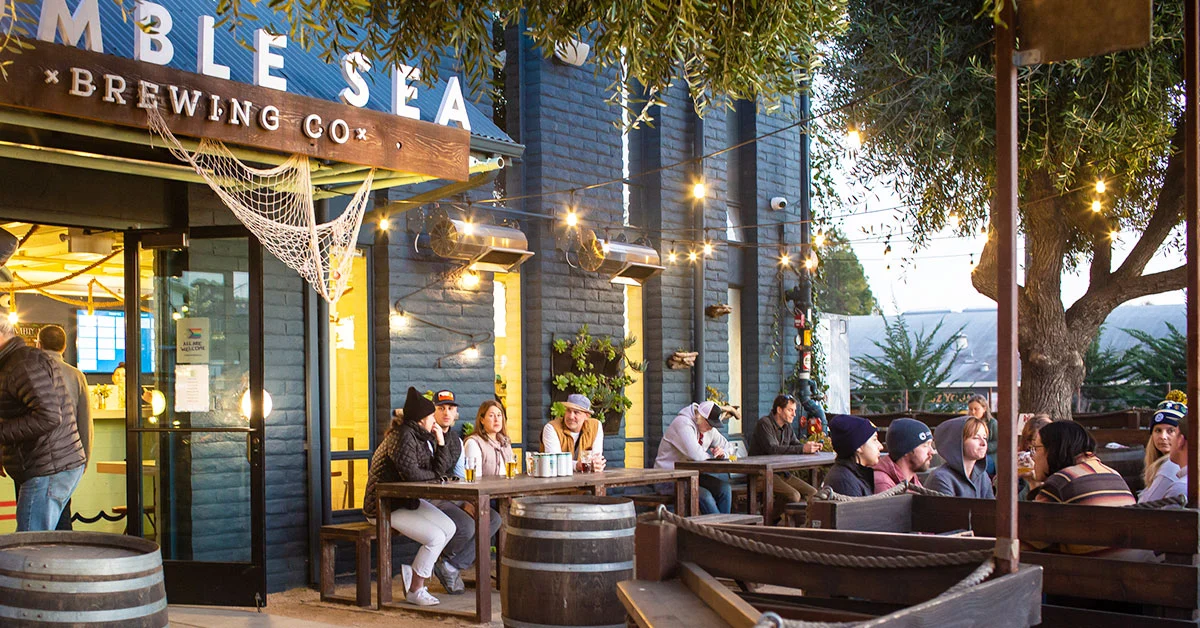
The American craft brewing industry, which for over a decade was defined by a relentless pursuit of novelty and the "chasing of whales," is currently undergoing a structural transformation as brewers recalibrate their portfolios to survive a maturing market. In an era where consumer attention spans are shorter than ever and the number of active craft breweries in the United States has surged to over 9,500, the challenge for established players like Sunriver Brewing in Oregon and Humble Sea Brewing in California is no longer just about brewing a quality pint; it is about managing the delicate tension between cutting-edge innovation and the stability of a reliable flagship brand. This shift reflects a broader industry trend toward "brand fatigue" among consumers who, after years of navigating an endless stream of limited-release hazy IPAs and experimental sours, are increasingly returning to the comfort of familiar, consistent offerings.
The Genesis of Strategy: Adapting to Local Demographics
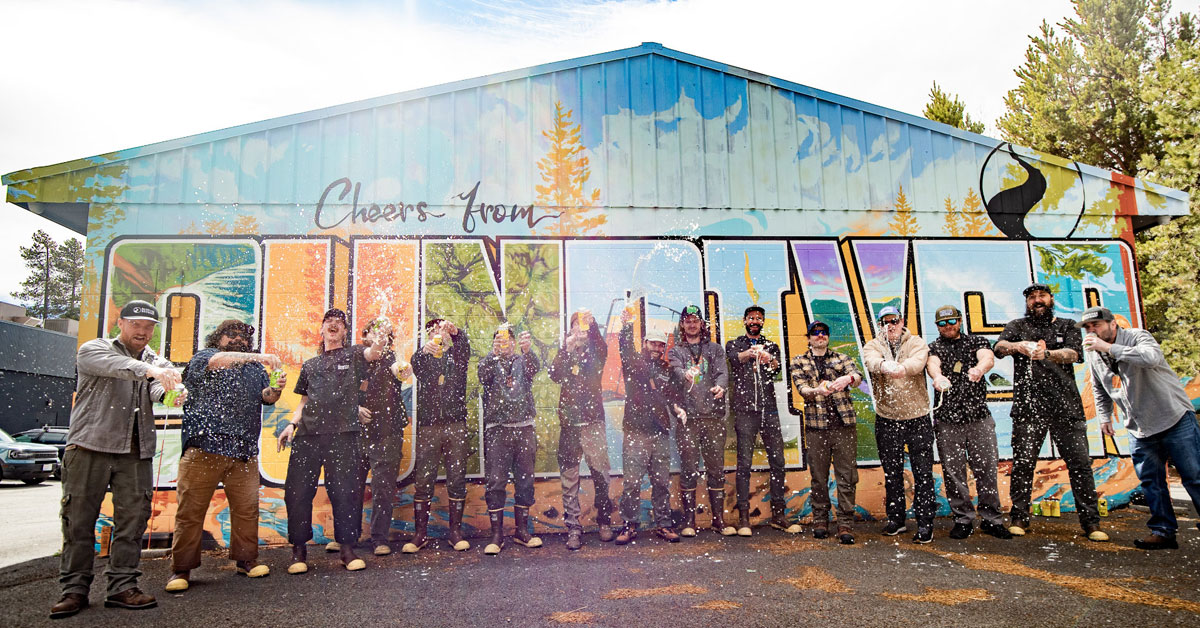
For many craft breweries, the initial business model is dictated by the immediate geography and the specific needs of the local taproom. When Sunriver Brewing launched in Central Oregon in 2014, its identity was inextricably linked to its physical location. Sunriver is a resort community with a permanent population of roughly 2,000 residents, but that number can swell to 15,000 on peak weekends as tourists flock to the region. Head brewer Brett Thomas notes that the brewery’s early portfolio was designed specifically for this transient demographic. The initial lineup consisted of what are often termed "gateway" craft styles: blonde ales, pale ales, amber ales, and stouts. These were approachable beers intended to satisfy a wide range of palates without alienating the casual drinker who might be visiting the brewery’s restaurant for a meal rather than a deep dive into fermentation science.
However, as Sunriver Brewing grew and its distribution footprint expanded through wholesalers, the brewery faced the challenge of maintaining its "pub-oriented" roots while also appealing to the "beer nerd" demographic that drives social media engagement and high-end sales. This necessitated a shift from a purely tourist-focused menu to a tiered strategy that includes everything from American light lagers for the casual drinker to barrel-aged and wild fermentation series for the connoisseur.
In contrast, Humble Sea Brewing, founded in Santa Cruz, California, in 2015, represents the opposite trajectory. Cofounder Frank Scott Krueger explains that the brewery originally intended to be a "lager-first" operation, driven by the founders’ personal passion for crisp, traditional styles. However, in 2015, the California market was not yet ready for a craft-lager revolution. To ensure financial survival—or, as Krueger puts it, to "keep the lights on"—Humble Sea pivoted aggressively toward hop-forward beers. Their "foggy" (hazy) IPAs became their calling card, placing them firmly on the map of the highly competitive California craft scene. At one point, nearly 95% of their production was dedicated to hoppy styles. Only after establishing a loyal following and building a reputation for excellence were they able to reintroduce lagers into their core rotation, which now account for approximately 30% of their output.
A Decade of Market Transformation: 2014 to 2024
To understand the current state of these breweries, one must look at the broader economic and cultural shifts within the industry over the last decade. Between 2014 and 2024, the craft beer landscape moved from a period of explosive growth to one of consolidation and "market rightsizing."
Chronology of the Craft Beer Evolution
- 2014–2016: The Haze Craze and Rapid Expansion. During this period, New England IPAs (NEIPAs) became the dominant force in the industry. Breweries like Humble Sea found that "foggy" beers drove massive engagement on platforms like Untappd and Instagram.
- 2017–2019: The Taproom Boom. Higher margins in direct-to-consumer sales led many breweries to focus on the "taproom model," de-emphasizing wholesale distribution in favor of selling pints across their own bars.
- 2020–2021: The Pandemic Pivot. The COVID-19 pandemic shattered the taproom model overnight. Breweries were forced to pivot back to packaging (cans and bottles) and rely heavily on wholesalers and grocery store shelf space to survive.
- 2022–2024: The Return to "Drinkability" and Flagships. As the economy tightened and consumer "release fatigue" set in, a noticeable shift occurred. Drinkers began seeking "crispy bois" (light lagers) and reliable flagship brands that offered consistent quality at a lower price point than expensive, one-off four-packs.
Supporting data from the Brewers Association indicates that while craft beer volume growth has slowed to nearly flat or low single digits in recent years, the "lager" category within craft has seen a resurgence. Furthermore, the IPA remains the king of the craft sector, accounting for roughly 43% of all craft beer sold in retail, though the sub-styles (West Coast vs. Hazy) continue to fluctuate in popularity.
The Multi-Channel Dilemma: Competing Agendas in Distribution
One of the most complex hurdles for a maturing brewery is managing the conflicting demands of different sales channels. Brett Thomas of Sunriver Brewing highlights the "competing agendas" that arise when a brewery moves beyond its own four walls. A wholesaler, for instance, is primarily interested in high-volume, "stack-em-high" brands that are easy to sell to grocery chains. A tavern owner might want a unique, rotating handle to keep their regulars interested. Meanwhile, the brewery’s own pub operators need a balanced menu that pairs well with food, and the brewing team itself often wants to experiment with niche styles that may have limited commercial appeal.
This tension was exacerbated by the pandemic, which proved that putting all of a brewery’s "eggs in one basket"—whether that be taproom sales or a single wholesale partner—is a dangerous strategy. The acquisition of independent wholesalers by larger conglomerates has also created volatility, as a brewery’s trusted distribution partner can suddenly change its portfolio priorities or be absorbed by a competitor, leaving the craft brand in a precarious position.
Tailoring the Experience: Regional Preferences and Micro-Markets
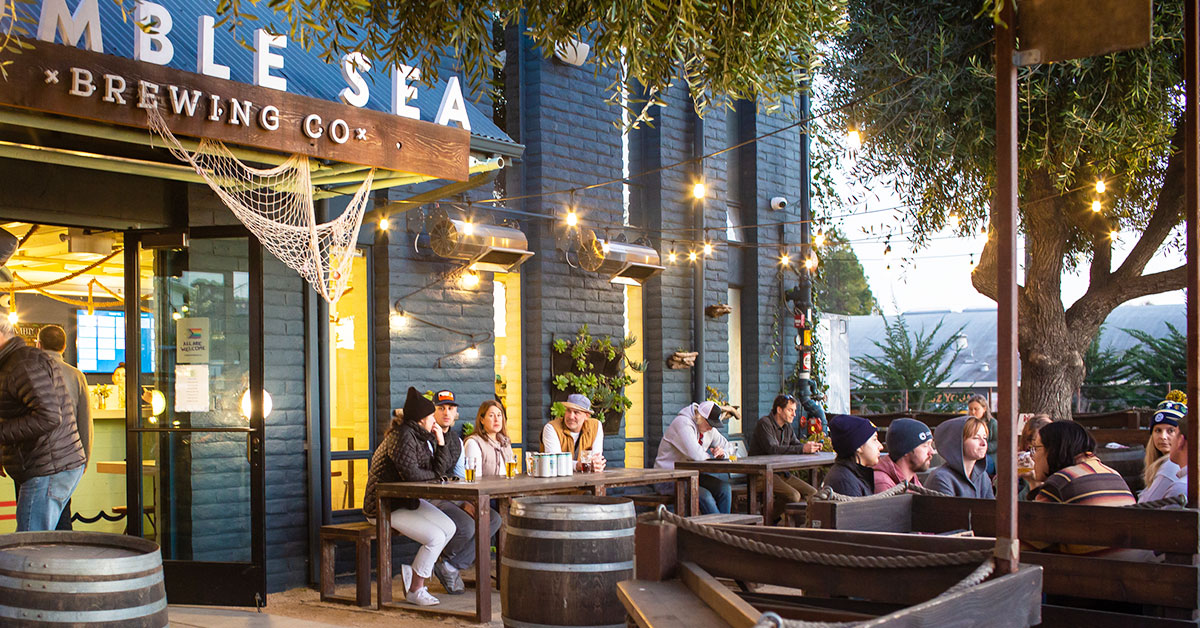
Humble Sea has addressed this complexity by tailoring its beer offerings to the specific demographics of its various taproom locations. This hyper-local strategy allows them to be "all things to all people" by leveraging data from their different sites:
- Pacifica, CA: A market that skews heavily toward traditional West Coast IPAs—bitter, clear, and piney.
- Santa Cruz, CA: A demographic that leans into the "sessionable" side of craft, favoring pilsners and lagers for beachside consumption.
- Alameda, CA: Home to a concentrated group of "beer nerds" who demand high-gravity offerings like Triple and Quadruple IPAs.
By diversifying their portfolio based on geographic data, Humble Sea can maintain its "cutting-edge" reputation while ensuring that each location serves as a community hub for casual drinkers.
The Resurgence of the Flagship: Combating Release Fatigue
Perhaps the most significant shift in the current craft beer climate is the renewed focus on the "flagship" beer. For years, the industry mantra was "new, new, new." Breweries felt pressured to release a different beer every week to keep consumers interested. However, industry experts like Jeff Alworth have noted that this focus on novelty led many breweries to neglect the very brands that built their reputation.
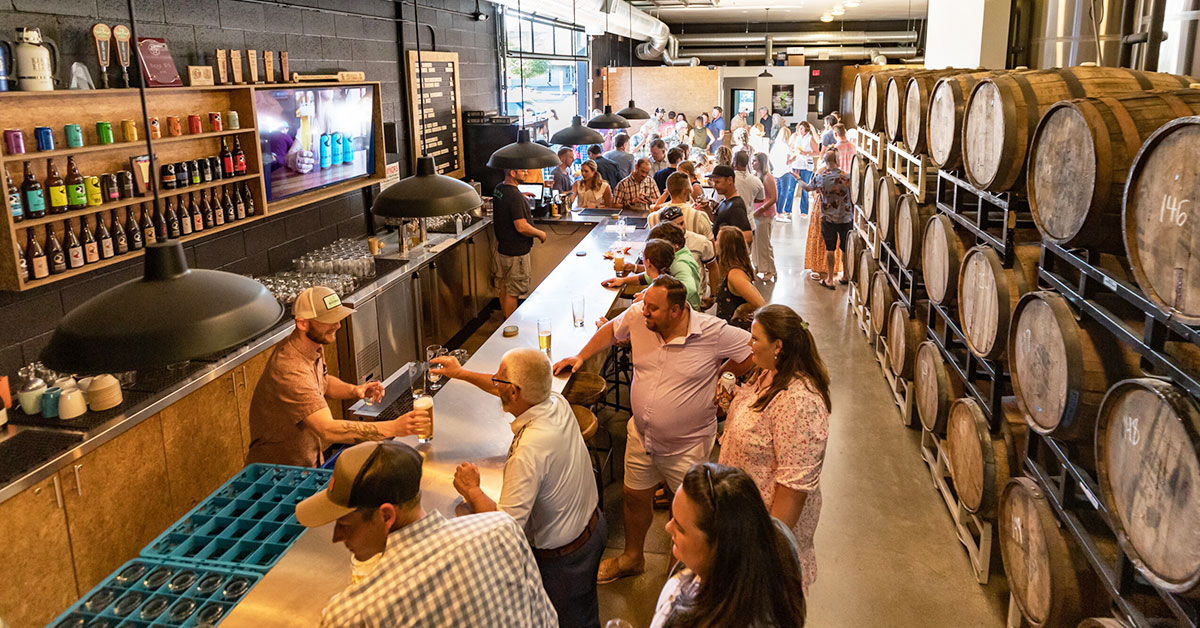
The power of nostalgia and the desire for a "reliable" pint have brought flagships back to the forefront. At Sunriver Brewing, the "Vicious Mosquito" IPA has become the cornerstone of the brand. Thomas credits wholesalers with recognizing the potential of this specific beer early on and pushing it into the market. Today, even if a consumer has never tried a Sunriver barrel-aged stout, they likely recognize the Vicious Mosquito tap handle. It provides the financial backbone that allows the brewery to fund more experimental projects.
Humble Sea experienced a similar phenomenon with "Socks & Sandals," their flagship Foggy IPA. Despite their initial desire to be a lager brewery, they embraced the fact that "Socks & Sandals" was the beer their customers demanded. As Frank Scott Krueger notes, people are increasingly looking for something "familiar and great" rather than a constant stream of experimental releases that may or may not hit the mark.
Implications for the Future of Craft Brewing
The evolution of Sunriver and Humble Sea suggests that the next decade of craft brewing will be defined by "strategic balance" rather than "rapid expansion." The implications of this shift are manifold:
- Portfolio Diversification: Breweries must move beyond beer. Sunriver’s entry into the hard seltzer market—a move Thomas admitted he would have dismissed two years ago—shows that "craft" is now defined more by the quality of the process than the specific liquid in the can.
- The Rise of "Premium" vs. "Value" Craft: We are likely to see a clearer divide between high-end, limited-release "luxury" beers and affordable, high-quality flagship lagers and IPAs meant for daily consumption.
- Operational Maturity: Successful breweries are shifting focus from "brewing art" to "business logistics," focusing on supply chain stability, wholesaler relations, and data-driven taproom management.
In conclusion, the stories of Sunriver Brewing and Humble Sea Brewing serve as a microcosm of the American craft beer movement. They illustrate a journey from idealistic beginnings to a pragmatic, sophisticated business model that respects both the "beer nerd" and the "casual tourist." As the industry continues to mature, the ability to pivot without losing one’s core identity—whether that be a love for lagers or a commitment to the local community—will be the deciding factor in which breweries survive the next decade of competition. The return to the flagship is not a step backward; it is a sign of an industry growing up, recognizing that while innovation catches the eye, consistency wins the heart (and the palate) of the consumer.