admin
admin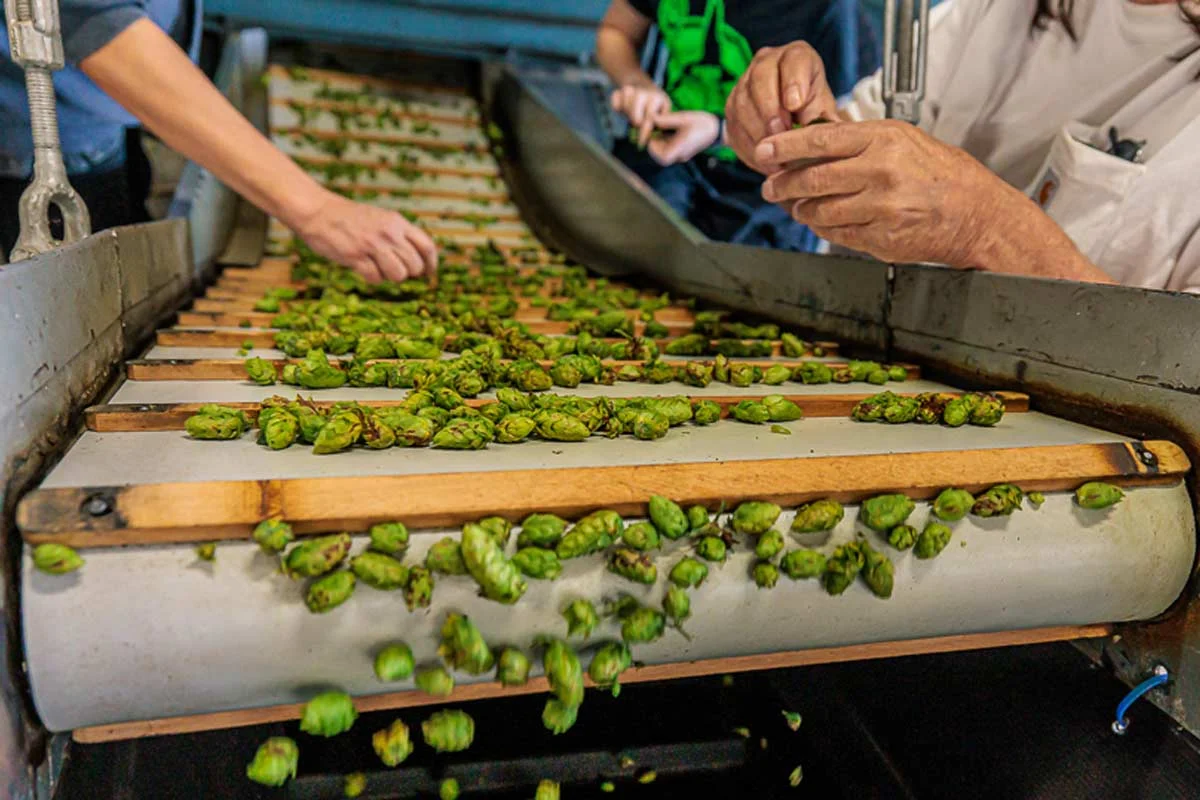
While Michigan is widely recognized as a powerhouse in the craft brewing industry, a significant portion of its agricultural foundation is built and maintained by women who often operate outside the public spotlight. As the state currently ranks number one in the Great Lakes region and number four nationally for total hop acreage, the leadership roles within this sector—ranging from greenhouse propagation and harvest coordination to scientific research and land stewardship—are increasingly held by women. This demographic shift is occurring as Michigan carves out a unique identity in a market traditionally dominated by the Pacific Northwest, leveraging its unique geography and a rigorous commitment to quality control.
The Science of the 45th Parallel and Michigan Terroir
The success of Michigan’s hop industry is rooted in a specific set of environmental requirements that the state is uniquely positioned to provide. Hops (Humulus lupulus) are famously temperamental perennials that require a precise balance of sunlight, temperature, and soil drainage. The "sweet spot" for hop cultivation is generally considered the 45th parallel north, a circle of latitude that cuts directly through the heart of Michigan. This positioning provides the long, sunny days required for rapid growth during the summer months, while also ensuring the cold winter nights necessary for the plants to enter their essential dormancy period.
Geologically, the state benefits from the legacy of glacial movements that occurred thousands of years ago. These glaciers left behind well-drained, sandy loam soils that prevent the "wet feet" condition—root rot caused by standing water—that can decimate hop yards. Unlike grapes, which grow on vines using tendrils, hops grow on bines. These bines utilize stiff, downward-pointing hairs to wrap clockwise around support structures, such as coconut coir or twine, reaching heights of over 20 feet in a single growing season. This vertical growth requires significant structural engineering and physical labor, a process that Mel Trowbridge of Top Hops Farm describes as "wrestling a jungle" during the peak of harvest.
A Chronology of Resurgence: From 2008 to the Present
The modern Michigan hop industry experienced a significant resurgence around 2008, driven by the explosive growth of the craft beer movement. Prior to this, the vast majority of American hops were sourced from the Yakima Valley in Washington and the Willamette Valley in Oregon. However, as brewers began seeking local ingredients to differentiate their products, Michigan farmers saw an opportunity to reclaim a crop that had historical roots in the state.
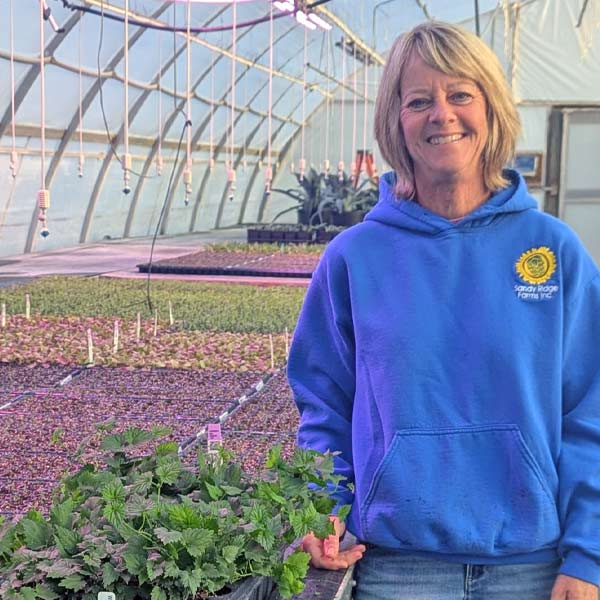
This period marked the entry of key figures like Julie Kane of Sandy Ridge Farms. With over two decades of experience in the greenhouse industry, Kane transitioned from flowering annuals to hop propagation as demand spiked. Being the first propagator in the state, Kane had to establish protocols for "starter stock" that would eventually populate hundreds of acres across the Great Lakes. This era also saw the establishment of the Clean Plant Network, a vital resource for ensuring that the mother plants used for propagation were free of viruses and viroids that could cripple an entire farm’s yield.
By the mid-2010s, the industry had matured from a collection of experimental plots into a sophisticated agricultural network. This evolution was supported by Michigan State University (MSU), which deployed experts like Erin Lizotte to provide research-backed guidance on integrated pest management (IPM). This scientific infrastructure allowed Michigan growers to navigate the challenges of downy mildew, spider mites, and the increasingly unpredictable weather patterns associated with global climate change.
The Role of Scientific Research and Institutional Support
The technical backbone of the industry is heavily influenced by female scientists and educators. Erin Lizotte, as MSU’s integrated pest management coordinator, serves as a primary consultant for growers facing crop concerns or chemical approval hurdles. Her work, in conjunction with MSU’s Plant and Pest Diagnostics lab, ensures that farmers have access to critical testing that can mean the difference between a successful harvest and a total crop loss.
In addition to pest management, researchers like Nicole Shriner at MSU are focusing on the chemical composition and sensory profiles of Michigan-grown varieties. This research is essential for establishing "Michigan Terroir"—the idea that a hop variety grown in Michigan soil under Michigan weather conditions will produce different aromatic and flavor compounds than the same variety grown elsewhere. Shriner’s work helps brewers understand the specific value of local hops, facilitating a market shift where "Michigan-grown" becomes a premium label.
Propagation and Greenhouse Management: The Foundation of the Crop
Before a hop bine ever reaches a trellis, it begins its life in a controlled greenhouse environment. This foundational stage is where Julie Kane has made her mark. Managing the extreme temperatures of a Michigan summer within a glass or plastic structure requires constant vigilance. During recent heatwaves, where temperatures inside greenhouses exceeded 100 degrees Fahrenheit, Kane and her team had to implement advanced shade cloth systems and increased fungicide applications to protect the delicate starter plants.
Kane’s experience also highlights the social evolution of the industry. In the early days of the resurgence, she recalls being overlooked in professional discussions. However, as the quality of her stock became undeniable, those barriers dissolved. Her adherence to the Clean Plant protocol—starting with virus-free mother plants and maintaining strict sanitation—set a standard for the state, ensuring that the industry’s growth was built on a healthy biological foundation.
Integrated Stewardship and the Brewery-Farm Connection
The transition from field to glass is perhaps best exemplified at Bell’s Brewery in Comstock, where Bonnie Steinman and Elizabeth Mullins manage the hop yard and broader sustainability initiatives. Steinman, a horticulturist who co-founded Hop Head Farms before joining Bell’s, emphasizes the sensory aspect of the work. Under the mentorship of industry veterans like John Mallett, she developed a rigorous daily practice of "rubbing and smelling" cones to identify the precise moment of peak oil content.
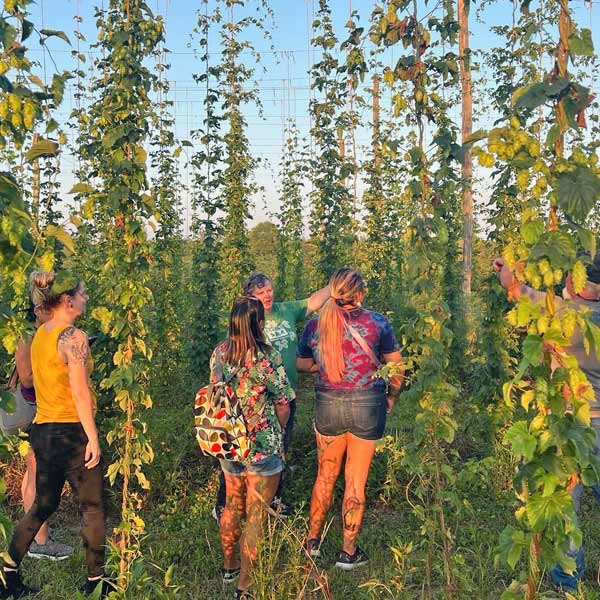
This stewardship extends beyond production to education and community building. Steinman and Mullins manage "The Hideaway," a lush gathering space within the hop yard designed to immerse visitors in the environment of the bines. By hosting organizations like the Pink Boots Society—a group dedicated to supporting women and nonbinary professionals in the beverage industry—they are actively working to increase the visibility of women in the agricultural side of brewing.
Industrial Precision and Quality Control in the Field
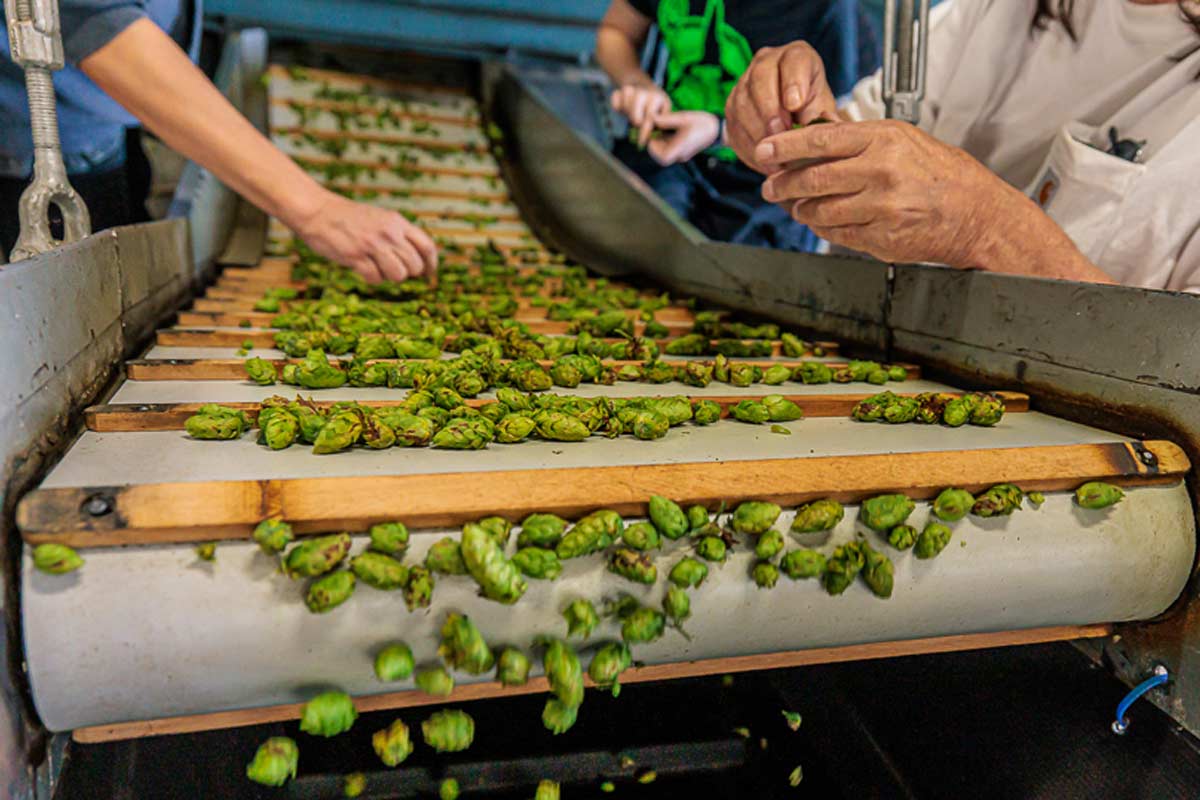
While some aspects of hop farming are romanticized, the reality of harvest is an exercise in logistics and engineering. Mel Trowbridge, a former automotive engineer, has applied the principles of quality control and process-driven operations to Top Hops Farm. Her approach involves structured training, task rotation, and daily debriefs—methods borrowed from the manufacturing floor to ensure efficiency and safety during the high-pressure harvest window.
Trowbridge’s role as an orchestrator is critical during the narrow timeframe when hops must be picked, dried, and baled. If the harvest is delayed or if the drying temperature is inconsistent, the delicate essential oils that provide beer with its aroma can be lost. Her engineering background allows her to manage these variables with a level of precision that is becoming the standard for the industry as it moves toward greater commercialization.
The Identity of the Michigan Chinook
Central to Michigan’s bid for market independence is the Chinook hop. While Chinook is grown in the Pacific Northwest, the Michigan-grown version has gained a reputation for a distinct flavor profile characterized by pineapple and bright citrus, rather than the piney, resinous notes typical of Washington crops.
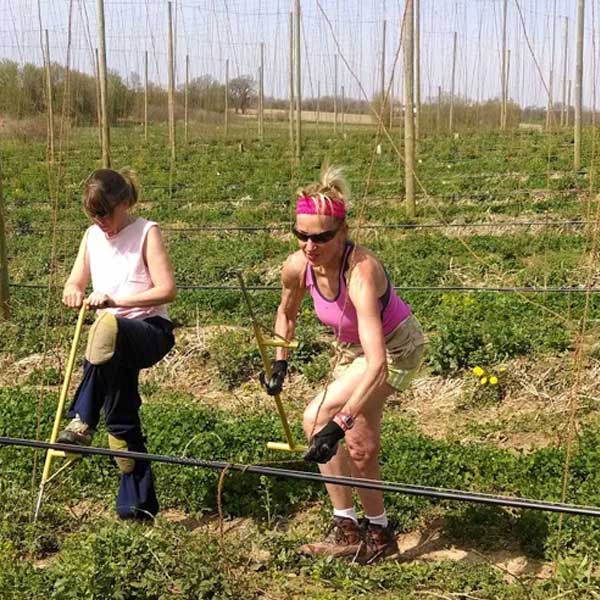
Rose Stahl of Mr. Wizard’s Hops has been a key advocate for this variety. Through her work with the Hop Growers of Michigan and the organization of the "Chinook Cup," she has helped create a platform for growers to showcase the best of the state’s harvest. Stahl’s entry into the industry—born from the necessity of replacing a ruined cornfield—reflects the resilience of Michigan’s family farms. Her ten-year journey from a "test row" to a commercial operation mirrors the trajectory of the state’s industry as a whole.
Economic Impact and the Future of the Industry
The implications of women’s leadership in Michigan hops are both economic and cultural. According to Amy Tennis of the Michigan Hop Alliance, women often manage the "invisible" but essential aspects of the business, including grant writing, financial management, and regulatory compliance. This administrative labor is what allows farms to survive market contractions and labor shortages.
As the craft beer market matures, the industry faces challenges such as oversupply in certain varieties and the increasing costs of labor and energy. However, the focus on quality over quantity—championed by the women profiled—is seen as the path forward. By carving out a niche based on unique sensory profiles (terroir) and rigorous scientific standards (clean plants and IPM), Michigan is positioning itself not as a competitor to the Pacific Northwest, but as a distinct and necessary alternative.
The broader impact of this work is the creation of a more inclusive and resilient agricultural sector. As women continue to move from the "behind the scenes" roles into visible leadership positions, they are reshaping the narrative of who grows the ingredients that define the American craft beer experience. The success of the Michigan hop industry is no longer a question of if women are involved, but rather how their involvement will continue to drive the state’s reputation for agricultural excellence and brewing innovation.