admin
admin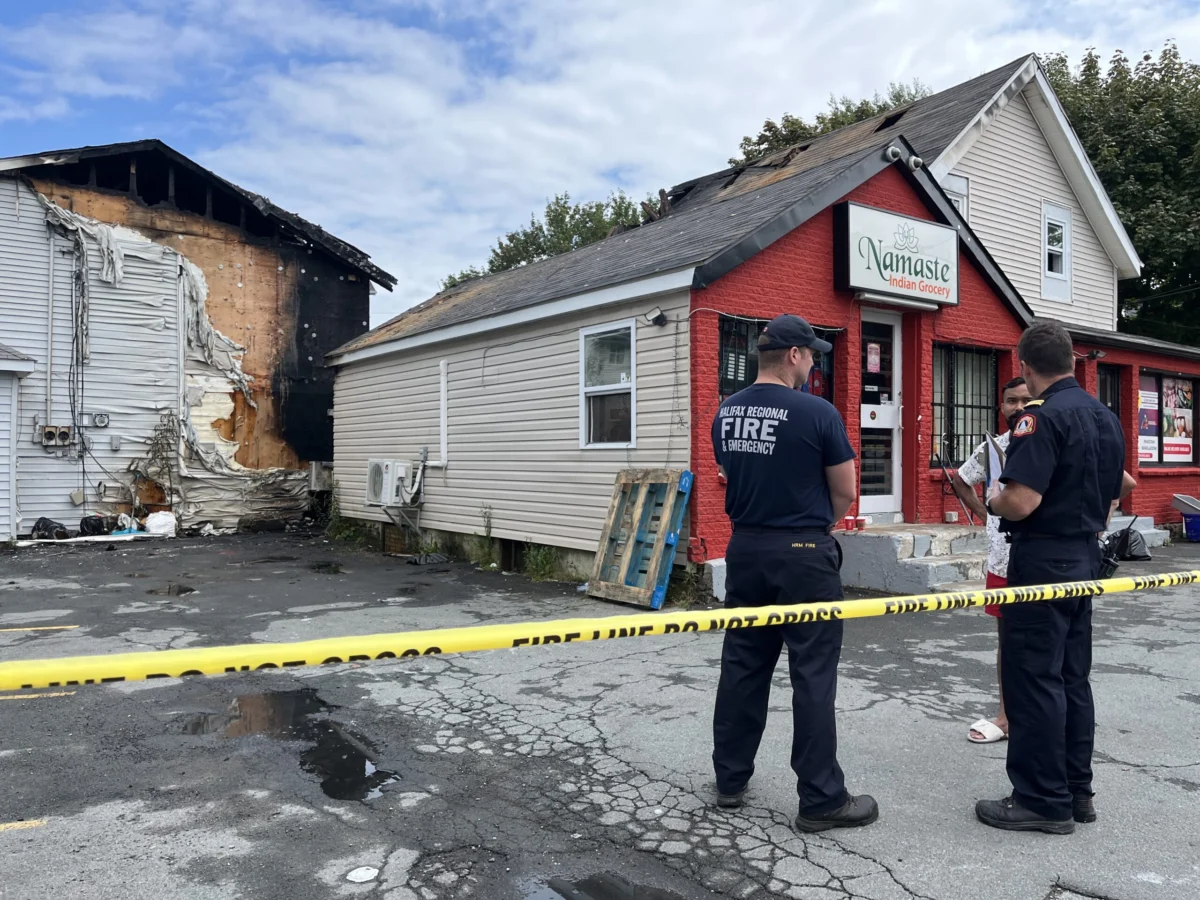
Halifax, Nova Scotia – The serenity of the Halifax region has been significantly disrupted this week following two separate, destructive structure fires that have left multiple residents without homes and severely impacted a local business. These incidents underscore the sudden and profound vulnerability of urban communities to unforeseen disasters, prompting a broader discussion on emergency preparedness and community resilience. The fires, occurring within days of each other, have ignited an immediate outpouring of concern and action, even as official investigations into their causes remain underway.
The Dartmouth Blaze: A Community Rocked on Gaston Road
The most extensive of the two incidents unfolded on Monday evening, engulfing a complex of buildings on Gaston Road in Dartmouth. The inferno, which swiftly escalated to a second-alarm response, ultimately destroyed three residential units and severely damaged a commercial establishment, leaving a stark scene of devastation. Fire crews, alerted to heavy smoke visible from a distance, arrived to confront a raging blaze, testament to its rapid spread and intensity.
Meet Chauchan, a tenant in one of the affected residential units, recounted the harrowing experience of returning home to find his building consumed by flames. "I was just thinking (off the) top of my head about my passport and most of my documents and I was thinking like what will be happening next," Chauchan shared, encapsulating the immediate, disorienting shock of losing one’s essential belongings and sense of security. Like many of his neighbours, he now faces the daunting task of assessing the full extent of his losses and navigating the path forward in the wake of such a sudden displacement. The emotional toll of such an event is often as profound as the material losses, with residents grappling not only with the immediate need for shelter but also the psychological impact of seeing their personal histories and possessions reduced to ashes.
Assistant Chief Sherry Dean of Halifax Regional Fire and Emergency elaborated on the operational challenges faced by firefighters. "Our crews could see heavy smoke in the distance and they upgraded to a second alarm. So when they arrived, they did encounter heavy smoke and heavy fire," Dean stated, highlighting the rapid deployment and coordinated effort required to contain such a significant incident. The main body of the fire, investigators later determined, was primarily contained to the three rear residential units, situated directly behind the commercial structure, which nonetheless sustained extensive damage from heat, smoke, and water.
Namaste Indian Grocery: A Business Forced to Relocate
The commercial heart of the affected complex was Namaste Indian Grocery, a beloved local establishment that has served the Dartmouth community for six years. Owner Amal Dev surveyed the wreckage of his storefront with a mixture of grief and resolve. "I don’t think we can run again. I think the building structure is almost gone. So I have to find out a new location," Dev lamented, acknowledging the insurmountable damage that necessitates a complete relocation. This sentiment underscores the fragility of small businesses in the face of disaster, where a single event can erase years of dedicated effort and community building.

Despite the monumental setback, Dev expressed a steadfast commitment to his employees and customers. "We’ll come back stronger with the Namaste Grocery. It’s been six years, so soon we’ll find out a good location and we’ll open," he affirmed, demonstrating a commendable spirit of resilience. His immediate focus, however, extends beyond his own business recovery. "I have to support them because there’s a lot of family that depend on the store," Dev emphasized, referring to his staff whose livelihoods are now directly impacted. This concern for his team highlights the ripple effect of such incidents, extending beyond property damage to the economic stability of individuals and families. The loss of a local grocery store, particularly one specializing in ethnic foods, also represents a blow to the community’s cultural fabric and access to specific goods, impacting a broader customer base that relied on its unique offerings.
As investigators continued their meticulous work on Tuesday morning, sifting through the debris to determine the exact cause of the Gaston Road fire, the community rallied. The Canadian Red Cross and other local support organizations typically step in immediately to provide emergency shelter, food, clothing, and comfort to displaced residents. These efforts are critical in the initial hours and days following such a traumatic event, offering a vital safety net for those who have lost everything. The City of Halifax’s emergency services also play a crucial role in coordinating these efforts, ensuring that resources are allocated efficiently and effectively to those most in need.
The South Park Street Apartment Fire: A Weekend of Loss
The Dartmouth incident followed closely on the heels of another significant residential fire just two days prior, on Saturday, impacting an apartment building on South Park Street in Halifax’s densely populated south end. This blaze, which originated in an eighth-floor unit, caused extensive damage and led to the displacement of at least one tenant, further straining the region’s emergency response capabilities and highlighting the pervasive risk of urban fires.
Divya Chainani, the tenant of the unit where the South Park Street fire ignited, recounted her terrifying experience. "I just had my breakfast and came back and I just saw the room on fire," she recalled, describing the sudden and terrifying onset of the conflagration. The fire spread rapidly through her apartment, leaving her with virtually nothing. "The world that I had built, now it’s all gone so I have to like literally start from ground zero. I don’t even have a suitcase with me right now. I got nothing. I literally ran without even a phone," Chainani articulated, her words conveying the profound sense of loss and helplessness that accompanies such an event. The complete and instantaneous eradication of personal belongings, sentimental items, and essential documents presents an overwhelming challenge, forcing individuals to rebuild their lives from scratch with minimal resources.
High-rise apartment fires present unique challenges for fire departments, requiring specialized equipment and protocols for vertical ventilation, evacuation, and water delivery to upper floors. The successful containment of the South Park Street fire to a single unit, despite the significant damage within that unit, speaks to the efficacy of the building’s fire safety systems and the swift action of Halifax Regional Fire and Emergency crews. However, the emotional and practical aftermath for individuals like Divya Chainani remains immense.
Broader Implications: Housing, Economy, and Community Resilience
These two significant fires within a short span of time highlight several critical issues facing the Halifax region. Firstly, the immediate displacement of residents exacerbates an already strained housing market. Halifax has been experiencing a significant housing crisis, characterized by low vacancy rates and rapidly escalating rental costs. Finding alternative, affordable accommodation for displaced individuals and families, especially those without renter’s insurance or extensive support networks, becomes an arduous task. Community organizations, housing advocates, and municipal services often face immense pressure to identify suitable temporary and long-term housing solutions, a challenge made more complex by the ongoing influx of new residents to the city.

Secondly, the economic impact on businesses like Namaste Indian Grocery extends beyond the immediate loss of property. Small businesses are often pillars of their local communities, providing employment, services, and contributing to the local economy. The forced closure and relocation can lead to loss of revenue for the owner, unemployment for staff, and a gap in services for customers. The process of rebuilding or relocating can be lengthy and financially taxing, often requiring significant capital investment, navigating insurance claims, and securing new permits and leases. Government support programs for small business recovery following disasters are often crucial in helping these enterprises regain their footing.
From a community resilience perspective, these events serve as powerful reminders of the importance of robust social support networks. Neighbours helping neighbours, local charities mobilizing resources, and community leaders offering guidance are all vital components of an effective post-disaster response. The solidarity demonstrated by residents and business owners, such as Amal Dev’s commitment to his employees, showcases the underlying strength of the Halifax community in times of adversity.
Fire Safety: A Renewed Call for Vigilance
While officials have indicated that these two fires are not part of a broader, escalating trend, they nonetheless serve as a potent reminder of the perpetual need for vigilance regarding fire safety. Assistant Chief Sherry Dean reiterated essential fire prevention measures that all residents should meticulously observe. "Make sure they have things like working smoke detectors, that they sure ensure fire extinguishers are working if they have them, and that they understand an escape route," Dean emphasized.
These recommendations, while seemingly basic, form the cornerstone of fire safety protocols.
- Working Smoke Detectors: It is critical for every home, apartment, and commercial space to have properly installed and regularly tested smoke detectors. Batteries should be changed bi-annually (e.g., with daylight saving time changes), and units should be replaced every 10 years. In multi-unit buildings, interconnected alarms ensure that if one alarm sounds, all others in the building are activated, providing maximum warning time.
- Fire Extinguishers: For those who have them, knowing how to properly use a fire extinguisher (PASS: Pull, Aim, Squeeze, Sweep) and ensuring it is regularly inspected and easily accessible can make a crucial difference in containing small fires before they escalate.
- Escape Routes: Every household and business should have a clear, rehearsed fire escape plan, including at least two exits from every room and a designated safe meeting point outside. Practicing these drills, especially with children or individuals with mobility challenges, is paramount. Understanding building layouts and emergency exits is especially important in multi-story residential and commercial structures.
- Electrical Safety: Overloaded circuits, damaged cords, and improper use of extension cords are common causes of electrical fires. Regular inspection of wiring and appliances, and avoiding the use of faulty equipment, can prevent many incidents.
- Cooking Safety: Unattended cooking is a leading cause of residential fires. Staying in the kitchen while cooking, keeping flammable materials away from stovetops, and having a lid or fire extinguisher readily available can prevent cooking-related blazes.
- Heating Safety: During colder months, improper use of space heaters, fireplaces, and furnaces can pose significant risks. Ensuring heating systems are regularly maintained, keeping combustible materials away from heat sources, and never leaving space heaters unattended are crucial.
- Candle Safety: Open flames from candles should always be kept away from flammable items, placed on stable surfaces, and never left unattended.
The causes of both the Gaston Road and South Park Street fires remain under active investigation by Halifax Regional Fire and Emergency officials. Determining the origin and cause of fires is a complex process that involves forensic analysis, witness interviews, and meticulous examination of the fire scene. The findings from these investigations are crucial not only for insurance purposes but also for informing future fire prevention strategies and potentially influencing building codes and public safety campaigns.
As the Halifax region grapples with the aftermath of these devastating events, the focus remains on supporting the displaced residents and impacted businesses, while simultaneously reinforcing the vital importance of fire safety education and preparedness. The resilience of the community will be tested in the coming weeks and months, but the collective response thus far demonstrates a strong commitment to recovery and mutual aid.