admin
admin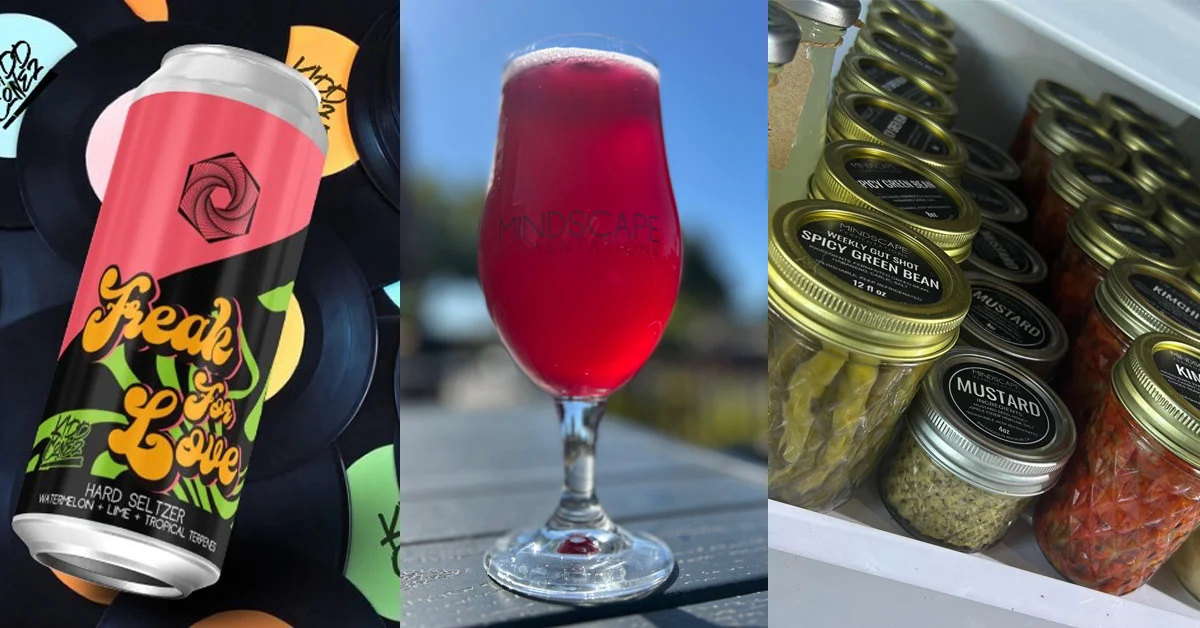
The traditional definition of a brewery as a mere production facility for malt-based alcoholic beverages is undergoing a fundamental transformation as owners navigate a tightening economic climate and shifting consumer preferences. While the last decade saw breweries expand into lifestyle destinations by adding coffee shops, coworking spaces, and boutique lodging, a new wave of innovation is redefining the structural and conceptual boundaries of the industry. Today, breweries are increasingly integrating into communal "third places," sharing industrial infrastructure to mitigate rising costs and diversifying their biological output to include a wide array of fermented products beyond traditional beer. This evolution reflects a broader trend in the global craft sector: the transition from isolated manufacturing units to multifaceted cultural anchors that prioritize sustainability, collective resilience, and inclusivity.
The Economic Necessity of Innovation in the Craft Sector
To understand the current shift toward collaborative and diversified models, one must examine the macroeconomic pressures facing the industry. According to data from the Brewers Association, while the number of craft breweries in the United States reached an all-time high of over 9,500 in recent years, the rate of growth has slowed significantly compared to the "boom" years of 2010–2018. Rising costs for raw materials—driven by climate-impacted hop harvests and fluctuating grain prices—combined with increased labor costs and a crowded retail market, have forced many small-to-medium enterprises (SMEs) to rethink their overhead.
In Europe, the situation is mirrored by energy price volatility and a post-pandemic shift in social habits. The "taproom-first" model, which relies on high-margin on-site sales, remains the gold standard for profitability, but the barrier to entry for new brewers has risen. In response, entrepreneurs are looking toward shared economies and community-integrated real estate to lower risk and maximize social capital.
The Tiers-Lieu Model: Integration over Isolation
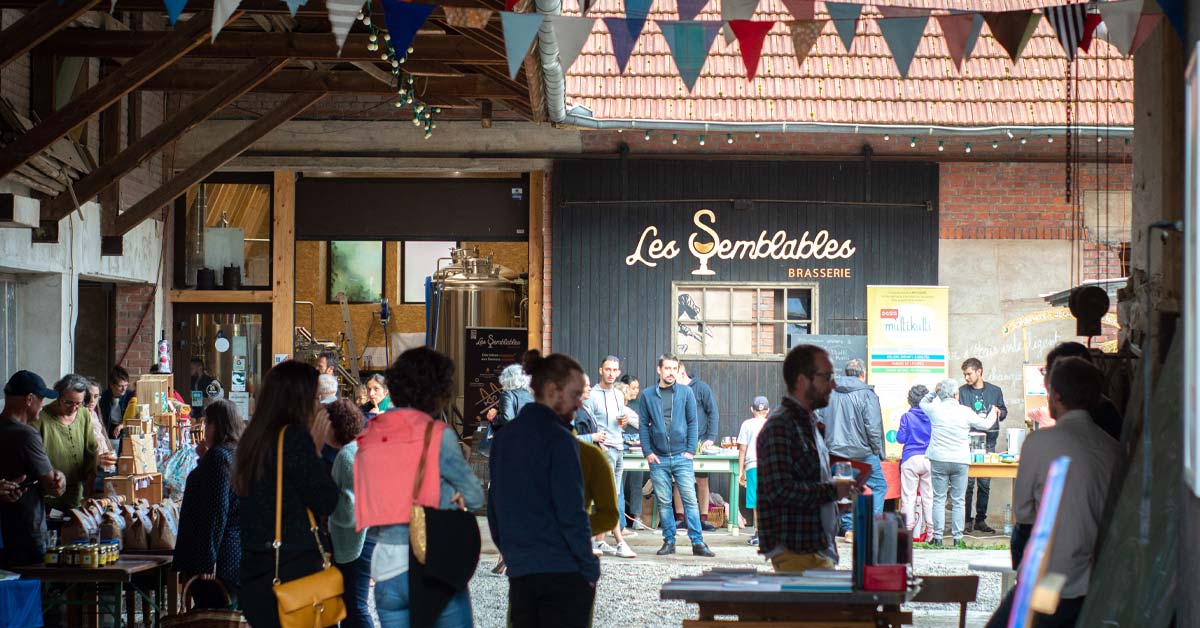
A prominent example of this strategic shift is found in the "tiers-lieu" or "third place" movement, particularly in France. The concept, popularized by sociologist Ray Oldenburg, refers to social surroundings separate from the two primary environments of home and work. In the village of Mietesheim, Alsace, Brasserie Les Semblables has pioneered a model that eschews the traditional industrial park location in favor of a collective agricultural and cultural hub.
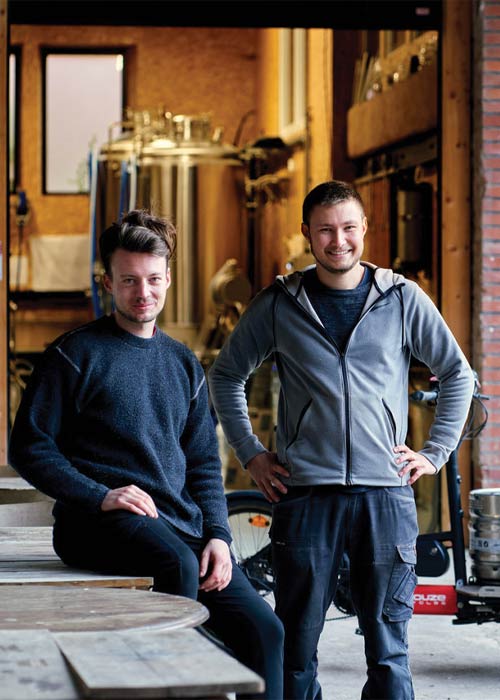
Founded by Eliott Pernelle and Etienne Voinson, Brasserie Les Semblables operates within Oasis Multikulti, a tiers-lieu established on a repurposed historic farm. This environment provides the brewery with an immediate, diverse audience that visits the site for pottery classes, community gardens, and farmers’ markets.
A Chronology of Community Integration:
- Initial Concept (Pre-2020): Pernelle and Voinson identify the limitations of "lost" industrial brewing sites.
- Site Selection (2021): The duo chooses Oasis Multikulti, settling in former stables.
- Operational Integration (2022-Present): The brewery functions as both a commercial entity and a communal contributor, with the owners volunteering time to manage the collective’s digital presence.
This model transforms the brewery from a destination for enthusiasts into a staple of local life. The trade-off for lower isolation and higher foot traffic is a commitment to the collective good. "We wanted to be in this type of community space… to do something together," Pernelle noted, highlighting that the strength of the location is a resource that would have been unattainable for a standalone startup starting from scratch.
Collaborative Brewing: Reviving the Shared Brewhouse
The concept of shared resources is not a modern invention but a revival of historical communal practices. In the Oberpfalz region of Bavaria, the tradition of Zoiglbier has existed for centuries. In this system, a town owns a communal brewhouse (the Kommunbrauhaus), and citizens hold "brewing rights" to produce beer for their own consumption or for sale in their homes on a rotating basis. This tradition was recognized by UNESCO as Intangible Cultural Heritage in 2018, underscoring the cultural value of shared industrial assets.
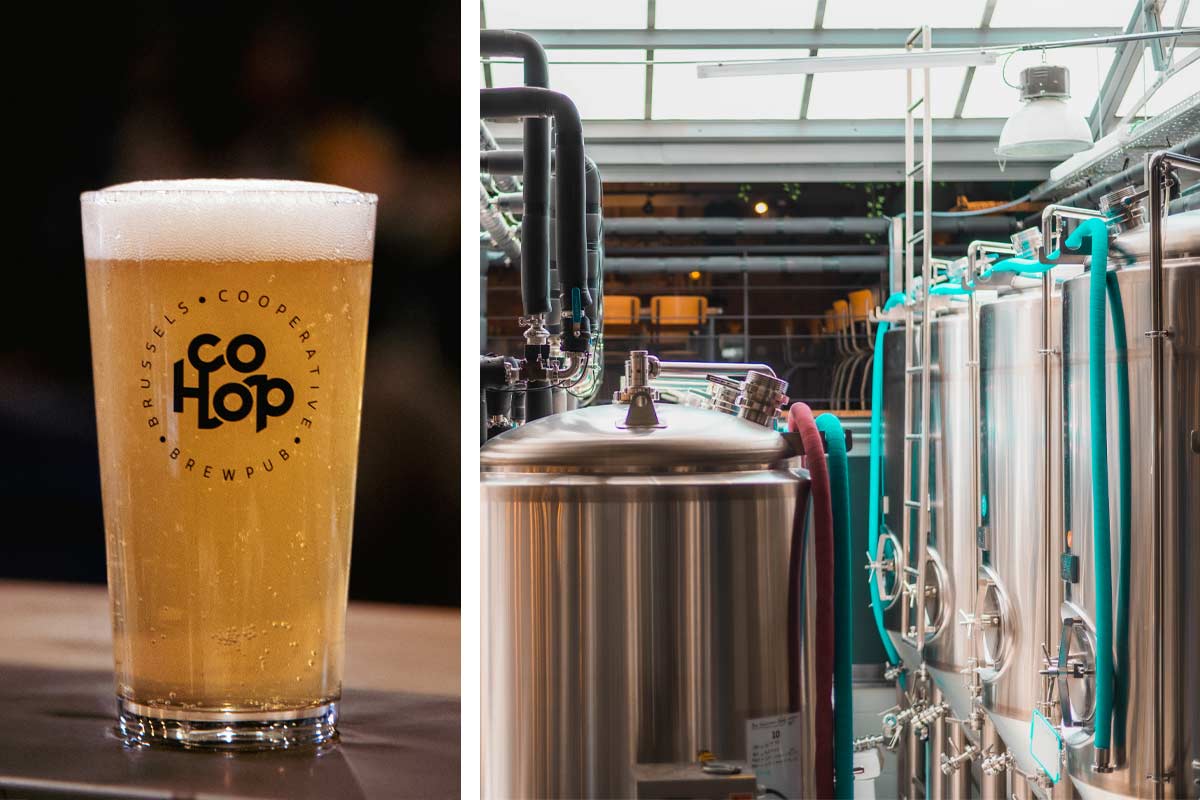
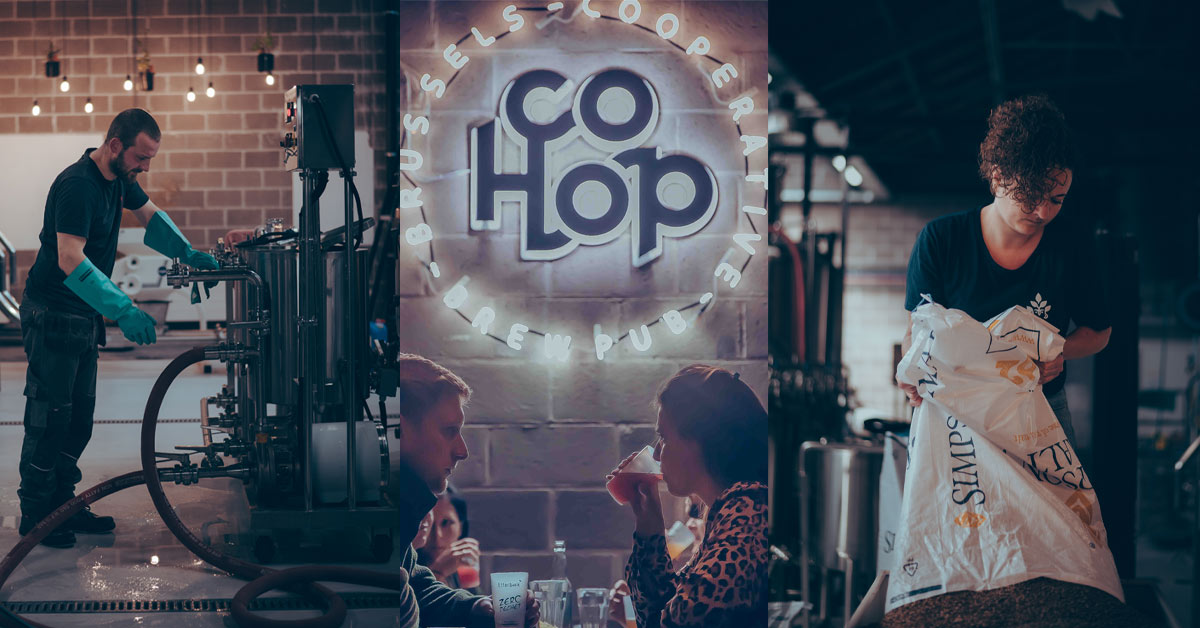
Modern urban brewers are now adapting this centuries-old logic to survive the 21st-century market. In Brussels, the CoHop project represents a sophisticated evolution of the contract-brewing model. Traditionally, contract brewing allows a brand to pay a larger facility to produce its recipes, but it often lacks the personal touch and branding of a physical taproom. CoHop, which opened in 2021, allows five distinct breweries—La Bagarre, Janine, 1Bière 2Tartines, La Flaque, and Brasserie Witloof—to share a single high-end brewhouse and taproom while maintaining separate identities.
The Logistics of Shared Production:
To maintain order among five competing yet collaborating teams, CoHop utilizes a structured division of labor:
- Schedule Management: One brewery oversees the complex brewing calendar.
- Procurement: Another manages the bulk ordering of malt, hops, and yeast to leverage economies of scale.
- Maintenance: A third team is responsible for the technical upkeep of the shared hardware.
- Value-Added Synergy: The onsite bakery (Janine) provides bread for the restaurant, while the taproom serves a rotating selection of all five brands.
Rémi Pequin, coordinator of CoHop, argues that this model is the only logical path forward for many microbreweries. By sharing a single brewhouse instead of five, the environmental footprint is significantly reduced, and the economic risk is distributed across multiple partners.
Beyond the Grain: The Rise of the Fermentarium
While some brewers are changing where and how they brew, others are fundamentally changing what they ferment. The emergence of the "fermentarium" or "fermentery" marks a departure from beer-centricity toward a broader exploration of microbiology. This trend is driven by two factors: a desire for creative freedom and the need to appeal to a demographic that is increasingly health-conscious or uninterested in high-alcohol beverages.
In Rocklin, California, Mindscape Fermentations exemplifies this new "fermentation-forward" identity. Co-founders Lauren Price and Lauren Houston deliberately chose to move beyond the "brewery" label to signal a wider range of products, including kombucha, fermented foods, and seltzers.
Market Analysis: The "Beyond Beer" Expansion
The global kombucha market is projected to grow at a CAGR of over 15% through 2030, while the "low and no" alcohol sector has seen double-digit growth in mature markets like the UK and US. By positioning themselves as fermenters rather than just brewers, businesses like Mindscape Fermentations, Fox Tale Fermentation Project (San Jose), and Fermentery Form (Philadelphia) are insulating themselves against a potential decline in traditional beer consumption.
Houston noted that this diversification has a direct impact on taproom demographics. While traditional breweries often struggle to attract a gender-balanced crowd, Mindscape reports seeing nearly double the amount of female patrons compared to industry averages. The focus on sustainability, health-conscious alternatives, and education-based service allows these establishments to capture a "wellness" market that was previously alienated by the "beer hall" aesthetic.
Strategic Implications and Future Outlook
The reimagining of the brewery concept suggests several long-term implications for the hospitality and manufacturing sectors:
1. Resilience through Diversification:
By producing kombucha, cider, and fermented foods alongside beer, breweries can hedge against supply chain disruptions in specific commodities (like a bad hop harvest) and adapt to seasonal changes in consumer behavior.
2. Social Sustainability:
Integration into community hubs like the French tiers-lieu model ensures that breweries remain relevant even as drinking habits change. They become essential infrastructure for social cohesion rather than just luxury alcohol providers.
3. Reduced Barriers to Entry:
Shared models like CoHop provide a blueprint for young entrepreneurs to enter the market without the multi-million dollar capital expenditure typically required for a professional-grade brewhouse.
4. Educational Consumption:
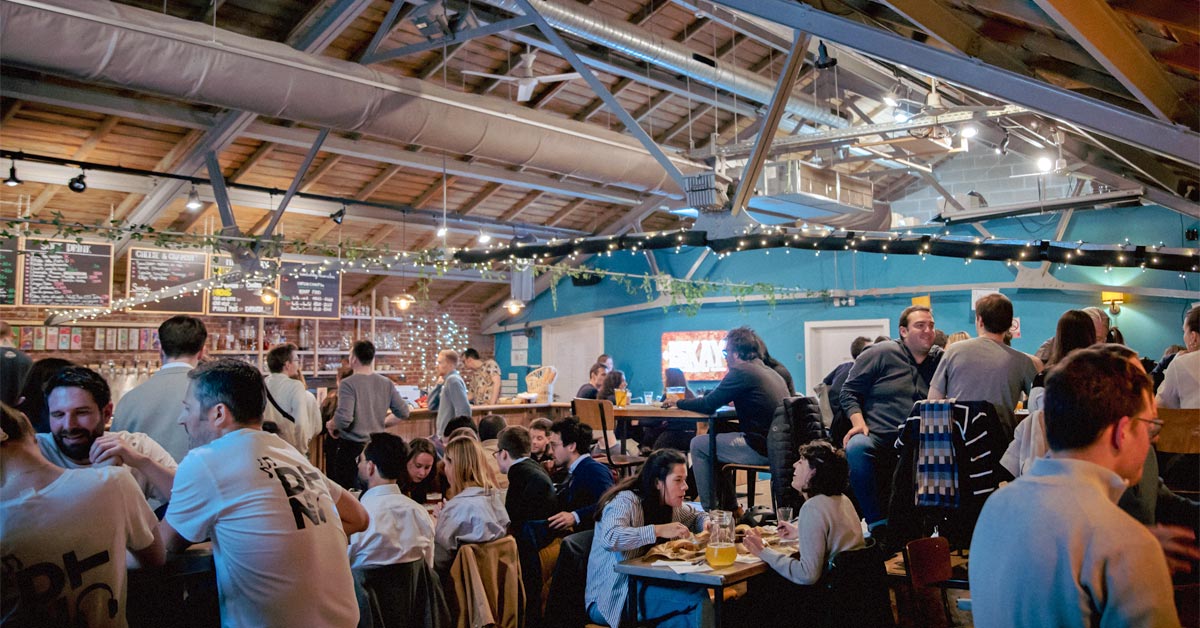
The "fermentarium" model requires a more engaged, education-based service style. This shifts the consumer relationship from passive consumption to active learning, fostering brand loyalty and justifying premium price points.
As the craft beer industry matures, the "lone wolf" brewery model—isolated in an industrial park with a singular focus on IPAs—is becoming increasingly precarious. The success of ventures like Brasserie Les Semblables, CoHop, and Mindscape Fermentations suggests that the future of the industry lies in the "collective." Whether through shared vats, shared roofs, or a shared passion for the broader world of fermentation, these businesses are proving that in a volatile economy, the most successful way to stand out is often to stand together.
The brewery of 2025 and beyond is no longer just a place where beer is made; it is a community laboratory, a shared industrial resource, and a cultural anchor. This evolution ensures that while the contents of the glass may change, the brewery’s role as a vital "third place" remains secure.