admin
admin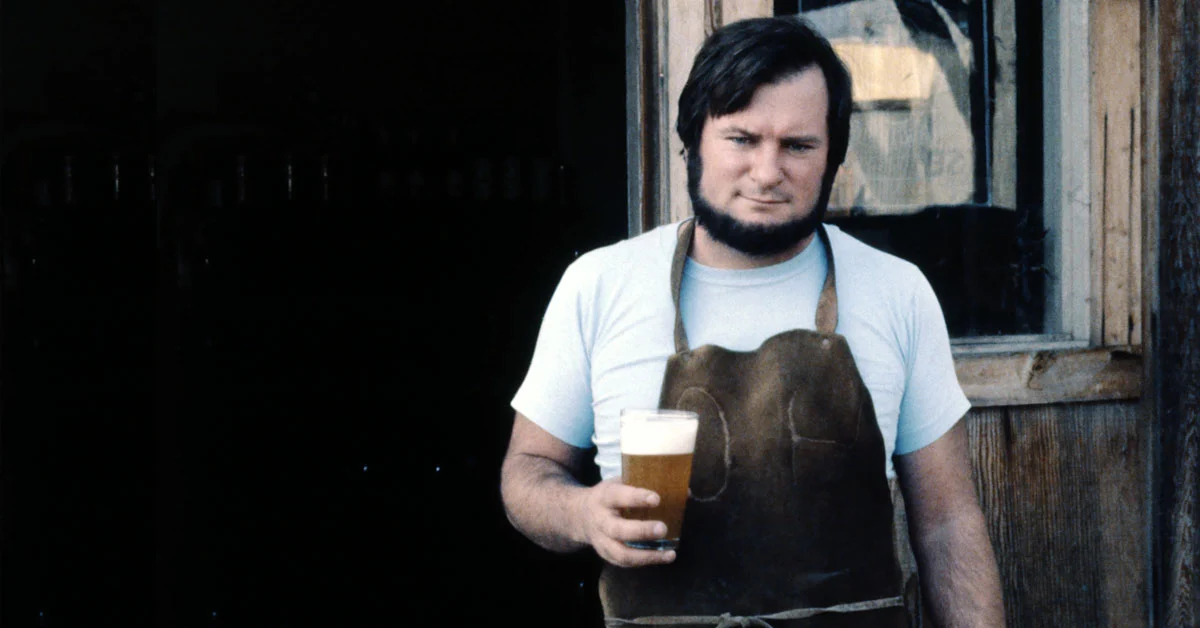
The passing of Jack McAuliffe in July at the age of 80 marks the conclusion of a chapter for one of the most influential figures in the history of American beverage production. While his name may not carry the same immediate brand recognition as the corporate giants of the beer industry, McAuliffe is widely credited by historians and industry leaders as the primary architect of the modern craft brewing movement. As the founder of New Albion Brewing Company in 1976, he established the first "microbrewery" in the United States since the era of Prohibition, effectively dismantling the notion that beer production was the exclusive domain of multi-billion-dollar conglomerates. His life’s work served as the structural and philosophical blueprint for an industry that now encompasses over 9,500 independent breweries across the nation.
The Genesis of a Revolution: From Scotland to Sonoma
The origins of the American craft beer movement can be traced back to the 1960s, during McAuliffe’s service in the United States Navy. While stationed in Scotland, he was exposed to traditional British ales, specifically porters and stouts, which offered a level of complexity and malt-forward character entirely absent from the American market at the time. Upon his return to California, McAuliffe found himself dissatisfied with the ubiquitous, highly carbonated light lagers that dominated domestic shelves. This dissatisfaction led him to homebrewing, a hobby that was then a legal gray area and largely unorganized.
By the mid-1970s, McAuliffe’s passion had evolved from a personal pursuit into a commercial ambition. In 1976, he partnered with Jane Zimmerman and Suzy Stern to launch New Albion Brewing Company in Sonoma, California. The venture was a study in resourcefulness and financial austerity. With only a few thousand dollars in pooled capital, the trio rented a dilapidated warehouse on the outskirts of town. Lacking the funds to purchase professional brewing systems—which were then only manufactured for industrial-scale operations—McAuliffe applied his mechanical aptitude to build a brewery from salvaged parts. He famously repurposed stainless steel dairy equipment and 55-gallon Coca-Cola syrup drums into fermentation tanks and brew kettles, creating a "Frankenstein" system that would nonetheless produce world-class beer.
Challenging the Industrial Monolith
To understand the magnitude of McAuliffe’s achievement, one must consider the state of the American brewing industry in the 1970s. Following the repeal of Prohibition in 1933, the industry underwent massive consolidation. Small local breweries were systematically acquired or driven out of business by national brands that prioritized shelf stability, mass production, and mild flavor profiles designed for universal appeal. By the time New Albion opened its doors, the number of brewing companies in the U.S. had plummeted from over 4,000 in the late 19th century to fewer than 50.
McAuliffe’s decision to brew robust, hop-forward ales was a direct affront to the status quo. New Albion’s flagship offerings—a Pale Ale, a Porter, and a Stout—were radical departures from the "fizzy yellow beer" that defined the era. By focusing on flavor over volume, New Albion proved that there was a viable, albeit niche, market for artisanal products. This "quality over quantity" ethos remains the foundational pillar of the craft beer industry today.
The Cascade Connection: Redefining the American Palate
Perhaps the most enduring technical contribution of New Albion was its early adoption of the Cascade hop. Developed by the USDA breeding program at Oregon State University and released in 1972, Cascade hops were initially rejected by major industrial brewers who found their floral, grapefruit-like, and piney aromas to be too pungent for their delicate lagers.
McAuliffe, however, saw the potential of the Cascade hop to create a uniquely American style of ale. By featuring this hop prominently in his Pale Ale, he helped establish the aromatic and bitter profile that would eventually define the American Pale Ale (APA) and the India Pale Ale (IPA)—styles that now dominate the global craft market. Ken Grossman, the founder of Sierra Nevada Brewing Company, has frequently cited his early visits to New Albion as the inspiration for his own use of Cascade hops. Sierra Nevada Pale Ale, which debuted in 1980, would go on to become one of the most successful craft beers in history, carrying the torch that McAuliffe had lit.
A Chronology of the Craft Movement and New Albion’s Role
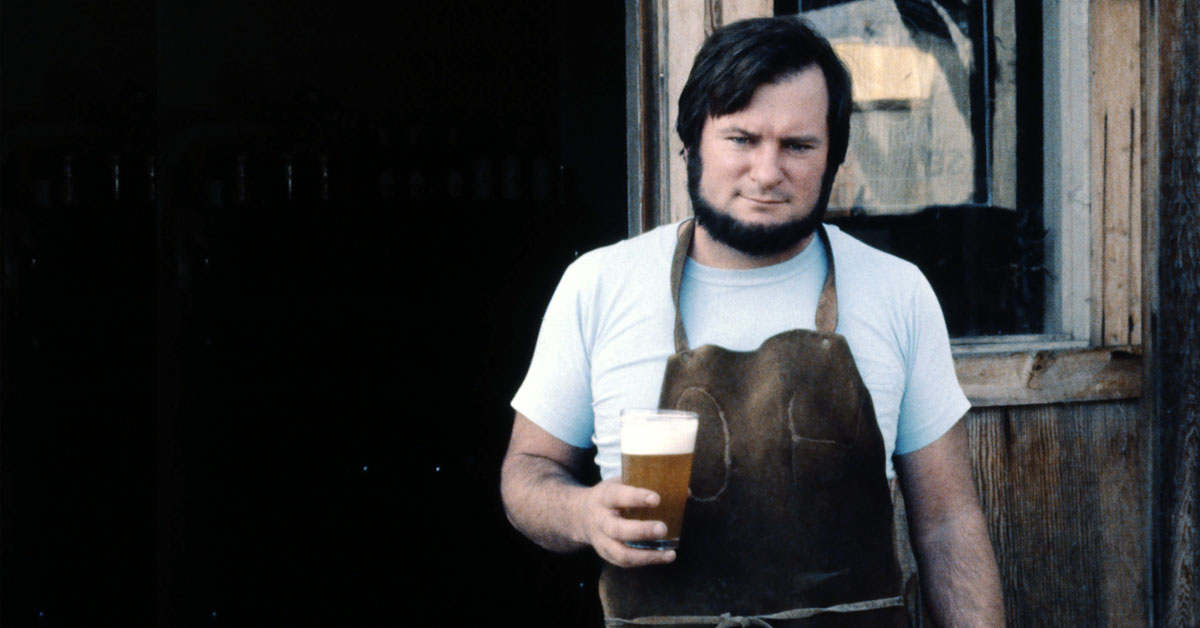
The timeline of New Albion Brewing Company is relatively brief, yet its impact was seismic:
- 1960s: Jack McAuliffe discovers traditional ales while serving in the Navy in Scotland.
- 1973–1975: McAuliffe begins homebrewing in California and designs a small-scale commercial brewing system.
- 1976: New Albion Brewing Company is founded in Sonoma, CA. It is the first new brewery in the U.S. since Prohibition that was not a satellite plant for a major brand.
- 1977–1981: The brewery gains a cult following and international press coverage, including a feature in The New York Times. Despite its popularity, the brewery struggles with distribution and scaling.
- 1982: Unable to secure the necessary capital for expansion, New Albion ceases operations.
- 1983: The equipment from New Albion is purchased by the founders of Hopland Brewery (later Mendocino Brewing Company), which becomes California’s first brewpub.
- 2012: Jim Koch of Boston Beer Company collaborates with McAuliffe to re-release New Albion Ale, bringing the recipe back to the public for a limited time and providing McAuliffe with the profits.
The Economic and Cultural Ripple Effect
Though New Albion was a financial failure in its time, it was a conceptual triumph. McAuliffe’s "adaptive reuse" of old buildings and repurposed equipment became the standard operating procedure for the thousands of breweries that followed. Today, the craft brewing industry is a significant driver of the American economy. According to data from the Brewers Association, the craft brewing sector contributed $72.2 billion to the U.S. economy in 2022 and provided more than 460,000 total jobs.
The growth of the industry is a direct result of the "road map" McAuliffe created. In 1980, there were only eight craft breweries in the U.S.; by 1994, that number grew to 537; and as of 2023, it exceeds 9,500. McAuliffe demonstrated that the barrier to entry was not as insurmountable as the "Big Three" brewers (Anheuser-Busch, Miller, and Coors) had led the public to believe. He proved that a small, dedicated team could produce a superior product using DIY methods, a realization that paved the way for the "maker" culture that permeates the modern food and beverage landscape.
Perspectives from Industry Pioneers
The reverence for McAuliffe among industry veterans is profound. Jim Koch, the founder of Boston Beer Company, often notes that McAuliffe was the "true north" for early brewers. Koch has stated that while others like himself and Ken Grossman found commercial success, McAuliffe was the one who proved the concept was possible. "Before him, starting a brewery from scratch was thought impossible. After him, 10,000 people have done it," Koch remarked, highlighting the shift from industrial brewing to a decentralized, community-based model.
Maureen Ogle, a prominent historian and author of Ambitious Brew: The Story of American Beer, describes McAuliffe as an "American original" whose personality was as uncompromising as his beer. Ogle’s accounts of McAuliffe paint a picture of a man who was fiercely intelligent, technically gifted, and largely uninterested in the trappings of fame or corporate polish. His refusal to "suffer fools" and his skeptical view of the establishment were instrumental in his ability to ignore the prevailing wisdom of the 1970s and forge his own path.
Broader Impact and Implications for the Future
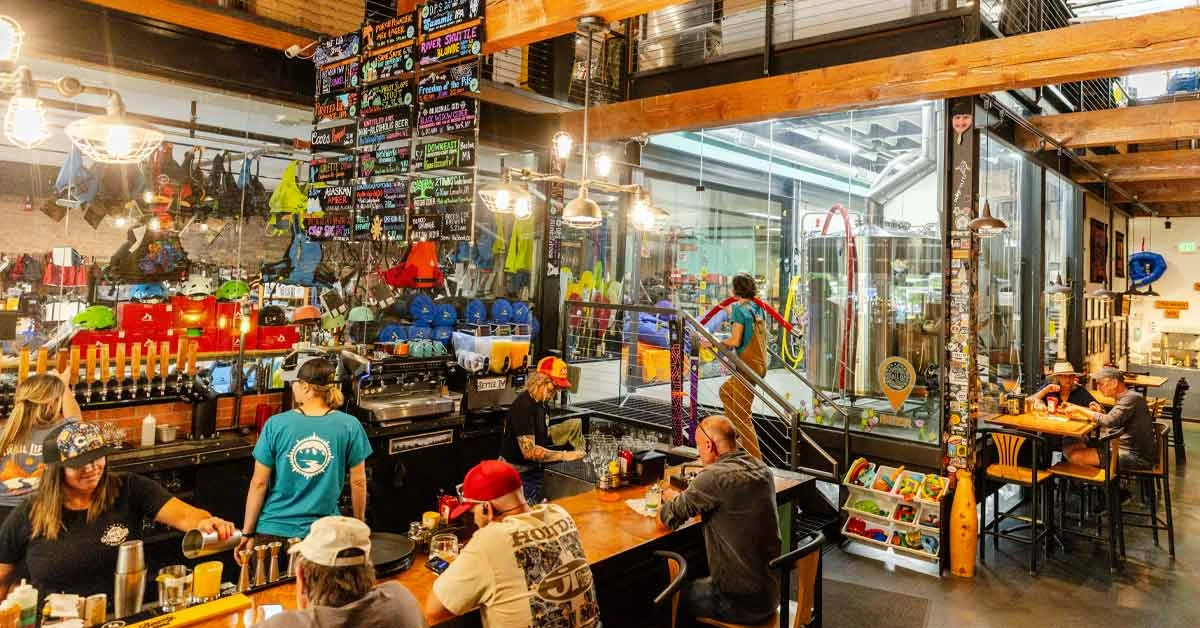
The legacy of New Albion extends beyond the liquid in the glass. It established the brewery as a community hub—a place where consumers could see the production process and interact directly with the makers. This transparency and local connection have become the hallmarks of the modern taproom, which serves as a vital social space in thousands of American towns.
Furthermore, McAuliffe’s story is a testament to the power of intellectual property and heritage in the craft world. When Mendocino Brewing Company purchased his equipment, they didn’t just buy steel; they bought a lineage. This tradition of "passing the torch" continues as older breweries mentor new startups, maintaining a collaborative spirit that is rare in other competitive industries.
As the craft beer market enters a period of maturation and increased competition, the lessons of Jack McAuliffe remain relevant. His focus on high-quality ingredients, mechanical ingenuity, and a refusal to conform to market trends provides a perennial guide for brewers facing economic headwinds. While New Albion only lasted six years, its influence is permanent. Every time a consumer chooses a local IPA or visits a neighborhood taproom, they are participating in a movement that began in a small Sonoma warehouse with a few syrup drums and a vision for a better pint.
In honor of McAuliffe’s contribution, industry advocates suggest that the best tribute is not a monument, but the continued support of independent local businesses. His life serves as a reminder that the most significant industrial shifts often begin with a single individual who is willing to brew against the grain. Jack McAuliffe’s journey from a naval officer with a taste for ale to the "grandfather of craft beer" is a definitive American success story, measured not in the balance of a bank account, but in the transformation of a culture.