admin
admin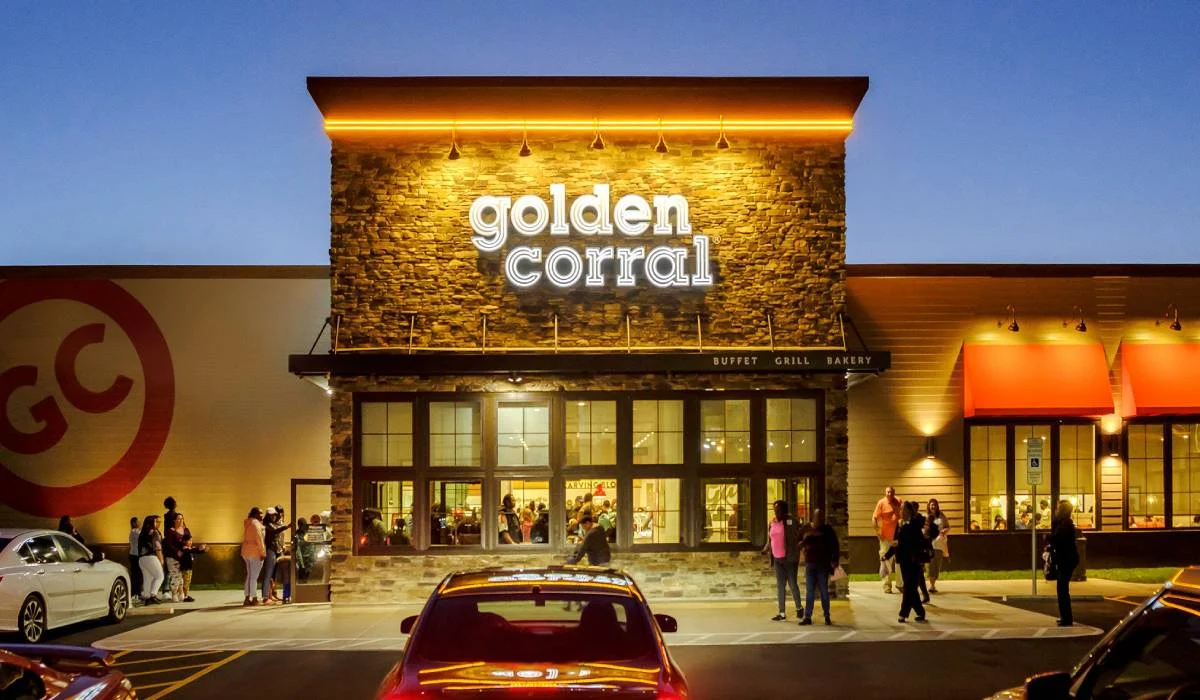
The American restaurant industry is currently weathering a period of profound economic recalibration, and perhaps no segment feels this tension more acutely than the buffet. Golden Corral, a brand that has served as a cornerstone of the family-dining sector for over five decades, is currently executing a multi-year strategy designed to protect its core value proposition while simultaneously diversifying its operational footprint. Under the leadership of CEO Lance Trenary, the Raleigh-based chain is navigating a landscape where the traditional all-you-can-eat model must be balanced against rising commodity costs, shifting consumer habits, and a narrowing window of discretionary income for middle-income households.
The Strategic Distinction Between Value and Affordability
As the broader economy grapples with the lingering effects of inflation, Golden Corral has identified a critical nuance in consumer psychology: the difference between "value" and "affordability." While the brand continues to lead its competitive set in perceived value—often maintaining a price point significantly lower than traditional sit-down family dining—the sheer ability of its core demographic to afford frequent visits has been strained.
According to internal data, Golden Corral’s most loyal guests have historically visited the restaurant approximately 70 times per year, or roughly 1.5 times per week. However, recent trends indicate a shift in frequency rather than a shift in brand sentiment. CEO Lance Trenary notes that while guest satisfaction remains high regarding food quality and variety, the frequency of visits has declined for many. A customer who previously visited six times a month may now only have the discretionary budget for two visits.
This trend is particularly impactful given the brand’s target demographic. With a primary customer base earning an annual household income of less than $80,000, Golden Corral is highly sensitive to fluctuations in the cost of living. To combat this, the company has launched its most significant promotional campaign in half a decade. The "America 250" initiative, timed to coincide with the lead-up to the United States’ semiquincentennial in 2026, offers a rotating series of deep discounts. These include $2.50 meals for children under 12 on weekends and $2.50 discounts on lunch and to-go orders, specifically designed to lower the barrier to entry for families.
Navigating the Inflationary Impact on the Buffet Model
The buffet model is uniquely vulnerable to specific inflationary pressures, most notably in the protein sector. Golden Corral’s signature offering—all-you-can-eat sirloin steak—places the company at the mercy of the red meat market. Over the past 24 months, beef prices have seen significant volatility due to dwindling cattle herds and rising feed costs.
In addition to food costs, the "back of house" expenses have surged. Franchisees have contended with rising utility rates, increased insurance premiums, and a competitive labor market that has driven up wages. Over the last six to eight months, many Golden Corral operators have been forced to implement price increases to maintain margins. Historically, Golden Corral’s average check was roughly $3 below the family-dining segment average; today, that gap has narrowed to approximately 90 cents.
Despite these pressures, the corporate directive has remained firm: quality cannot be sacrificed. While some legacy buffet chains in the 1990s and 2000s attempted to survive lean years by reducing menu variety or using lower-grade ingredients, Golden Corral is maintaining its commitment to a 150-item daily menu. This "all-in" approach is intended to ensure that when a guest does choose to spend their limited discretionary dollars, the experience remains consistent with the brand’s long-standing promise of abundance.
Chronology of Innovation: From COVID-19 to the Fast-Casual Experiment
The current strategic pivot is the latest chapter in an evolution that accelerated during the COVID-19 pandemic. In 2020 and 2021, the buffet industry faced an existential threat due to health restrictions. Golden Corral utilized this period to overhaul its off-premises capabilities, integrating digital ordering platforms like Olo and loyalty programs through Punchh.
Following the pandemic, the company began experimenting with alternative formats. One notable attempt was "Golden Corral Favorites," a 2,500-square-foot fast-casual concept launched in North Carolina. The experiment provided a vital lesson in brand identity. While consumers praised the food quality, the "Golden Corral" name carried such a strong association with the buffet experience that many guests were disappointed by the lack of an all-you-can-eat option.
This failure has not deterred the company from pursuing smaller footprints; rather, it has refined the approach. The company is now developing a new fast-casual version focused on comfort food and convenience, but it will operate under a different brand name to avoid consumer confusion. This "brand-agnostic" approach allows the company to leverage its supply chain and culinary expertise without being tethered to the buffet expectations.
Scaling Down: New Footprints and Non-Traditional Locations
To drive future growth, Golden Corral is moving away from its traditional 10,500-square-foot prototype. The cost of building such large facilities has become prohibitive in many markets. Instead, the company is testing a 7,500-square-foot model, with the first such unit currently under construction in Baytown, Texas.
Furthermore, the company is looking toward "second-generation" real estate—converting existing restaurant buildings rather than building from the ground up. Successful conversions of former Red Lobster and TGI Fridays locations have proven that the Golden Corral model can be adapted to various layouts. In Knoxville, Tennessee, the brand is even converting a former retail space (a Party City) into a functioning restaurant.
Perhaps the most promising new frontier is the travel plaza sector. Partnerships with Pilot Travel Centers in Maryland and Virginia have yielded impressive results. Despite having a significantly smaller footprint than a standalone restaurant, these travel plaza units are generating upwards of $5 million in annual sales. This success has opened doors for discussions regarding airport concessions and campus dining, where the brand can serve a high volume of guests in a condensed timeframe.
Digital Transformation and the Rise of Off-Premises Dining
While the dining room remains the heart of the business, Golden Corral’s digital presence has expanded tenfold over the last three years. The marketing strategy has shifted from a heavy reliance on linear television to a diversified mix where 30% of the budget is dedicated to social media, digital advertising, and streaming services.
This digital push has fueled a 300% increase in off-premises dining since the start of the pandemic. While off-premises still represents a smaller portion of total revenue compared to quick-service brands, it is growing at a rate of 20% to 30% annually. The company has found particular success in family-style meals-to-go and seasonal catering, specifically around holidays like Thanksgiving and Christmas, where the "buffet at home" concept resonates with busy families.
International Ambitions and Future Outlook
Looking ahead, Golden Corral is eyeing international markets as a primary growth lever. The company has engaged consultants to evaluate the feasibility of expansion into Mexico, Brazil, Canada, the United Kingdom, and the Middle East. While no formal development agreements have been signed, the company reports significant interest from international franchisees who see the American buffet concept as a unique offering in their respective markets.
Domestically, the pipeline remains active. With six units currently under development and a new restaurant in Puerto Rico recently exceeding $12 million in annual sales, the financial viability of the brand remains strong for high-performing operators. The top quartile of new Golden Corral restaurants currently averages roughly $7.5 million in Average Unit Volume (AUV), a figure that rivals many high-end casual dining chains.
Analysis of Broader Implications
The trajectory of Golden Corral serves as a bellwether for the mid-scale dining industry. As the company prepares to serve over 100 million guests this year, its ability to balance the "Only One for Everyone" philosophy with the harsh realities of a high-cost environment will be a significant test of the buffet model’s resilience.
The implications are clear: the future of high-volume dining lies in flexibility. By shrinking its footprint, embracing digital channels, and aggressively pursuing non-traditional real estate, Golden Corral is attempting to de-risk its business model. If successful, the brand will have transitioned from a traditional "big-box" buffet to a modern, multi-channel food provider capable of meeting the consumer wherever they are—whether that is at a highway travel plaza, a suburban storefront, or through a delivery app.
In a climate where affordability is the primary hurdle for the American consumer, Golden Corral’s strategy of doubling down on promotional value while refusing to cut corners on food quality represents a high-stakes bet on long-term brand loyalty over short-term margin protection. As the "America 250" campaign unfolds through 2026, the industry will be watching closely to see if this "buffet of options" is enough to keep the plates full in an increasingly expensive world.