admin
admin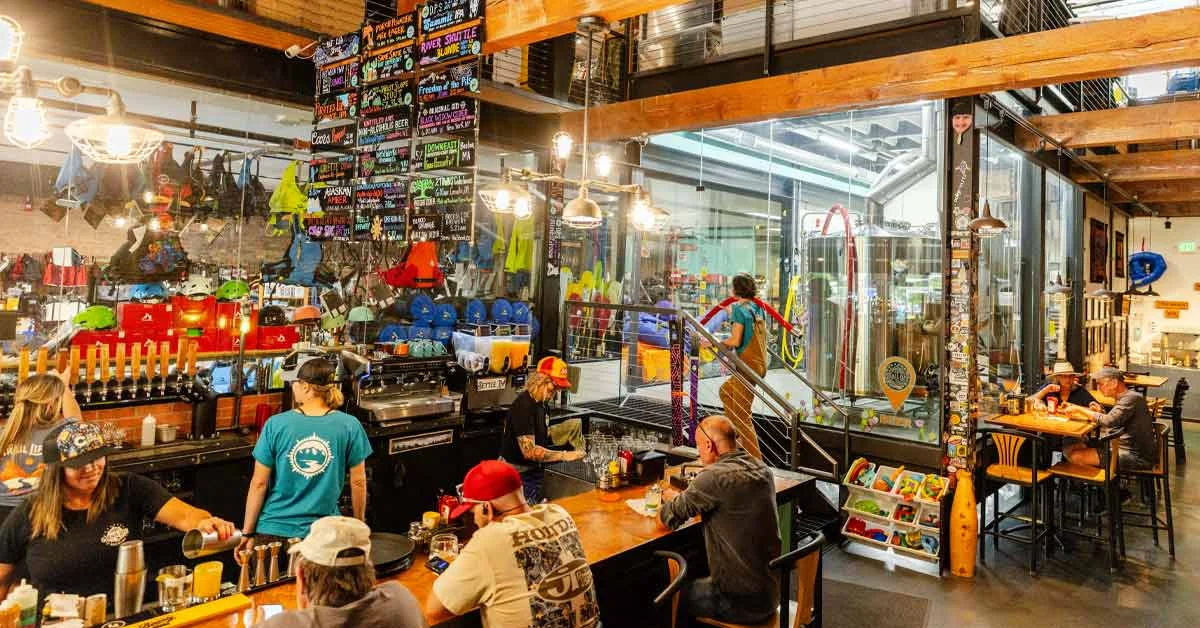
The city of Grand Junction, Colorado, situated at the confluence of the Colorado and Gunnison Rivers, is currently undergoing a significant cultural and economic transformation driven by a burgeoning craft beer industry and its proximity to world-class natural landmarks. While traditional Colorado tourism has long been dominated by the Front Range urban corridor—including Denver, Boulder, and Fort Collins—and the high-profile national parks of the Southwest, Grand Junction is positioning itself as a sophisticated, less-congested alternative. This shift is characterized by a unique synergy between outdoor recreation and independent brewing, creating a specialized ecosystem that appeals to a demographic of "adventure tourists" who seek high-quality artisanal products in the wake of physical activity.
Geographic Context and the "Hidden Gem" Phenomenon
Grand Junction serves as the seat of Mesa County and the most populous municipality on Colorado’s Western Slope. Geographically, it is defined by three distinct and dramatic landscapes: the Colorado National Monument to the west, which features red rock canyons and towering monoliths; the Grand Mesa to the east, recognized as the largest flat-top mountain in the world; and the Book Cliffs to the north. Despite these assets, the region has historically remained "crowd-free" relative to its neighbors.
Industry experts and local business owners note that travelers often bypass the Western Slope in favor of the Grand Canyon in Arizona or the "Mighty 5" national parks in Utah, such as Arches and Zion. This bypass has preserved a sense of serenity within the Colorado National Monument that is increasingly rare in the American West. Adam Kinsey, a prominent figure in the local hospitality sector and owner of Handlebar Tap House and WestCo Brewing, observes that the city offers an "embarrassment of riches" for locals that is only now being discovered by a broader national audience. The lack of overcrowding is not merely a matter of convenience; it has become a central part of the city’s brand, offering a "virtually untouched" experience for beer-driven tourists who find the Denver market increasingly saturated.
A Chronology of Brewing in the Grand Valley
The evolution of the Grand Junction beer scene can be traced back to 1994 with the opening of The Rockslide Brew Pub. For over two decades, Rockslide stood as the "original gangster" of the local craft scene, establishing a baseline for brewpub culture in a region that was primarily known for its fruit orchards and vineyards. However, the true acceleration of the industry occurred within the last decade, mirroring a national trend but tailored to the specific rugged lifestyle of the Western Slope.
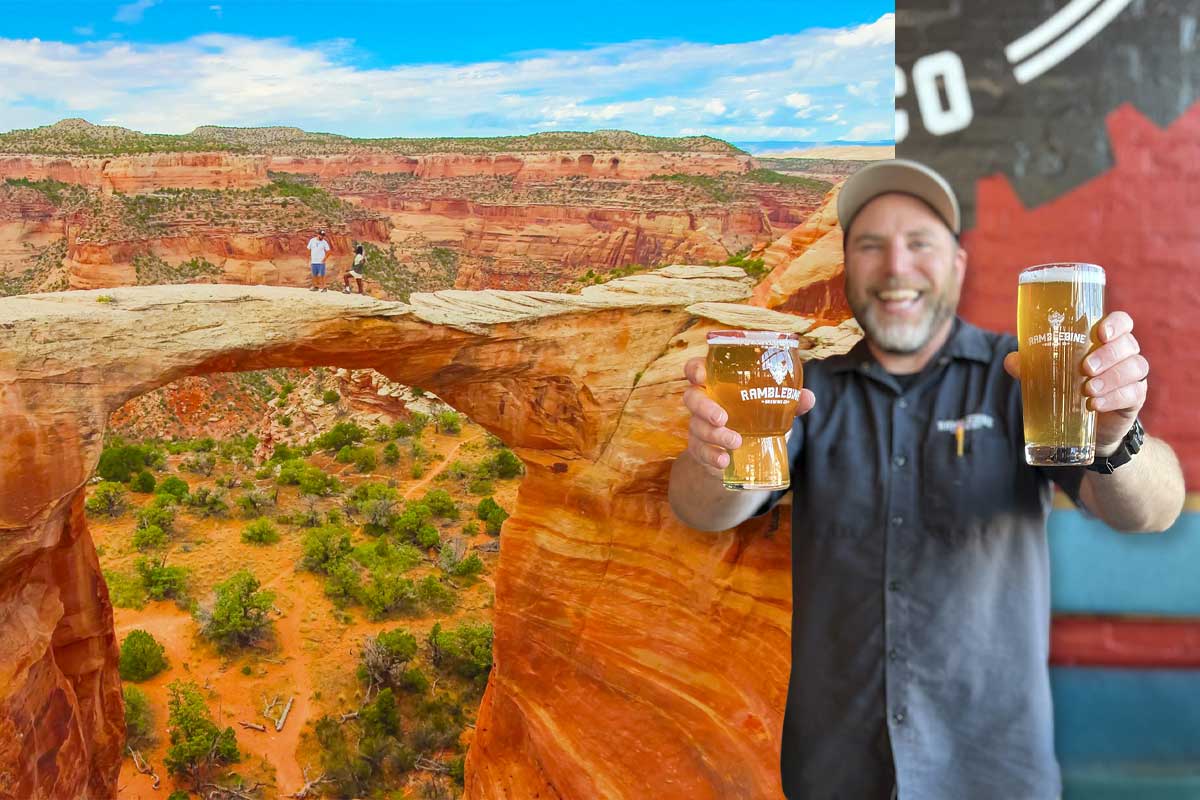
The period between 2010 and 2020 saw a diversification of the market, with new players entering the space to cater to a more discerning palate. This culminated in a post-2020 boom, despite the global challenges facing the hospitality industry. Ramblebine Brewing, established in 2020 by founders Eli Gerson and Rob James, signaled a shift toward experimental and specialized brewing techniques. This was followed by the emergence of establishments like Trail Life Brewing and WestCo Brewing, the latter of which opened as part of a broader urban revitalization effort near Las Colonias Park.
Detailed Analysis of Key Market Players
The current landscape of Grand Junction brewing is defined by a commitment to technical excellence and a deep integration with the local environment.
Ramblebine Brewing: Technical Innovation
Ramblebine Brewing has distinguished itself through a portfolio that balances traditional styles with adventurous fermentation. While their crisp lagers and West Coast IPAs provide a foundation for the casual drinker, their "God Hammer"—a Norwegian red ale fermented with kveik yeast—demonstrates a willingness to utilize ancient brewing traditions to create modern, shelf-stable products. Kveik yeast, known for its ability to ferment at high temperatures without producing off-flavors, represents the kind of technical nuance that attracts "beer hunters" to the region. The taproom’s success is attributed to its educational approach, where staff assist patrons in navigating a rotating list that includes everything from tart blueberry sours to barrel-aged stouts.
Trail Life Brewing and Handlebar Tap House: The "Bikes and Brews" Synergy
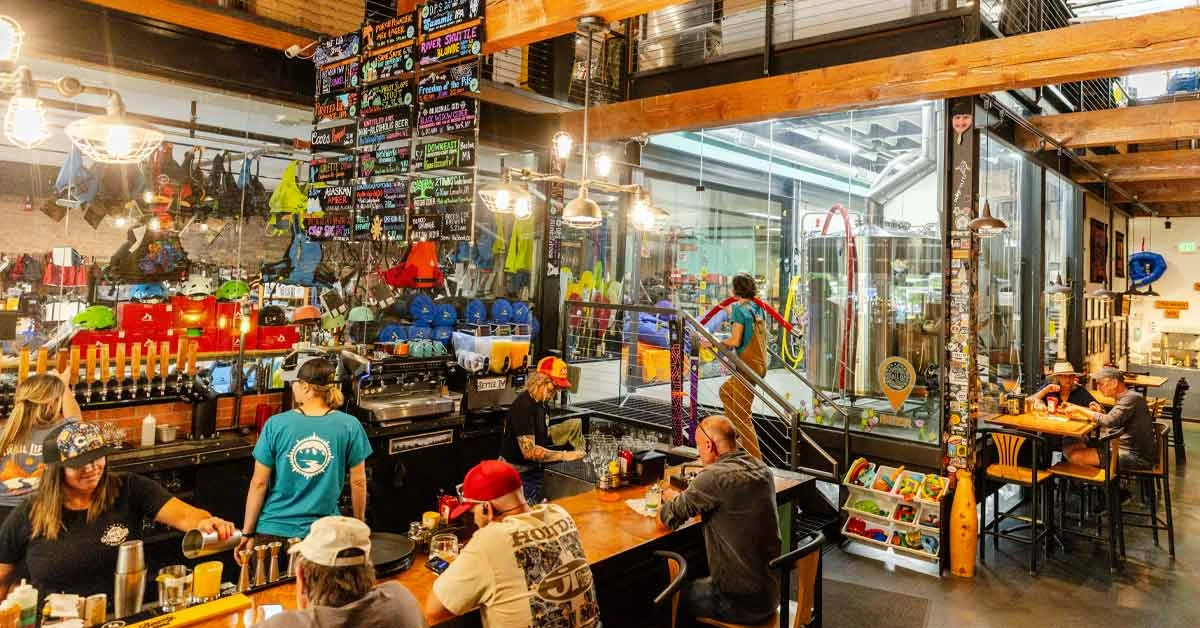
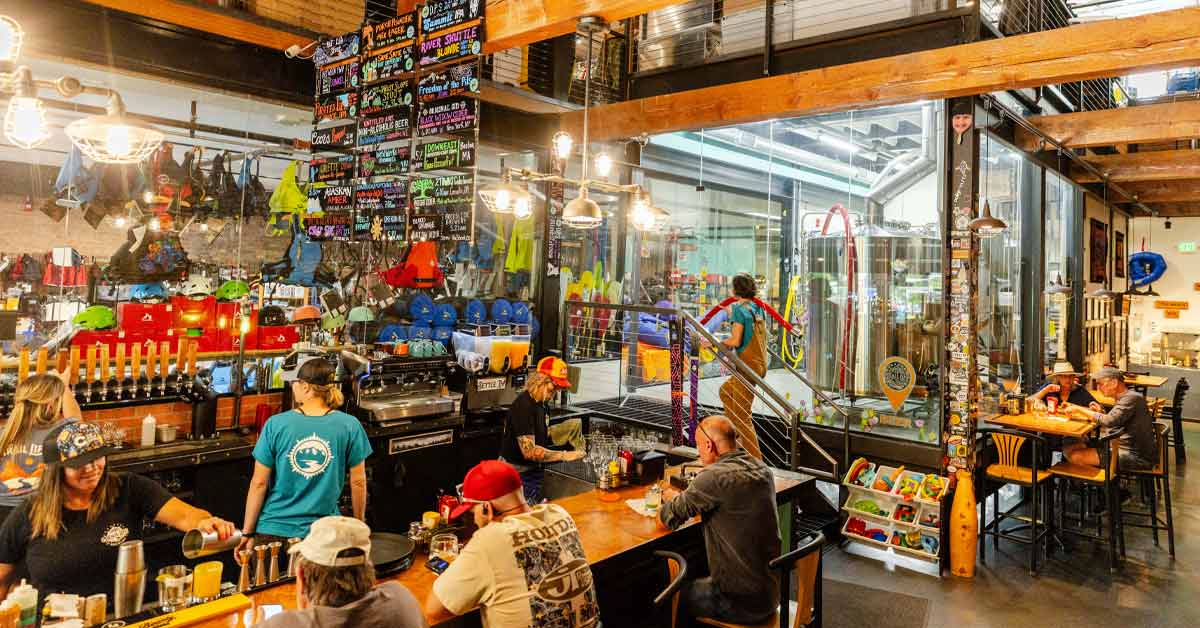
Perhaps the most distinctive element of the Grand Junction scene is the physical and cultural connection between cycling and brewing. Trail Life Brewing is uniquely situated within the same structure as a mountain bike shop, a business model that capitalizes on the city’s reputation as a premier cycling destination. This "adventure-first" mentality is reflected in their tap list, which features high-recovery styles like blonde ales and Mexican-style lagers, as well as more complex offerings like the Pirates Life Black IPA.
Similarly, Handlebar Tap House, located adjacent to another cycling hub, serves as a community anchor. With 24 rotating taps, it functions as a curated gallery of the region’s best beers. According to Kinsey, the participation rate in outdoor activities among residents is near-universal, making the "bike-in" brewery a logical and highly profitable retail model.
WestCo Brewing: Urban Redevelopment and Culinary Fusion
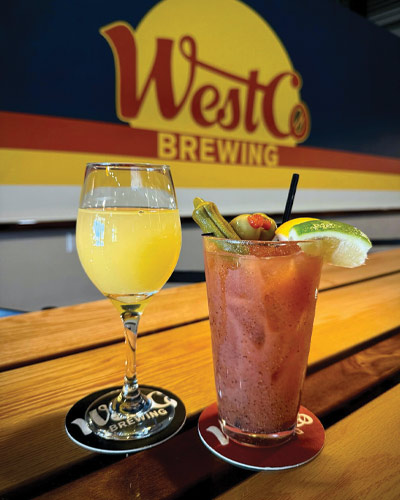
The newest addition to the scene, WestCo Brewing, represents the intersection of the beer industry and municipal development. Located near the Amphitheater at Las Colonias Park, WestCo is part of a strategic effort to enhance the city’s waterfront and entertainment districts. Led by Kinsey and head brewer Danny Wilson, the brewery focuses on "flavor-forward but easy-drinking" styles, such as Japanese-style rice lagers and extra pale ales.
WestCo also signifies an elevation of the "brewery food" concept. Moving beyond standard pub fare, the kitchen offers a sophisticated menu featuring ramen, Japanese chicken curry poutine, and Colorado elk sloppy joes. This focus on high-quality gastronomy suggests that the local beer scene is maturing into a full-scale culinary destination.
Supporting Data and Economic Impact
The growth of the craft beer sector in Grand Junction is supported by broader economic data from the Brewers Association, a not-for-profit trade group. In Colorado, the craft brewing industry contributes billions of dollars annually to the state’s economy. While much of this is concentrated in the Front Range, the Western Slope is capturing an increasing share of the "beertourism" market.
Tourism data for Mesa County indicates a steady rise in visitation to the Colorado National Monument and the Grand Mesa. As these visitors seek post-recreational amenities, the density of breweries in the downtown and riverfront areas provides a significant boost to local tax revenues. Furthermore, the presence of "anchor" breweries helps stabilize neighborhood property values and encourages secondary investments in retail and housing.
Broader Implications for the Western Slope
The rise of Grand Junction’s beer scene has implications that extend beyond the beverage industry. It reflects a broader shift in the American West where mid-sized cities are leveraging their natural assets to attract a younger, mobile workforce. The "outdoor-centric" business model seen at Trail Life and Handlebar is a blueprint for how rural and semi-rural areas can transition from resource-based economies to service- and experience-based economies.
Moreover, the diversity of the scene—from the traditional ales of The Rockslide Brew Pub to the creative experiments at Base Camp Beer Works, such as their pineapple and pistachio cream ale—indicates a healthy, competitive market. This competition drives quality, ensuring that Grand Junction remains a viable competitor to more established beer hubs.
Future Outlook and Conclusion
As Grand Junction continues to develop its infrastructure, including the expansion of riverfront trails and the enhancement of its downtown corridor, the craft beer industry is expected to remain a central pillar of its identity. The "underrated" status of the city is likely to diminish as word spreads among the national craft beer community, but the geographic scale of the surrounding wilderness suggests that the "crowd-free" allure of the canyons will persist.
For the beer enthusiast, Grand Junction offers a rare combination of technical brewing proficiency and unparalleled access to the outdoors. Whether it is the kveik-fermented ales of Ramblebine, the community-centric atmosphere of WestCo, or the historical significance of Rockslide, the city has successfully cultivated a "total experience" that rivals any major metropolitan area. As the industry evolves, Grand Junction stands as a testament to the power of independent brewing to define the character of a region and drive its economic future.