admin
admin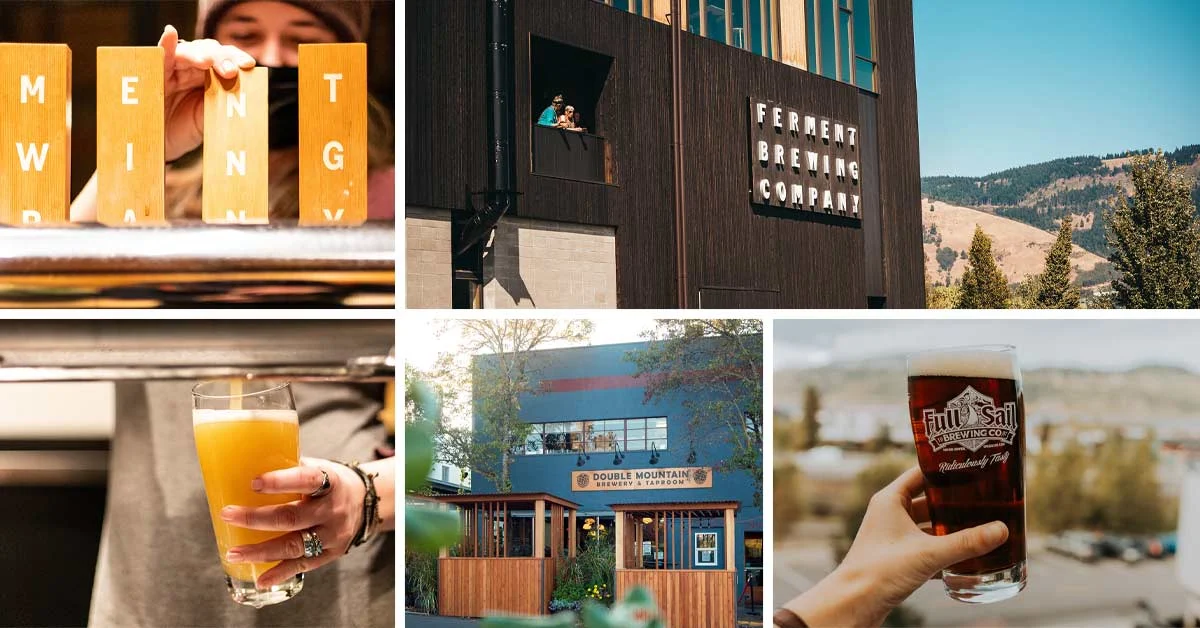
The inaugural Hood River Orchard and Ale Festival recently concluded on the banks of the Columbia River, marking a significant milestone for the regional craft beverage industry and highlighting the unique intersection of agriculture and brewing in the Columbia River Gorge. Held on the waterfront of Hood River, Oregon, the event served as a showcase for the town’s dense concentration of world-class breweries and its historical ties to the surrounding orchards. Despite challenging weather conditions characteristic of the Gorge’s "wind tunnel" geography, the festival drew significant attendance, underscoring the growing economic impact of beer-centric tourism in the Pacific Northwest.
The Geographical and Geological Foundation of Hood River Brewing
The success of the Hood River brewing scene is inextricably linked to the unique geological features of the Columbia River Gorge. The Gorge, a canyon carved by the Columbia River through the Cascade Mountain Range, creates a natural corridor that funnels wind, making it a global destination for windsurfers and kiteboarders. However, for the brewing industry, the more critical geographical feature is the Hood River watershed.
Local breweries do not draw their water from the Columbia River itself. Instead, the production process relies on snowmelt from the 14,000-foot Cascade Mountains. This water undergoes a natural filtration process through volcanic basalt rock, resulting in a soft, mineral-rich base that is ideal for brewing. This high-quality water source, combined with the region’s proximity to the Willamette Valley—one of the world’s premier hop-growing regions—provides a competitive advantage for local producers. The availability of fresh, "wet" hops during the autumn harvest allows Hood River breweries to produce seasonal ales with flavor profiles that are difficult to replicate in other regions.
A Chronological Evolution of the Hood River Brewing Scene
The development of Hood River as a brewing powerhouse has occurred in distinct waves, beginning in the late 1980s. Understanding this timeline is essential to grasping the current landscape of the industry in the Gorge.
The Pioneers: 1987–2006
The foundation of the local industry was laid in 1987 with the establishment of Full Sail Brewing Co. As an "OG" of the craft movement, Full Sail was instrumental in defining the West Coast style. The brewery’s Amber Ale remains a staple of the region, though the company has significantly modernized its portfolio to include high-demand hazy IPAs and specialized lagers. Full Sail’s success proved that a small town could support a large-scale brewing operation, paving the way for future entrepreneurs.
The Expansion Phase: 2007–2015
The mid-2000s saw the entry of Double Mountain Brewery, founded in 2007. Known for its commitment to traditional styles and its popular taproom, Double Mountain helped cement downtown Hood River as a destination for beer enthusiasts.
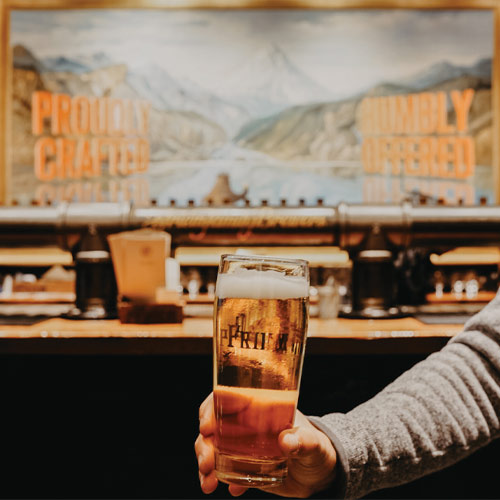
In 2012, the landscape shifted again with the arrival of pFriem Family Brewers. Located directly on the waterfront, pFriem introduced a sophisticated European influence to the region, focusing on Belgian-style ales and precision-engineered German lagers. The brewery’s rapid ascent to regional dominance was a catalyst for further development along the riverfront.
The Modern Era: 2016–Present
Following the success of pFriem, Ferment Brewing Company opened nearby, utilizing farmhouse techniques to emphasize "terroir"—the idea that a beverage should reflect the environment in which it is produced. Their use of local ingredients, such as Oregon-grown strawberries for their sour ale programs, represents the modern trend of hyper-local sourcing.
The growth has continued into the 2020s. Hood River Brewing Company opened its doors in 2023, offering a diverse range of styles including Mexican-style lagers. Most recently, in 2025, Kings & Daughters Brewery launched its public house, The Walled Garden, adding to the town’s portfolio of specialized IPA and lager producers. Additionally, Working Hands Fermentation has gained a reputation for its focus on bottom-fermented lagers and Schwarzbiers, catering to a growing consumer preference for lighter, crisper beer styles.
Economic Impact and Industry Data
With a population of just over 8,000 residents, Hood River boasts one of the highest concentrations of breweries per capita in the United States. This density is a primary driver of the local economy. According to data from the Oregon Brewers Guild, the craft brewing industry contributes approximately $8.7 billion to the state’s economy annually. In Hood River, the synergy between the brewing industry and the tourism sector is particularly pronounced.
The Orchard and Ale Festival was designed to capitalize on this synergy. By combining the region’s famous fruit production—Hood River is the world’s largest producer of Anjou pears—with its brewing prowess, organizers aimed to create a shoulder-season event that bolsters the economy during the early autumn months. Initial reports suggest that the festival met its goals for local business engagement, with taprooms across the city reporting high volumes of foot traffic throughout the weekend.
Logistical Challenges and Environmental Factors
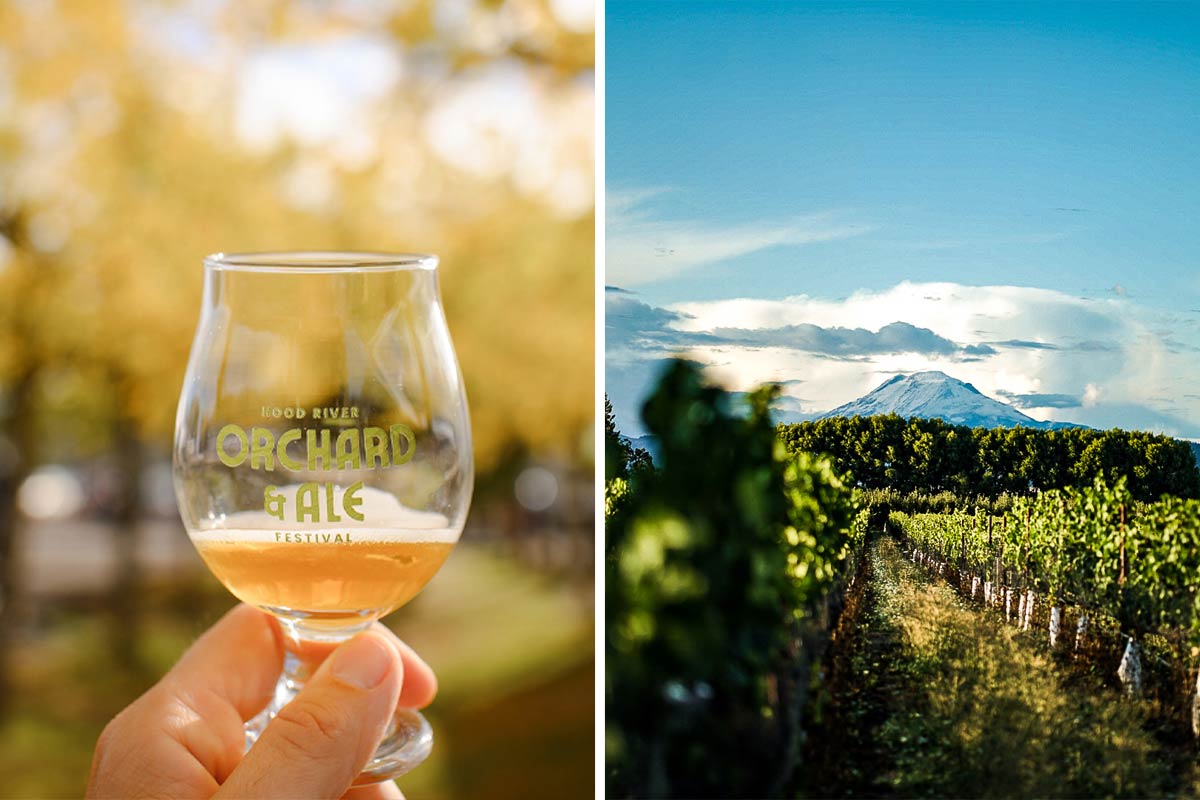
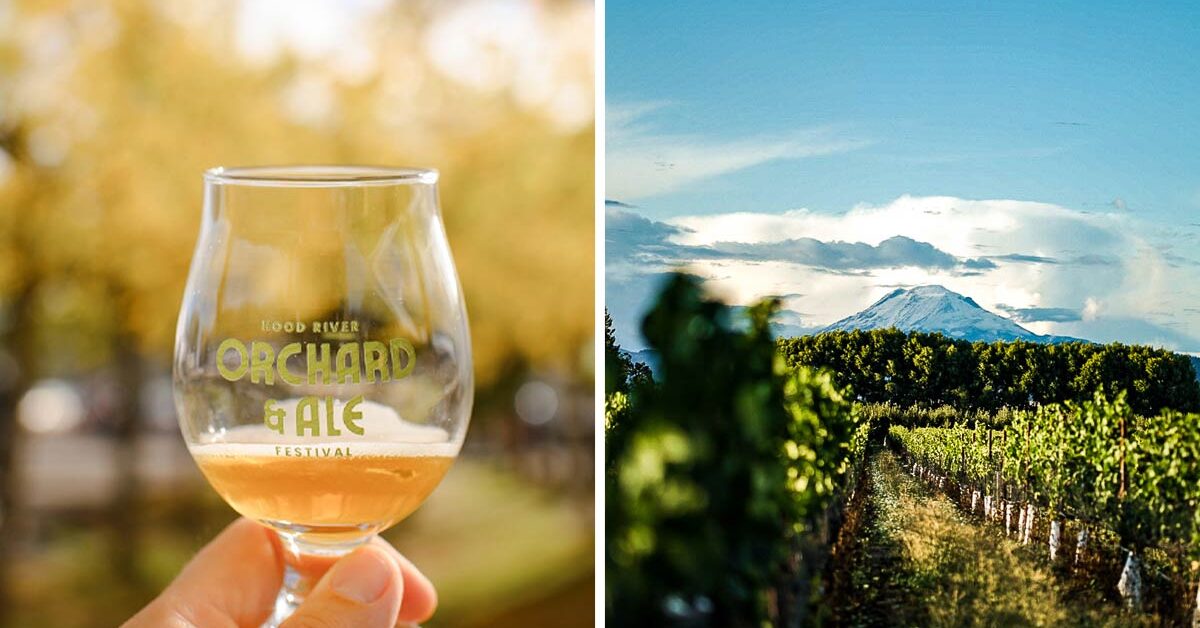
The inaugural festival was not without its logistical hurdles, primarily dictated by the environment. The Columbia River Gorge is a known "wind tunnel," and the early-October event was met with steady gusts that impacted the waterfront grounds. Event organizers and attendees had to adapt to these conditions, which saw plastic tasting vessels frequently displaced by the wind.
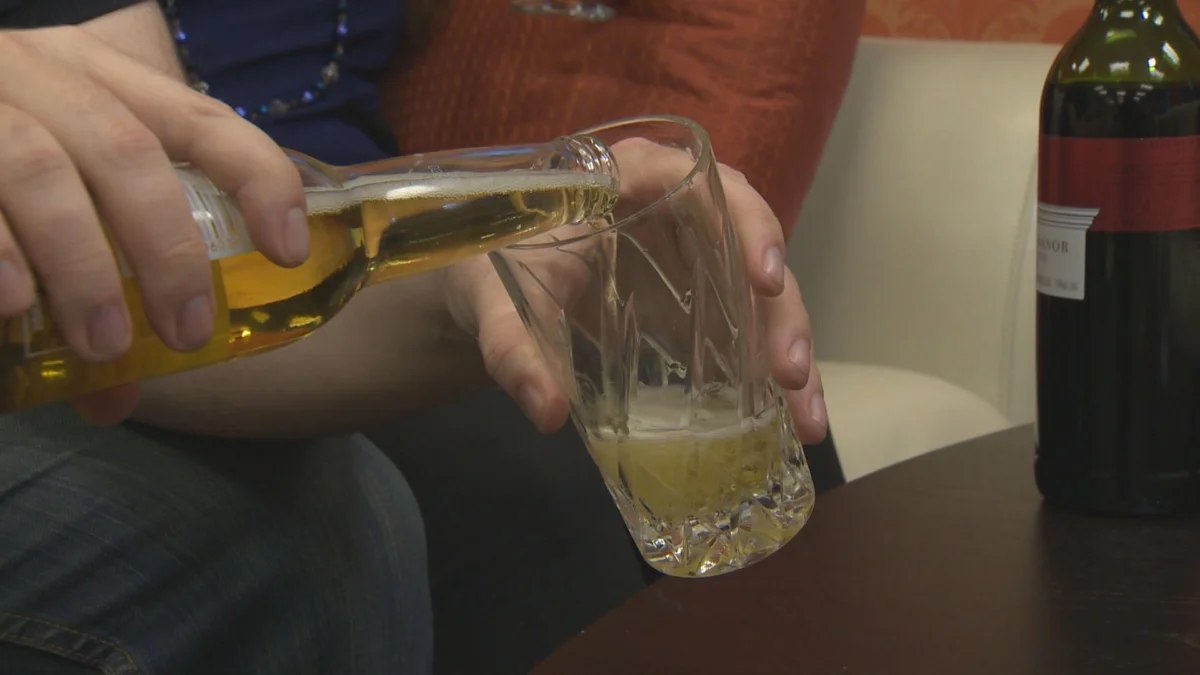
This environmental factor led to an unexpected increase in the sale of commemorative glassware. While many festivals offer glass as a premium option, the wind in Hood River made heavy tulip glasses a practical necessity for attendees. Industry analysts note that such environmental factors are a hallmark of the Hood River experience, often influencing everything from event planning to the design of brewery taprooms, many of which feature wind-shielded outdoor seating and heavy-duty structures.
Regional Terroir and Brewing Innovation
A central theme of the festival was the concept of "terroir" in brewing. While typically associated with wine, the term is increasingly applied to craft beer in the Pacific Northwest. The brewers in Hood River are at the forefront of this movement, utilizing local micro-flora and agricultural products to create distinct flavor profiles.
- Water Purity: The use of volcanic-filtered water allows for a "clean" fermentation process, particularly for delicate styles like Pilsners and Czech Dark Lagers.
- Ingredient Sourcing: The proximity to the Willamette Valley allows for "farm-to-keg" brewing. Fresh-hop beers, which must be brewed within hours of the hops being harvested, are a centerpiece of the Hood River autumn brewing calendar.
- Fruit Integration: The "Orchard" component of the festival highlighted the use of local stone fruits, berries, and pomes in sour and wild ales. Ferment Brewing’s use of Oregon strawberries and the regional focus on pear-based ciders (perries) demonstrate the deep integration of local agriculture into the fermentation process.
Official Reactions and Future Outlook
While official statements from the festival organizers emphasized the community aspect of the event, the underlying sentiment among participants was one of strategic growth. Representatives from local breweries indicated that the festival serves as a vital platform for showcasing the evolution of beer styles, moving from the heavy, malty ales of the 1990s to the diverse range of lagers, sours, and fresh-hop IPAs available today.
Industry experts suggest that Hood River’s model of high-density, high-quality brewing could serve as a blueprint for other rural communities looking to leverage natural resources for economic development. The town’s ability to maintain a distinct identity amidst the larger Portland-area beer scene is attributed to its commitment to quality and its unique geographical advantages.
Looking forward, the Hood River Orchard and Ale Festival is expected to become an annual fixture. Future iterations of the event may see expanded infrastructure to better manage the Gorge’s wind conditions and increased participation from the region’s growing number of cideries and meaderies.
Conclusion
The Hood River Orchard and Ale Festival has successfully highlighted the town’s status as a premier destination for craft beer. By leveraging its natural resources—specifically its volcanic water and proximity to hop and fruit farms—Hood River has built a sustainable and world-renowned brewing culture. The transition from the pioneering days of Full Sail to the modern, diverse offerings of pFriem, Working Hands, and Kings & Daughters reflects a broader trend of sophistication in the American craft beer industry. As the festival matures, it will likely continue to draw global attention to this small but influential corner of the Pacific Northwest, reinforcing the idea that the best beer is often a product of its environment.