admin
admin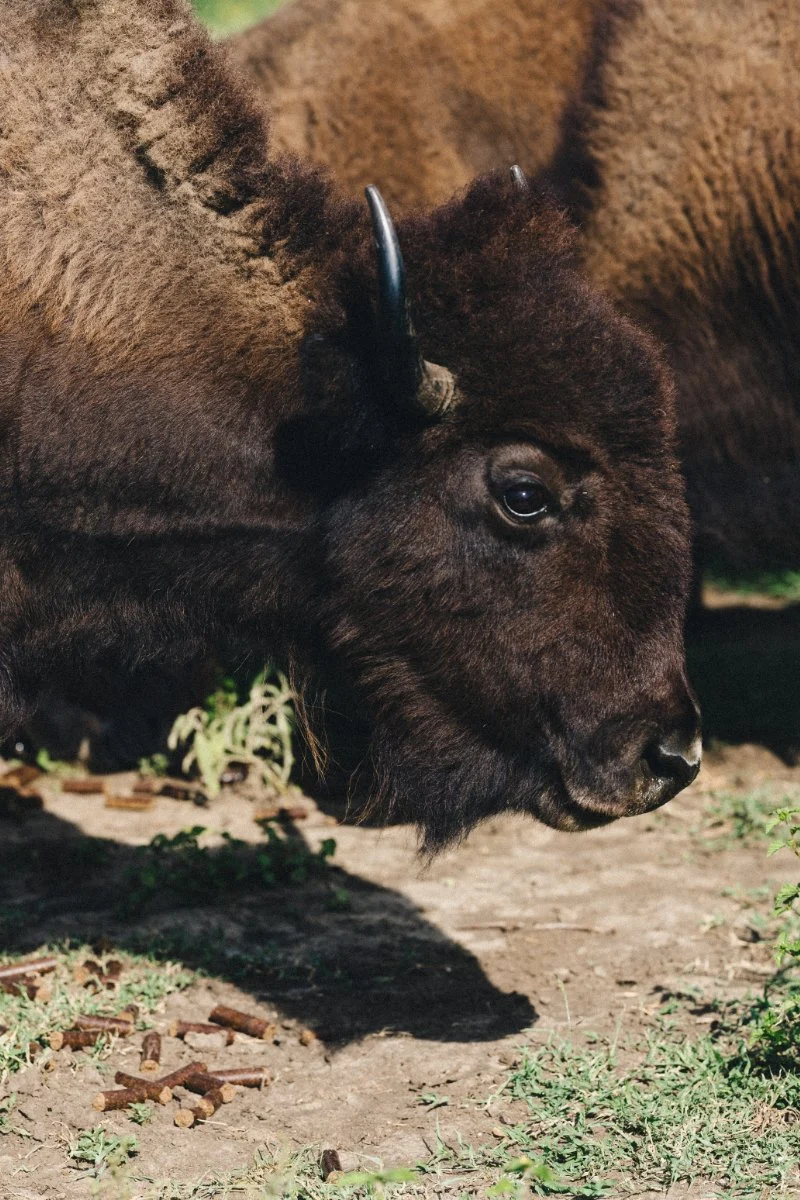
In a powerful testament to resilience and cultural reclamation, Lucille Contreras, founder of the Texas Tribal Buffalo Project (TTBP), is spearheading an ambitious initiative to reconnect the Lipan Apache and other Texas Indigenous lineal descendants with their ancestral lands, cultural practices, and the Southern Plains Bison. The project, which began with a deeply personal discovery of her heritage, has grown to encompass two ranches, a thriving herd of 34 buffalo, and a pioneering online store that accepts EBT/SNAP benefits, ensuring access to nutritious, culturally significant food across "Turtle Island." This endeavor not only addresses critical issues of food insecurity but also represents a profound act of rematriation—the restoration of Indigenous stewardship and kinship with the land and its creatures, reversing centuries of displacement and suppression.
Unearthing a Suppressed Identity: The Lipan Apache Legacy
Lucille Contreras’s journey into cultural revitalization began not in early childhood, but in her twenties. While attending the University of Colorado Boulder, a frequent question—"What tribe are you from?"—prompted a conversation with her father that would irrevocably alter the course of her life. At 20, she learned for the first time that her family was Lipan Apache. Her father’s revelation was accompanied by a poignant explanation: his own mother, Contreras’s grandmother, born around 1890 in northern Mexico, had strictly instructed him "never, ever to tell anybody."

This directive underscores a painful chapter in North American history, particularly for Indigenous peoples of the Southern Plains. From the signing of the Treaty of Guadalupe Hidalgo in 1848, which ceded vast territories from Mexico to the United States, and even before, Native populations faced systemic violence, land dispossession, and forced assimilation. The Lipan Apache, a nomadic Athabaskan-speaking people indigenous to Texas and parts of Mexico, were particularly targeted. Their traditional territories, rich in resources and critical for their way of life, became battlegrounds as Anglo-American and Mexican settlers expanded their presence. The period following 1848 saw intensified military campaigns, including the Apache Wars, designed to remove or eradicate Indigenous communities deemed obstacles to westward expansion. For many, including Contreras’s grandmother, concealing one’s Indigenous identity became a survival mechanism—a shield against persecution, discrimination, and the violent suppression of cultural practices. This historical context illuminates the deep-seated trauma and necessity that led families to sever ties with their heritage, a silence that often spanned generations.
The Sacred Connection: Relearning the Buffalo Way
Contreras’s personal reawakening coincided with a growing understanding of the buffalo’s profound significance to Indigenous cultures. Her first encounter with these majestic animals occurred at age 26, witnessing the vast herds roaming Yellowstone National Park. This initial awe deepened years later during the COVID-19 pandemic when she resided in Pine Ridge, South Dakota. There, she immersed herself in learning the intricate practices surrounding buffalo—from butchering and slaughtering to understanding their health and wellbeing. More crucially, she learned from Oglala Lakota relatives about the intergenerational relationship with the buffalo, often referred to as a sacred relative.
For countless Indigenous nations, the buffalo, or bison, was the cornerstone of life. Tribes like the Lakota, Cheyenne, Comanche, and historically, the Lipan Apache, relied heavily on buffalo for every aspect of their survival. They provided not only food—protein-rich meat—but also shelter from their hides, tools and utensils from their bones, fuel from their dung, and even examples of governance structures observed in their herd dynamics. The buffalo’s presence dictated seasonal migrations, hunting practices, spiritual ceremonies, and communal organization. Its decimation in the 19th century, driven by government-sanctioned hunting aimed at starving and subjugating Indigenous populations, was an ecological catastrophe and a deliberate act of cultural genocide. From an estimated 30-60 million animals roaming the plains in the early 19th century, their numbers plummeted to a mere few hundred by the late 1800s. The reintroduction of buffalo, therefore, is not merely an act of wildlife conservation; it is a profound act of cultural, spiritual, and ecological restoration.

Contreras discovered that the Lipan Apache’s historical relationship with the buffalo, while less widely documented than that of Plains tribes due to their geographic location and the need for secrecy, was similarly deep and integral to their way of life. "The only difference," she notes, "is that ours has been shrouded; we’ve had to hide things for our survival as Native people." This realization fueled her determination to revive this ancient kinship.
The Genesis of the Texas Tribal Buffalo Project
Armed with newfound knowledge and a powerful sense of purpose, Contreras felt a strong pull to return to her ancestral homeland. In 2019 and 2020, she prepared to bring her "beautiful basket of lessons and experience" back to Texas. On March 23, 2020, the Texas Tribal Buffalo Project officially commenced operations on its first property in Wilder, Texas—77 or 78 acres of post-oak savanna, a landscape historically frequented by bison and other native species.
The project’s growth has been remarkable. By the end of its inaugural year, TTBP had established a herd of nine buffalo. Today, the project boasts 34 buffalo across two ranches, a testament to Contreras’s unwavering dedication and the community’s support. The core mission of the TTBP is multifaceted: to rematriate land, culture, and kinship. "Rematriation" in this context refers to the process of restoring Indigenous peoples’ spiritual, cultural, and physical relationships with their traditional lands and resources, often emphasizing matriarchal principles of care and sustainability. This involves not only managing the buffalo herd but also revitalizing the savanna ecosystem through traditional ecological knowledge and fostering cultural reconnection among Lipan Apache and other Texas Indigenous lineal descendants. The project aims to rebuild a thriving, self-sufficient community centered around the buffalo, echoing the holistic interdependence that characterized pre-colonial Indigenous societies.

Pioneering Food Access and Economic Empowerment
A hallmark of the Texas Tribal Buffalo Project is its innovative approach to food accessibility. TTBP operates an online store that uniquely accepts EBT (Electronic Benefits Transfer) and SNAP (Supplemental Nutrition Assistance Program) benefits, making high-quality, nutritious buffalo meat accessible to low-income families. This initiative stands out as TTBP is currently the only buffalo caretaker with an online store offering this crucial payment option. The project has successfully shipped EBT/SNAP sales as far as Massachusetts, demonstrating a commitment to reaching Indigenous communities and food-insecure households far beyond its immediate geographic vicinity.
Beyond direct sales, TTBP also actively donates buffalo meat to food banks across Texas. This direct action addresses the critical issue of food insecurity, which disproportionately affects Indigenous communities. According to a 2021 study by Feeding America, Native Americans face food insecurity rates significantly higher than the national average, often due to historical injustices, limited economic opportunities on reservations, and geographical isolation that creates food deserts. By providing a traditional, lean, and nutrient-dense protein source, TTBP is not only offering sustenance but also promoting healthier diets and reconnecting individuals with a food source deeply embedded in their cultural heritage. The acceptance of EBT/SNAP is particularly vital, as these programs are lifelines for millions of Americans, enabling them to purchase essential groceries and improve household food security.
"Meat for Mama’s": A Legacy of Resilience and Support

The commitment to food accessibility is deeply rooted in Lucille Contreras’s personal history. She recounts her struggles as a single mother raising three children in Boulder, Colorado. Despite holding "an awesome job," the cost of living meant "it was never enough after rent." Facing chronic food insecurity, Contreras developed an entrepreneurial spirit born of necessity. "I’d get up extra early before the kids woke up to make burritos and go sell them at construction sites around town. I’d hustle, sell some burritos, get back home, get ready, take the kids to school." She also relied on food banks, acknowledging that navigating these support systems itself required "a lot of work."
This firsthand experience solidified a lesson taught by her mother: "Nobody is going to do anything for you. You want something to happen, you better make it happen yourself." This ethos of self-reliance and proactive problem-solving became the bedrock of the Texas Tribal Buffalo Project and its compassionate outreach program, "Meat for Mama’s."
"Meat for Mama’s" is Contreras’s way of "giving back to the universe." As the founder and CEO, her vision for this initiative is clear: to ensure that other mothers—single or not, Indigenous or non-Indigenous—have access to delicious, nutritious buffalo meat. The ultimate goal is to support the holistic health and wellbeing of future generations, encompassing mental, physical, and spiritual aspects. The dream extends beyond Texas, aspiring to expand "Meat for Mama’s" so that Indigenous women across the nation can benefit from this vital resource. This initiative recognizes that true wealth lies in the health and sustainability of future generations, fostering a society where individuals can thrive and care for one another.
Broader Impact and Implications for the Future

The Texas Tribal Buffalo Project, under Lucille Contreras’s leadership, represents a multifaceted approach to addressing some of the most pressing challenges facing Indigenous communities today.
- Cultural Revitalization: By bringing buffalo back to Lipan Apache ancestral lands and educating about their cultural significance, TTBP is actively rebuilding severed connections and strengthening Indigenous identity. It offers a tangible link to a heritage that was nearly erased.
- Ecological Restoration: The reintroduction of bison plays a crucial role in restoring the health of grassland ecosystems. As keystone species, their grazing patterns promote biodiversity, enhance soil health, and contribute to carbon sequestration, reversing decades of ecological degradation. The post-oak savanna, a unique and threatened habitat, directly benefits from this ecological stewardship.
- Food Sovereignty: TTBP is a powerful model for Indigenous food sovereignty—the right of peoples to healthy and culturally appropriate food produced through ecologically sound and sustainable methods, and their right to define their own food and agriculture systems. By controlling their food source from pasture to plate and ensuring equitable access, TTBP empowers communities to determine their own dietary futures.
- Economic Development: The project creates a sustainable economic model for Indigenous communities, fostering self-sufficiency and generating revenue that can be reinvested into community programs. This move away from reliance on external economies builds robust, community-led enterprises.
- Social Justice: At its heart, the TTBP is an act of social justice, actively working to heal the wounds of historical trauma and systemic oppression. It challenges the legacies of colonialism by reclaiming land, culture, and agency. The project provides a beacon of hope, demonstrating that resilience, determination, and a deep connection to heritage can forge a brighter, healthier future for Indigenous peoples.
As the Texas Tribal Buffalo Project continues to grow and inspire, it stands as a testament to the enduring spirit of Indigenous peoples and the transformative power of rematriation. Lucille Contreras’s journey, from a hidden heritage to a visionary leader, exemplifies how personal history can ignite a movement that nurtures both the land and its people, ensuring that future generations grow up with the physical, mental, and spiritual health they deserve. The project’s success is a beacon for Indigenous-led initiatives worldwide, showcasing a sustainable path forward where cultural traditions and ecological stewardship converge for the collective good.