admin
admin
The Strategic Imperative of Limited-Time Offers in Modern Pizzerias
In an increasingly saturated food service market, the ability to innovate and engage customers is paramount. Limited-Time Offers (LTOs) have evolved from simple promotional tools to sophisticated strategic instruments capable of driving significant business growth. Industry reports consistently highlight consumer demand for novelty, with a significant percentage of diners actively seeking out new and unique menu items. A 2023 survey by Technomic, for instance, indicated that nearly 60% of consumers are more likely to visit a restaurant that offers LTOs, underscoring their power in attracting new patrons and re-engaging existing ones. For pizza businesses, where core menus can often be static, LTOs provide a dynamic avenue to showcase creativity, capitalize on seasonal ingredients, and respond to cultural trends.
Smith’s philosophy at State of Mind Hospitality Group was built from the ground up with LTOs at its core. Far from being an afterthought, LTOs were central to his initial business plan, driven by a desire to keep himself engaged as a chef and owner. This approach is deeply intertwined with State of Mind’s brand ethos: a celebration of California’s rich bounty through the meticulous use of local and seasonal produce, meats, and cheeses. This commitment to seasonality and local sourcing naturally lends itself to a rotating menu of special offerings. However, Smith stresses that the principles apply universally, regardless of a brand’s specific mission. The golden rule, he advises, is that LTOs “should strengthen your brand and not distract from it.”
Deconstructing the Effective LTO: Pillars of Intentional Design
An LTO’s success hinges on its deliberate construction, ensuring it aligns with business objectives and operational capabilities. At State of Mind, every limited-time offer adheres to three fundamental qualities: intentionality, time-boundedness, and clear communication.
Intentionally Built: Aligning with Brand and Market Dynamics
The concept of an "intentionally built" LTO extends far beyond merely throwing a new ingredient on a pizza. It requires a holistic understanding of market trends, cost implications, and brand identity. An LTO should resonate with what is happening outside the restaurant’s doors, whether it’s a major holiday like St. Patrick’s Day, Independence Day, or Halloween, or local events and seasonal harvests. This thematic relevance makes the offering more appealing and creates natural talking points for staff and customers alike.
Crucially, intentionality also encompasses financial viability. A common pitfall for businesses is to introduce LTOs that, despite their popularity, erode profit margins. Smith firmly states that an LTO, regardless of its limited timeframe, should never result in a loss. This necessitates thorough cost analysis, careful ingredient sourcing, and strategic pricing. For instance, a seasonal truffle pizza might command a higher price point due to the premium nature of its ingredients, while a holiday-themed special might leverage existing inventory in a creative way to control costs. The development process typically involves:
- Market Research and Trend Spotting: Identifying popular flavors, dietary trends, and upcoming events.
- Ingredient Sourcing and Costing: Collaborating with vendors to secure high-quality ingredients at competitive prices, ensuring profitability.
- Recipe Development and Testing: Iterating on recipes to perfect flavor profiles and ensure operational efficiency in the kitchen.
- Brand Alignment Check: Confirming that the LTO enhances, rather than dilutes, the pizzeria’s established identity and quality standards.
Time-bound: Harnessing Urgency and Operational Flow
The "limited-time" aspect is fundamental to the concept, creating a sense of urgency that drives customer behavior. At State of Mind, LTO menus typically change seasonally, four times a year. This doesn’t imply a complete overhaul of the entire menu, which could alienate loyal customers and strain operations. Instead, it refers to a definitive start and end date for specific seasonal offerings. This predictable rotation allows for structured planning within the kitchen, enabling efficient inventory management and minimizing waste.
The precise duration of an LTO can vary. Some pizzerias opt for monthly specials, while others might introduce weekly features. The key is consistency in the system of rotation. This predictability helps both staff and customers. Staff know what to expect and can prepare accordingly, while customers anticipate new offerings, fostering excitement and encouraging repeat visits. The time-bound nature also allows for experimentation; if an LTO doesn’t perform as expected, its limited run means it can be phased out without long-term commitment. Conversely, highly successful LTOs can inform future menu development or even earn a permanent spot on the menu, as seen with State of Mind’s truffle honey spritz.
Clear Communication: The Backbone of Seamless Execution
An LTO, however brilliantly conceived, will falter without robust internal communication. Smith underscores the critical importance of briefing all stakeholders well in advance. This includes:
- Vendors: To ensure timely delivery and adequate stock of specialized ingredients.
- Kitchen Staff: For training on new recipes, prep procedures, and plating standards. This often involves dedicated training sessions and recipe cards.
- Front-of-House Staff: Servers, hosts, and bartenders need to understand the ingredients, preparation, and story behind each LTO to effectively upsell and answer customer queries. An essential step is providing the entire staff with an opportunity to taste the new dishes before they are expected to sell them, transforming them into enthusiastic advocates.
Effective communication extends to marketing teams, who need ample time to create promotional materials, social media content, and in-store signage. A well-orchestrated launch, where every team member is informed and engaged, ensures a smooth rollout and a positive customer experience.
Familiar with a Twist: Balancing Innovation and Comfort
LTOs do not need to be overly complicated or revolutionary to be successful. In fact, Smith suggests they should make sense to regular customers as something that genuinely belongs on the menu, albeit with an exciting twist. This approach reduces cognitive load for customers and ensures the LTO doesn’t feel entirely alien to the brand’s identity.
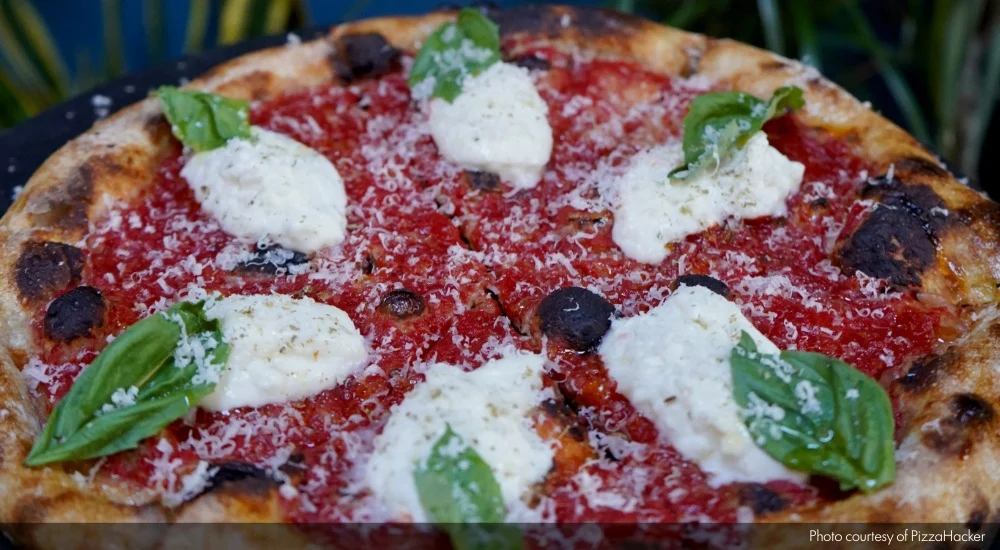
A prime example from State of Mind is Smith’s truffle honey pizza, designed for Valentine’s Day. This offering elevated a traditional pepperoni pie with a gourmet touch. Despite initial skepticism from staff, it sold exceptionally well, demonstrating that a familiar base with an unexpected, high-quality addition can be a winning formula. Its success was so pronounced that the truffle honey concept was integrated into the bar menu as a spritz, proving the longevity of a well-received LTO component.
LTOs as a Catalyst for Staff Development and Engagement
Beyond their customer-facing benefits, LTOs serve as a powerful internal tool for staff development and engagement, directly addressing the "staff development opportunities" aspect of the article’s title. Entrusting a trusted staff member with the responsibility of managing LTOs can be an invaluable way to cultivate leadership skills, foster creativity, and increase job satisfaction.
Many pizzerias, including State of Mind, actively involve staff in the ideation process for LTO menus. This participatory approach empowers employees, making them feel valued and invested in the business’s success. Houston-based Coastline Pizzeria takes this a step further by offering profit-sharing to staff members whose LTO ideas are selected and successfully implemented. This directly incentivizes innovation and rewards direct contributions to the menu.
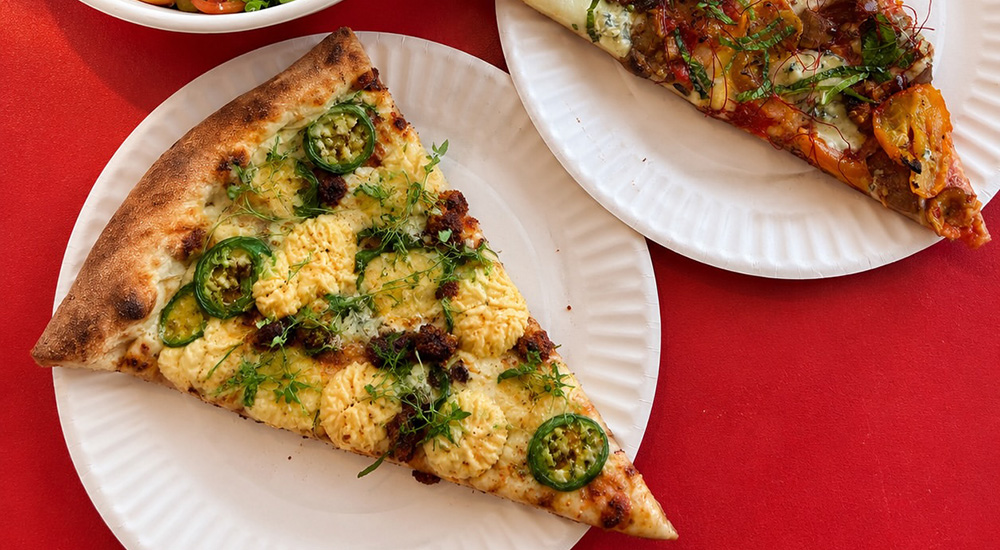
Such initiatives transform LTO development into an internal incubator for talent. Kitchen staff gain experience with new ingredients and techniques, while front-of-house staff sharpen their sales and communication skills by articulating the unique aspects of each special. This continuous learning environment combats monotony, reduces turnover, and builds a more skilled and engaged workforce. In an industry notoriously challenged by staffing, investing in employee development through creative avenues like LTOs can be a significant differentiator.
The Power of "Organic Marketing": Driving Urgency and Buzz
LTOs are inherently "organic marketing tools." The sense of newness and urgency they create naturally mobilizes staff, guests, and even external entities like journalists and social media influencers. As Smith notes, “You’re creating new opportunities for your team to learn, for them to engage with the menu and prep organic talking points without destabilizing operations.”
The finite availability of an LTO acts as a powerful motivator, prompting customers to prioritize a visit to avoid missing out. This "fear of missing out" (FOMO) is a well-documented psychological trigger in consumer behavior, and LTOs leverage it effectively. Data from marketing analytics firms often shows spikes in social media mentions and customer foot traffic around the launch and nearing the end of successful LTO campaigns.
State of Mind capitalizes on this by posting photos and videos of limited-time items to social media towards the end of their seasonal menu periods. This strategic timing often results in a significant sales spike, as customers rush in for a final taste of favorites they may not get a chance to enjoy again, or to try items they’ve been curious about before they disappear. This content also provides valuable, authentic material for ongoing social media engagement, reinforcing the brand’s image as innovative and dynamic. LTOs provide built-in content for newsletters, email campaigns, and local media outreach, generating buzz that feels authentic because it’s tied to genuine culinary innovation.
The Indispensable Core: Maintaining Customer Loyalty
While the allure of newness is strong, successful LTO strategies must always operate within the context of a robust core menu. It’s crucial not to alienate loyal customers by regularly discarding beloved items in favor of temporary specials. Winning over new customers is rewarding, but retaining loyal patrons, who often provide consistent revenue and positive word-of-mouth, is arguably more meaningful.
At State of Mind, cornerstone items such as classic cheese pizza, pepperoni, mushroom pizza, and Caesar salad are sacrosanct. These top sellers always retain their spot on the menu, regardless of the season. They represent the brand’s identity and provide a comforting familiarity that customers rely on. LTOs should act as exciting supplements, not disruptive replacements, allowing the pizzeria to cater to both adventurous eaters and those who prefer their trusted favorites. This balance ensures that while LTOs attract attention, the core offerings maintain customer loyalty and provide a stable revenue base.
Pricing Strategy: Value, Not Discount
A common misconception is that "limited-time" implies "discounted." Smith emphatically refutes this notion. He states, “Do not feel if you come up with a really good LTO that you need to make it cheaper. You do not.” The pricing of LTOs should be consistent with, or even slightly higher than, regular menu items, reflecting their special, unique, or premium nature.
LTOs are not designed to empty out the freezer of aging ingredients at a reduced price; rather, they are opportunities to showcase premium ingredients, unique flavor combinations, or special culinary techniques. Customers are often willing to pay a premium for novelty and perceived exclusivity. The goal is to make the LTO compelling and to drive business by creating urgency that subtly changes guests’ purchasing behavior, encouraging them to try something new and exciting that offers high perceived value, rather than merely a bargain. This approach also reinforces the brand’s commitment to quality and innovation, rather than cheapening its offerings.
LTOs as a Vehicle for Community Engagement and Brand Ethos
Beyond purely commercial benefits, LTOs offer a powerful platform for community engagement and reflecting a brand’s deeper ethos. They can be leveraged for social good, as exemplified by fundraisers organized by initiatives like Slice Out Hunger, where portions of LTO sales are donated to charitable causes. Smith personally ties sales of specific dishes to nonprofits or causes he believes in, stating, “We’ll do a month special and donate a certain amount of the sales back to them.” This not only contributes to the community but also enhances the brand’s reputation and appeal to socially conscious consumers.
Furthermore, LTOs can serve as a tribute to the local community and its history. The State of Mind pizzeria in Los Altos, California, for instance, is situated on land that was once an apricot orchard. Each spring, when apricots are in season, Smith creates a special pizza that pays homage to this local heritage. Even though State of Mind doesn’t typically feature fruit-topped pies, this particular LTO is an exception, offered only when the fruit is at its peak. “It’s unexpected but aligned in that we’re paying homage to the local community,” Smith explains. This thoughtful integration of local history and seasonal produce through an LTO creates a unique narrative that strengthens the pizzeria’s connection with its immediate surroundings and fosters a sense of local pride among its clientele.
Broader Implications and The Future of Pizzeria Innovation
The strategic implementation of LTOs, as championed by Lars Smith, represents a paradigm shift in how pizza businesses can approach menu development, marketing, and staff management. By moving away from reactive, chaotic promotions towards a structured, intentional system, pizzerias can unlock significant benefits:
- Enhanced Customer Engagement: LTOs keep the menu fresh and exciting, encouraging repeat visits and attracting new customers seeking novel culinary experiences.
- Optimized Operations: Planned LTOs allow for better inventory management, reduced food waste, and more efficient kitchen workflows.
- Stronger Brand Identity: When LTOs are aligned with a brand’s ethos, they reinforce its values and differentiate it from competitors.
- Empowered Workforce: Involving staff in LTO development and execution fosters creativity, builds leadership skills, and increases job satisfaction, addressing critical retention challenges in the food industry.
- Effective Organic Marketing: The inherent urgency and novelty of LTOs generate natural buzz, social media content, and word-of-mouth marketing, often at a lower cost than traditional advertising.
- Community Integration: LTOs provide a flexible mechanism for supporting local causes and celebrating local culture, deepening community ties.
In essence, LTOs, when executed with foresight and discipline, are far more than mere specials; they are dynamic tools for holistic business growth. They empower pizzerias to remain agile, responsive to market trends, and deeply connected to their customers and communities, ensuring long-term vitality in a constantly evolving culinary landscape. The insights shared by industry leaders like Lars Smith at events like Pizza Expo are critical for equipping pizzeria owners with the strategies needed to navigate this dynamic environment successfully.
KATE LAVIN is Senior Editor of Pizza Today.