admin
admin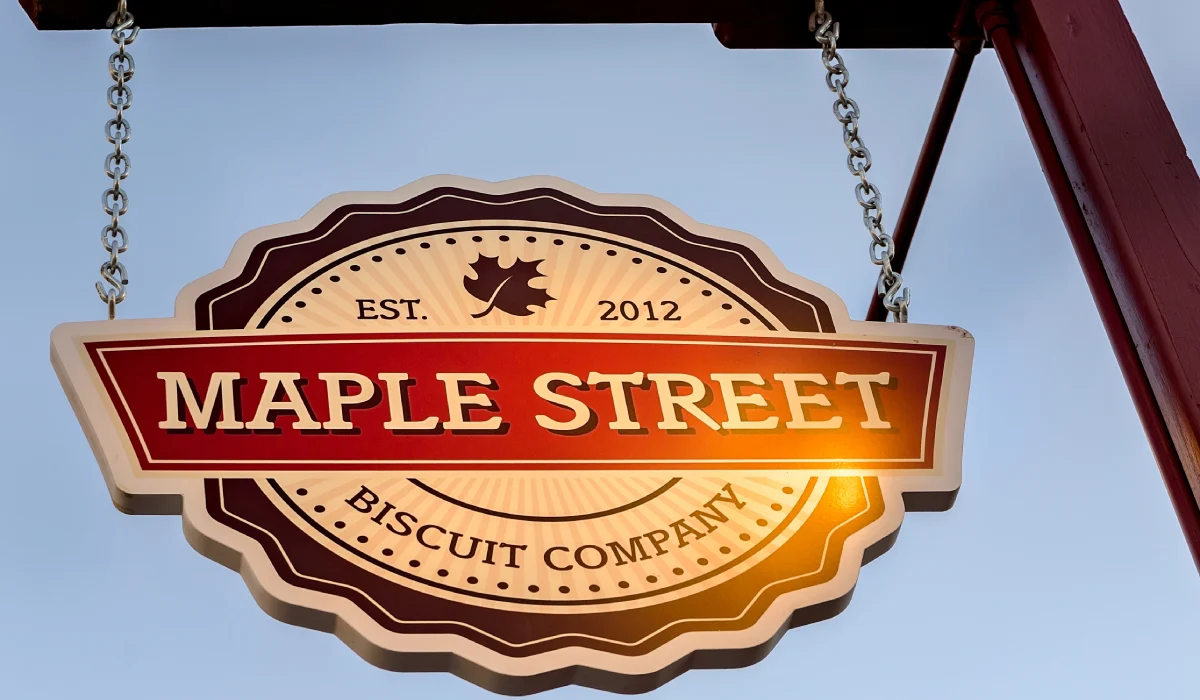
Cracker Barrel Old Country Store, Inc. has officially completed its exit from the fast-casual breakfast sector, announcing the sale of its subsidiary, Maple Street Biscuit Company, to the emerging competitor Biscuit Belly. The transaction, which includes the sale of the Maple Street trademark, intellectual property, and assets related to 35 existing locations, marks a definitive shift in the company’s corporate strategy as it seeks to shore up its flagship brand and optimize its balance sheet. Under the terms of the agreement, the remaining 16 Maple Street locations that were not included in the sale will be permanently shuttered.
This divestiture is expected to carry a significant financial impact in the short term. Cracker Barrel anticipates recording non-cash charges between $37 million and $39 million in the fourth quarter, primarily tied to the sale of assets and intellectual property. Furthermore, the company projects an additional $6 million to $8 million in cash costs associated with the exit. These expenses encompass severance packages for affected employees, lease termination fees, and other administrative exit costs. While the majority of these charges will be recognized immediately, the company indicated that certain expenses related to lease obligations and site closures would likely extend through fiscal year 2027.
The Strategic Rationale and Brand Focus
The decision to divest Maple Street Biscuit Company comes as Cracker Barrel intensifies its focus on its primary brand, which has faced a challenging consumer environment and shifting demographic preferences over the last several years. Despite the fast-casual chain’s growth in unit count, it remained a minor contributor to the parent company’s overall financial health, accounting for less than 2 percent of Cracker Barrel’s total annual revenue.
By removing the operational and capital requirements of the Maple Street brand, Cracker Barrel leadership expects to see an improvement in adjusted EBITDA (earnings before interest, taxes, depreciation, and amortization) starting in fiscal year 2027. The move allows management to streamline its portfolio and redirect resources toward a multi-year "strategic transformation" of the core Cracker Barrel experience.
CEO Julie Masino, who took the helm in 2023, has been vocal about the necessity of prioritizing the flagship brand. During a February 2024 earnings call, Masino signaled that while Maple Street offered a quality product and a strong weekend business, it had become a distraction from the urgent work required to revitalize Cracker Barrel. "We are working very, very hard on the strategic transformation and getting this business back to growth," Masino stated at the time. "Right now, we are really focused on growing Cracker Barrel and returning it to strength."
Chronology of the Maple Street Acquisition and Growth
The history of Maple Street Biscuit Company under the Cracker Barrel umbrella is a study in the rapid expansion and eventual consolidation of a niche brand. Founded in 2012 by Gus Evans and Scott Moore in Jacksonville, Florida, Maple Street quickly gained a following for its "community store" feel and "comfort food with a modern twist."
Cracker Barrel acquired the concept in 2019 for $36 million, a move then-CEO Sandra Cochran described as a way to penetrate the urban and suburban markets where the traditional Cracker Barrel footprint was less effective. At the time of the acquisition, the chain consisted of 28 company-owned restaurants and five franchised locations.
Under Cracker Barrel’s ownership, the brand’s footprint expanded aggressively:
- Fiscal 2020: 35 restaurants
- Fiscal 2021: 37 restaurants
- Fiscal 2022: 51 restaurants
- Fiscal 2023: 59 restaurants
- Fiscal 2024: 66 restaurants
- Fiscal 2025: 68 restaurants
However, the rapid scaling of the brand occurred simultaneously with broader economic headwinds, including rising labor costs and commodity inflation. By May 2024, the company began to pivot, announcing plans to slow development and refine the Maple Street business model to improve unit-level economics. In September 2025, the company identified 14 underperforming units for closure, a precursor to the total divestment announced this week.
Biscuit Belly’s Strategic Expansion
The acquisition represents a transformative moment for Biscuit Belly, a Louisville-based fast-casual chain founded in 2019 by Chad and Lauren Coulter. Prior to this deal, Biscuit Belly operated approximately 15 locations across nine states. By acquiring 35 Maple Street locations, Biscuit Belly will more than triple its footprint, instantly becoming a major player in the competitive "better breakfast" category.
The Coulters have positioned Biscuit Belly as a high-energy, chef-driven concept that appeals to a younger demographic than traditional sit-down breakfast chains. The integration of Maple Street’s assets is expected to provide Biscuit Belly with immediate entry into several high-growth markets where Maple Street had already established a presence. While the transition of these units to the Biscuit Belly brand will require capital investment, the acquisition of established leases and existing kitchen infrastructure provides a significantly faster path to growth than organic de novo development.
Financial Restructuring and Sale-Leaseback Transactions
In tandem with the Maple Street sale, Cracker Barrel has moved to bolster its liquidity through a sale-leaseback transaction involving 26 of its company-owned Cracker Barrel restaurants. This financial maneuver generated approximately $77 million in net proceeds.
A sale-leaseback allows a company to sell its real estate assets to an investor and then immediately lease the property back, usually under a long-term agreement. This strategy converts "trapped" equity in real estate into immediate cash, which Cracker Barrel has stated it intends to use primarily for debt reduction. While this increases the company’s long-term rent obligations, it provides the necessary capital to fund its $700 million brand transformation plan without significantly increasing its leverage in a high-interest-rate environment.
The transformation plan, which was unveiled earlier this year, includes a comprehensive refresh of the Cracker Barrel menu, store remodels aimed at improving the guest experience, and investments in digital technology to enhance off-premise sales and loyalty programs.
Current Performance and Fiscal Outlook
Despite the volatility associated with the divestiture and the ongoing brand transformation, Cracker Barrel’s recent performance data suggests a stabilization of the business. Through the first 11 weeks of the fourth quarter of 2026, the company reported that same-store sales declined by approximately 2.5 percent. While negative, this figure was offset by a 0.5 percent increase in retail comparable sales, reflecting the enduring appeal of the "country store" portion of the business.
Significantly, Cracker Barrel management has updated its financial guidance, indicating that the company now expects to reach or exceed the high end of its fiscal 2026 revenue outlook, which is pegged between $3.27 billion and $3.30 billion. Furthermore, the company anticipates surpassing its adjusted EBITDA guidance of $120 million to $125 million. This optimistic outlook suggests that the cost-saving measures and strategic focuses implemented by the new leadership team are beginning to yield results, even as the company navigates the costs of exiting the fast-casual space.
Broader Industry Implications
The exit of Cracker Barrel from the fast-casual segment reflects a broader trend in the casual dining industry. During the late 2010s, several legacy casual dining brands sought to diversify their portfolios by acquiring or launching "express" or fast-casual versions of their concepts. The goal was to capture the growing demand for convenience and lower price points among millennial and Gen Z consumers.
However, the operational complexities of managing a fast-casual brand are distinct from those of full-service dining. From supply chain differences to different labor models, many legacy brands have found that these secondary concepts can dilute management focus and capital. IHOP’s recent experiment with its "Flip’d" fast-casual concept followed a similar trajectory, with the brand eventually folding the pilot to focus on its core pancake house business.
For Cracker Barrel, the Maple Street experiment provided valuable insights into the breakfast-and-lunch-only daypart, but the financial reality of the "strategic transformation" necessitated a choice. By selling to Biscuit Belly, Cracker Barrel ensures that the Maple Street locations with the highest potential continue to operate under a dedicated fast-casual management team, while Cracker Barrel itself returns to its roots as a premier destination for traditional American comfort food and retail.
As the company moves into fiscal 2027, the focus will remain squarely on the execution of its store refreshes and menu innovations. With $77 million in new liquidity and a leaner corporate structure, Cracker Barrel is betting that its future lies not in diversification, but in the modernization of the classic "Old Country Store" experience that has defined the brand for over five decades. The market will be watching closely to see if the elimination of the Maple Street "charge" and the reinvestment of capital into the core brand can reverse the long-term trend of declining guest traffic and restore the company to its former position of industry leadership.