admin
admin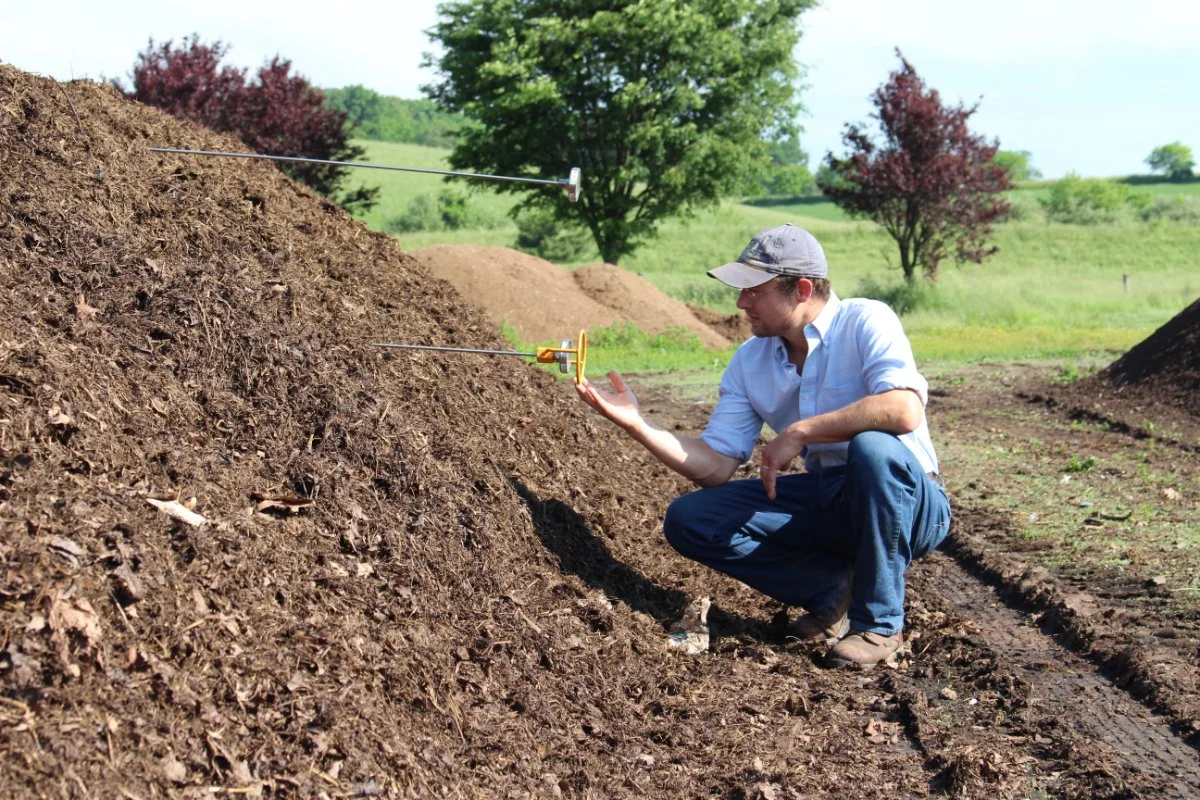
In a world increasingly grappling with the pervasive environmental crisis of plastic pollution, the promise of home-compostable bioplastics offers a beacon of hope, yet the reality of these products fulfilling their ecological potential remains complex and fraught with challenges. While consumers are encountering an expanding array of items—from bamboo cutlery to plant-fiber plates and bin liners—bearing "home-compostable" labels, the journey from backyard bin to fully integrated soil nutrient is far from straightforward. The industry is in a critical phase of evolution, marked by the recent introduction of certification standards and ongoing scientific scrutiny into their real-world performance and safety.
The Rise of Home-Compostable Solutions
The market for bioplastics has seen significant growth over the past decade, driven by consumer demand for sustainable alternatives and increasing regulatory pressure on conventional plastics. Global plastic production, which exceeded 400 million metric tons in 2023, continues to put immense strain on landfills and ecosystems, with only a fraction of traditional plastics ever being recycled. This backdrop has fueled the search for materials that can mitigate the environmental footprint of single-use items. Bioplastics, derived from renewable biomass sources like corn starch, sugarcane, or even seaweed, are touted as a key part of this solution.
A significant development occurred in December 2025, when the Biodegradable Products Institute (BPI), a leading North American certification body based in New York, officially launched its home-compostable certification standard and accompanying label. This initiative aims to provide clarity and credibility for bioplastic products designed to break down in a typical backyard compost bin. Since its inception, BPI has quietly certified products from nearly two dozen companies, signaling a growing industry commitment to this niche but vital segment.
Parallel to BPI’s efforts, the Austrian company TUV has long offered a similar certification, its "OK Home" label, which has already certified hundreds of products available in the U.S. market. These certifications represent a crucial step towards distinguishing genuinely compostable products from those that merely carry "greenwashed" or misleading labels—a persistent problem that has eroded consumer trust and frustrated commercial composters.
Rhodes Yepsen, executive director at BPI, emphasized the necessity of these standards, stating, "We thought it was important to start verifying the claims around home compostability." The underlying idea is compelling: to empower individuals to contribute to waste reduction by diverting food scraps, often collected in bio-bags, and the associated compostable packaging from landfills to their home compost piles. This diversion is not just about waste management; it’s also about reducing greenhouse gas emissions, particularly methane, which is released when organic matter decomposes anaerobically in landfills.
The Bioplastics Landscape: Promise and Pitfalls
While the intent behind compostable bioplastics is commendable, their journey from concept to practical application has been anything but smooth. Most compostable bioplastics, regardless of whether they are derived from plant materials or even fossil fuels (some are engineered to break down despite their origin), are manufactured using processes akin to traditional plastics. They are primarily designed to decompose under the highly controlled, high-temperature conditions found in commercial composting facilities, where billions of specialized microbes work efficiently to break down materials into water, carbon dioxide, and nutrient-rich compost.
However, a significant hurdle emerged as these products proliferated: many failed to fully decompose in commercial settings, leaving behind stubborn fragments and contaminating the finished compost. This led numerous commercial composters, wary of product integrity and the potential for residual plastic contamination, to implement outright bans on accepting bioplastic packaging. The issue was exacerbated by the prevalence of products with vague or intentionally misleading "biodegradable" or "eco-friendly" labels that lacked rigorous third-party verification.
This history of unfulfilled promises underscores the importance of the new home-compostable certifications. By creating a distinct standard for backyard conditions, BPI aims to address the specific challenges of decentralized composting. Yet, despite these efforts, experts like Tricia Vaidyanathan, science director at Beyond Plastics, express caution. "While BPI’s standard is a fairly good home composting standard, it’s not a health or environmental standard, so there is a lot missing," Vaidyanathan noted, voicing concerns about whether the laboratory conditions accurately reflect the highly variable reality of a home backyard compost pile.
Navigating the Nuances of Certification

BPI’s new home-compostable certification largely mirrors TUV’s existing OK Home label, drawing inspiration from a French compost standard (NF T51-800) tailored for plastics suitable for home composting. Crucially, BPI also incorporated findings from its own six-month investigation into how effectively existing home-compostable products degraded across a diverse range of backyard systems, climates, and management practices. Although the detailed results of this study, which involved over 15 sites ranging from volunteer-managed backyard piles to community compost operations, are not publicly available, they informed the new certification criteria.
To achieve BPI’s home-compostable certification, materials must meet two international standards for industrial composting established by the American Society for Testing and Materials (ASTM), but with significant adaptations for backyard environments. The key difference lies in temperature: certified products must break down at a lower temperature of 25 degrees Celsius (77 degrees Fahrenheit), which is more typical of backyard heaps, rather than the 55 to 60 degrees Celsius required for industrial composting. Furthermore, longer decomposition periods are permitted, extending beyond the 12 weeks typically allotted for industrial composting.
Experts generally concur that materials meeting these adapted ASTM biodegradation standards are theoretically more likely to decompose than traditional plastics. Some scientific studies indeed corroborate this, showing improved degradation rates for certified bioplastics. However, a significant knowledge gap remains regarding the ultimate fate of any compostable microplastics generated by either commercial or home systems, particularly how long they might persist in soil and their long-term environmental impacts. This is an active area of research, with no definitive answers yet.
The Reality of Backyard Bins: A Scientific Perspective
The practical challenges of home composting were vividly illustrated by research conducted by Frederick Michel, a professor and compost researcher at Ohio State University. Michel, whose laboratory received a BPI grant to study home-compostable products, tested 14 different materials—including butcher paper, single-serve coffee capsules (K-cups), plates, straws, and compostable bags—in five different bin types. These included two tumblers, an open heap, and an insulated bin, all managed to simulate typical homeowner practices, with additions of food scraps, manure, and leaves.
Michel’s findings highlighted a critical aspect of backyard composting: most home compost systems, on average, achieved temperatures only five degrees Celsius above ambient air temperature. This often-insufficient heat proved to be a major impediment to decomposition. Consequently, many of the test materials did not fully break down over the six-month study period, with the notable exception of those in the insulated bin, which consistently maintained higher temperatures.
"Compostable bags didn’t break down fully after six months, though they did better when they were full of food scraps; K-cups only broke down in the insulated bin," Michel reported. He added, however, that "all [the materials] degraded to a certain extent, so I would assume that if you kept this going for a year, they would be broken down over time." This suggests that while decomposition occurs, it often requires more time and ideal conditions than many home composters can provide. A more troubling concern for Michel is the potential for nonbiodegradable coatings on some compostable products to generate persistent microplastics, even if they constitute a small percentage of the total product.
Practitioners’ Perspectives: Challenges on the Ground
Michel’s scientific observations resonate deeply with the experiences of compost practitioners across the country. Many composters anticipate that home-compostable products could take up to two years to fully decompose in a backyard setting. Even BPI itself advises home composters to allow a generous 12 months for its certified products to break down completely, with no detectable microplastics remaining.
This extended timeline is largely due to the inherent variability in backyard composting conditions and the varying levels of attentiveness homeowners can dedicate to managing their piles. Caleb Goossen, organic crop and conservation specialist at the Maine Organic Farmers and Gardeners Association (MOFGA), explained, "It’s very rare for a home compost to be achieving composting in the same way that commercial composts are. It’s hard to have a large enough pile of material that will retain the heat."
MOFGA, which hosts an annual fair attracting 60,000 people, maintains a dedicated outdoor compost operation for bioplastic food serviceware. While reusable options are preferred, they are not always practical for such large events. Jason Tessier, MOFGA’s facilities director, has perfected a system through trial and error, composting 30 yards of compostable plates, cups, and cutlery alongside 180 yards of food scraps, manure, bedding, and butcher waste from his dairy farm. Tessier’s success hinges on access to the nutrient-rich dairy inputs that provide the essential microbes and heat. He cautioned that most home composters, lacking such resources, "have a really hard time keeping temperatures up, and I think is going to have a very hard time composting [these] products."
Individual home composters have shared mixed experiences. Ben Jankowski, a member of the Pedal People collective in Northampton, Massachusetts, which hauls waste by bicycle, occasionally adds bioplastics to his two home compost heaps. "I’ve been experimenting with it a bit, [and] it seems to break down pretty well, especially the BPI-certified stuff," he said, noting they "melt down pretty quickly." Jankowski’s household generates substantial food scraps, supplemented by leaves and collected compost, creating a robust system.

Conversely, Rick Carr, senior farm manager and compost director at the Rodale Institute in Pennsylvania, expressed skepticism. Despite dabbling with bioplastic products at home and after events, he stated, "In all my experience at every scale, I haven’t been able to make these materials break down." He maintains separate piles for bioplastic serviceware, keeping them distinct from the institute’s organic compost to avoid contamination.
Margot Wise, a certified community compost operator in Holyoke, Massachusetts, sees the development of home-compostable materials as "awesome" given the limited access to commercial composters for many. However, she highlights the significant challenge of public education and the pervasive confusion around truly backyard-compostable products, making her hesitant to allow them in her community hub.
Beyond Decomposition: The Chemical Conundrum
While the physical breakdown of bioplastics is a primary concern, a more profound and potentially insidious issue lies in their chemical composition. Scientists are increasingly worried about the chemical additives and untested breakdown products that may be released when home-compostable items decompose. Consequently, many experts advise caution against using compost derived from bioplastics on edible gardens.
Compostable bioplastics, whether destined for home or industrial systems, are largely made from renewable sources such as corn, sugarcane, or seaweed. However, most are fabricated using similar industrial processes as conventional plastics, which necessitates the addition of various chemicals to impart desired properties like flexibility, durability, color, and resistance. Some bioplastics, like those utilizing polybutylene adipate terephthalate (PBAT) in alternative film wraps, are even derived from fossil fuels but are engineered for degradation.
Home compostables often feature different formulations than their industrial counterparts to enable breakdown at lower temperatures. A newer class of bioplastics, polyhydroxyalkanoates (PHAs), is gaining traction for home-compostable products due to their enhanced biodegradability compared to commonly used bioplastics like polylactic acid (PLA), which is derived from starch. PHAs are produced by microorganisms through a fermentation process, where bacteria store them as fat. While raw PHAs do not contain chemical additives from traditional plastic manufacturing, chemicals are likely added later during product formulation.
Several review studies have issued stark warnings, suggesting that biodegradable bioplastic particles and fibers might be as, if not more, toxic than traditional plastics due to these chemical additives. One study, for instance, found bioplastic fibers to be more toxic to earthworms than polyester fibers. Another laboratory study indicated that compostable bags exhibited greater toxicity to liver cells than conventional plastic bags.
Lisa Zimmerman, scientific communication officer at the Food Packaging Forum, underscored the gravity of this issue: "These additive chemicals degrade or become another substance, or they might be very persistent and be taken up [by] the plant that we eat. We don’t see these chemicals, but they are still going into our soil."
BPI’s certification protocol explicitly disallows intentionally added PFAS (per- and polyfluoroalkyl substances), often dubbed "forever chemicals," along with other persistent chemicals, carcinogens, and reproductive hazards. However, it notably omits endocrine disruptors, such as phthalates, which are frequently used as plasticizers. In contrast, TUV’s OK Home label does prohibit endocrine disruptors, though it does not explicitly ban PFAS.
When questioned about the absence of endocrine disruptor restrictions, Margaret Eldridge, director of certification at BPI, stated, "We continue to evaluate whether additional restrictions would strengthen confidence in compostability claims." This ongoing evaluation highlights the dynamic nature of these standards as scientific understanding evolves.
Beyond Plastics’ Tricia Vaidyanathan criticized BPI’s verification protocol, stating it "doesn’t have a very strong set of teeth." She added, "They’re relying on people working in good faith. Some corporations lie. Sometimes they commit fraud. Are the affidavits the corporations are signing strong enough?" Mark Rossi, creator of the GreenScreen for Safer Chemicals assessment tool, echoed this sentiment, calling BPI’s approach "weak verification criterion" for not requiring independent hazard evaluations. Rhodes Yepsen, BPI’s executive director, defended the process, asserting that BPI’s combined review of product formulations, safety data sheets, restricted substance lists, and analytical testing "is consistent with how product certification is commonly practiced across certification systems."
Vaidyanathan also pointed out that while BPI’s certification assesses impacts on seed germination and plant growth, it does not mandate testing for effects on soil microbial communities, earthworms, other invertebrates, nutrient cycles, or the long-term health of soil ecosystems. These omissions represent critical gaps in understanding the full environmental impact.

Innovation on the Horizon: Searching for Safer Solutions
Despite the current hurdles, the search for truly sustainable and safe home-compostable materials continues, with promising avenues emerging. Products derived from PHAs appear to hold the most potential for reducing chemical additives and enhancing biodegradation. Leah Ford, marketing director at CJ Biomaterials, a PHA manufacturer, highlighted the versatility of these materials: "There are 150 types, [all] with slightly different mechanical properties, and when you start mixing them together, you get very cool structures. You don’t need what we consider traditional additives." Specifically, amorphous PHA can be blended with other bioplastics like PLA to create products that degrade more readily in backyard settings.
Seaweed-based products, such as those developed by companies like Sway, are also attracting attention as potentially more sustainable alternatives. Tricia Vaidyanathan describes them as "an intriguing option, because [Sway] seems to be trying to get at the criticisms of other bioplastics in terms of compostability and agricultural land and water use needs." However, she cautioned, "I would want to know what exactly is the formulation, and [whether] it has been verified in real-world conditions, not in a lab."
The innovation pipeline for new materials is inherently slow. Ford noted that it can take 5 to 10 years to bring a new biopolymer to market, a process further complicated by economic pressures. "It’s very difficult for biopolymers to compete economically," she said. "You have to do everything incumbent plastics do… [and also] be more sustainable, but you can’t cost more." This economic reality presents a significant barrier to widespread adoption and further research and development.
The Bottom Line—At Least for Now
The current state of home-compostable bioplastics presents a paradox: a compelling solution to plastic waste, yet one that is still maturing and carries its own set of environmental and health uncertainties. Jason Tessier of MOFGA, despite his success in composting bioplastic serviceware, remains cautious. He stated he would not spread the resulting compost on his dairy farm. "It doesn’t add anything to a compost pile," he said, "and to take the risk of adding contaminants without adding any nutrients is a pretty big limb to climb out on."
Rick Carr of the Rodale Institute, however, expresses a willingness to experiment with certified home-compostable materials in his own backyard, driven by a desire for knowledge. "I’d like to try to make it work and increase my own knowledge so that I can inform others," he explained, acknowledging the concern about compostable microplastics but noting that traditional plastics already contribute "true microplastics" to his composting systems.
A potential path forward could be informed by Europe’s evolving packaging law, which advocates for reserving compostable bioplastics primarily for items that are difficult to separate from food waste, such as bin liners, produce stickers, tea bags, and coffee pods. Lisa Zimmerman of the Food Packaging Forum supports this approach, provided these applications are "designed in a safe way" and do not release harmful chemicals into the soil. "We are not yet there," she cautioned.
Caleb Goossen of MOFGA acknowledged the immense challenge faced by organizations like BPI. "What they’re trying to do is incredibly difficult," he said. The ultimate goal, as Tricia Vaidyanathan succinctly put it, is to find a "miracle material" that is durable and strong when needed, yet disappears completely and harmlessly when no longer required. "People are always hopeful there’s going to be an easy solution to get out of this plastic mess that we’re in. I get the appeal. It’d be great if there was a miracle material that allowed us to do that." Until such a material is unequivocally proven safe and effective, the journey for home-compostable bioplastics remains a work in progress, demanding continued scientific rigor, robust regulation, and informed consumer choices.