admin
admin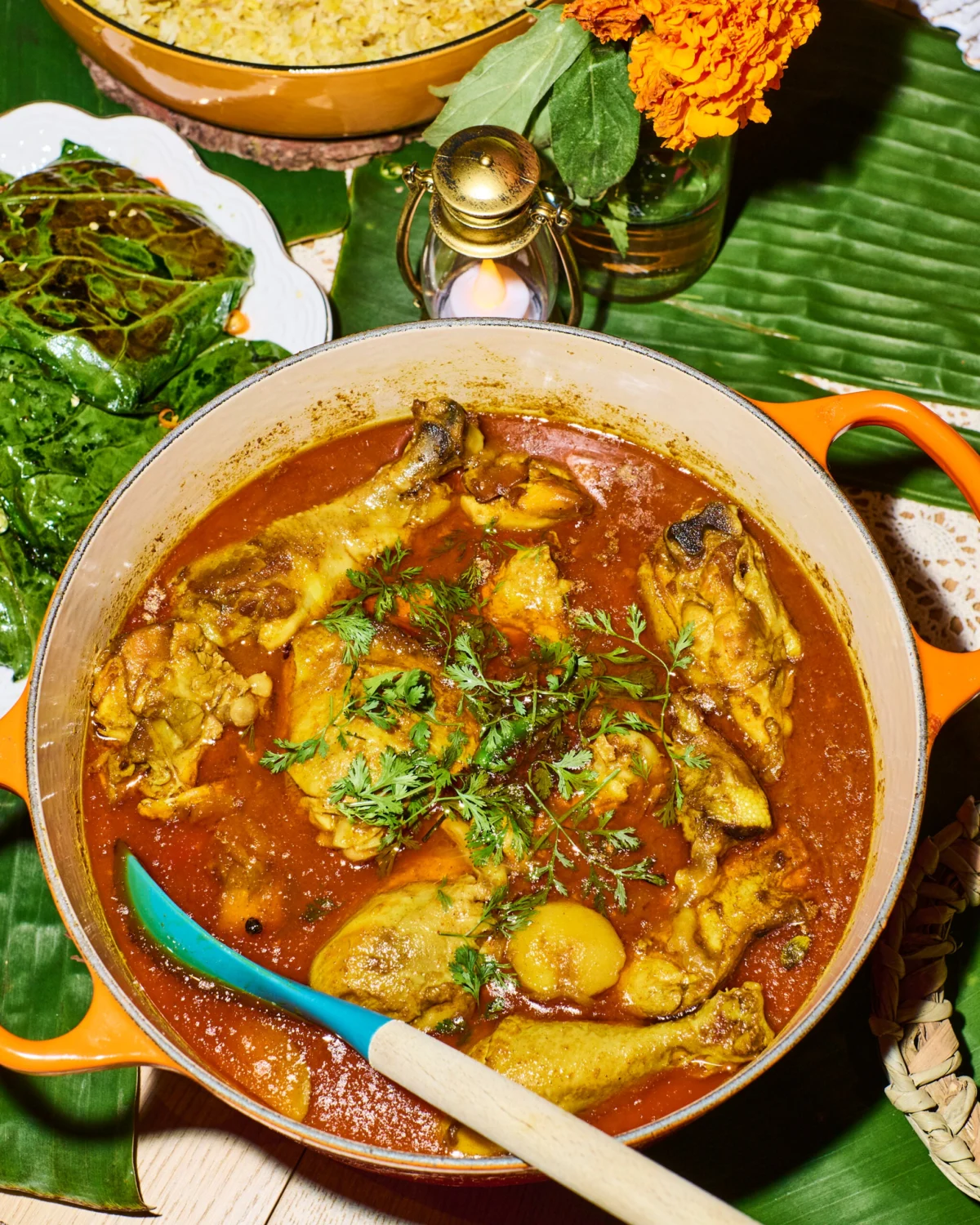
The intricate dance of spices and the patient layering of flavors are central to the creation of many celebrated dishes, and a meticulously prepared chicken and potato curry stands as a testament to this culinary philosophy. This detailed recipe, broken down into four distinct stages, offers a comprehensive guide to achieving a rich, aromatic, and deeply satisfying meal. From the initial sautéing of aromatics to the final flourish of fresh herbs, each step plays a crucial role in developing the dish’s complex flavor profile and appealing texture. The process begins with building a robust flavor base, progresses through the melding of spices with the primary ingredients, and culminates in a slow simmer that ensures tenderness and complete integration of tastes. This methodical approach underscores the importance of technique and timing in achieving culinary excellence, transforming simple ingredients into a sophisticated and comforting dish.
The Genesis of Flavor: Building the Aromatic Foundation
The initial phase of crafting this curry emphasizes the foundational elements that will underpin its entire flavor architecture. This begins with a generous swirl of oil in a large pot, heated over medium-high heat until it shimmers, signaling its readiness to embrace the aromatics. The introduction of finely chopped onions and two carefully selected chiles marks the commencement of this crucial stage. These ingredients are then cooked, with intermittent stirring using a wooden spoon, for approximately five minutes. This duration allows the onions to soften and begin their transformation, a process known as caramelization, where their natural sugars develop, imparting a subtle sweetness and depth. The slight browning achieved at this point is vital; it signifies the release of volatile compounds that contribute significantly to the overall aroma and taste.
Following the initial sauté, ripe tomatoes are added to the pot. The act of using the spoon to break them up slightly is not merely about convenience but about facilitating their breakdown and release of juices. Tomatoes, with their inherent acidity and umami, act as a crucial counterpoint to the richness of the spices and the savoriness of the chicken. They are then covered and allowed to cook for about five minutes, a period during which they begin to soften considerably, their distinct structure yielding to the heat. This stage is pivotal as it allows the cooked-down tomatoes to form a pulpy, concentrated base, ready to absorb and amplify the subsequent spice additions. The moisture released by the tomatoes also contributes to the initial deglazing of the pot, lifting any flavorful browned bits from the bottom, which are essential for a well-rounded flavor profile.
The Symphony of Spices: Infusing Depth and Complexity
The second stage of this culinary endeavor is where the true magic of the curry begins to unfold, as a carefully curated blend of spices is introduced to the aromatic base. The heat is adjusted to medium, a temperature that allows for the gentle toasting and blooming of the spices without scorching them. Into the pot go coriander, cumin, garlic paste, ginger paste, chile powder, salt, turmeric, peppercorns, cardamom, cloves, bay leaves, and cinnamon sticks. Each of these spices brings a unique character to the dish. Coriander offers a warm, citrusy note, while cumin provides an earthy depth. Garlic and ginger pastes are indispensable for their pungent and zesty aromas, forming the backbone of many South Asian cuisines. Chile powder introduces heat, the intensity of which can be adjusted to personal preference, while turmeric lends its vibrant golden hue and subtle peppery flavor, along with renowned anti-inflammatory properties, a fact that has been documented in numerous health studies.
The peppercorns, cardamom, cloves, bay leaves, and cinnamon sticks are whole spices that will slowly release their essential oils during the cooking process, imparting a more nuanced and layered fragrance. This mixture is then cooked, with frequent stirring, for approximately five minutes. This crucial step, often referred to as "blooming" the spices, allows their volatile oils to be released by the heat, intensifying their aromas and flavors and ensuring they are fully integrated into the tomato and onion base. The mixture will visibly darken during this process, a visual cue that the spices are actively developing their character. Following this, the pot is covered and allowed to cook for another three minutes. This brief steaming period ensures that the onions and tomatoes have almost completely disintegrated, forming a cohesive paste, and, importantly, the oil begins to separate and rise to the top. This separation of oil is a classic indicator in many cuisines that the masala base has been cooked sufficiently, signifying that the fats have absorbed the flavors of the spices and are ready to carry them throughout the dish.
The Heart of the Dish: Integrating Protein and Starch
With the foundational masala expertly prepared, the third stage focuses on incorporating the main ingredients: chicken and potatoes, and then bringing the dish to a gentle simmer. Cubes of chicken and chunks of potato are added to the pot, immediately coated in the rich spice mixture. The pot is then covered, and the ingredients are allowed to cook for five minutes, a brief period that allows the chicken to begin releasing its natural moisture and the potatoes to start absorbing the surrounding flavors. A toss after these initial five minutes ensures even cooking and distribution of the spice paste onto all surfaces of the chicken and potatoes. This process continues for about ten minutes, during which the chicken will become opaque and thoroughly coated, a visual testament to the effective integration of the masala.
The addition of 1 ¼ cups of hot water is a critical step that introduces the liquid necessary for simmering and tenderizing the ingredients. Hot water is preferred over cold as it helps maintain a consistent cooking temperature and prevents the ingredients from seizing up. Another toss ensures the water is evenly distributed. The mixture is then brought to a boil, signaling that it is ready for the crucial low-and-slow cooking phase. The heat is turned to low, the pot is covered, and the curry continues to cook for an additional 18 to 20 minutes. This extended simmering period is vital for several reasons. It allows the potatoes to become perfectly tender, easily pierced with a fork, and ensures that the chicken is cooked through and separates easily from the bone if bone-in pieces are used. This slow cooking process also allows the flavors to meld and deepen, creating a harmonious and complex taste that is characteristic of a well-made curry. The gradual absorption of the spiced liquid by the potatoes also contributes to their creamy texture.
The Final Flourish: Enhancing Aroma and Presentation
The culmination of the cooking process arrives in the fourth and final stage, where the dish receives its finishing touches to enhance its aroma and visual appeal. Once the chicken and potatoes have reached the desired tenderness, the heat is turned off. This is the moment to stir in the garam masala, a complex blend of ground spices that is typically added at the end of cooking to preserve its fragrant and volatile aromas. Garam masala, often comprising ingredients like cinnamon, cardamom, cloves, and black pepper, adds a final layer of warmth and complexity to the curry, its potency at this stage being key to its impact.
The curry is then generously sprinkled with fresh cilantro, its bright, herbaceous notes providing a welcome contrast to the richness of the spices. The remaining chiles are also added at this point, often left whole or thinly sliced, to offer a final burst of fresh chile flavor and visual appeal, allowing diners to add more heat if desired. The pot is then covered and allowed to rest for five minutes. This brief resting period is crucial, allowing the flavors to settle and the aromas to fully permeate the dish. It also ensures that the heat is evenly distributed throughout, resulting in a more cohesive and satisfying final product. The curry is then ready to be served, typically hot, often accompanied by rice or bread, completing this elaborate culinary journey.
Context and Significance: A Staple Dish’s Evolution
The creation of a chicken and potato curry, as detailed in this recipe, is deeply rooted in culinary traditions that span centuries and continents. While the specific blend of spices and the exact method may vary, the fundamental concept of slow-cooking protein and vegetables in a spiced sauce is a cornerstone of cuisines from South Asia to the Middle East and beyond. The inclusion of potatoes, a relatively recent addition to many traditional curries, speaks to the adaptability of these dishes, incorporating ingredients that became widely available over time. Potatoes were introduced to India in the 17th century and quickly became a staple, their starchy nature providing a satisfying counterpoint to the tender chicken and absorbing the flavorful sauce beautifully.
Historically, the development of curry as we know it is a complex narrative influenced by trade routes, colonial powers, and local adaptations. The term "curry" itself is a broad descriptor, encompassing a vast array of dishes. This particular recipe, with its emphasis on a deep spice base and slow cooking, reflects a common approach to creating robust and flavorful stews. The methodical layering of aromatics and spices is not merely about taste but also about the preservation of ingredients, a crucial aspect in pre-refrigeration eras. The spices used, such as turmeric, cumin, and coriander, have not only been valued for their flavor but also for their perceived medicinal properties, a practice deeply embedded in Ayurvedic traditions.
Supporting Data and Culinary Science
The success of this recipe hinges on several key culinary principles. The initial sautéing of onions and chiles, followed by the cooking of tomatoes, establishes an aromatic foundation. The Maillard reaction, a complex chemical process occurring during browning, is responsible for the development of hundreds of new flavor compounds, contributing to the depth and richness of the dish. The toasting of spices in the second stage, often referred to as blooming, unlocks their volatile oils, intensifying their aroma and flavor. This process is scientifically explained by the release of essential oils that are soluble in fat, hence the need for the oil base.
The emulsification that occurs when oil separates from the cooked masala is a sign of a well-developed sauce. This oil, infused with spices, acts as a flavor carrier, distributing the complex notes throughout the curry. The slow simmering in the third stage, known as braising, allows for the breakdown of connective tissues in the chicken, resulting in tender, succulent meat. For the potatoes, this slow cooking breaks down their starches, leading to a soft, yielding texture that absorbs the sauce. The final addition of garam masala at the end of cooking is a technique employed to preserve the volatile aromatic compounds that can be diminished by prolonged heat. This scientifically understood principle ensures the maximum impact of these potent spices.
Broader Impact and Implications
The enduring popularity of dishes like this chicken and potato curry extends beyond mere sustenance. They represent cultural heritage, family traditions, and the communal act of sharing a meal. In a globalized world, such recipes serve as edible ambassadors, introducing diverse culinary traditions to new audiences. The economic implications are also significant, with the spice trade and the agricultural production of ingredients like chicken and potatoes forming substantial industries worldwide.
Furthermore, the growing interest in home cooking, amplified by social media and a desire for healthier, more controlled meal preparation, has led to a resurgence in the appreciation for well-crafted recipes. This detailed approach to a seemingly simple dish highlights the artistry involved in cooking and can inspire individuals to explore more complex culinary techniques. The ability to replicate such a dish at home also offers a sense of accomplishment and a connection to cultural roots, fostering a deeper engagement with food and its origins. The adaptability of this recipe also allows for variations, catering to different dietary needs or ingredient availabilities, further cementing its status as a universally appreciated dish.