admin
admin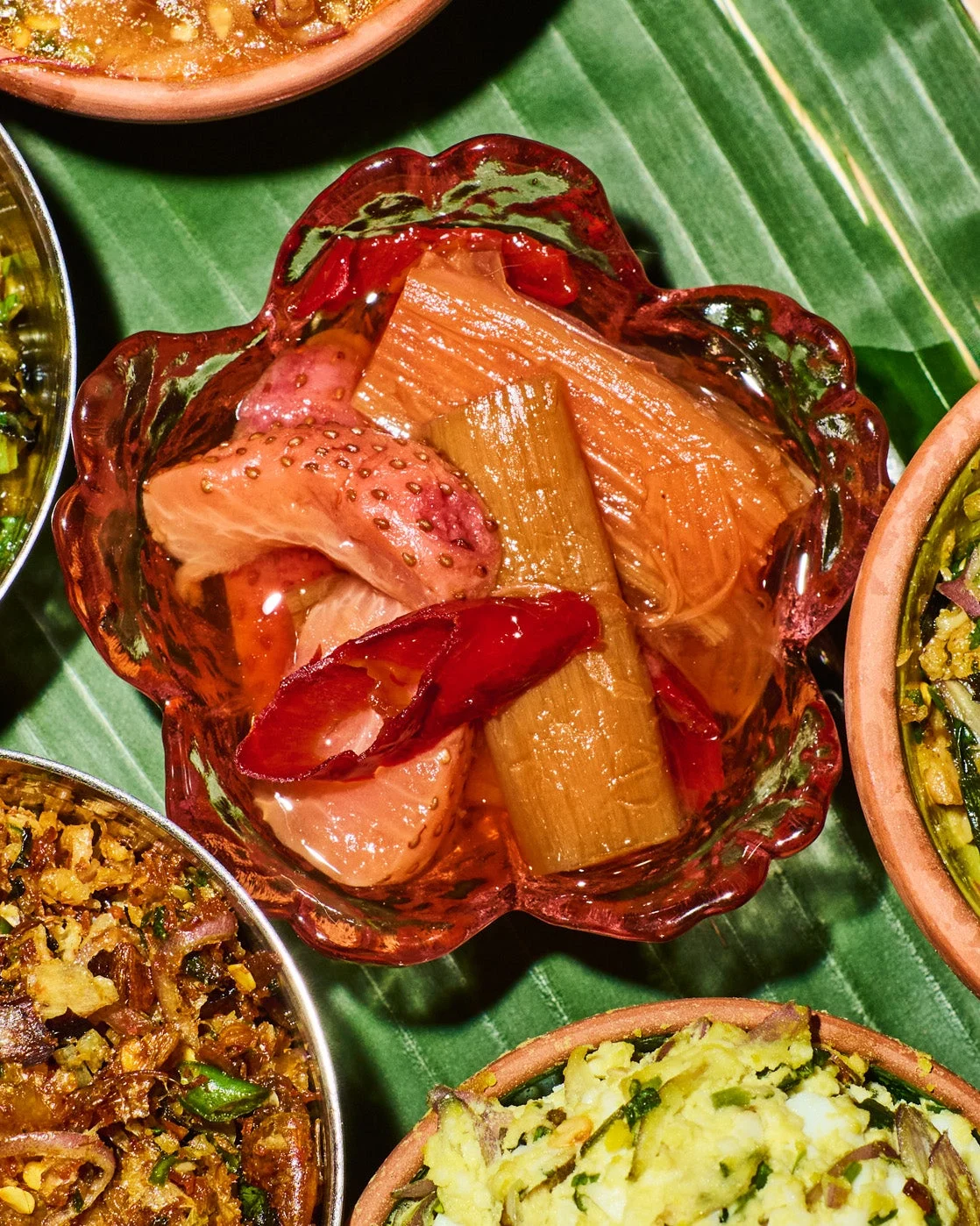
Redolent with warm spices, this sweet-tart Kashmiri relish is the perfect spring condiment. This culinary creation, born from a rich heritage and a modern culinary spark, offers a vibrant fusion of familiar spring flavors with the complex, nuanced tradition of Kashmiri achaar. The achaar, a staple in many South Asian cuisines, typically involves preserving fruits or vegetables in a briny, spiced, and often vinegary concoction. Traditionally, it’s a method of preservation that extends the shelf life of seasonal produce, particularly in regions with distinct monsoon seasons where fresh ingredients can be scarce for extended periods.
The inspiration for this particular achaar stems from the personal culinary journey of Anikah Shaokat, who draws a direct line from her grandmother’s masterful creation of mango achaar to her own innovative interpretation. Shaokat recounts the annual ritual of collecting unripe mangoes that would fall during monsoon storms, transforming them from their acrid state into a beloved sweet-tart relish. This act of preservation, steeped in family tradition and generations of culinary wisdom, forms the emotional and historical bedrock of her current creation. The mention of "smoky chiles" as the namesake for Kashmiri achaar points to a specific regional characteristic, likely referring to the use of specific types of dried red chilies, such as those native to the Kashmir Valley, which impart a distinct smoky depth and a gentle heat. These chilies are often sun-dried, contributing to their unique flavor profile.
Shaokat’s fascination with the pairing of strawberries and rhubarb, two quintessential spring produce items, ignited a desire to translate this beloved flavor combination into the achaar format. She notes how the inherent tartness of both fruits, when married with the vinegary, syrupy poaching liquid, creates a dynamic and compelling taste experience. The inherent acidity of rhubarb, often described as lemony or tart, and the bright, sometimes delicate sweetness of strawberries find a perfect counterpoint in the acidic and sweet base of the achaar. This interplay of flavors is crucial to the appeal of such a condiment.
The cultural context of achaar is also highlighted by Shaokat, who explains its traditional role as a palate cleanser during Bangladeshi meals. This suggests a role akin to a pickle or chutney, designed to cut through richer flavors and refresh the palate between courses or with specific dishes. However, she broadens its application, suggesting its versatility beyond traditional meals. The recommendation of serving it on a cheese board or as a sauce for chicken wings underscores its adaptability to contemporary culinary trends and its potential to elevate a variety of dishes. This modern approach to a traditional condiment opens up new avenues for its consumption and appreciation.

The Art of Achar: A Culinary Tradition
The practice of making achaar is deeply rooted in the Indian subcontinent and has evolved over centuries, adapting to local ingredients and palates. The core components of achaar typically include a souring agent (like vinegar, lemon juice, or tamarind), a preservative (salt), and a blend of aromatic spices. Common spices include mustard seeds, fenugreek seeds, cumin seeds, turmeric, asafoetida (hing), and various types of chilies, both fresh and dried. The specific regional variations are vast, with each area boasting its unique achaar recipes passed down through generations. Kashmiri achaar, as mentioned, is distinguished by its use of specific local chilies, often dried and ground, which contribute not only heat but also a characteristic color and smoky aroma.
The preservation aspect of achaar is as significant as its flavor. In pre-refrigeration eras, pickling and preserving were essential for ensuring a supply of fruits and vegetables throughout the year, especially during the lean periods between harvests or in regions with extreme weather patterns. The monsoon season, while bringing much-needed rain, can also be a time of limited access to fresh produce, making preserved items like achaar invaluable. The process of making achaar often involves sun-drying ingredients, which further concentrates their flavors and aids in preservation.
From Mangoes to Berries: A Modern Twist
Shaokat’s innovation lies in repurposing this traditional preservation technique for ingredients that are not typically associated with achaar. While mangoes are a classic choice, the use of strawberries and rhubarb introduces a new textural and flavor dimension. The seasonal nature of both strawberries and rhubarb makes them ideal candidates for a spring-themed achaar. Their inherent tartness is a key factor that aligns them with the typical flavor profile of many achars, which often feature a balance of sweet, sour, spicy, and savory notes.
The recipe itself, as outlined, emphasizes a relatively quick preparation time, suggesting a less labor-intensive approach compared to some traditional achars that might involve longer fermentation or sun-drying periods. The process involves simmering the fruits in a spiced vinegar and sugar syrup. This method effectively infuses the fruits with the flavors of the spices and creates a syrupy consistency that acts as both a preservative and a flavorful sauce.
Key Ingredients and Their Roles
The ingredients list, though not fully detailed in the provided text, can be inferred from the instructions. The core components for this Strawberry Rhubarb Achar would likely include:

- Strawberries and Rhubarb: The stars of the dish, providing the sweet and tart base. Their textures will soften during cooking but ideally retain some form.
- Sugar: Acts as a sweetener and a preservative, balancing the tartness of the fruits and vinegar.
- Vinegar: The primary souring agent and preservative, providing the characteristic tang of achaar. White vinegar or apple cider vinegar are common choices.
- Warm Spices:
- Cloves: Impart a warm, pungent, and slightly sweet flavor.
- Cardamom: Offers a complex aroma with notes of citrus and spice.
- Dried Kashmiri Chiles: Provide the characteristic subtle heat and smoky undertones associated with Kashmiri achaar. The quantity would determine the overall spice level.
- Cinnamon Stick: Adds a sweet, woody warmth to the spice profile.
- Salt: Enhances flavors and acts as a mild preservative.
The choice of specific dried Kashmiri chiles is significant. These chilies are known for their mild heat and vibrant red color, often used for both flavor and visual appeal in Indian cuisine. Their smoky quality, achieved through sun-drying, is a hallmark of authentic Kashmiri achaar.
The Preparation Process: A Step-by-Step Breakdown
The provided instructions offer a clear, concise method for preparing the Strawberry Rhubarb Achar:
- Creating the Spice Syrup: Begin by combining sugar, vinegar, whole spices (cloves, cardamom, cinnamon stick), dried chiles, and a pinch of salt in a medium pot. Heat this mixture over medium heat until the sugar is completely dissolved and the syrup begins to simmer. This step allows the spices to infuse their aromas and flavors into the liquid base.
- Adding the Fruit: Once the syrup is simmering and the sugar dissolved (approximately 2 minutes), reduce the heat to low. Gently add the chopped rhubarb and strawberries to the pot. Use a silicone spatula to ensure all the fruit is coated in the warm syrup.
- Gentle Cooking: Cover the pot and allow the fruit to cook for 10 to 12 minutes. The goal is for the rhubarb to become easily pierceable with a fork while the strawberries soften but maintain their shape. Overcooking could lead to mushy fruit, which would detract from the desired texture of the achaar.
- Cooling and Infusion: After the cooking time, turn off the heat and leave the pot covered. Allow the achaar to cool completely to room temperature. This resting period is crucial for allowing the flavors to meld and deepen.
- Storage and Maturation: Once cooled, transfer the achaar to an airtight container. It requires refrigeration for at least 2 hours before serving to allow the flavors to fully develop. The recipe notes that the achaar will keep for up to 1 month when stored in the refrigerator. This extended shelf life is a testament to the preservation properties of the vinegar, sugar, and salt.
Culinary Applications and Versatility
The versatility of this Strawberry Rhubarb Achar is a key aspect of its appeal. While its traditional role as a palate cleanser is acknowledged, its modern applications are what truly set it apart.
- Cheese Boards: The sweet-tart, spiced profile of the achaar would be an excellent accompaniment to a variety of cheeses. It can cut through the richness of strong cheeses like cheddar or blue cheese, or complement the mild sweetness of brie or goat cheese. Its vibrant color also adds visual appeal to any cheese platter.
- Sauce for Meats: As a sauce for chicken wings, it offers a unique sweet and tangy counterpoint to the savory or spicy nature of the wings. It could also be used as a glaze for pork or duck, adding a fruity and spiced dimension.
- Sandwiches and Wraps: A small dollop of this achaar could elevate a simple sandwich or wrap, adding a burst of complex flavor. It would be particularly interesting with grilled chicken, turkey, or even vegetarian options.
- Salad Dressings: The syrupy liquid from the achaar could potentially be incorporated into a vinaigrette, adding a sweet and tangy zest to salads.
- Brunch Dishes: Its sweet and tart notes make it a suitable accompaniment to brunch items, such as pancakes, waffles, or even alongside savory breakfast meats.
The transformation of a familiar spring fruit combination into a preserved condiment demonstrates a creative approach to seasonal cooking, allowing consumers to enjoy these flavors beyond their immediate peak season. The fact that it can be stored for up to a month in the refrigerator means that the essence of spring can be savored for a longer period.
Broader Implications and Future Trends
The emergence of recipes like this Strawberry Rhubarb Achar reflects a growing trend in the culinary world: the fusion of traditional preservation techniques with contemporary flavor profiles and ingredients. As consumers become more adventurous and seek out unique culinary experiences, recipes that bridge cultural divides and reimagine classic dishes are gaining traction.

This achaar can be seen as a testament to the enduring appeal of homemade condiments and the desire to connect with food on a more personal level, drawing inspiration from family heritage and culinary traditions. It also highlights the adaptability of ancient preservation methods to modern palates and dietary habits. The emphasis on fresh, seasonal ingredients, combined with the long-lasting nature of preserved foods, aligns with broader movements towards sustainable and mindful eating.
The success of such a recipe could encourage further exploration into creating achars with other unconventional fruit and vegetable combinations, potentially leading to a wider range of artisanal preserves available to consumers. It underscores the idea that culinary traditions are not static but are dynamic entities that can evolve and adapt to new influences and inspirations, offering both a taste of the past and a glimpse into the future of food. The story behind this achaar, rooted in personal memory and culinary passion, serves as a reminder of the power of food to connect us to our heritage and to inspire innovation in the kitchen.