admin
admin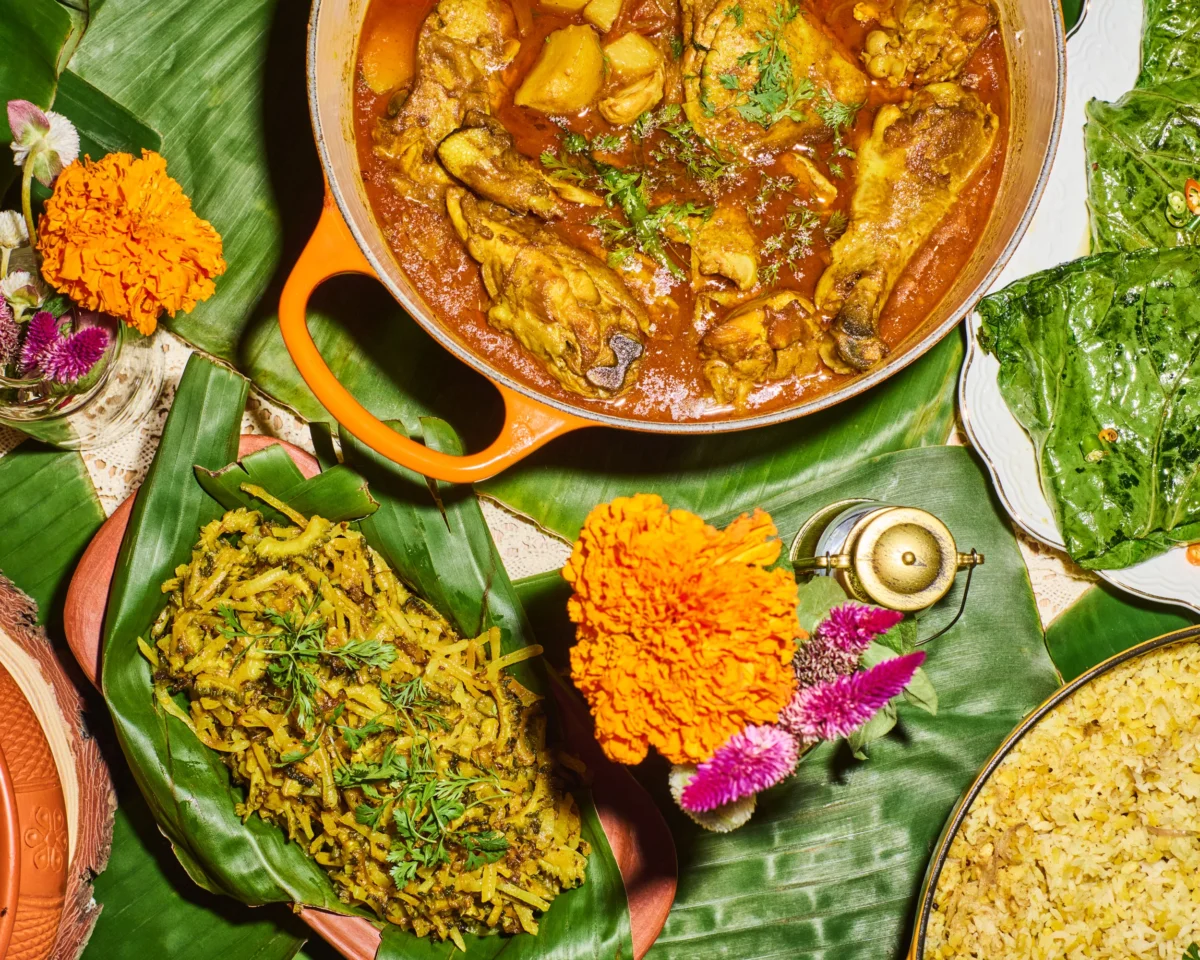
Growing up in the vibrant environs of Chattogram, Bangladesh, near the cultural nexus of DC Hill, provided a formative backdrop to the author’s understanding of Bengali identity and its rich traditions. This area, characterized by its lush greenery and proximity to diverse religious and cultural sites—a flower district, a Buddhist monastery, Hindu temples, and numerous mosques—served as a testament to the region’s secular fabric. It was here, amidst this harmonious blend of influences, that the annual Bengali New Year festivities, known as Noboborsho, were held. Celebrated on April 14th, marking the first day of the Bengali calendar, Pohela Boishakh, the occasion is heralded by the mangal shobhajatra, a procession of striking red and white attire. Giant, whimsical masks of Bengali mythical creatures grace the sky, while the air resonates with the timeless melodies of Rabindranath Tagore, intermingling with the aromatic allure of mustard oil-laden bhortas (mashed dishes) and delicate pithas (rice flour-based cakes and dumplings).

The Enduring Flavors of Noboborsho
For the author, the memories of Noboborsho celebrations, even over a decade since the last one in Bangladesh, remain vividly etched on the palate. These sensory recollections include the acquired taste of panta bhat (fermented rice), a dish often met with childhood aversion, and the early mastery of navigating the needle-like bones of deep-fried hilsa fish, a culinary rite of passage. The relentless generosity of food, a seamless transition from breakfast to lunch to dinner, defined these gatherings. However, upon relocating to the United States, the author faced the challenge of preserving these cherished traditions in a new cultural landscape.

Navigating Diaspora: From Quiet Observances to a Thriving Community
The initial years in Chicago and Los Angeles saw Noboborsho celebrations become more subdued affairs. These were typically quiet, personal observances, often involving simple meals of white rice, bhortas, and dal (lentil soup) enjoyed before the television. This changed dramatically with a move to New York City in 2021, which felt akin to a homecoming. The city offered a vibrant Bengali community, reconnecting the author with childhood friends and providing access to the authentic ingredients and flavors reminiscent of home. The proximity to Jackson Heights, with its array of Bangladeshi grocery stores, finally alleviated the longing for the familiar tastes of a mother’s pantry.

A Grand Reunion: The Williamsburg Feast
This year’s Noboborsho celebration, the most expansive to date, unfolded within the cozy confines of the author’s Williamsburg apartment. The sheer abundance of food served as a clear indication of the author embracing the culinary legacy of their mother. The guest list was a microcosm of the Bengali diaspora, encompassing individuals raised in Bangladeshi American households alongside those who, like the author, hailed from Chattogram. Among the attendees were fellow food enthusiasts, such as food writer Mehr Singh, who, having grown up in New Delhi, observes Vaisakhi, the Punjabi New Year, around the same time. Urmila Ramakrishnan, a former colleague, brought her unique perspective, having grown up blending Bengali and Tamilian traditions in the U.S. The vibrant attire worn by guests mirrored the effervescent spirit of past Noboborsho celebrations. The gathering also included friends who, while not of Bengali heritage, had developed a profound appreciation for the cuisine, like Tyler and the author’s husband, Charlie, whose palates were well-acquainted with the bold flavors of Bengali cooking.

The Heart of Bengali Home Cooking: A Noboborsho Feast
At its core, a Noboborsho feast embodies the essence of Bengali home cooking. Rice, as the undisputed staple, took center stage with three distinct preparations: panta bhat fermented overnight and drizzled with mustard oil, a comforting pot of golden khichuri, and simple plain white rice. The menu also featured a deeply satisfying stewed chicken and potato dish, richly infused with cumin, coriander, garlic, and ginger – a dish universally recognized as a Bengali comfort food.

However, not all dishes were met with universal acclaim. The stir-fried bitter melon and potatoes, a dish that often divides opinion, elicited a mixture of reactions. While the stewed chicken brought smiles, the distinctive, craggy green appearance of the bitter melon prompted groans from some guests. Farooque, a music producer and friend, humorously recalled flashbacks of being "force-fed bitter melon as a child." The author, ever the diplomat, assured the crowd that the potatoes helped temper the bitterness, hoping to convert skeptics into enthusiasts.

Hometown Specialties and the Quintessential Bengali Identity
The author’s Chittagonian heritage demanded the inclusion of kala bhuna, a slow-cooked beef dish from their hometown, meticulously prepared with freshly ground spices until it achieves a dark, tender texture. Furthermore, in adherence to the deeply ingrained Bengali cultural tenet, encapsulated by the adage mache bhate Bangali (fish and rice make a Bengali), seafood is an indispensable element of any New Year’s feast.

While hilsa, the national fish and an emblem of Bengali ethnic identity, is a traditional centerpiece for Noboborsho in Bangladesh, its availability in the United States can be challenging. Moreover, its notoriously fine, numerous pin bones present a culinary challenge. To circumvent these difficulties, the author opted for paturi, a less perilous, yet equally beloved, classic. Traditionally, paturi involves wrapping lean fish in banana leaves before steaming. The author’s contemporary rendition, however, utilizes collard greens as an edible wrapper, pan-fried to perfection. The filling comprises diced shrimp marinated with mustard oil, black and brown mustard seeds, ginger, garlic, onion, green chilies, and an abundance of cilantro.

The Art of the Accompaniment: Bhortas and Achar
Scattered across the table, small bowls of intensely flavorful bhortas served as essential accompaniments. These mashes, following a simple yet effective formula, combine a star ingredient with hot green chilies, sliced onions, cilantro, and a generous amount of mustard oil. The three bhortas featured at this year’s celebration included variations with boiled eggs, roasted tomatillos, and charred scallions. A particularly cherished element of the table was a unique iteration of a family heirloom achar recipe, traditionally made with young green mangoes. This springtime adaptation, using strawberries and rhubarb, offered a tangy-sweet condiment that evoked nostalgic memories of the grandmother’s culinary creations.

The Tactile Tradition: Eating with Hands
A fundamental and non-negotiable aspect of any Bengali meal is the practice of eating with one’s hands, specifically the right hand. For those unaccustomed to this tradition, the initial inclination is to rely solely on the fingers for scooping. However, as the author often guides their non-Bengali friends, the key lies in utilizing the opposable thumb, a "primate privilege," to skillfully guide each morsel to the mouth, ensuring a perfectly balanced bite.

A Sweet Conclusion and the Formation of a New Family
As the plates were cleared and hands were cleansed, the meal concluded with mishti doi (jaggery-infused yogurt), a beloved sweet treat. While many Bengalis opt to purchase this delicacy from established producers, particularly from Bogura, a city renowned for its yogurt makers in northern Bangladesh, the author acknowledges the labor of love involved in its home preparation. The evening culminated in a picturesque scene: guests enjoying yogurt directly from the pot, accompanied by the soothing strains of Bengali folk music. This moment served to solidify the memory of the author’s first significant Bengali New Year celebration with their chosen family, a testament to the enduring power of tradition and community.

Recipes: Bringing Bengali Flavors Home
To further immerse readers in the rich culinary landscape of Bengali New Year, a selection of recipes is provided, allowing them to recreate these authentic flavors in their own kitchens. These recipes, meticulously prepared and presented, offer a gateway into the heart of Bengali home cooking.
- Bengali Home-Style Chicken: A comforting and flavorful stew that embodies the essence of Bengali comfort food, perfect for family gatherings.
- Collard Shrimp Paturi: A creative and flavorful take on a traditional Bengali dish, showcasing the versatility of local ingredients.
- Strawberry Rhubarb Achar: A delightful twist on a classic condiment, offering a sweet and tangy counterpoint to savory dishes.
- Bitter Melon and Potato Stir-Fry: A dish that balances the unique flavor profile of bitter melon with the comforting texture of potatoes, a true test of culinary appreciation.
- Mishti Doi (Bengali Sweet Yogurt): A classic Bengali dessert, offering a rich and creamy conclusion to any festive meal.