admin
admin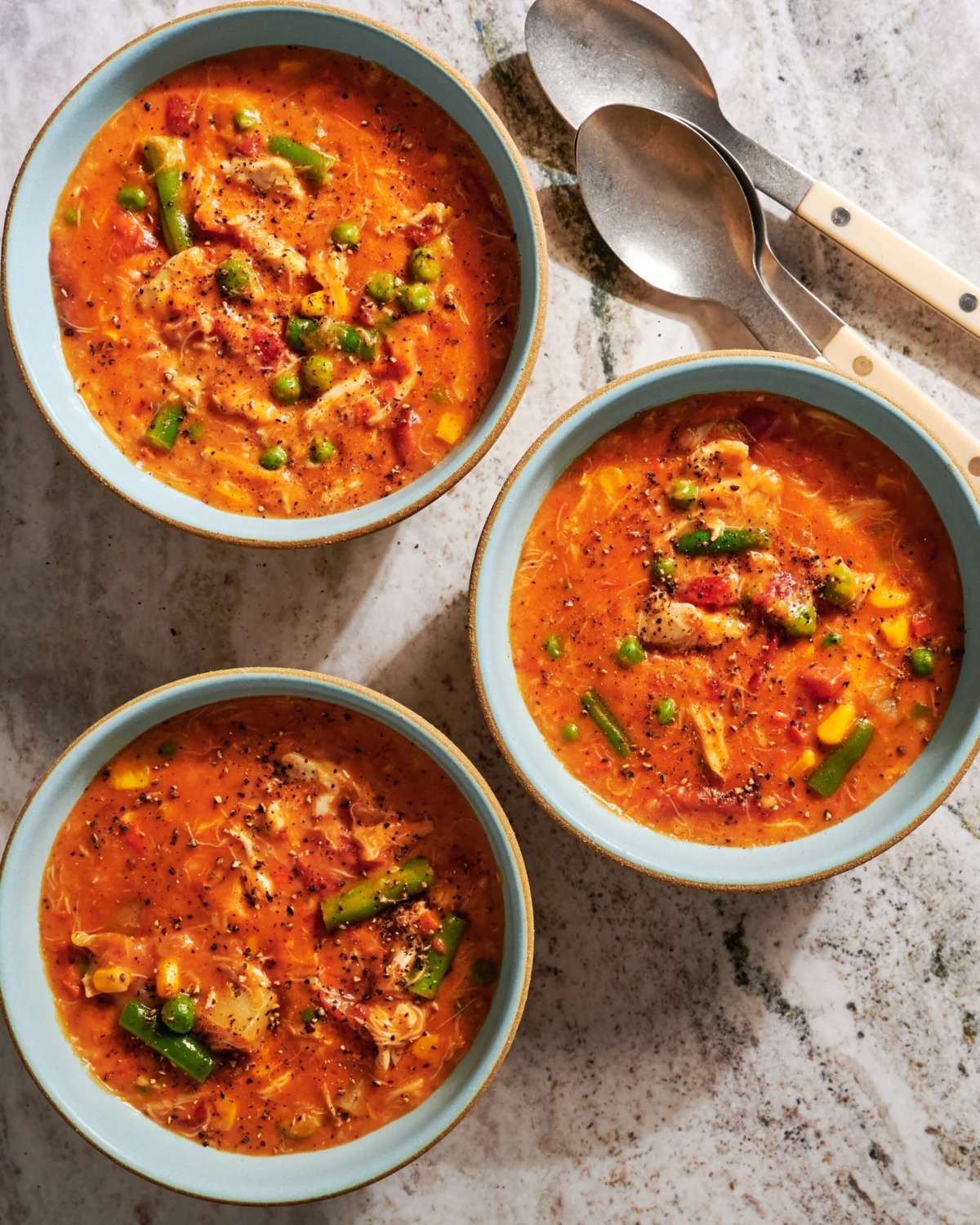
The culinary landscape of Maryland is deeply intertwined with its rich seafood heritage, and at the heart of this tradition lies the iconic blue crab. While many associate the state with steamed crabs and crab cakes, a comforting and flavorful dish that often flies under the radar, yet is equally beloved by locals, is a hearty Maryland Crab and Vegetable Chowder. This recipe, meticulously detailed, offers a step-by-step guide to recreating this classic, providing a warm embrace of regional flavors and a testament to the enduring appeal of home-style cooking. The ingredients and instructions, while straightforward, unlock a symphony of tastes and textures that have been a staple in Maryland households for generations, offering a glimpse into the state’s culinary soul.
The Genesis of a Comfort Food Classic
The origins of this chowder are likely rooted in the resourceful spirit of coastal communities, where fresh, readily available ingredients were transformed into nourishing and satisfying meals. The blue crab, abundant in the Chesapeake Bay, has always been a cornerstone of Maryland’s economy and diet. Early iterations of crab chowder would have likely featured simpler preparations, relying on the natural sweetness of the crab, the earthiness of local vegetables, and the thickening power of a roux. Over time, as culinary techniques evolved and ingredients became more accessible, the recipe refined, incorporating elements like half-and-half for creaminess and a touch of Old Bay seasoning, a quintessential Maryland spice blend, to elevate the flavor profile.
The specific recipe provided, with its measured quantities and detailed steps, suggests a modern interpretation of a time-honored dish. The inclusion of carrots, celery, and onion forms a classic mirepoix, the aromatic foundation of countless soups and stews. The addition of flour and Old Bay to this base creates a flavorful roux, a crucial step for achieving the chowder’s characteristic thickness and depth of flavor. The subsequent addition of tomatoes and stock, followed by potatoes, builds a robust and comforting broth. The final stage, incorporating creamy half-and-half, sweet corn, tender green beans, and bright peas, alongside the star ingredient – succulent crab meat – transforms the mixture into a truly memorable chowder.
A Step-by-Step Culinary Journey
The preparation of this Maryland Crab and Vegetable Chowder is a process that rewards patience and attention to detail, yielding a dish that is both elegant in its simplicity and profound in its flavor. The recipe’s structure guides the cook through a logical progression, ensuring optimal flavor development at each stage.
Step 1: Building the Flavor Foundation
The initial phase of the recipe focuses on establishing a rich base. A generous knob of butter is melted in a large pot over medium-high heat. The key here is to allow the butter to melt completely and for the initial foam to subside, indicating it has reached the optimal temperature for sautéing. Into this shimmering butter, diced carrots, celery, and onion are introduced. These aromatic vegetables are cooked, stirring occasionally, until they soften, a process typically taking around five minutes. This gentle sautéing releases their natural sweetness and begins to build the foundational flavor profile of the chowder.
Following the softening of the vegetables, flour and Old Bay seasoning are added. This is where the crucial roux is formed. The flour is stirred into the vegetable and butter mixture and cooked for approximately two minutes. The objective is to cook the raw flour taste out without allowing it to brown significantly; the mixture should remain pale. This pale roux will serve as the thickening agent for the chowder, providing a smooth and luxurious texture. The Old Bay seasoning, a proprietary blend of celery salt, black pepper, paprika, and other spices, infuses the roux with its signature zesty and slightly peppery notes, a hallmark of Maryland cuisine.
Next, diced tomatoes and stock are stirred into the roux. The tomatoes contribute a subtle acidity and a touch of sweetness, while the stock (chicken or vegetable stock are common choices, though seafood stock would be an even more decadent option) provides the liquid base for the chowder. This mixture is cooked for two minutes, allowing the flavors to meld. Finally, diced potatoes are added, and the chowder is brought to a simmer. The potatoes are then cooked, stirring occasionally, until they are tender. This simmering process, which can take up to 15 minutes, allows the potatoes to absorb the developing flavors of the broth and contribute their starchy goodness to the chowder’s body.
Step 2: Unveiling the Creamy Richness and Sweetness
With the foundational elements in place, the second step of the recipe introduces the elements that elevate the chowder to its creamy, comforting zenith. Once the potatoes are tender, half-and-half is stirred in. This dairy component is crucial for achieving the chowder’s signature richness and velvety texture. The heat is maintained, and the chowder is brought back to a gentle simmer, allowing the half-and-half to warm through without boiling vigorously, which could cause it to curdle.
Following the addition of the half-and-half, the fresh or frozen corn, green beans, and peas are introduced. These vibrant vegetables add pops of sweetness, color, and texture to the chowder. They are cooked until they are tender but still retain a slight bite, a process that typically takes between eight and ten minutes. The exact cooking time will depend on whether fresh or frozen vegetables are used.
The pièce de résistance, the crab meat, is then gently stirred into the chowder. It is imperative to add the crab towards the end of the cooking process to prevent it from becoming tough or overcooked. The chowder is then seasoned to taste with salt and freshly ground black pepper. The final cooking phase involves gently heating the crab through, which usually takes an additional four to five minutes. Overcooking the crab will diminish its delicate flavor and tender texture, so vigilance is key. The result is a chowder brimming with the sweet, briny essence of fresh crab, complemented by the comforting warmth of the vegetables and the luxurious creaminess of the broth.
Supporting Data and Contextual Insights
The culinary significance of crab in Maryland cannot be overstated. According to the National Oceanic and Atmospheric Administration (NOAA), the Chesapeake Bay is home to the iconic Atlantic blue crab (Callinectes sapidus), a species that has historically supported a robust commercial fishery. While the blue crab population has experienced fluctuations due to environmental factors and fishing pressures, it remains a vital part of Maryland’s identity and economy. Data from the Maryland Department of Natural Resources often highlights the economic impact of the crab fishery, which supports thousands of jobs, from watermen to restaurant workers.
The "Old Bay Seasoning" mentioned in the recipe is itself a cultural icon. Introduced in 1939 by the Baltimore Spice Company, it quickly became synonymous with Maryland seafood, particularly crabs. Its distinctive blend of spices is not merely an additive; it is an integral component of the state’s culinary narrative. The widespread availability and popularity of Old Bay across the United States, and even internationally, underscore its profound influence on American food culture.
The tradition of chowder, as a dish, has deep roots in maritime communities worldwide. Originating from the French word "chaudière" (cauldron), chowders were historically hearty stews made by fishermen using whatever fresh ingredients were available. The evolution of chowder recipes, from simple broths to creamy, ingredient-rich concoctions, mirrors the development of culinary practices and the availability of ingredients. Maryland’s Crab and Vegetable Chowder fits squarely within this tradition, showcasing a regional adaptation that celebrates local bounty.
Broader Impact and Implications
The dissemination of recipes like this Maryland Crab and Vegetable Chowder through various platforms – from community cookbooks to online culinary resources – plays a crucial role in preserving and promoting regional culinary heritage. It allows individuals, regardless of their geographical location, to connect with the flavors and traditions of a specific place. For those who have moved away from Maryland, this recipe can evoke a powerful sense of nostalgia and connection to their home state.
Furthermore, the popularity of such dishes contributes to the broader understanding and appreciation of regional American cuisine. In an era where global culinary influences are readily accessible, celebrating and perpetuating distinct local food traditions becomes even more important. This chowder, with its emphasis on fresh, local ingredients and time-honored preparation methods, serves as a delicious ambassador for Maryland’s rich gastronomic identity.
The act of preparing and sharing this chowder can also foster community and connection. Potlucks, family gatherings, and casual dinners are often occasions where such comforting, home-style dishes shine. The shared experience of enjoying a flavorful and well-crafted meal can strengthen bonds and create lasting memories. In essence, this recipe is more than just a set of instructions; it is an invitation to participate in a culinary tradition, to savor the flavors of Maryland, and to create a moment of warmth and togetherness around the table.
The enduring appeal of this Maryland Crab and Vegetable Chowder lies in its ability to strike a balance between comforting familiarity and delightful complexity. It is a dish that speaks of heritage, resourcefulness, and the simple pleasure of good food. As individuals follow these steps, they are not merely cooking; they are engaging in a culinary dialogue with the past, bringing a taste of Maryland’s rich traditions into their own kitchens.