admin
admin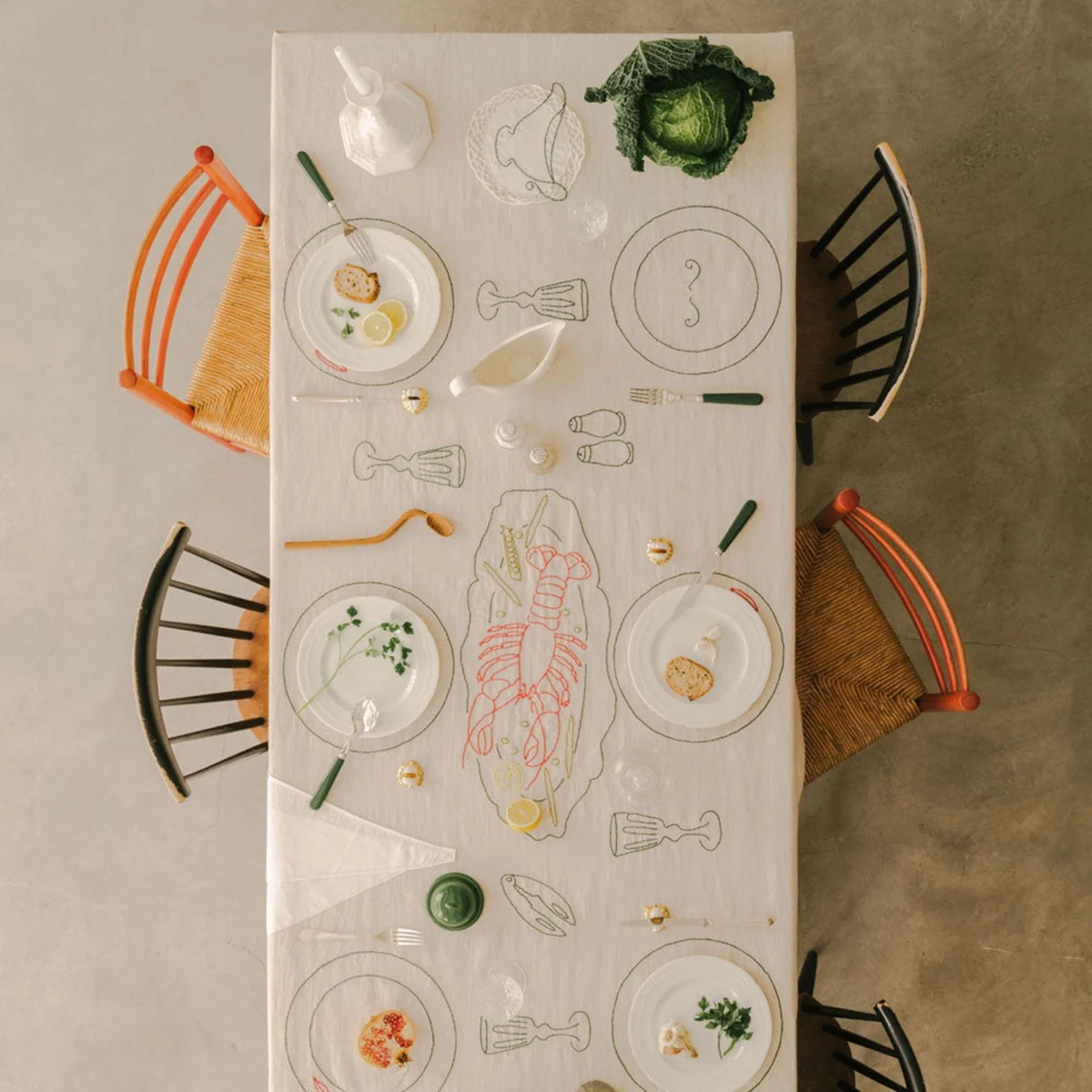
The contemporary dining landscape is witnessing a significant evolution, moving beyond traditional uniformity towards a more expressive, personality-driven aesthetic. This shift is characterized by a deliberate departure from conventional matching sets and neutral palettes, in favor of unique, conversation-starting pieces that inject whimsy and individuality into the dining experience. This trend, often described as "freaky" or "eclectic," is gaining traction among consumers seeking to transform their tablescapes into memorable, artful installations rather than mere functional setups. The objective is not perfection or strict cohesion, but rather the strategic placement of objects that spark curiosity and elicit a double-take from guests, fostering an atmosphere of playful sophistication.
The Rise of Expressive Dining
For decades, mainstream home décor emphasized minimalist principles, advocating for clean lines, muted colors, and a streamlined approach to living spaces. While this aesthetic still holds appeal, a growing segment of consumers is actively seeking to imbue their homes, particularly their dining areas, with a distinct sense of character and narrative. This pivot is partly a reaction to the perceived blandness of mass-produced, interchangeable items, and a yearning for pieces that reflect personal taste, travel experiences, or a passion for unique craftsmanship. The dining table, as a central gathering point, has become a prime canvas for this burgeoning trend, encouraging hosts to curate an experience that extends beyond the culinary.
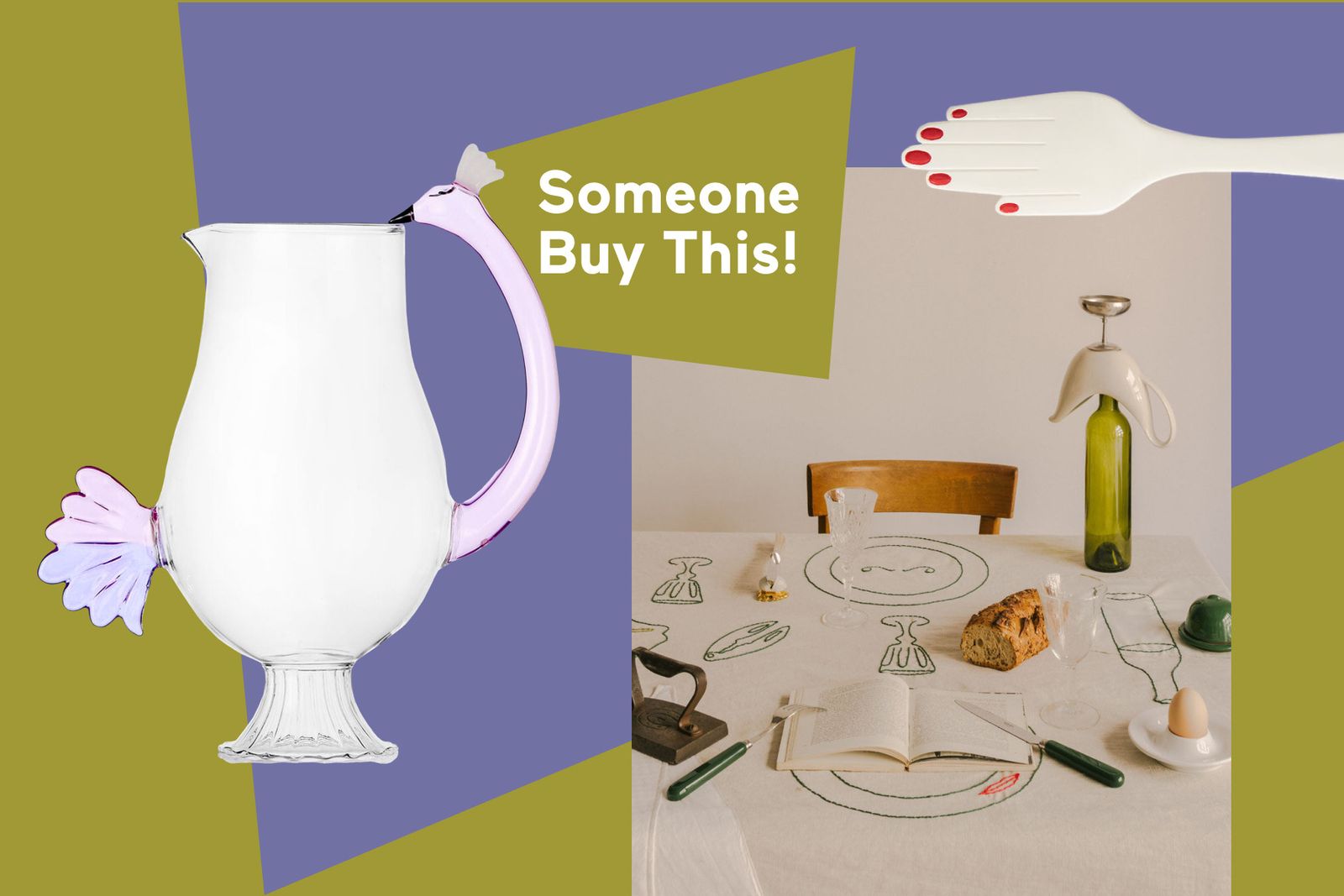
Market research indicates a steady increase in consumer spending on artisanal and niche home goods. Reports from industry analysts like Grand View Research project a significant growth in the global home decor market, driven by factors such as increasing disposable income, urbanization, and a heightened interest in personalized living spaces. Within this broader trend, tableware and dining accessories are emerging as key categories for self-expression, with consumers actively seeking out items that tell a story or possess an unusual form. This demand fuels the proliferation of independent designers and brands dedicated to crafting distinctive, often boundary-pushing, pieces.
Whimsical Utility: Everyday Objects as Art
A cornerstone of the "freaky table" philosophy lies in transforming utilitarian objects into delightful curiosities. These pieces serve their practical purpose while simultaneously acting as sculptural elements that engage and amuse. This dual functionality elevates the mundane, making even the simplest actions, like squeezing a lemon or serving a slice of cake, an interactive moment.
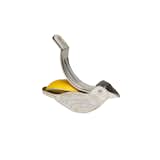
Gohar World’s Avian Citrus Squeezer: An exemplary piece in this category is the bird-shaped citrus squeezer from Gohar World. Crafted with a delicate aesthetic, this item is designed not just for its function – efficiently extracting juice from a lemon wedge – but also for its inherent charm. Guests are drawn to its unexpected form, often picking it up instinctively for closer inspection. This subtle interaction transforms a routine condiment dispenser into a talking point, embodying the principle of infusing everyday utility with artistic flair. The brand’s philosophy often centers on creating pieces that bridge the gap between art and domesticity, encouraging a playful approach to table settings.
Maison Balzac’s Hand Cake Server: Similarly, Maison Balzac’s hand-shaped cake server exemplifies this blend of utility and surrealism. Presenting a dessert with a ceramic hand, complete with painted nails, introduces an element of unexpected humor and elegance. This server elevates the act of sharing a sweet treat into a theatrical gesture, prompting smiles and conversation. The design is a nod to whimsical artistry, reminiscent of historical decorative arts where anthropomorphic elements were often incorporated into functional items, albeit with a modern, chic twist. Such items challenge conventional notions of table etiquette, suggesting that dining can and should be a lighthearted, imaginative affair.
The Art of Glassware: Transparency and Character
Glassware offers a particularly fertile ground for introducing personality, given its inherent transparency and the delicate nature of its forms. Leading designers are moving away from mass-produced, identical glasses towards unique, hand-crafted pieces that boast individual character.
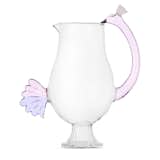
Ichendorf Milano’s "Animal Farm" Collection: Ichendorf Milano stands out as a brand synonymous with artful and whimsical glassware. Their collaborations with various designers result in collections that are both visually stunning and inherently playful, skillfully avoiding the pitfalls of kitsch. The "Animal Farm" collection is a prime example, where each piece incorporates a handmade animal figure within its glass structure. From a flamingo pitcher to a poodle tumbler, these designs offer more than just vessels for beverages; they are miniature sculptures that reside within the glass itself.
The appeal of these pieces extends beyond aesthetics. At social gatherings, they serve a practical purpose by making it easy for guests to identify their own drinks, thereby preventing mix-ups and adding a layer of interactive fun. The brand’s commitment to quality craftsmanship means that while imitators exist, the original Ichendorf Milano pieces retain a distinct charm and artisanal quality that mass-produced alternatives often lack. This underscores a broader trend: consumers are increasingly valuing authenticity and the story behind a product over mere affordability. The meticulous hand-made process involved in embedding these delicate figures into the glass speaks to a dedication to artistry that resonates with those seeking unique home accents.
Plates and Linens: Foundation for Expression
While often considered foundational, plates and table linens also offer significant opportunities for injecting individuality. The choice of these items can set the entire tone for the table, acting as a canvas upon which other unique elements can be layered.
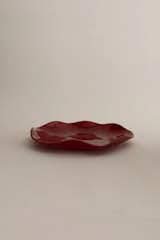
Sophie Lou Jacobsen’s Petal Plates: Plates, traditionally uniform, are being reimagined with organic and artistic forms. Sophie Lou Jacobsen’s petal plates, for instance, break away from conventional circular designs, featuring edges that ripple outward like a flower in full bloom. These plates introduce a dynamic, sculptural quality to each place setting, transforming the presentation of food into an art form. Available in a range of colors and sizes, they encourage creative layering and mixing, allowing hosts to build visually captivating combinations. This approach challenges the notion that plates must be perfectly matched, instead advocating for an eclectic harmony that celebrates individual design.
Oeuvres Sensibles’ Embroidered Linen Tablecloths: Beneath the plates, table linens provide another layer of personalized expression. Oeuvres Sensibles specializes in hand-embroidered linen tablecloths that tell a story. These linens can be customized to feature specific motifs, favorite foods, or even bespoke messages, turning the tablecloth into a narrative element. This bespoke approach harkens back to historical traditions of embroidered textiles, but with a modern, often surrealist, sensibility. The ability to commission a piece that directly reflects the host’s interests or the theme of an event adds an unparalleled level of personalization, making the dining experience truly unique. The "Dali’s Dinner Tablecloth," for example, directly references Salvador Dalí’s surrealist world, incorporating motifs like lobsters and his iconic mustache, transforming the table into a canvas for dreamlike artistry.
Vintage Napkin Rings: Complementing these personalized linens, vintage napkin rings offer a charming touch of nostalgia and eclecticism. Sourced from platforms like Etsy and eBay, these small accessories can introduce unexpected themes or whimsical motifs. A set of painted wooden shrimp napkin rings, as highlighted by enthusiasts, demonstrates how even minor details can become memorable conversation starters, adding a layer of playful quirkiness to an otherwise formal setting. The hunt for such unique vintage items taps into the broader consumer desire for sustainable, one-of-a-kind pieces that carry a history.
The Centerpiece: A Statement of Humor and Audacity
No "freaky table" is complete without a centerpiece that encapsulates its sense of humor and bold personality. The centerpiece is often the focal point, designed to command attention and provoke a strong reaction.
Gohar World’s Egg Chandelier: Pushing the boundaries of conventional dining décor, Gohar World’s egg chandelier exemplifies the audacious spirit of this trend. This wrought-iron piece, designed to hold multiple upright eggs, is inherently absurd yet undeniably iconic. It transforms a simple food item into a dramatic, architectural display. This kind of centerpiece is not merely decorative; it is a statement piece that immediately communicates the host’s adventurous aesthetic and willingness to embrace the unconventional. Imagining deviled eggs served in such a structure underscores the playful subversion of expectations that defines this style. The design draws inspiration from everyday objects and recontextualizes them, creating an object that is both functional (as a serving dish) and purely artistic. This piece, inspired by the wrought ironwork seen in the founders’ neighborhood in Cairo, also subtly weaves in cultural references, adding another layer of depth to its unique appeal.
Implications and the Future of Dining Decor
The growing demand for "freaky" or highly personalized dining decor reflects several broader societal shifts. Firstly, it signifies a move away from prescriptive design rules towards a more intuitive and expressive approach to home aesthetics. Consumers are increasingly confident in curating spaces that genuinely reflect their personalities, rather than adhering to transient trends dictated by mass markets.
Secondly, this trend highlights the importance of experience in modern consumption. Dining is no longer just about sustenance; it’s about the entire sensory and social experience. Unique tableware and decor contribute significantly to this, transforming a meal into an event, a conversation, and a memorable moment. The elements of surprise, humor, and beauty integrated into the table setting enhance guest engagement and create a more intimate and joyful atmosphere.
Thirdly, it underscores the burgeoning market for independent designers and artisans. Platforms that connect consumers directly with creators facilitate the discovery of unique pieces that would traditionally be harder to find. This democratization of design allows for greater diversity and innovation in home goods, moving beyond the limited offerings of large retail chains.
Ultimately, the trick to cultivating an unconventional dining table lies not in acquiring the strangest items available, but in strategically selecting a few pieces that exude a mischievous charm and a distinct personality. It is a gradual process of curating, experimenting, and building a collection over time. This iterative approach allows hosts to discover their unique style, resulting in a dining space that is not only functional but also a vibrant reflection of their individuality. In doing so, they transform their homes into celebrated destinations for memorable dinners and become known for their discerning, playful aesthetic, making them the favorite person to gift shop for. This enduring appeal of personalized, artful design suggests that the era of the "blah" dining table is steadily fading, replaced by a vibrant landscape of creative expression.