admin
admin
The ambitious renovation of a neglected Los Angeles residence, undertaken by a determined homeowner and their partner with a modest $55,000 budget, stands as a testament to the power of perseverance, resourcefulness, and the burgeoning DIY spirit. Originally documented in Dwell’s February 2008 issue, this project transformed a "sad-looking pink house" with a troubled past into an energy-efficient, thoughtfully designed modern home, defying significant structural challenges and tight financial constraints. The undertaking, which unfolded against the backdrop of an evolving real estate market, highlights both the potential pitfalls and immense rewards of investing in properties with "good bones."
The Arduous Search for a Home Amidst Market Flux
The journey to homeownership for the couple was an arduous three-year odyssey, reflecting the competitive and often frustrating landscape of the early to mid-2000s real estate market, particularly in desirable urban centers like Los Angeles. While the broader market was experiencing a boom in the years leading up to the 2008 financial crisis, finding an affordable and suitable property was a persistent challenge for many prospective buyers, especially those without substantial capital. The homeowners recounted exploring diverse, often unconventional, avenues, including considering prefabricated homes—a segment of the market gaining traction for its potential affordability and modern design—and examining foreclosures, which were beginning to emerge as early indicators of market stress.
Their search led them down increasingly desperate paths, visiting properties that were patently unsuitable or even dangerous. One viewing involved a startling scene of two individuals exchanging gunfire from their cars, a stark reminder of urban blight in certain areas. Another memorable, albeit disturbing, encounter was a house featuring a "cockfighting shed" in the backyard, complete with feathers scattered and a solitary, swinging lightbulb, underscoring the extreme conditions of some available properties and the lengths to which buyers might go in a tight market. These experiences painted a vivid picture of the sheer determination required to navigate the complex and sometimes unsettling world of real estate when budget and specific requirements meet a challenging inventory.
Discovery and the Intrigue of a Probate Sale
The breakthrough came after three years of relentless searching when the homeowner discovered a peculiar listing online: a "sad-looking pink house." Despite its unappealing exterior, the property possessed critical attributes that piqued their interest: a promising structural foundation, often referred to as "good bones," an advantageous location within a desirable neighborhood, and an exceptionally low price point. The affordability was largely due to its status as a probate sale.
Probate sales occur when a property owner has passed away, and their estate must be legally processed and distributed, often involving the sale of real estate. These sales can present unique opportunities for buyers, as they are typically overseen by a court-appointed executor or administrator whose primary goal is often to liquidate assets swiftly to settle estate debts or distribute inheritances. This often translates to a motivated seller and, consequently, a lower asking price compared to traditional market listings. However, probate sales are also notorious for their complexities and potential delays. The legal process can be protracted, involving court approvals, potential heir disputes, and requirements for all-cash offers or buyers willing to assume properties "as-is." In this instance, the woman selling the property, likely an executor or beneficiary, expressed a clear desire to "just wanted it off her hands," signaling a strong impetus for a quick transaction, which the astute buyers recognized as an opportunity.
Unveiling a Troubled History and Hidden Horrors
The seemingly cosmetic fixer-upper harbored a far more disturbing history than its peeling pink paint suggested. The previous owner, a woman who had struggled with alcoholism and smoking, had reportedly "drank herself to death" within the premises. This tragic past imbued the house with what the new owners described as a "creepy vibe." While the property appeared to be a straightforward cosmetic renovation project upon initial viewing, the true extent of its condition became apparent only after the purchase. It was later revealed that a biohazard team had been dispatched to clean the residence prior to its market listing, a crucial detail withheld from the buyers. Such interventions are typically required in cases involving unattended deaths, severe hoarding, or extensive bodily fluid contamination, indicating a level of decay and unsanitary conditions far beyond typical wear and tear.
This omission underscores a common risk in probate and "as-is" sales: limited disclosure requirements. Sellers in such situations may not have personal knowledge of the property’s condition or may be legally exempt from certain disclosure obligations that apply to standard real estate transactions. For the unsuspecting buyers, what presented as a superficial facelift soon unraveled into a comprehensive structural overhaul, revealing significant underlying issues that would demand far more than just aesthetic improvements.
The Demolition Day and Discovery of Deep-Seated Problems
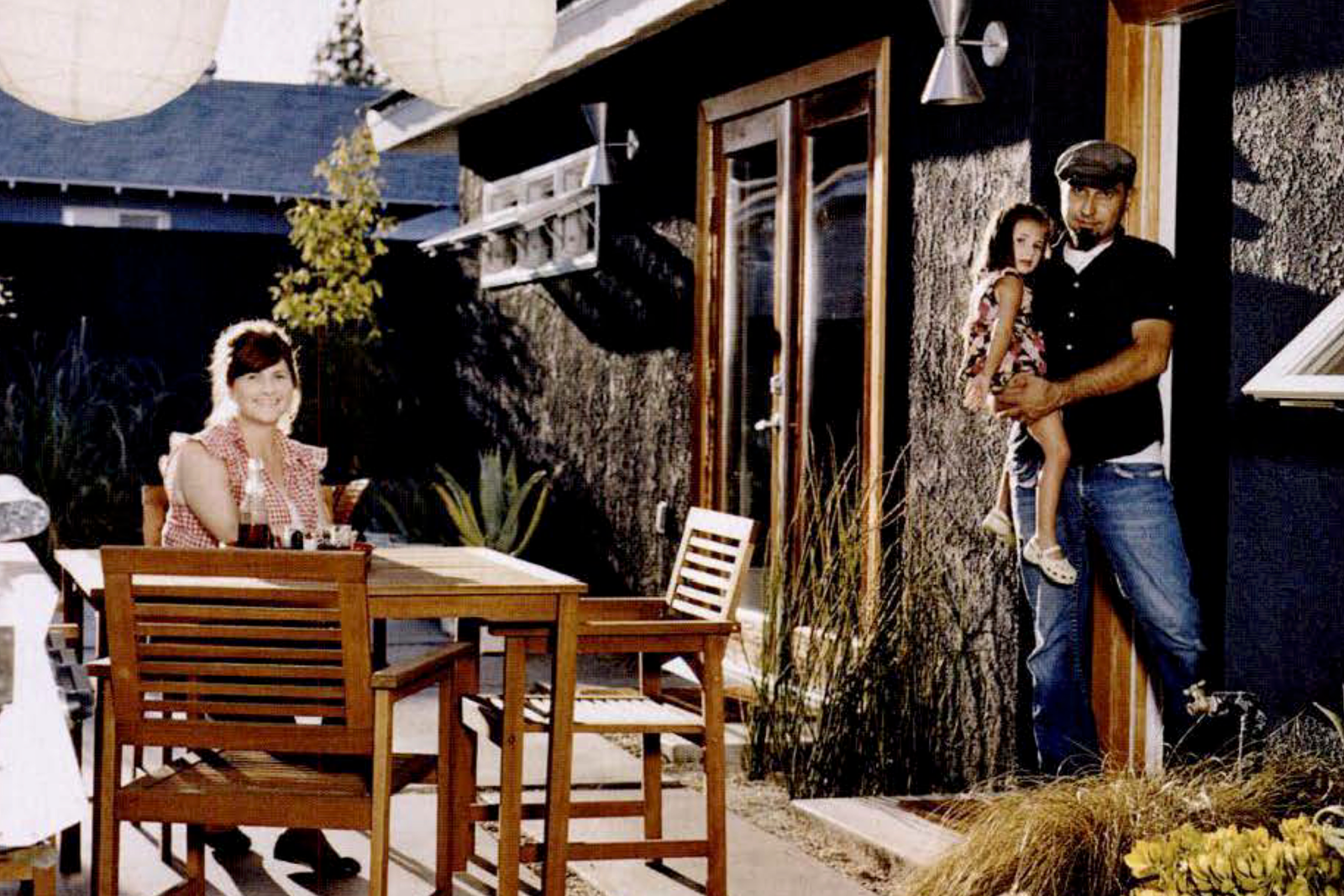
The renovation began with demolition, a phase that quickly revealed the extent of the house’s hidden problems. One of the most startling discoveries was a mature tree growing not just against the house, but through its very walls and rafters. Such an intrusion indicates years of neglect and structural compromise, as tree roots can exert immense pressure, cracking foundations, displacing walls, and creating pathways for moisture intrusion. This particular issue necessitated not only the removal of the tree but also extensive structural repairs to the compromised framework of the house.
Adding to the complexity, the house’s electrical system was found to be ungrounded, a severe safety hazard in older properties. Ungrounded wiring significantly increases the risk of electrical shock and fire, as it lacks a safe path for fault currents to dissipate. Tragically, this deficiency manifested dramatically on demolition day, triggering an electrical fire. While the fire was presumably contained and extinguished, it highlighted the immediate and profound dangers lurking beneath the surface of the seemingly benign "fixer-upper" and underscored the critical importance of thorough inspections and professional expertise in older homes. These initial discoveries set the tone for a renovation that would demand far more than anticipated, challenging the homeowners’ skills, budget, and resolve.
A Hands-On Approach to Rebuilding and Modernization
Faced with extensive structural and systemic issues, the homeowners embarked on a comprehensive rebuilding effort. They opted to preserve the fundamental frame of the house, a strategic decision to capitalize on the "good bones" they initially identified and to potentially save on permitting and major structural engineering costs associated with entirely new construction. Over the existing roof, they installed a durable metal roof, a choice often favored for its longevity, low maintenance, and increasingly, its eco-friendly properties due to recycled content and recyclability.
The interior demanded a mix of resurfacing and complete reconstruction. Some walls were able to be salvaged and simply resurfaced, while others, likely those severely compromised by the tree intrusion or water damage, had to be entirely torn down and replaced with new Sheetrock. Beyond the visible surfaces, nearly every essential system in the house was upgraded or replaced: the entire electrical system was rewired to modern safety standards, the plumbing was overhauled, all windows and doors were replaced for improved insulation and aesthetics, and the exterior received a fresh stucco finish.
To manage costs while ensuring quality, the homeowner strategically leveraged professional subcontractors for specialized tasks requiring particular expertise or heavy equipment. This included the stucco application, concrete work, kitchen countertop installation, and intricate tile work. However, to maximize savings, the homeowner personally undertook the meticulous and labor-intensive "prep work" for these outsourced jobs, such as preparing surfaces for stucco or ensuring proper subflooring for tile. The vast majority of the remaining renovation tasks—including the complex electrical wiring and plumbing installations—were handled entirely by the homeowner, a feat of dedication and self-education.
Learning on the Job: A Legacy of Practical Knowledge
The homeowner’s ability to tackle such a wide array of construction tasks stemmed not from formal training but from a unique blend of childhood experience and autodidactic learning. Their father, a professional contractor, had instilled a foundational understanding of building trades during summer jobs, providing exposure to the practicalities of construction. However, the homeowner openly admitted to never having undertaken a project of this magnitude independently before.
Their burgeoning expertise was largely self-taught, drawing heavily from observing skilled professionals, diligently studying a personal collection of "old Time-Life books" – a popular series known for its detailed, illustrated guides on various practical skills – and relying on the invaluable assistance of friends and family. The article humorously notes that "a case of beer went a long way" in securing this informal labor, highlighting the communal spirit often found in large-scale DIY projects. This hands-on, learn-as-you-go approach, coupled with community support, became the cornerstone of the project’s feasibility, demonstrating that dedication and accessible resources can compensate for a lack of prior professional experience.
Budgetary Constraints and Creative Solutions: The $55,000 Transformation
The entire renovation, encompassing everything from foundational repairs to final finishes, was completed for a remarkable $55,000. In 2007-2008, this figure represented an extraordinarily lean budget for a full-scale renovation in Los Angeles, especially considering the extensive structural work, systemic overhauls, and aesthetic upgrades involved. For context, even basic bathroom or kitchen remodels in major metropolitan areas could easily exceed this amount at the time, let alone a whole-house transformation. This achievement was a direct result of meticulous budgeting, strategic material selection, and the vast amount of owner-supplied labor.
The homeowners adopted a pragmatic approach to their spending, prioritizing longevity and functionality where it mattered most. They wisely allocated a larger portion of their budget to items that would be used frequently and contribute significantly to their quality of life. As avid cooks, a high-quality Viking range was deemed essential. Their resourcefulness led them to acquire a used Viking range online, previously utilized in a cooking demonstration show, at half its retail price—a shrewd example of finding premium items through unconventional channels. Similarly, recessed lighting, a feature that significantly enhances ambiance and functionality compared to single overhead fixtures, was considered a justifiable splurge, despite the individual cost of approximately $40 per unit for 27 lights.
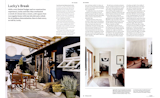
Conversely, areas where cost savings could be realized without severely compromising quality were identified. The flooring, for instance, was selected as bamboo laminate, a more economical alternative to solid hardwood or high-end tiles, offering a contemporary look and reasonable durability at a fraction of the cost. Similarly, cabinetry was sourced from Ikea, a brand renowned for its affordable, modular, and design-conscious kitchen systems, enabling a modern aesthetic within strict budgetary limits. This strategic allocation of funds—splurging on "high-touch" items and economizing on others—was central to the project’s financial success.
Embracing Efficiency and Sustainability on a Shoestring
Beyond aesthetics and functionality, the renovation placed a significant emphasis on energy efficiency, resulting in a home that consumed less energy than most other properties on the street. While a fully "green" renovation was beyond their $55,000 budget, the homeowners made conscious choices to integrate sustainable practices wherever feasible. The installation of a recycled metal roof was a prime example, offering durability, reflective properties to reduce heat absorption, and a reduced environmental footprint compared to traditional asphalt shingles.
Furthermore, they made deliberate material choices, opting for scrap wood or compressed board whenever structural integrity allowed, minimizing waste and utilizing repurposed materials. These decisions, while not necessarily leading to official LEED certification, aligned with the growing movement towards sustainable building practices in the early 21st century. The project demonstrated that even with limited funds, thoughtful design and material selection can lead to significant improvements in a home’s energy performance and environmental impact, offering long-term savings on utility bills and contributing to a healthier living environment.
Reflections, Regrets, and the Reality of DIY Renovation
Upon reflection, the homeowners identified aspects they might approach differently if given the chance. One such consideration was the flooring: they expressed interest in exploring cork flooring, known for its sustainable properties, comfort underfoot, and sound-dampening qualities, which perhaps wasn’t as widely accessible or affordable at the time of their renovation. Another point of candid self-assessment concerned drywall installation. The homeowner acknowledged the "insane amount of skill" required for professional-grade drywall finishing, admitting that their DIY attempt resulted in a "funky texture" due to their limited expertise in this particular trade.
They also reflected on their initial conservatism regarding structural changes, noting that they "would have been more liberal with knocking things down" if not for their apprehension, budgetary limitations, and time constraints. This candid admission highlights the inherent cautiousness of first-time major renovators, who often prioritize preserving existing structures to minimize risk and cost. Despite these minor reflections, the overarching sentiment was one of satisfaction, acknowledging that the final outcome was "pretty nice considering the money we spent." This realistic self-assessment adds authenticity to their journey, acknowledging imperfections while celebrating the significant achievement within their challenging parameters.
The Grueling Timeline and the Triumph of Dedication
The renovation timeline was a testament to extreme dedication. What began in the homeowner’s "delusional mind" as a swift 30-day project quickly expanded, though still remarkably compressed given the scope of work. The actual renovation commenced the week escrow closed, initiating a grueling schedule that demanded immense personal sacrifice. The homeowner adopted an intense routine: leaving their temporary residence at 5 a.m. to work on the house, transitioning to a full-time job from 9 a.m. to 5 p.m., grabbing fast food, and then returning to the renovation site to work until midnight. This relentless pace continued for three and a half months, during which only two days off were taken. This extraordinary commitment underscores the sheer physical and mental fortitude required for such an ambitious DIY undertaking, particularly when balancing it with professional responsibilities.
Economical Living and Inspirational Impact
The completed house, while modern and efficient, is also described as "very economical in space," fostering a lifestyle of intentionality and efficiency. The compact nature of the home necessitates a thoughtful approach to possessions, preventing the accumulation of "frivolous" items. The kitchen, for instance, has no room for seldom-used gadgets or forgotten pantry staples, forcing occupants to be mindful of what they own and use. This philosophy extends throughout the house, ensuring that "the entire house is used all of the time," maximizing every square foot of living space. This minimalist approach, driven by design and necessity, promotes a clutter-free environment and a more conscious consumption pattern.
Ultimately, the homeowner expressed a profound desire for their story to serve as an inspiration. "I would love for someone to read this story and think, If these people could do it, I can do it," they stated, acknowledging the cliché but asserting its truth: "It’s doable, if you have the desire." This concluding sentiment encapsulates the broader message of the renovation: that with sufficient willpower, strategic planning, and a willingness to learn and labor, seemingly insurmountable renovation challenges can be overcome, transforming not just houses, but also perceptions of what is possible for the average homeowner. The project remains a powerful example of how vision, hard work, and a tight budget can converge to create a truly personalized and efficient home.