admin
admin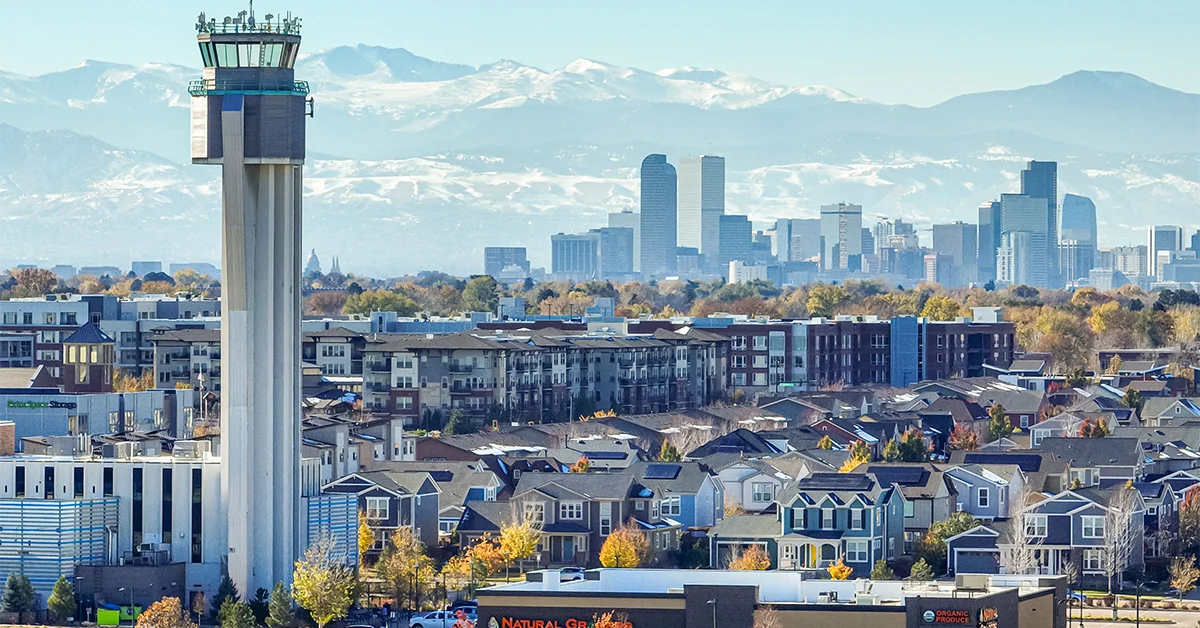
At 6:32 a.m. on a late August morning, the intersection of meteorology and craft brewing became a source of significant frustration for Eric Serani, the cofounder and president of Denver-based FlyteCo Tower. A text message sent to a waiting party of observers and brewery staff delivered the definitive blow to the day’s scheduled operations: the cloud cover at Erie Municipal Airport was too dense for a safe departure. Serani had planned to pilot his four-seater Van’s Aircraft RV-10 across the formidable peaks of the Rocky Mountains to Billy Goat Hop Farm in Montrose, Colorado. The mission was a cornerstone of the brewery’s annual identity: a rapid-response "fresh hop" pickup, where whole-cone hops are harvested and transported back to the brewhouse within hours to capture the volatile oils and delicate aromatics that define the seasonal substyle.
Since its inception in 2019, FlyteCo has utilized aviation to bypass traditional supply chains, turning a logistical necessity into a high-stakes tradition. However, the 2025 harvest season served as a stark reminder of the limitations of human ambition when faced with the unpredictability of mountain weather. As the flight was postponed from Monday to Wednesday, and eventually grounded entirely for the season, the story of FlyteCo’s "Hop Is My Co-Pilot" IPA shifted from a tale of successful transport to an exploration of the razor-thin margins and deep-seated passion required to maintain an aviation-themed brewery in the modern craft beer landscape.
The Intersection of Aviation and Brewing Logistics
The concept of a fresh hop beer—often referred to as "wet hop" beer—relies entirely on speed. Unlike standard brewing processes that use dried, pelletized hops, fresh hop brewing utilizes the flower of the Humulus lupulus plant immediately after it is plucked from the bine. Once harvested, the hop cones begin to degrade almost instantly; their moisture content makes them prone to composting or developing "off" flavors if not utilized within 24 to 48 hours.
For FlyteCo, the solution to this biological clock was the use of private aviation. The flight path from Erie to Montrose covers approximately 175 nautical miles, requiring the pilot to navigate altitudes between 11,000 and 13,000 feet to clear the Continental Divide. In a standard vehicle, the journey from Denver to the Western Slope can take upwards of five to six hours depending on traffic and mountain passes; in the RV-10, Serani can complete the trip in roughly 90 minutes.
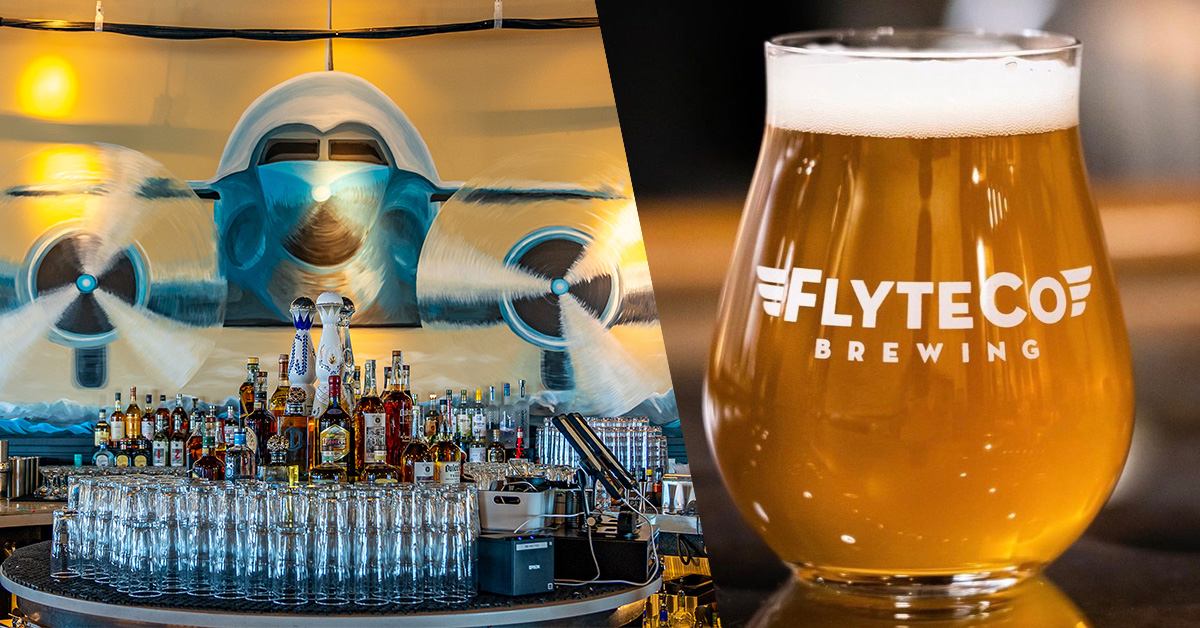
"The entire FlyteCo brand is about aviation, about inspiring people to push their limits," Serani noted during the grounding. While the use of aviation for hop transport is arguably less efficient than standard overnight shipping when fuel costs and pilot hours are factored in, the endeavor serves as a marketing pillar and a skill-sharpening exercise for the brewery’s leadership.
A Chronology of FlyteCo’s Rise
The origins of FlyteCo are rooted in the personal history of Eric Serani and cofounder Jason Slingsby, who met as students at the University of Colorado Boulder. Serani, an aerospace engineering major, and Slingsby, a chemical engineering student, shared a dual fascination with homebrewing and the mechanics of flight. Serani’s connection to aviation was generational; his grandfather had introduced him to the cockpit of a 1946 kit plane at the age of three. By 16, Serani was flying solo, and by 17, he was a licensed pilot.
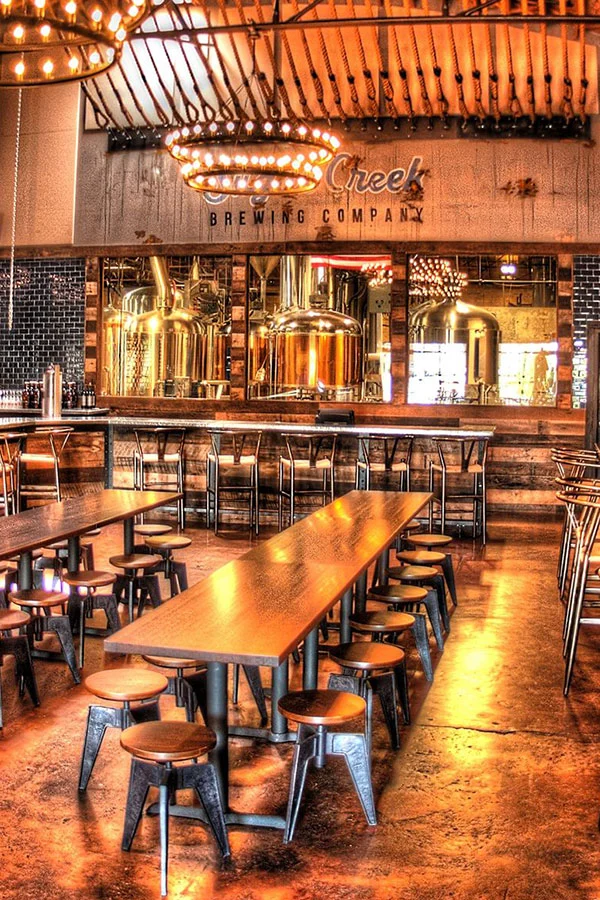
Following a stint at Boeing, Serani pivoted toward the craft beverage industry. In February 2019, along with cofounder Morgan O’Sullivan, the team opened the original FlyteCo Brewing on Tennyson Street in Denver. The 15-barrel system allowed them to establish a foothold in a city with one of the highest densities of craft breweries in the United States.
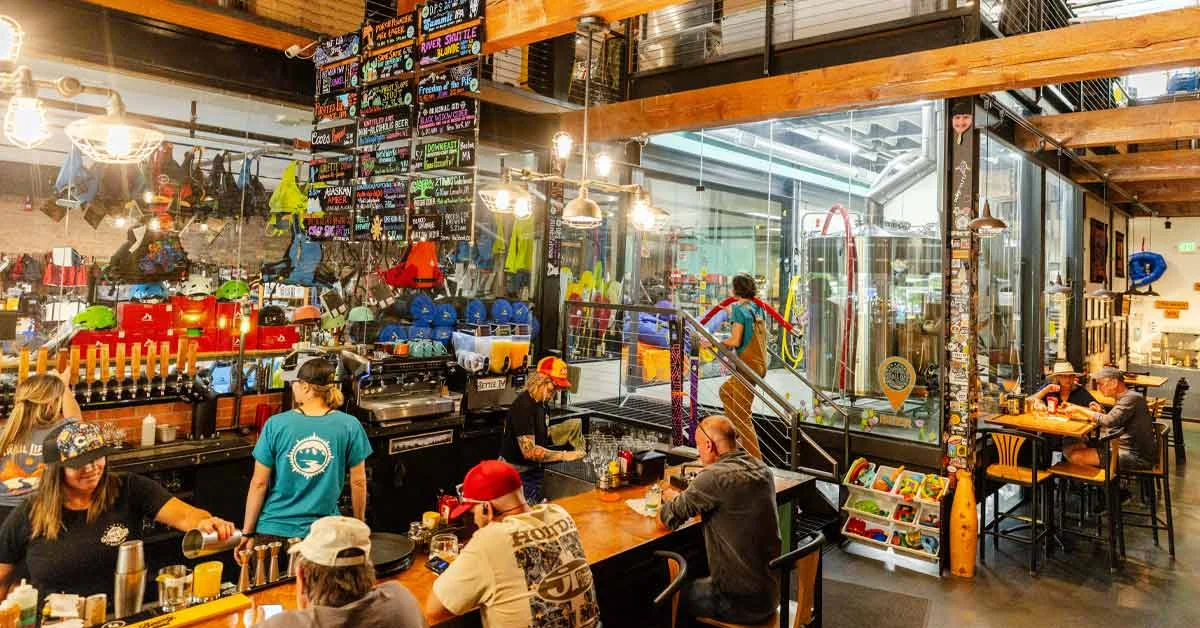
The brewery’s most significant expansion occurred in 2022 with the opening of FlyteCo Tower. This second location is housed in the former air traffic control tower of Stapleton International Airport, which served as Denver’s primary aviation hub from 1929 until its closure in 1995. The tower had sat dormant for decades following the transition of operations to Denver International Airport (DIA). Today, the facility functions as a 20,000-square-foot entertainment complex, featuring a 2.5-barrel pilot brewing system, multiple bars, and recreational activities such as bowling and axe throwing.
The 2025 Harvest: A Season of Unprecedented Delays
The 2025 season marked the first time in six years that the "Hop Is My Co-Pilot" flight was forced to a permanent halt. The logistical failure was a result of a "perfect storm" of agricultural and meteorological timing. The hop harvest at Billy Goat Hop Farm was delayed by seasonal growth patterns, narrowing the window of availability. When the hops were finally ready for picking, a persistent low-pressure system over the Rockies created unsafe flying conditions for small aircraft.
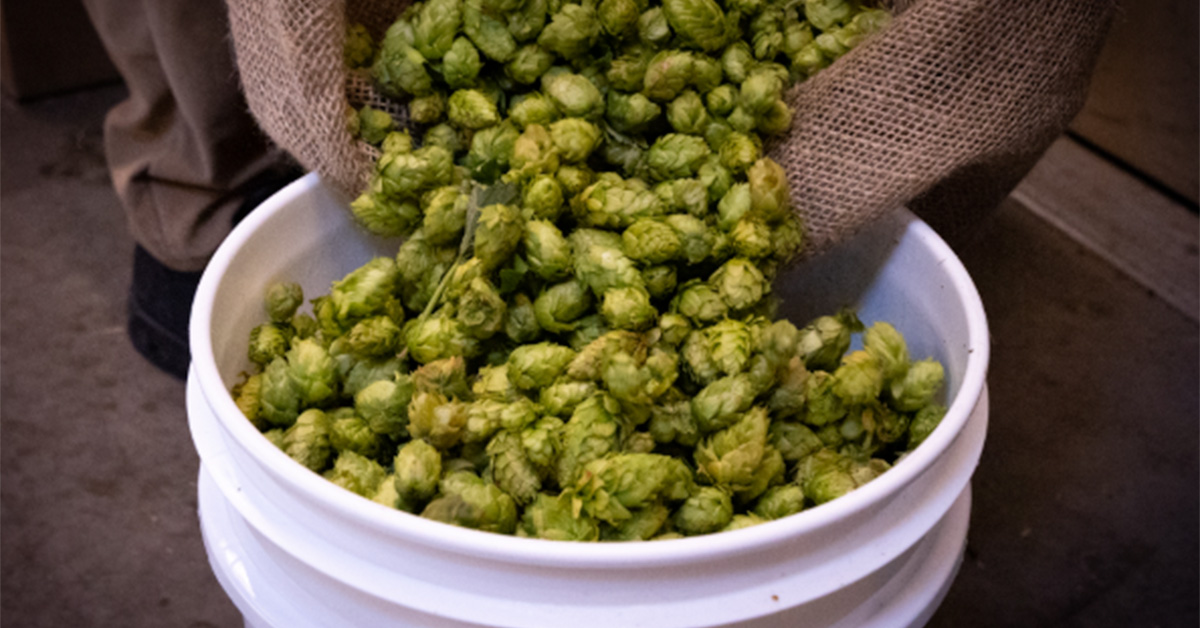
"It’s always so last minute," Serani explained. "The harvest timing isn’t certain until a few weeks out, and the weather isn’t certain until the morning of."
The decision to ground the flight highlights the inherent risks of "experiential" brewing. In previous years, the brewery had successfully transported between 80 and 100 pounds of hops—primarily Chinook, Cascade, and Nugget varieties—stuffed into every available cubic inch of the aircraft’s cabin. For the smaller 2.5-barrel system currently used at the Tower, the requirement had dropped to approximately 20 pounds. Despite the lower volume, the narrow window for the harvest closed before the weather cleared, leading the team to prioritize safety over the seasonal release.
Data and Historical Context: Denver’s Aviation Heritage
FlyteCo’s mission is deeply intertwined with Denver’s status as an aviation pioneer. The city’s thin air was once thought to be a barrier to flight. In 1910, French aviator Louis Paulhan disproved this by successfully flying in the "Mile High" city. By the mid-20th century, Denver had become a critical node in global travel. Stapleton International Airport was the third busiest airport in the world by 1961, eventually outgrowing its footprint and leading to the construction of DIA, which currently holds the rank of the third busiest airport in the U.S. and sixth in the world.
Furthermore, the region was a manufacturing hub for the industry. In 1954, Bob Stanley established Stanley Aviation in nearby Aurora, where he developed and produced ejection seats for military and commercial use. FlyteCo pays homage to this history not just through its location, but through philanthropy. The brewery allocates 10% of its profits to aviation-focused initiatives, including the Experimental Aircraft Association’s (EAA) Young Eagles program, which provides free introductory flights to youth to encourage careers in STEM and aeronautics.
Analysis of the Experiential Brewery Model
The failure of the 2025 fresh hop flight underscores a broader shift in the craft beer industry: the move toward "experience-based" business models. As the market for traditional packaged beer becomes increasingly saturated, breweries like FlyteCo have found success by offering more than just a product. FlyteCo Tower operates as a community hub and a living museum.
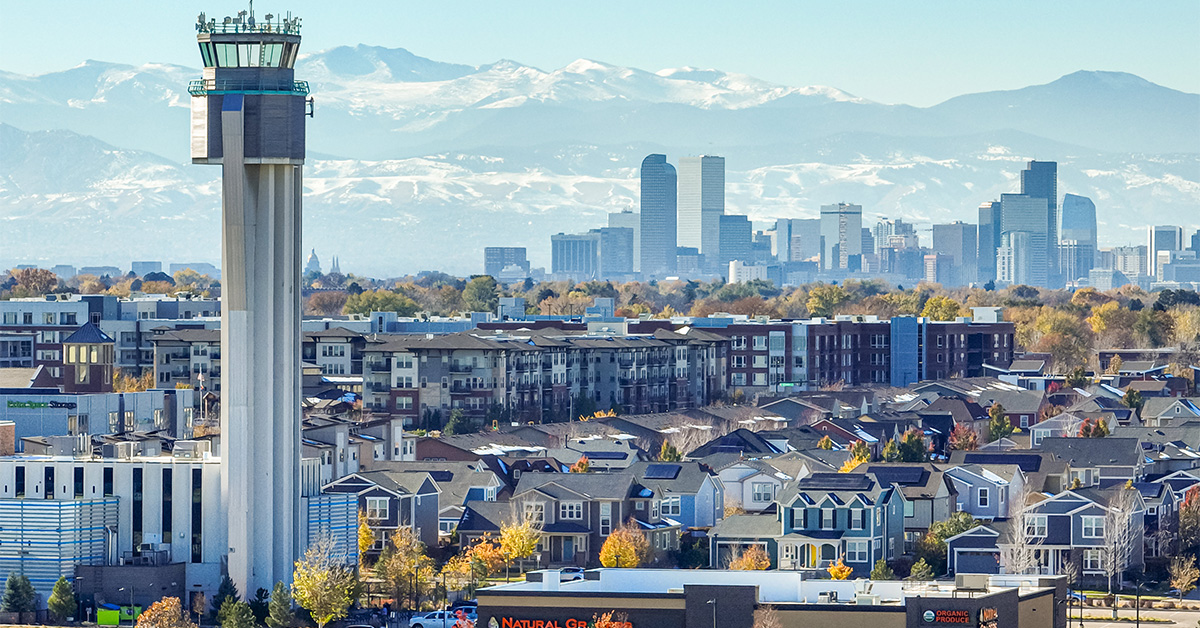
The facility employs an in-house historian, Sean Henson, who conducts tours of the 11-story tower. These tours detail the history of figures like Marlon Green, who broke racial barriers in commercial aviation, and Emily Howell Warner, the first woman hired by a scheduled U.S. airline.
From a business perspective, the "Hop Is My Co-Pilot" IPA is a "loss leader." According to cofounder Morgan O’Sullivan, the fuel costs for the RV-10 often exceed the market value of the hops themselves. "There’s no practicality to the event whatsoever," O’Sullivan stated. "We do it because we’re passionate about it." This passion, while logistically risky, builds brand loyalty and distinguishes the brewery in a competitive landscape where storytelling is as vital as the quality of the liquid in the glass.
Implications for the Future of Seasonal Brewing
The grounding of the 2025 flight may have disappointed fans of the seasonal IPA, but it has reinforced the brewery’s commitment to its core values. By refusing to compromise on the "fresh" aspect of the beer—opting to skip the release rather than using older, shipped hops for the specific "Co-Pilot" label—the brewery maintains its reputation for authenticity.
The team has already begun looking toward the 2026 harvest, with plans to potentially involve more pilots from the local EAA chapter. The 2025 season will be remembered not for the beer it produced, but for the lesson it provided in the hierarchy of operations: in both brewing and aviation, the environment dictates the schedule.
As FlyteCo continues to operate its flagship bars and support aviation education, the "Hop Is My Co-Pilot" project remains a symbol of the brewery’s ethos. It represents a bridge between the technical precision of aerospace engineering and the artisanal creativity of craft brewing. While the 2025 vintage remained grounded, the infrastructure of the brewery—and the community it supports—continues to operate at a high altitude, waiting for the clear skies of next August.