admin
admin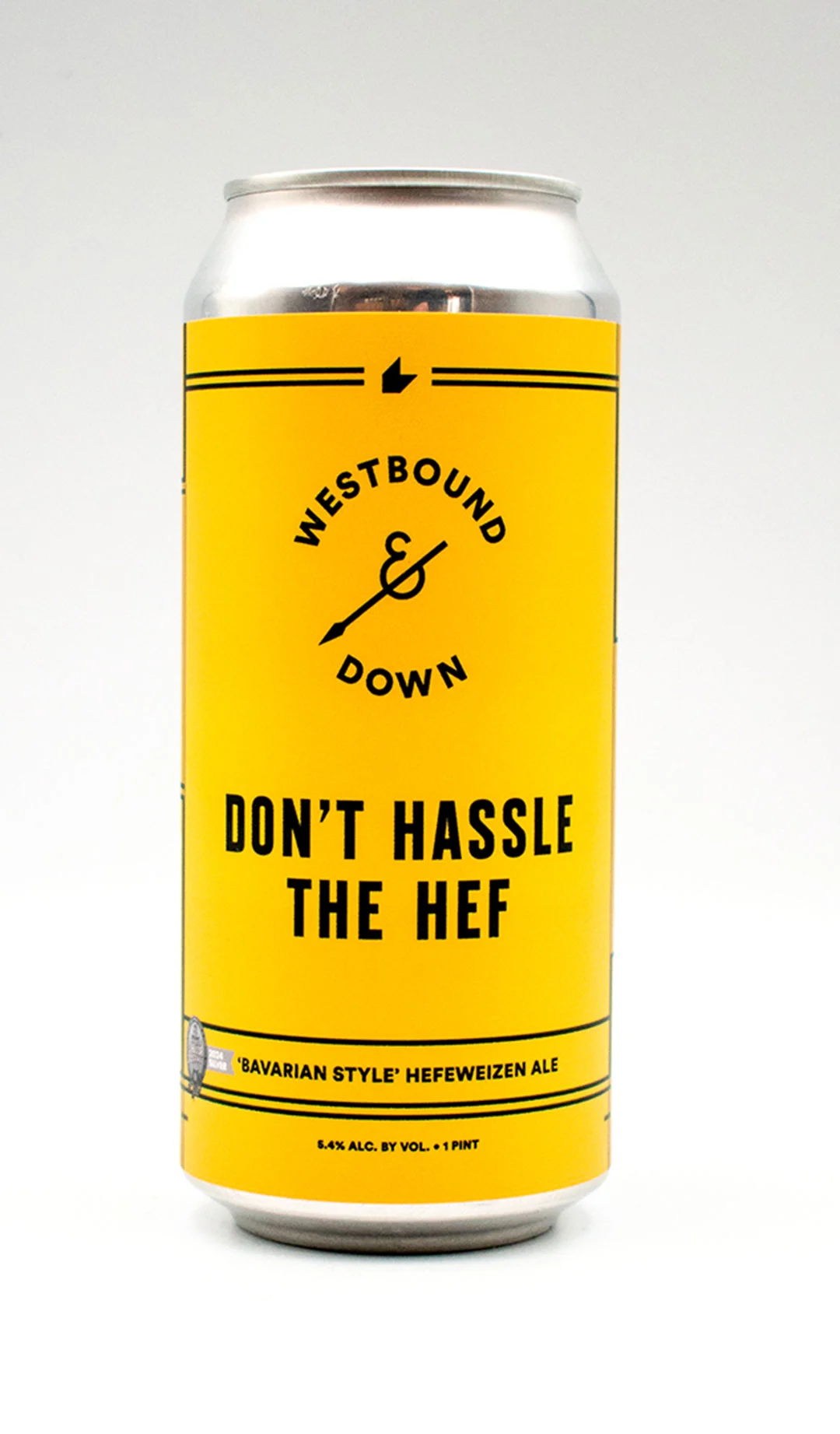
The trajectory of DankHouse Brewing, a Newark, Ohio-based establishment founded in 2017 by Josh and Heather Lange, reached a peculiar milestone in February 2020 at the Juicy Brews IPA festival in Pittsburgh. Faced with a flavor profile that failed to meet their standards for "Banana Peel’d"—a hazy IPA designed to showcase intense fruit notes—the Langes found themselves in a race against time. With bulk aseptic banana purée unavailable for immediate shipping, the couple experimented with store-bought fruit and dried chips, only to encounter issues with unappetizing oxidation and lackluster flavor extraction. The solution was found in an unlikely place: the baby food aisle. Discovering that their preferred industrial purée shared a near-identical composition with Gerber banana baby food, the Langes sourced the product from every grocery store within a 40-mile radius of Columbus. This "scooping party" allowed them to amplify the beer’s profile just days before the event, where they served the unconventional brew alongside industry titans like The Alchemist.
This anecdote serves as a microcosm of a broader movement within the craft beer sector, where brewers are increasingly leveraging both traditional fermentation science and innovative adjuncts to capture the elusive essence of banana. From the yeast-driven aromas of German hefeweizens to the dense, dessert-like profiles of modern pastry stouts and smoothie sours, the banana has transitioned from a niche experimental ingredient to a cornerstone of contemporary flavor profiles.
The Historical and Chemical Foundation of Banana Aromas
To understand the current obsession with banana-flavored beer, one must look back at the agricultural history of the fruit itself. A century ago, the global market was dominated by the Gros Michel cultivar, colloquially known as "Big Mike." This variety was characterized by a thick peel and high concentrations of isoamyl acetate, the fruity ester responsible for the signature "banana" scent and taste. However, by the 1950s, a fungal outbreak known as Panama disease decimated Gros Michel plantations, leading to the rise of the Cavendish banana.
The Cavendish, while more resistant to disease, contains significantly lower levels of isoamyl acetate. This agricultural shift created a sensory disconnect for modern consumers; artificial flavorings used in candies like Runts or Laffy Taffy were modeled after the Gros Michel, leading many to associate "real" banana flavor with a profile that no longer exists in the produce aisle. In brewing, this chemical compound is ubiquitous. All beers contain some level of isoamyl acetate produced during fermentation. In many styles, such as light lagers, excessive banana notes are classified as an "off-flavor," indicating a flaw in the fermentation temperature or yeast health. Conversely, in a German hefeweizen, the ester is the primary aromatic goal.
The Science of Yeast Stress and Traditional Brewing
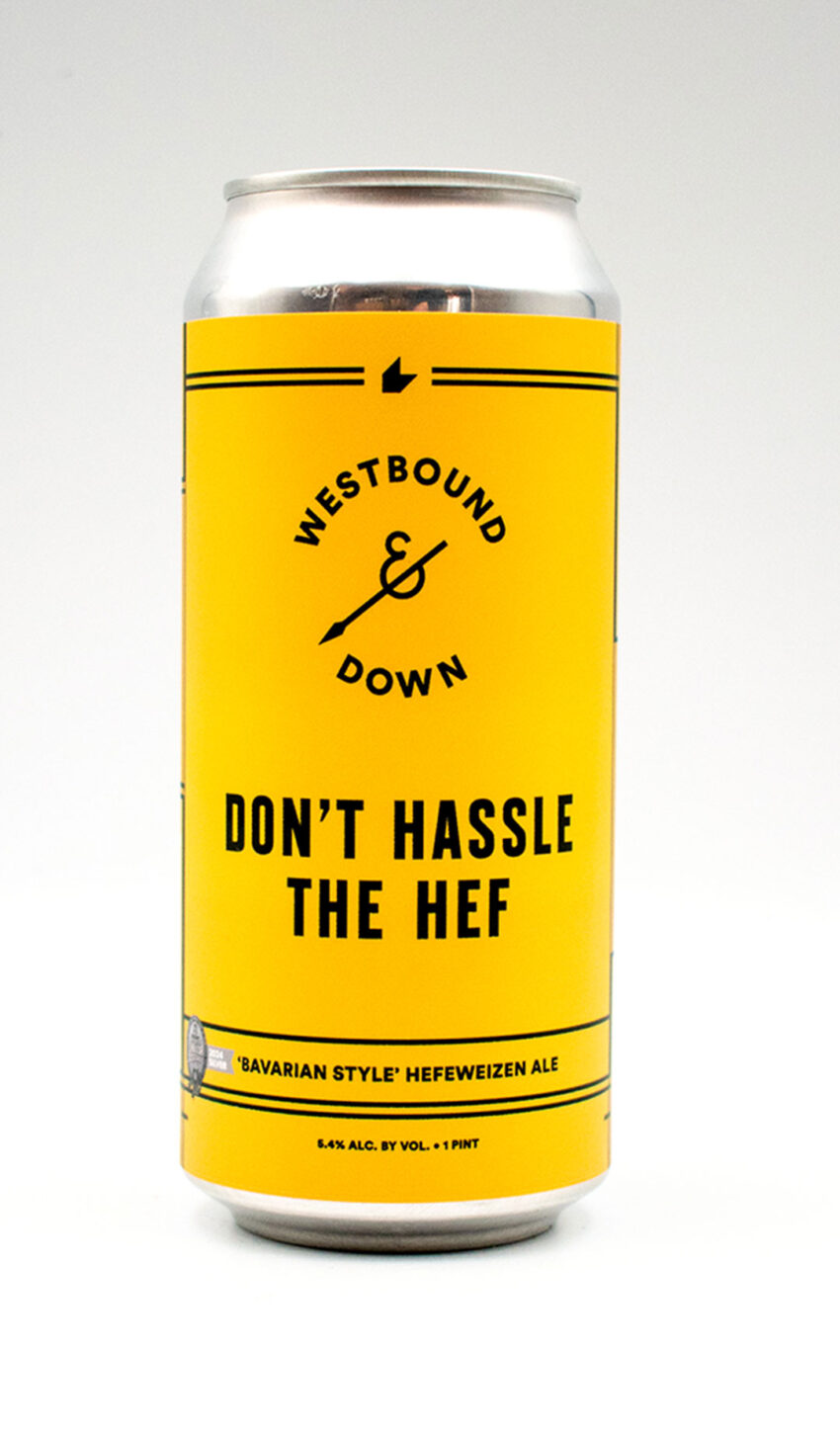
Achieving a balanced banana profile through fermentation alone is a rigorous technical challenge. Derek Goodman, head brewer at Westbound & Down Brewing in Colorado, emphasizes that a proper hefeweizen should smell less like fresh fruit and more like the concentrated aroma of banana candy. His award-winning "Don’t Hassle the Hef" utilizes a technique known as under-pitching to coax these esters from the yeast.
By pitching only one-third of the recommended yeast cell count and minimizing oxygen availability, brewers force the yeast into a state of metabolic stress. As the yeast struggles to reproduce and colonize the wort, it produces an abundance of fruity esters. This process requires precise control; too much stress can lead to unwanted sulfur compounds, while too little results in a bland, clove-heavy beer. The demand for these specific yeast strains is currently surging. Jeff Mello, founder of Nashville-based yeast suppliers Bootleg Biology and Spot Yeast, reports that hefeweizen strains have become his second best-selling products, trailing only the ubiquitous hazy IPA yeasts. This resurgence suggests a shifting consumer palate that is increasingly appreciative of yeast-forward complexity.
The Rise of Adjunct-Heavy Pastry Stouts and Sours
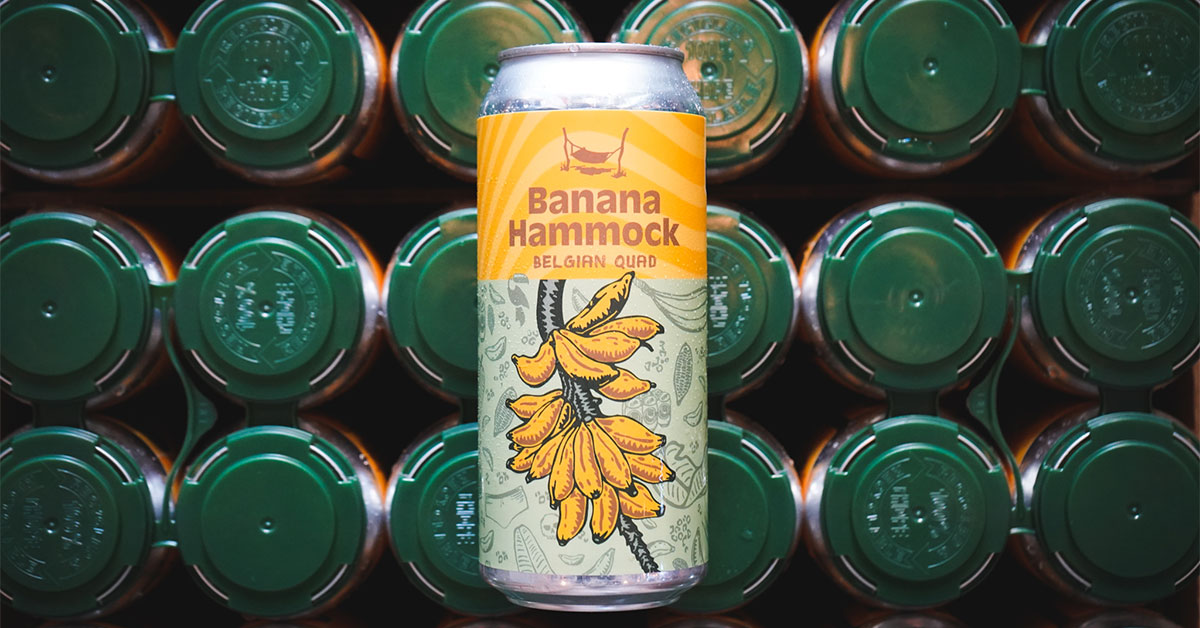
While yeast provides the foundation, a new generation of brewers is seeking "dynamic" flavors that yeast alone cannot provide. This has led to the widespread adoption of fruit purées and adjuncts to create dessert-inspired beers. WeldWerks Brewing in Greeley, Colorado, and Crooked Hammock Brewery in Delaware have pioneered "pastry stouts" and "Belgian quads" that utilize bananas to emulate chocolate-dipped treats or banana pudding.
Larry Horwitz, director of brewing operations at Crooked Hammock, notes that the timing of fruit addition is critical to maintaining flavor integrity. Adding sugary banana purée after primary fermentation prevents what he calls the "Cheetos dilemma." If yeast is presented with simple sugars during the peak of fermentation, it may become "lazy," ignoring more complex malt sugars in favor of the easily digestible fruit sugars, which can lead to incomplete fermentation and stability issues. By waiting until the yeast has finished its primary task, brewers can ensure the residual sweetness and aromatic punch of the fruit remain intact.
However, using fresh or puréed bananas presents logistical hurdles. The high pectin content can lead to a thick, viscous texture that is divisive among consumers. Nick Panchamé, president of HOMES Brewery, notes that while banana additions boost body and sweetness in their "Smooj" hard smoothies, a subset of the market remains averse to the "slushy" consistency often associated with heavily fruited beers.
The "Grand Cru" of Ingredients: Wild Thai Bananas
As the competition for unique flavors intensifies, some breweries have turned to premium, imported ingredients to distinguish their products. The use of dried wild Thai bananas has become a "not-so-secret" weapon for elite producers of imperial stouts and barleywines. Rodrick Markus, CEO of Rare Tea Cellar in Chicago, began importing these fructose-rich fruits over a decade ago, initially for the culinary and spirits industries.
In 2019, the craft beer industry’s interest in these bananas exploded. Unlike purées, dried Thai bananas provide a concentrated, caramelized flavor without significantly altering the beer’s viscosity or introducing excess water. This ingredient proved so popular that it sustained Markus’s business during the COVID-19 pandemic, with weekly sales reaching 1,000 pounds even as restaurant orders plummeted.
For breweries like The Veil Brewing in Richmond, Virginia, these bananas are essential for high-gravity offerings like "Sky Summoner." However, the cost is prohibitive. Matt Tarpey, co-founder of The Veil, notes that achieving the desired flavor profile requires upwards of 10 pounds of bananas per barrel. With market prices hovering around $50 per pound—exacerbated by 35% tariffs on Thai imports—the ingredient cost alone can exceed the total production cost of standard beers. Tarpey describes these projects as a "labor of love," where profit margins are sacrificed for the sake of artisanal quality.
Regulatory Evolution and Industry Impact
The increasing use of bananas in brewing eventually necessitated a change in federal oversight. Until late 2023, the Alcohol and Tobacco Tax and Trade Bureau (TTB) did not recognize bananas as a "traditional" brewing ingredient. This classification forced breweries to submit complex formula exemptions and wait for federal approval before they could legally sell banana-infused beers.
In a significant victory for the craft industry, the TTB expanded its list of exempt ingredients to include bananas, recognizing their historical and modern prevalence in the trade. This regulatory shift has lowered the barrier to entry for smaller breweries, allowing them to experiment with fruit additions without the administrative burden of lengthy approval processes. This change reflects a broader recognition of craft beer’s evolution from simple malt-and-hop beverages to complex, culinary-inspired creations.
Broader Implications for the Craft Sector
The "banana moment" in craft beer is indicative of a larger trend toward transparency and flavor intensity. As consumers move away from mass-produced lagers, they are gravitating toward products that offer a clear, recognizable sensory experience. Whether through the meticulous management of yeast esters or the expensive addition of imported dried fruits, brewers are responding to a market that values innovation and "unpeeled" authenticity.
The economic reality of these beers—characterized by high ingredient costs and labor-intensive processes—highlights the divide between industrial brewing and the craft movement. While large-scale breweries prioritize efficiency and consistency, independent brewers are increasingly willing to engage in "scooping parties" or navigate international trade tariffs to achieve a specific flavor profile. As the industry continues to mature, the banana stands as a symbol of the creative risks and technical expertise that define modern American brewing. The diversity of methods—ranging from baby food to wild Thai imports—ensures that the banana’s role in the pint glass will continue to evolve, much to the delight of a fruit-obsessed public.