admin
admin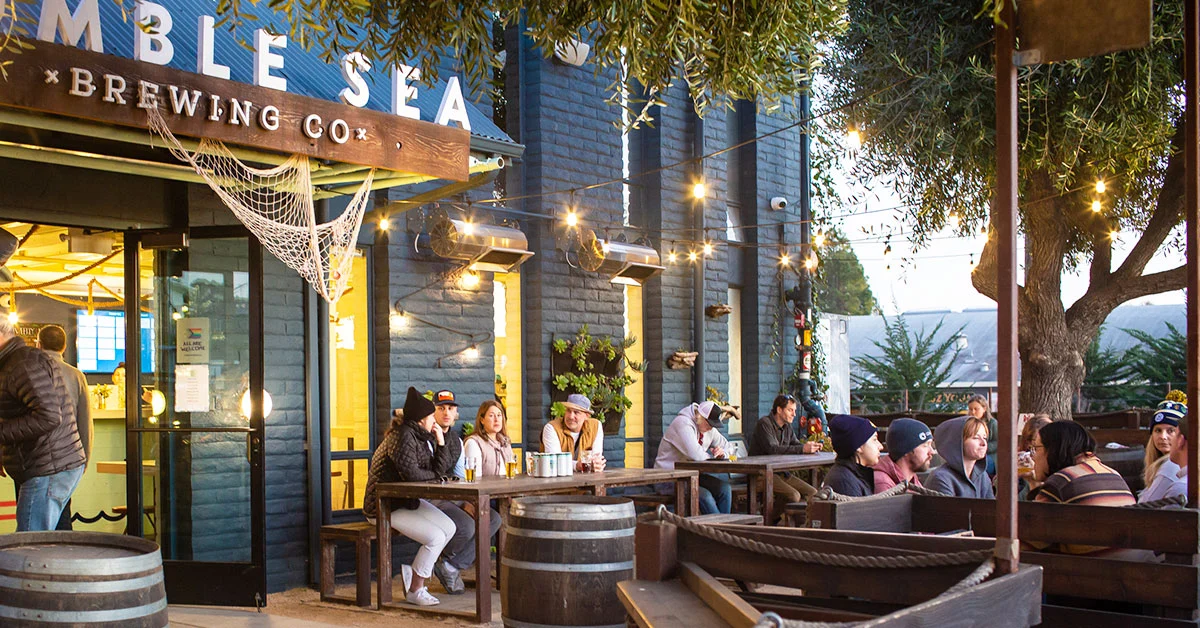
The craft brewing industry in the United States has undergone a radical transformation over the last decade, transitioning from a niche movement defined by experimental fervor to a mature market characterized by strategic diversification and a surprising return to traditional brand building. For many entrepreneurs entering the space, the initial vision is often crystalline: a specific flavor profile, a targeted demographic, and a dream of seeing their labels on the shelves of premier retailers. However, as the experiences of Oregon’s Sunriver Brewing and California’s Humble Sea Brewing Co. demonstrate, the path to long-term viability requires a delicate, often grueling balance between artistic passion and the cold realities of consumer demand and distribution logistics.
In the current climate, breweries are no longer just competing against the taproom down the street; they are contending with shifting consumer palates, the rise of "beyond beer" categories like hard seltzer, and a marketplace that is increasingly weary of the "constant novelty" cycle. This evolution has forced a re-evaluation of what constitutes a successful brewery model, leading many to rediscover the power of the flagship beer—the reliable, consistent brew that serves as the financial and cultural bedrock of the brand.
The Foundation of Localized Strategy: Sunriver Brewing’s Geographic Pivot
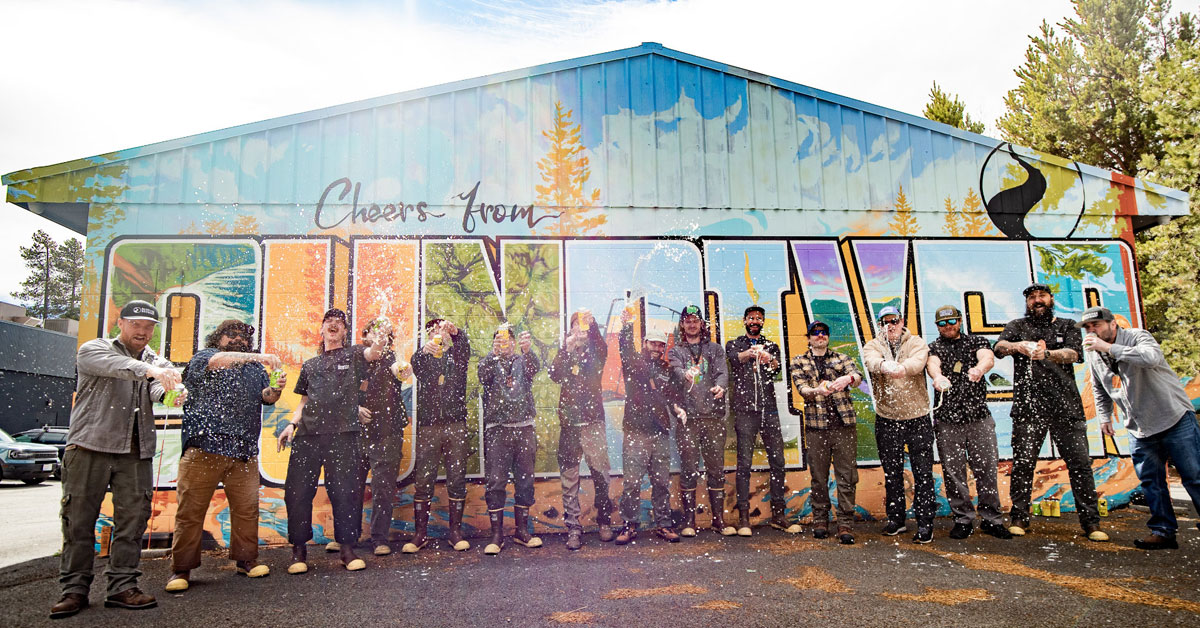
When Sunriver Brewing launched in Oregon in 2014, its identity was inextricably linked to its physical location. Sunriver is a unique municipality; while it maintains a year-round population of approximately 2,000 residents, that number can swell to 15,000 or more on any given weekend due to tourism. Head brewer Brett Thomas notes that this transient demographic dictated the brewery’s initial portfolio. In the early years, the strategy was "pub-oriented," focusing on accessible, "basic" styles that would appeal to visitors who might not be seasoned craft beer aficionados. The opening lineup consisted of staples: a blonde ale, a pale ale, an amber ale, and a stout.
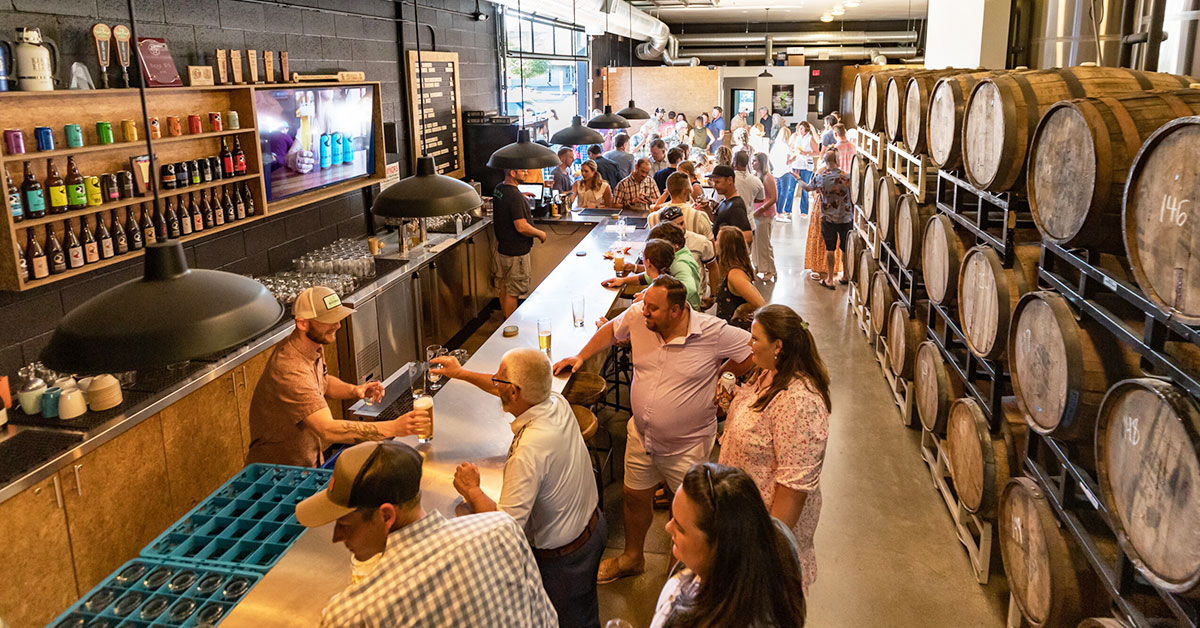
This "gateway" approach served as an effective entry point, but as the brewery’s reputation grew, so did the necessity for expansion. The challenge for Sunriver—and many breweries like it—became finding the "sweet spot" between producing cutting-edge, experimental brews that satisfy the "beer geek" contingent and maintaining the approachable beers that pay the bills. As Sunriver expanded into new taprooms and secured wholesale contracts, their menu began to reflect a more complex demographic. Today, their offerings range from the "Coolwater" American light lager, designed for the traditionalist and the tourist, to sophisticated barrel-aged and wild ale series intended for the high-end connoisseur.
The Pivot to Survival: Humble Sea and the Foggy IPA Phenomenon
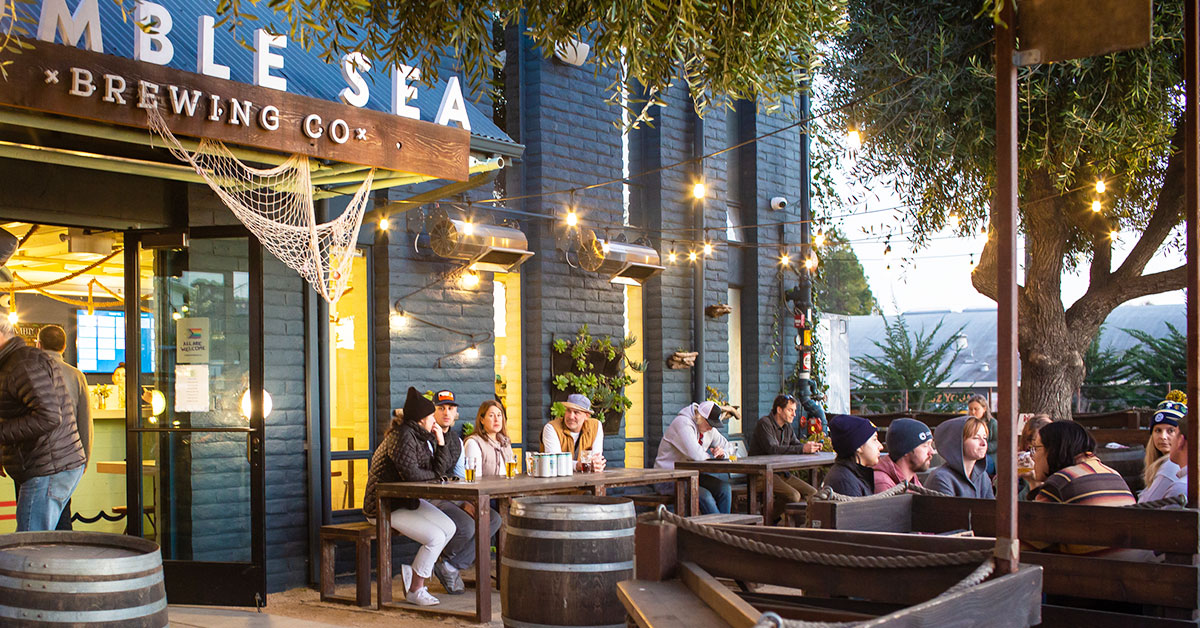
The trajectory of Humble Sea Brewing Co., founded in Santa Cruz, California, in 2015, offers a different perspective on market adaptation. Co-founder Frank Scott Krueger admits that the brewery’s original mission was to be a "lager-first" establishment. However, in 2015, the California market was not yet ready for a craft-lager revolution. To ensure the business remained solvent, Humble Sea was forced to pivot aggressively toward hop-forward styles.
This pivot led them into the heart of the "Foggy" or Hazy IPA trend. By leaning into these juice-forward, low-bitterness beers, Humble Sea established a national reputation. At one point, nearly 95% of their production was dedicated to hoppy beers. This strategic move "put them on the map," providing the capital and consumer trust necessary to eventually circle back to their original passion. Currently, lagers account for roughly 30% of their production—a testament to the fact that a brewery must sometimes build a brand on what the market wants before it can sell the market what the brewer loves.
Micro-Market Tailoring: The Geography of Taste
One of the most significant shifts in the craft brewing business model is the recognition that "the consumer" is not a monolith. Humble Sea has refined this understanding by tailoring the tap lists of its various locations to the specific tastes of those neighborhoods.
In Pacifica, the brewery finds that West Coast IPAs—characterized by clarity and firm bitterness—are the primary drivers of sales. Conversely, their Santa Cruz location leans heavily into pilsners and lagers, reflecting a more relaxed, coastal session-drinking culture. Meanwhile, the Alameda taproom attracts a demographic of "beer nerds" who gravitate toward high-gravity offerings like triple and quadruple IPAs. This level of hyper-local data analysis allows breweries to maximize efficiency and customer satisfaction, moving away from a "one size fits all" distribution model.
The Logistics of Growth: Wholesalers and the Pandemic Shift
The evolution of a brewery’s portfolio is often as much about logistics as it is about flavor. Sunriver’s Brett Thomas highlights the "competing agendas" that arise when a brewery scales. A wholesaler’s priority is often efficiency and volume—they want a "Vicious Mosquito" IPA (Sunriver’s flagship) because it is a proven seller that is easy to move. In contrast, a tavern owner might want a rotating list of seasonal rarities to keep their tap list fresh, while the brewery’s own pub operators need a balance of both to satisfy regular locals and one-time tourists.
The COVID-19 pandemic served as a brutal stress test for these distribution models. Breweries that relied exclusively on their own taprooms saw their revenue streams vanish overnight, while those heavily dependent on wholesalers faced the risk of being "lost in the shuffle" as retailers narrowed their inventories. This period reinforced the importance of a diversified revenue stream—maintaining a presence in grocery stores via wholesalers while cultivating a loyal direct-to-consumer base through taprooms.
The Resurgence of the Flagship: Combating "Release Fatigue"
Perhaps the most notable trend in the 2024-2025 brewing landscape is the return of the flagship beer. For nearly a decade, the industry was driven by "drop culture"—a constant cycle of new releases, limited editions, and one-off collaborations. While this drove initial excitement, it eventually led to what Frank Scott Krueger describes as "beer release fatigue."
Consumers are increasingly looking for reliability. This shift is echoed by beer historian and writer Jeff Alworth, who has noted the power of nostalgia in the current market. Established brands like Sierra Nevada have seen sustained interest in "legacy" beers like Celebration Ale, while newer breweries are finding that their "core" beers are becoming their most valuable assets.
For Humble Sea, that anchor is "Socks & Sandals," a Foggy IPA that emerged as a fan favorite and eventually became a permanent fixture. For Sunriver, it is the "Vicious Mosquito" IPA. Thomas credits wholesalers for the rise of Vicious Mosquito, noting that in the mid-2010s, distributors were eager to find a brand they could "latch onto and exploit." While the brewery may produce dozens of experimental beers a year, Vicious Mosquito remains the primary brand ambassador, often serving as the only beer a consumer knows from their portfolio.
Broader Market Implications and the Future of Craft
The data supports this shift toward stability. According to industry reports from the Brewers Association, while the overall growth of the craft segment has leveled off, "sessionable" styles and established brands are showing more resilience than experimental one-offs. The "Beyond Beer" category—which includes the hard seltzers Sunriver eventually embraced—now accounts for a significant portion of shelf space, forcing brewers to be more disciplined with their traditional beer portfolios.
The "return to the flagship" is not merely a retreat to safety; it is a sophisticated branding move. In a crowded marketplace, a flagship provides a point of recognition. It allows a brewery to build a narrative of quality and consistency. As the industry moves forward, the most successful breweries will likely be those that can maintain a dual identity: the "innovator" that produces small-batch, experimental cans for the enthusiasts, and the "reliable producer" that provides a consistent, high-quality flagship for the general public.
In summary, the craft brewing industry is entering a phase of "mature innovation." The lessons learned by Sunriver and Humble Sea suggest that the "clear path" to success is rarely a straight line. It involves pivoting to meet market demands, surviving global disruptions, and eventually earning the right to return to one’s original brewing passions. By balancing the "cutting-edge" with the "known and loved," modern breweries are not just making beer; they are building sustainable institutions in an ever-changing cultural landscape.