admin
admin
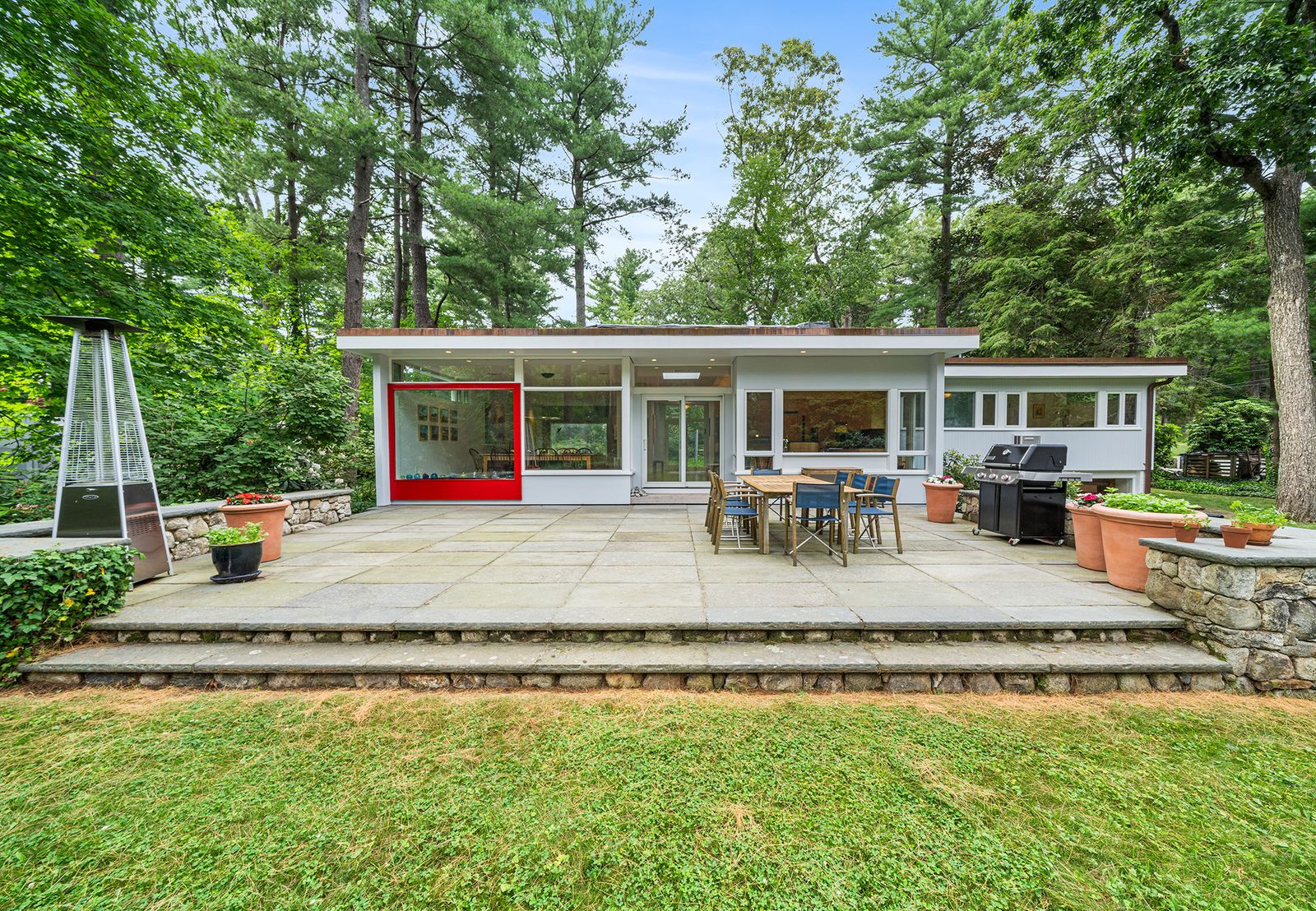
Nestled at 32 Moon Hill Road in Lexington, Massachusetts, a historically significant residence designed by the esteemed architectural firm The Architects Collaborative (TAC) has entered the market with an asking price of $1,950,000. Built in 1950, this 2,220-square-foot home, featuring four bedrooms and three bathrooms, occupies a generous 0.49-acre lot within the nationally recognized midcentury-modern enclave of Six Moon Hill. This listing represents a unique opportunity to acquire a piece of architectural history, offering a blend of modernist design principles, curated features, and membership in a community originally conceived as a utopian ideal.
The Visionary Genesis of Six Moon Hill: A Post-War Utopian Experiment
The Six Moon Hill neighborhood is not merely a collection of houses; it is a profound testament to a post-World War II architectural and social experiment. Conceived in the late 1940s and predominantly built in the early 1950s, this community was established by a group of architects, many of whom were associated with The Architects Collaborative (TAC). The founders, including a number of returning GIs who had studied under Walter Gropius at Harvard’s Graduate School of Design, sought to create a living environment that reflected their modernist ideals: functional design, integration with nature, and a strong sense of community. This ethos led to the creation of what was effectively a cooperative housing development, where residents jointly owned significant portions of the land, sharing amenities and fostering a collaborative spirit.
The establishment of Six Moon Hill emerged from a specific historical context: the booming post-war economy, the return of service members, and a burgeoning interest in modern design principles that challenged traditional suburban models. The architects involved were not only designing their own homes but also shaping a communal future, emphasizing shared responsibilities and collective well-being. The neighborhood’s innovative approach to land use and communal living earned it national recognition, culminating in its well-deserved inclusion on the National Register of Historic Places. This designation, awarded decades later, underscores its importance as a preserved example of midcentury-modern urban planning and collaborative architectural practice, making each home within its bounds inherently historically significant. The communal ownership structure initially extended to various shared resources, including recreational facilities, which continue to define the neighborhood’s unique character and appeal, fostering a sense of solidarity and mutual support among residents.
The Architects Collaborative (TAC) and the Enduring Bauhaus Legacy

The architectural pedigree of 32 Moon Hill Road is exceptionally strong, attributed to The Architects Collaborative (TAC), one of the most influential architectural firms of the 20th century. TAC was founded in 1945 by the pioneering German architect Walter Gropius, a central figure of the Bauhaus movement, alongside seven younger associates: Jean B. Fletcher, Norman C. Fletcher, John C. Harkness, Sarah P. Harkness, Robert S. MacMillan, Louis A. McMillen, and Benjamin C. Thompson. Gropius, who had fled Nazi Germany in 1937 and subsequently became chair of the Department of Architecture at Harvard University’s Graduate School of Design, brought with him the radical principles of the Bauhaus: a commitment to functionalism, a belief in the integration of art and technology, and a profound focus on collaborative design as a means to achieve a holistic architectural vision.
TAC was explicitly formed to embody this collaborative spirit. Unlike traditional hierarchical firms, TAC operated on a principle of equal partnership, with no single "star architect" dominating the creative process. This collective approach aimed to foster a richer, more diverse architectural output, leveraging the strengths and perspectives of each partner. Their work ranged from residential projects like those in Six Moon Hill to large-scale institutional and corporate commissions worldwide, including the iconic United States Embassy in Athens (1961), the distinctive John F. Kennedy Federal Building in Boston (1966), and the ambitious Baghdad University master plan (1960). The firm’s influence on modern architecture, particularly in the post-war era, was profound, championing clean lines, open spaces, abundant natural light, and a harmonious relationship between built structures and their natural surroundings. The homes at Six Moon Hill served as early, tangible demonstrations of TAC’s core philosophies applied to domestic architecture, reflecting a belief in democratic design and community welfare. The firm operated for five decades, leaving an indelible mark on architectural discourse and practice before its eventual dissolution in the early 1990s.

Architectural Elegance and Thoughtful Design at 32 Moon Hill Road
The residence at 32 Moon Hill Road stands as a prime example of TAC’s midcentury-modern design ethos, meticulously maintained and thoughtfully updated to preserve its historical integrity while accommodating contemporary living standards. The architectural design prioritizes natural light, open flow, and a seamless connection to the outdoors, hallmarks of the era’s progressive residential architecture.

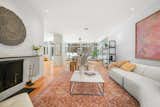
Upon entering, visitors are greeted by a sunlit foyer, a welcoming space enhanced by a practical window seat and a double closet, providing both comfort and ample storage, a testament to the efficient planning inherent in modernist design. This entryway sets the tone for the home’s functional elegance. The living room, a central gathering space, features a fireplace that serves as a focal point, providing warmth and ambiance. A built-in desk integrated into the living area speaks to the modernist emphasis on efficiency and multi-functional spaces, where every element serves a purpose. This area flows effortlessly into a spacious dining room, designed for both intimate family meals and larger social gatherings. Walls of glass in this section, complemented by strategically placed skylights, dramatically increase natural light penetration, blurring the lines between indoor comfort and the surrounding natural landscape. This design choice is characteristic of midcentury modernism, which sought to bring the outdoors in, promoting a sense of spaciousness, tranquility, and a constant connection to nature’s rhythms.
The chef’s kitchen is a testament to sophisticated functionality, equipped with professional-grade stainless-steel appliances that blend seamlessly with the home’s vintage character. A central island with bar seating offers a casual dining option and additional workspace, while a high-performance gas cooktop and double wall ovens cater to culinary enthusiasts and large-scale entertaining alike. The aesthetic is further enhanced by a sleek glass tile backsplash and durable granite countertops, providing a modern touch without detracting from the home’s original midcentury character. The inclusion of two sinks optimizes kitchen efficiency, a practical feature for any busy household. Thoughtful details like additional window seats in the kitchen offer cozy nooks for relaxation and informal dining, reinforcing the home’s comfortable and inviting atmosphere. Sliding glass doors lead directly from the kitchen to the expansive patio and yard, facilitating effortless outdoor dining, entertaining, and easy access to the verdant outdoor spaces, further embodying the indoor-outdoor living philosophy.

The upper level of the home is dedicated to private retreats. The primary bedroom is a true sanctuary, featuring two double closets that provide extensive storage, and an en suite bath for privacy and convenience. Three additional bedrooms offer flexibility for family members, guests, or dedicated workspaces, all serviced by two additional full baths, ensuring ample facilities for all occupants. Each bedroom likely benefits from the abundant natural light and thoughtful placement characteristic of TAC’s designs, offering serene views of the surrounding, mature landscape.
The lower level extends the home’s functional footprint, demonstrating TAC’s commitment to maximizing usable space. It includes a versatile family room with convenient walkout access, ideal for recreation, entertainment, or as a secondary living area that connects directly to the outdoors. An dedicated office with built-ins provides a private and organized space for work or study, reflecting the growing need for home-based work environments even in the mid-20th century, and certainly highly relevant in contemporary society. A well-appointed laundry area and additional storage spaces complete the lower level, underscoring the home’s comprehensive design that addresses both aesthetic and practical needs for a modern family.

Lexington, Massachusetts: A Historic and Desirable Locale
Lexington, Massachusetts, provides an ideal backdrop for a home of this historical and architectural caliber. Renowned for its pivotal role in the American Revolutionary War, particularly the Battle of Lexington on April 19, 1775, the town is steeped in history, offering residents a unique sense of place and heritage that resonates deeply within American consciousness. Beyond its historical significance, Lexington is consistently ranked among the most desirable communities in Massachusetts, celebrated for its excellent public school system, vibrant town center, and abundant green spaces that offer numerous recreational opportunities. Its strategic proximity to Boston, with convenient access to major highways and public transportation, makes it an exceptionally attractive location for commuters and those seeking a quintessential New England suburban lifestyle without sacrificing urban amenities and cultural access.

Lexington has also developed a reputation as a significant hub for modernist architecture, with Six Moon Hill being a crown jewel in this regard. The town’s forward-thinking approach to development in the mid-20th century, coupled with the presence of influential architects like Walter Gropius at nearby Harvard, fostered an environment conducive to experimental and innovative housing design. This confluence of historical gravitas, contemporary desirability, and architectural significance makes properties like 32 Moon Hill Road particularly appealing to discerning buyers who appreciate both tradition and innovation. The town’s commitment to preserving its unique architectural heritage adds another layer of appeal, ensuring that the distinctive character of neighborhoods like Six Moon Hill will endure for generations to come.
Community Living: Embracing the Enduring Utopian Ideal

A defining feature of the Six Moon Hill experience, and a direct manifestation of its utopian origins, is the suite of shared amenities available to residents. The home at 32 Moon Hill Road is not just a private dwelling but also an integral part of a larger, cooperatively managed community that prioritizes collective well-being. Residents enjoy exclusive access to a communal swimming pool, perfect for summer recreation and fostering spontaneous neighborly interaction. Well-maintained tennis courts provide opportunities for sport and social engagement, while extensive green spaces, thoughtfully preserved, invite leisurely strolls, outdoor play, and a deeper, more profound connection with nature.
These shared resources were integral to the original vision of Six Moon Hill, deliberately designed to promote a sense of collective well-being and interaction among residents. They reflect a conscious move away from isolated suburban living towards a more integrated, supportive community model that values shared experiences and mutual support. The continued maintenance and vibrant use of these amenities underscore the enduring success of the founders’ vision, offering a lifestyle that seamlessly blends private tranquility with active community engagement. For prospective buyers, these shared facilities represent not just conveniences but a valuable, intangible component of the Six Moon Hill identity, distinguishing it significantly from typical residential developments and offering a truly unique living proposition.

Market Implications and the Future of Architectural Preservation
The listing of 32 Moon Hill Road at $1,950,000 carries significant implications for both the local real estate market and the broader conversation around architectural preservation. In a dynamic market where historical properties often command a premium, a home with such a clear architectural lineage, designed by a firm as prestigious as TAC, and enjoying a National Register listing, is particularly sought after. The robust price point reflects not only the inherent desirability of Lexington as a prime residential location but also the intrinsic value placed on homes designed by renowned architects and situated within historically significant, well-preserved communities.

For architectural enthusiasts and preservationists, this sale represents an important moment. It highlights the ongoing and indeed increasing demand for well-preserved midcentury-modern homes and the growing appreciation for the period’s innovative design philosophy and social experiments. The future owner will not only acquire a residence but will also become a custodian of a significant piece of American architectural heritage. This responsibility often entails a commitment to maintaining the home’s original character, materials, and design intent while subtly adapting it for contemporary needs, a delicate balance that is crucial for the long-term longevity and authenticity of such properties.
The sustained interest and robust market for homes in Six Moon Hill and similar modernist enclaves demonstrate a growing recognition of the artistic, historical, and cultural value of midcentury architecture. It encourages continued efforts in documenting, protecting, and promoting these unique neighborhoods as living museums of a progressive era. The sale of 32 Moon Hill Road will undoubtedly contribute to the ongoing narrative of architectural preservation in Massachusetts, affirming the enduring legacy of The Architects Collaborative and the visionary, utopian community they helped create. This property offers more than just a home; it offers an entry into a storied past and a distinctive way of life, representing a rare confluence of design excellence, communal spirit, and historical importance that continues to captivate and inspire.