admin
admin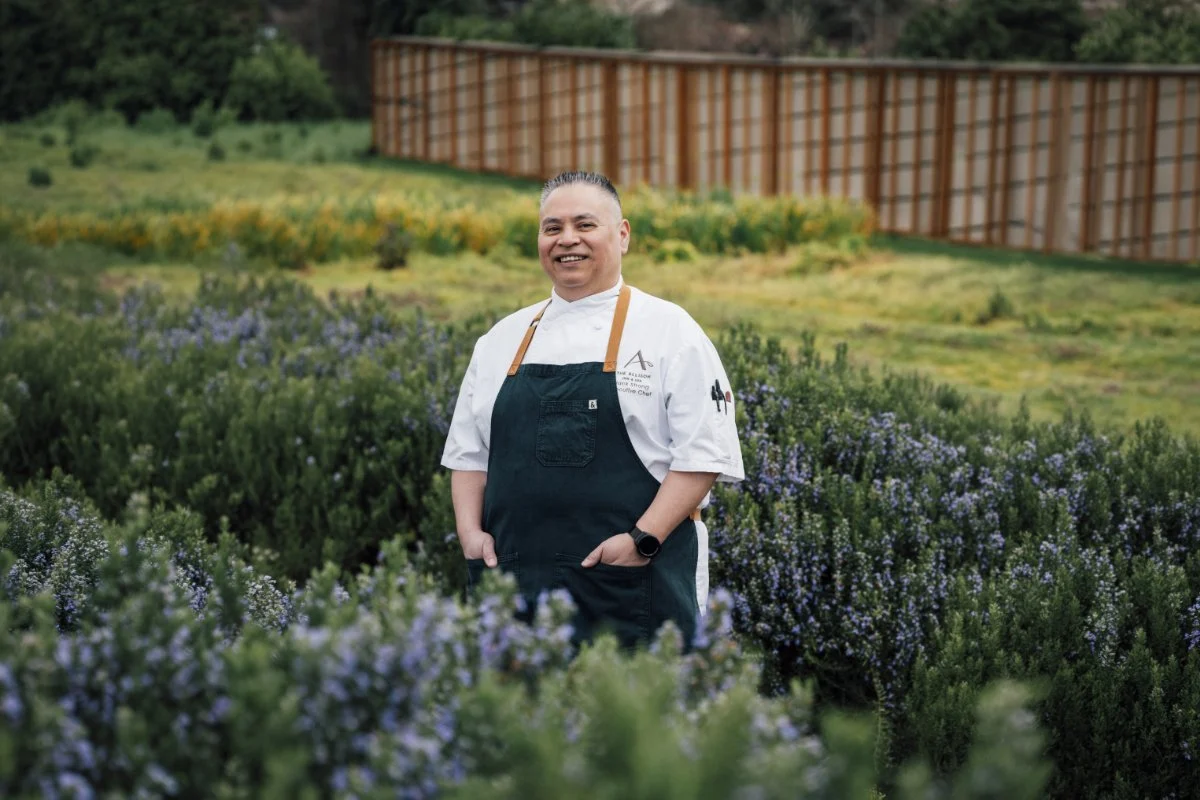
Siletz, Oregon – In a pioneering initiative that bridges cultural heritage with vocational training, Executive Chef Jack Strong, a member of the Confederated Tribes of Siletz Indians, is leading the culinary program at Siletz Valley School. Through this innovative curriculum, Strong is not only imparting essential culinary skills to K-12 students but is also deeply connecting them to Indigenous foodways, fostering cultural pride, and opening doors to promising careers in the dynamic food industry. His efforts have garnered national attention, underscored by his semifinalist nomination for the prestigious 2026 James Beard Award for Best Chef: Northwest and Pacific, with winners set to be announced on March 31.
A Culinary Journey Rooted in Heritage
Chef Strong’s journey is a testament to resilience, cultural reclamation, and the transformative power of food. Growing up on the Siletz Reservation in central Oregon, Strong’s early life was shaped by his grandparents, particularly his grandmother, who instilled in him a deep appreciation for scratch cooking and community meals. "Friends and family knew there was always some kind of meal happening at the Strong house," Strong recalls, emphasizing the communal aspect of food that has defined his philosophy. This foundation was laid during a critical period for the Confederated Tribes of Siletz Indians. From the 1950s to the 1960s, the U.S. government implemented its "termination policy," unilaterally revoking federal recognition for numerous tribes, including the Siletz. This drastic measure led to the loss of ancestral lands, resources, and fundamental sovereign rights, plunging the community into immense hardship. Strong’s grandfather, a war veteran and tribal council member, was instrumental in the decades-long fight for restoration, which ultimately saw the Siletz regain federal status in 1977. This period of cultural suppression profoundly impacted access to traditional foods and practices, pushing many tribal members to rely on government commodity foods.
Despite these challenges, a cultural resurgence began. Strong remembers participating in "culture camp" weekends, where youth learned traditional skills like basketry and preparing native foods. His grandmother, a self-taught artist in beadwork, strongly encouraged his participation, ensuring the transmission of cultural knowledge across generations. Strong’s initiation into the culinary world began informally, cooking for his retired grandfather, then formally with a high school job at a Newport fish-and-chips shop. There, mentors taught him the basics of hospitality and the importance of fresh, local seafood, foreshadowing his future commitment to sustainable sourcing.
His formal education at Lane Community College in Eugene further honed his skills. A pivotal moment came when a chef challenged him to create a dish reflecting his culture. Strong’s innovative "lox and fry bread" — a Native American twist on the Jewish lox and bagel — marked his first intentional culinary expression of Indigenous identity, setting the course for his career. This experience highlighted a broader historical oversight: "I’ve heard Native foods described as the first cuisine of the Americas and the last to be discovered," Strong notes. "All these different Asian and European cultures are represented in the U.S., but until recently people wouldn’t even say there is a Native cuisine." This realization fueled his mission to tell the story of Indigenous foodways through his cooking.

Strong’s career took him to the Phoenix area, where he gained invaluable experience at large establishments like The Phoenician Resort and the Sheraton Grand at Wild Horse Pass, located on the Gila River Reservation. This period exposed him to the diverse foodways of other Southwestern tribes — the Navajo, Hopi, Gila River, and Tohono O’odham — deepening his understanding of how regional ingredients like chiles, beans, and corn have sustained Indigenous peoples for millennia. This rich tapestry of culinary traditions solidified his commitment to showcasing the historical and nutritional significance of Native foods.
The Siletz Valley School Culinary Program: A Hub of Cultural & Vocational Learning
Returning to his Northwest roots, Strong assumed the role of Executive Chef at The Allison Inn and Spa in Newberg, Oregon, where he oversees JORY, its flagship restaurant. Here, he has integrated his passion for Indigenous ingredients and local sourcing into a fine-dining context. However, his most impactful work lies in his partnership with the Siletz Valley School culinary program, which launched in 2023 under the direction of Patrick Clarke.
The program, located just outside the Siletz Reservation, serves K-12 students and operates on a unique model: students prepare from-scratch meals for the entire school population. Beyond the cafeteria, they run a food truck named YA-TR’EE-YAN, meaning "a gathering of people around food" or "feast" in Dee-ni, the Siletz language. This food truck provides free meals to students and tribal members during the summer, addressing food security while celebrating cultural traditions. The curriculum incorporates recipes from Strong’s cookbook, featuring Indigenous ingredients such as venison, elk, salmon, and sablefish, demonstrating practical applications of traditional knowledge.
Strong’s involvement began in 2024 with a message from Clarke, inviting him to connect with the students. What started as a single field trip to The Allison, offering students a comprehensive tour of the garden, kitchen, and various hospitality departments (including marketing, housekeeping, HR, and accounting), quickly evolved into a sustained mentorship. Strong emphasizes the importance of exposure for students from a small town like Siletz, where opportunities beyond tribal employment can be limited. "That’s half the battle — getting out of Siletz a bit and seeing what’s in the world," he states.
Connecting Students to the Ecosystem: Lessons in Sustainability and Responsibility

Strong’s mentorship extends beyond the kitchen, embedding lessons in sustainability and ecological responsibility. A prime example occurred during the Blue Foods Forum in Portland, an event focused on ocean-sourced foods. Students from Siletz Valley School not only cooked Oregon albacore and supported chefs, but also participated in a demonstration led by Strong featuring tribal-caught salmon from Iliamna Fish Co. Crucially, they had the opportunity to go on a fishing boat trip with the Oregon Albacore Commission, a first for many. Upon receiving a donation of whole albacore tuna, they learned to butcher the fish, then used the heads and skeletons as natural fertilizer, burying them to enrich the soil.
This "full-circle journey" lesson mirrors an experience from Strong’s own childhood. His grandmother, upon receiving trout he had caught but not cleaned at the river, gently reprimanded him, explaining, "You need to gut those at the river. You need to wash the inside of their flesh with the water. All of what you cleaned out is going to be eaten by the crawdads and all the other life that’s in the river, and that’s part of the process." This ecological wisdom, passed down through generations, is now being instilled in the students, teaching them about interconnectedness and zero-waste principles inherent in Indigenous practices.
Cultural Revitalization and Language Preservation
The culinary program also serves as a vital vehicle for cultural revitalization, particularly concerning the Siletz Dee-ni language. Historically, the language was not taught in schools, but now, with online dictionaries and elementary school programs, younger generations have access. Strong, who learned Dee-ni as an adult, integrates the language into the culinary context, using terms like lhuk (salmon), gus (potato), and ch’aa-ghee-she’ (egg) on menus and in instruction. This practice reinforces linguistic heritage and imbues the food with deeper cultural meaning.
Furthermore, Strong actively promotes the reconnection with traditional foraging practices. While certain foods like huckleberries were not commonly gathered for consumption beyond ceremonies during his youth, Strong now leads annual huckleberry picking excursions on tribal lands. These seasonal harvests not only yield ingredients for dishes at The Allison, like the huckleberry semifreddo developed with pastry chef Shelly Toombs, but also revive ancestral knowledge and connection to the land. The recent planting of miner’s lettuce, a Native food, in The Allison’s 1.5-acre Chef’s Garden, further exemplifies this commitment to incorporating Indigenous botanicals into contemporary cuisine.
Economic Impact and Community Support

Strong’s philosophy extends to supporting local economies and sustainable food systems. At JORY, he prioritizes sourcing ingredients from local farmers and fishermen, consciously redirecting financial resources back into the community. "My role as a chef is about taking care of others, nourishing people," he explains. "I’ve always felt like my part in this ecosystem is to support the farmers, the fishermen — to put money back into community."
His network of suppliers includes Northwest Fresh Seafood in Newberg, Northwest Premier Meats in Tualatin, Briar Rose Creamery, Carlton Bakery, and Misty Mountain for wild mushrooms and truffles. For specialized Indigenous ingredients, he collaborates with suppliers like Oregon Royal Sturgeon Company and works with individuals connected to the Northwest Native Chamber to source items like Ozette potatoes from the Makah tribe in Neah Bay, Washington. This deliberate sourcing strategy not only ensures high-quality, fresh ingredients but also strengthens regional food networks and promotes economic self-sufficiency. For the past two years, JORY has also featured a special dish highlighting traditional Siletz foods, with a portion of the proceeds directly benefiting the Siletz Valley School culinary program, creating a tangible link between fine dining and community development.
Mentorship, Empowerment, and Future Horizons
Strong is transparent with his students about the realities of a culinary career, acknowledging the demanding hours and physical labor, but also emphasizing the profound satisfaction of nourishing others and the opportunity for growth. His personal connection to the students, having walked the same halls, allows him to say, "I’ve sat where you’re sitting," fostering a unique bond of trust and relatability.
The program’s impact is already evident in the students’ impressive progress. Providing exposure to diverse culinary experiences, from preparing meals for lawmakers at the governor’s conference in Portland to participating in large-scale culinary events, is paramount. These opportunities not only build skills but also expand horizons, showing students the vast potential within the culinary world.
The Siletz Valley School culinary program, under the guidance of Chef Jack Strong, represents a powerful model for Indigenous youth empowerment. It integrates cultural preservation, vocational training, and community engagement, demonstrating how food can be a profound catalyst for identity, economic development, and sustainable living. As Chef Strong continues to mentor the next generation, he is not merely teaching them to cook; he is helping them reclaim their heritage, build fulfilling careers, and contribute to a vibrant future for their community and for Indigenous foodways across the nation.