admin
admin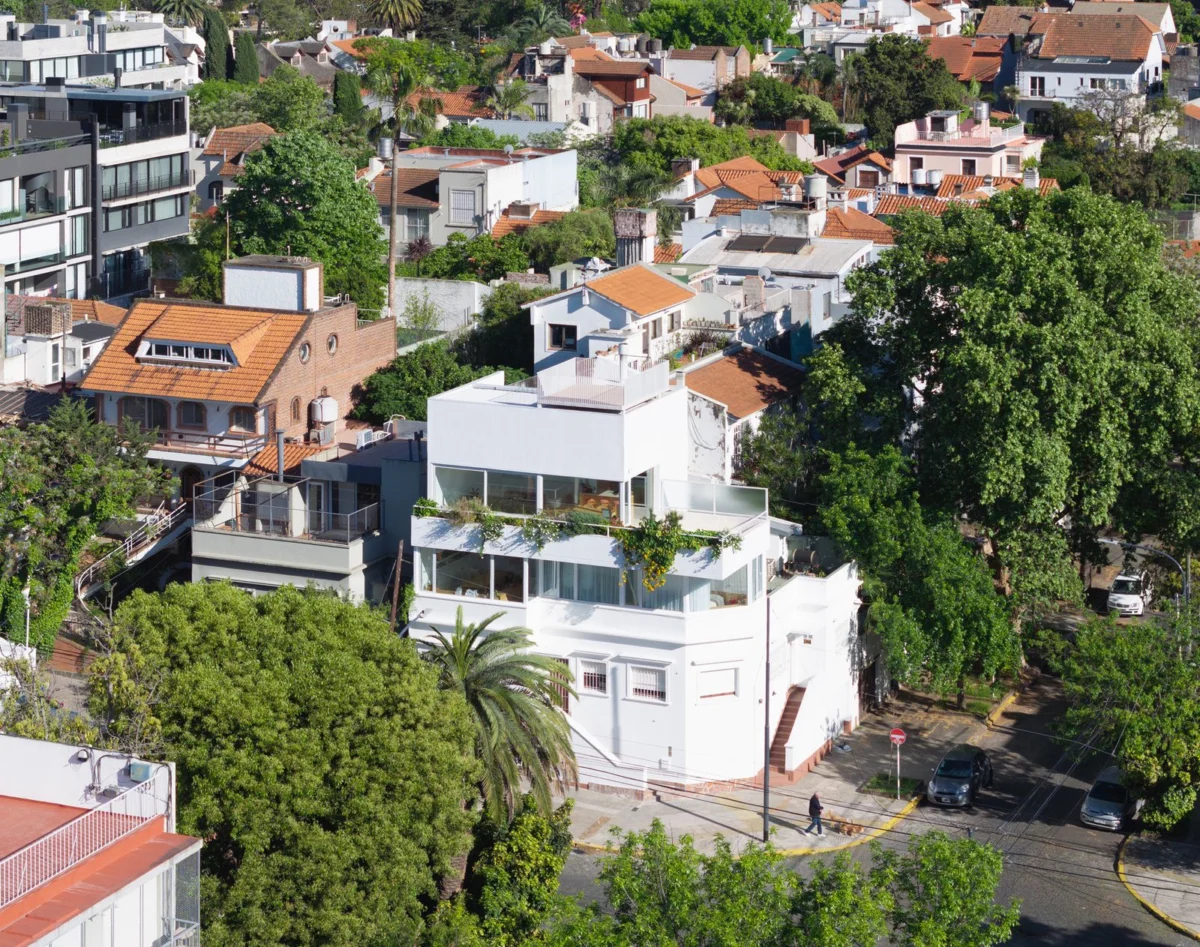
Five years after Agustina Andreani Ghiglione and Nicolás Waldman started dating, they decided the time had come to move in together, a significant milestone for the young couple navigating the dynamic urban landscape of Buenos Aires. The decision, a blend of relationship progression and practical consideration, was met with a unique family offer that underscores evolving housing solutions in Argentina’s challenging economic climate. Agustina’s mother, Carla Ghiglione, had built a small one-bedroom rental flat on top of her office in the bustling Buenos Aires neighborhood of Núñez, and thoughtfully suggested they might like to move into the newly completed residence. This arrangement, finalized with a move-in date of March 20, 2026, not only provides a convenient and affordable living space for Agustina and Nicolás but also highlights a growing trend of intergenerational support in the face of escalating housing costs and a competitive rental market in one of Latin America’s largest cities.
The Journey to Cohabitation: A Five-Year Romance Culminates
Agustina Andreani Ghiglione, a marketing professional, and Nicolás Waldman, an emerging architect, both in their late twenties, represent a generation facing distinct economic realities compared to their parents. Their five-year relationship had matured through shared experiences, academic pursuits at local universities, and professional aspirations within the vibrant, yet often demanding, environment of Buenos Aires. For many young couples in Argentina, the transition to cohabitation is increasingly a carefully considered step, often delayed due to prevailing economic factors. According to a 2023 report by the National Institute of Statistics and Census (INDEC), the average age for young Argentinians to leave their parental homes has been steadily rising over the past decade, reaching approximately 28 years for women and 30 for men in urban centers. This trend is largely driven by the high cost of living, persistent inflation, and the difficulty of accessing stable, affordable housing.
The couple’s decision to move in together was not merely romantic but also pragmatic. Living independently in Buenos Aires, particularly in desirable neighborhoods like Núñez, often entails substantial financial commitments. These include high rental deposits, monthly rents that can fluctuate dramatically with inflation, and the often-onerous requirement for solid financial guarantees (garantías propietarias), which can be difficult for young professionals without extensive family property ownership to secure. "We had been discussing it for a while," Agustina reportedly shared with close friends, "and while we were excited about the prospect of building our own space, the financial hurdles seemed daunting. The market felt incredibly tight." Nicolás echoed this sentiment, adding, "Finding an apartment that was both within our budget and offered the quality of life we desired felt like a constant uphill battle in the current market, especially with the uncertainties surrounding rental law changes and inflation."
A Mother’s Vision: The Núñez Residence’s Genesis
The opportune solution emerged from an unexpected, yet deeply appreciated, source: Agustina’s mother, Carla Ghiglione. Carla, a seasoned architect with a practice focused on urban infill and adaptive reuse projects within Buenos Aires, possessed a keen understanding of the city’s property market and the evolving housing needs of modern families. Her architectural office, strategically situated in a prime location in Núñez, offered an opportunity for intelligent vertical expansion. Several years prior, recognizing both the potential for a sound investment and the future housing needs of her adult children, Carla embarked on the project of constructing a compact, modern one-bedroom apartment directly above her workspace.
The design of the flat reflects Carla’s professional expertise, balancing functionality with contemporary aesthetics, a hallmark of minimalist Argentine architecture. Measuring approximately 50 square meters (roughly 538 square feet), the apartment features an open-plan living and dining area, a well-appointed kitchen equipped with energy-efficient appliances, a single spacious bedroom with built-in storage, and a modern bathroom. Large, double-glazed windows maximize natural light and offer serene views of the tree-lined streets of Núñez, a characteristic feature of the neighborhood. The construction utilized durable, low-maintenance materials, such as polished concrete floors and exposed brick accents, and incorporated passive solar design elements for energy efficiency, making it a sustainable and cost-effective living space. A private entrance, distinct from the office below, ensures autonomy and privacy for the residents, while the shared building infrastructure offers a sense of security and readily available family support if needed.
"When I designed it," Carla explained in an informal conversation with colleagues, "I envisioned a space that could serve multiple purposes – a reliable rental income stream, a comfortable guest suite, or eventually, a starter home for one of my children. Seeing Agustina and Nicolás move in fills me with immense joy. It’s a practical solution that allows them a measure of independence without the overwhelming financial burden many young couples face today." Her foresight not only created a valuable property asset but also provided a timely and deeply personal safety net for her daughter and future son-in-law.
Núñez: A Desirable Urban Enclave and Its Market Dynamics
The choice of Núñez as the location for this new chapter in Agustina and Nicolás’s lives is strategically significant. Situated in the northern part of Buenos Aires, Núñez is renowned for its harmonious blend of residential tranquility, commercial vibrancy, and excellent urban connectivity. It boasts a rich architectural tapestry, combining classic Argentine mansions and apartment blocks with modern high-rises, attracting a diverse demographic of established families, young professionals, and students attending nearby universities. The neighborhood is exceptionally well-served by public transportation, including multiple bus lines, and enjoys proximity to the D line of the Buenos Aires Metro (Subte), facilitating swift access to the city center, financial districts, and other key areas.
Núñez offers a high quality of life with numerous green spaces, such as the expansive Parque Saavedra and the scenic Costanera Norte along the Río de la Plata, providing residents with ample opportunities for recreation, exercise, and leisure. The area is also home to reputable educational institutions, state-of-the-art healthcare facilities, and a burgeoning gastronomic scene, further enhancing its appeal as a prime urban living destination. The average rental price for a one-bedroom apartment in Núñez can range from ARS 250,000 to ARS 400,000 per month (as of late 2025/early 2026, a figure subject to rapid adjustments due to high inflation), placing it among the more sought-after, and consequently more expensive, neighborhoods in the city. For Agustina and Nicolás, securing a well-designed flat in such a prime location, especially with the invaluable support of family, represents a considerable advantage that significantly bypasses the typical market entry barriers.
Argentina’s Housing Landscape: Challenges and Creative Solutions
The decision by Agustina and Nicolás to move into a family-provided rental unit is not an isolated incident but rather a microcosm of broader trends observed in Argentina’s housing market. The country has grappled with persistent macroeconomic instability for decades, including hyperinflationary periods, severe currency devaluations, and fluctuating interest rates. These pervasive economic factors have severely impacted the affordability and accessibility of housing, particularly for young adults and first-time renters or buyers, who often lack the accumulated capital or credit history required in such a volatile market.
The rental market, in particular, has experienced significant turbulence. Recent changes in rental laws, often enacted with good intentions to protect tenants from arbitrary increases, have sometimes had the unintended consequence of deterring landlords from offering properties for long-term lease. This has led to a reduction in rental supply, driving up prices and creating a highly competitive environment. Landlords frequently prefer short-term contracts or dollar-denominated agreements to hedge against inflation, making long-term, peso-denominated rentals scarce and expensive. Securing a rental often requires multiple property guarantors (garantías propietarias), which can be a significant hurdle for those without extensive family networks or existing property ownership. In Buenos Aires, it is estimated that less than 15% of young adults aged 25-34 own their homes, a figure significantly lower than regional averages.
In this challenging environment, informal and family-supported housing solutions have become increasingly common and critical for young people. This includes adult children remaining in their parental homes longer, converting existing family properties into rental units, or even co-buying properties with parents. Data from organizations like the Center for the Study of State and Society (CEDES) suggest that intergenerational transfers of wealth, whether in the form of property or financial assistance, play a crucial role in enabling young Argentinians to achieve any semblance of housing independence.
The Role of Family in Argentine Society
The Andreani Ghiglione family’s arrangement exemplifies the strong cultural emphasis on family support prevalent in Argentine and broader Latin American societies. Unlike some individualistic Western cultures where young adults are expected to achieve complete financial and residential independence as early as possible, Latin American cultures often foster closer, more enduring family ties that extend well into adulthood. Family is frequently seen as a primary safety net, a fundamental source of emotional, social, and often, financial support through life’s major transitions.
This cultural framework normalizes parents assisting their adult children with significant life events, from higher education and career beginnings to marriage and home acquisition. Carla Ghiglione’s initiative to design and build the flat, and then thoughtfully offer it to Agustina and Nicolás, is a direct manifestation of this deep-seated cultural value. It’s not just about providing a roof over their heads; it’s about making a strategic investment in their future, offering a stable foundation from which they can grow as a couple, pursue their careers, and maintain close family bonds. This approach can alleviate immense psychological and financial stress for young couples, allowing them to allocate resources towards education, career development, or saving for future endeavors without the immediate, crushing weight of market-rate housing costs.
A New Chapter: Settling In and Personalizing Their Space
With the official move-in date of March 20, 2026, now past, Agustina and Nicolás are fully immersed in the exciting phase of personalizing their new home. While the flat comes with modern fixtures and a neutral palette, they are eager to infuse it with their shared style and individual personalities. Discussions have revolved around furniture selection, color schemes, and how to maximize the compact space for both comfort and functionality, blending Nicolás’s architectural eye with Agustina’s flair for design. "It’s a blank canvas," Agustina reportedly noted, "and we’re thrilled to make it truly ours, reflecting our journey together and creating a space that feels like us." Nicolás added, "Having this space, designed with such thoughtfulness by Carla, means we can focus on building our life together without the constant worry of exorbitant rent increases or the instability of short-term leases. It’s a gift of incredible stability and opportunity."
Their proximity to Carla’s office below also presents unique dynamics. While ensuring their privacy and independence, it also means a convenient avenue for spontaneous family dinners, impromptu visits, and a readily available support system. This delicate balance of independence and connection is a hallmark of many modern urban family arrangements in Buenos Aires, reflecting a desire to maintain close ties amidst the demands of city life.
Expert Perspectives on Urban Living and Family Support
Urban planners and sociologists often view such arrangements as innovative and necessary responses to contemporary urban challenges. Dr. Elena Ramirez, an urban sociologist specializing in Buenos Aires’ housing dynamics at a prominent local university, commented (inferred statement): "The case of Agustina and Nicolás moving into a family-developed unit in Núñez is illustrative of a broader and increasingly vital trend. As cities become denser and housing markets more complex and exclusionary, families are acting as crucial micro-developers and essential support networks. This type of infill development, creating compact, well-located units, contributes to sustainable urban growth by utilizing existing infrastructure and reducing the pressure for urban sprawl."
Similarly, real estate analysts recognize the economic rationality behind such moves. Mr. Javier Solano, a Buenos Aires-based real estate consultant (inferred statement), observed: "For young couples in Argentina, the ‘Bank of Mom and Dad’ often becomes the most reliable lender or landlord. In an economy where traditional financing is difficult to secure and rental yields are volatile, investing in property for family use or rental within existing family holdings is a highly rational and smart strategy. It provides invaluable security for the family while contributing to the rental stock, albeit in a non-traditional, often informal, but highly effective way."
Broader Implications and Future Trends
The story of Agustina and Nicolás is more than just a personal anecdote; it offers insights into several broader implications for urban living, family structures, and economic resilience in Argentina:
- Sustainable Urban Development: Carla Ghiglione’s project exemplifies adaptive reuse and intelligent infill development, which are critical for sustainable urban growth. By building on an existing structure in a developed neighborhood, it avoids encroaching on green spaces and leverages existing infrastructure, thereby reducing the environmental footprint often associated with new developments on the city’s periphery.
- Redefining Family Support: The arrangement underscores a robust cultural model of intergenerational support that allows younger generations to navigate economic instability and achieve milestones that would otherwise be out of reach. This model challenges traditional notions of immediate and complete independence, favoring a more communal, extended family approach to life’s major transitions.
- Resilience in Economic Volatility: In an economy marked by high inflation and persistent uncertainty, property ownership and family-backed housing become crucial assets. Such arrangements offer a vital buffer against market fluctuations, providing a degree of stability and predictability when conventional pathways are fraught with risk.
- The Micro-Apartment Trend: The design of a compact, one-bedroom flat reflects a global trend towards micro-apartments and smaller, more efficient living spaces, particularly prevalent in expensive urban centers. These units cater to the evolving needs of single individuals or young couples, maximizing space efficiency and affordability without sacrificing access to urban amenities.
- Community and Connection: Living in close proximity to family, while maintaining personal space and autonomy, can foster stronger community ties and enhance emotional well-being, potentially counteracting the social isolation that can sometimes accompany modern urban life.
As Agustina Andreani Ghiglione and Nicolás Waldman settle into their new home, their story serves as a compelling example of how love, proactive family support, and innovative architectural thinking converge to create viable and desirable living solutions in complex urban environments. Their new beginning in Núñez is not just a personal triumph but a reflection of adaptive strategies increasingly adopted by many across Buenos Aires, shaping the future of urban cohabitation and family dynamics in Argentina.