admin
admin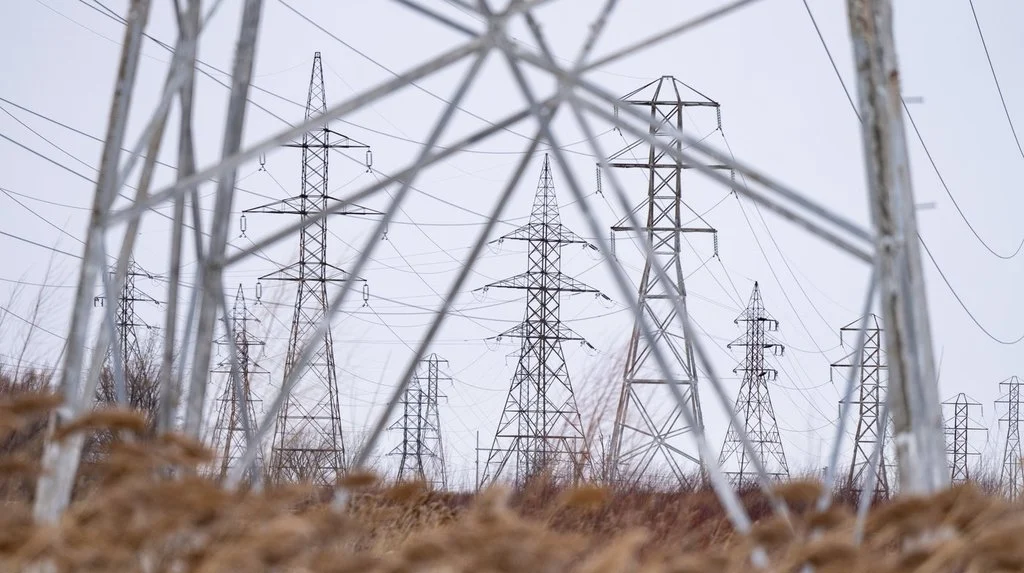
A powerful weather system unleashed destructive winds across Central Canada and the Maritimes on Tuesday, plunging hundreds of thousands of homes and businesses into darkness and putting electrical grids to an arduous test. Quebec bore the brunt of the meteorological onslaught, experiencing the most extensive disruptions as gusts exceeding 90 kilometers per hour tore through the province, felling trees, snapping utility poles, and severing power lines. The widespread outages underscored the vulnerability of regional infrastructure to severe weather events and prompted a massive, multi-provincial restoration effort that is expected to span multiple days.
At the peak of the storm’s fury, over 310,000 customers in Quebec alone found themselves without electricity, a figure that gradually receded to approximately 255,000 by midday but still represented a significant portion of the province’s grid. The hardest-hit areas within Quebec included the Laurentians, Lanaudière, and Montérégie regions, where the visible damage to infrastructure was particularly severe, with reports of numerous broken electrical poles and tangled downed wires. Hydro-Québec spokesperson Cendrix Bouchard cautioned that a full restoration for all affected customers would not be possible within the initial 24-hour period, signaling an extended period of disruption for many. "It’s very likely that not everyone will be back on the grid today," Bouchard stated, acknowledging the scale of the damage and the challenging conditions faced by repair crews.
The Storm’s Fury: A Regional Overview
The tempestuous weather system originated overnight, with winds steadily intensifying after midnight and reaching their zenith around 8 a.m. on Tuesday. Environment Canada metrologist Simon Legault highlighted the extreme intensity of the event, noting that a weather station located on Montreal’s South Shore recorded a staggering wind speed of 100 km/h. Such speeds are indicative of a severe weather phenomenon capable of widespread destruction, particularly to exposed infrastructure. The sheer force of the gusts was a testament to the powerful low-pressure system traversing the region, drawing cold air from the north and interacting with warmer, moisture-laden air, creating a potent recipe for high winds and precipitation.
Beyond Quebec’s extensive outages, neighboring provinces also grappled with significant power disruptions. In Ontario, the eastern part of the province experienced outages affecting approximately 30,000 customers, with a notable concentration of around 11,000 customers in the nation’s capital, Ottawa. Hydro One, Ontario’s primary electricity transmission and distribution company, issued advisories urging customers to prepare for prolonged outages. Their preliminary assessments pointed to tree branches and entire limbs falling onto power lines as the predominant cause of the disruptions, a common vulnerability for overhead power infrastructure during high-wind events. The utility mobilized its crews, advising that "The outages are largely being caused by tree branches/limbs coming down onto power lines."
Further east, the Maritimes were simultaneously besieged by the powerful winds, often accompanied by heavy rain, leading to thousands more without electricity. Nova Scotia Power reported outages concentrated in the Halifax metropolitan area, a region frequently impacted by coastal weather systems. In New Brunswick, residents in the Saint John and Fredericton areas experienced similar disruptions. Even Prince Edward Island, the smallest province, saw approximately 1,000 customers cut off from power. Southern New Brunswick and the entirety of Nova Scotia were placed under severe wind warnings that remained in effect until Tuesday afternoon, with forecasts predicting gusts potentially reaching up to 110 km/h in exposed coastal areas. This multi-province assault underscored the widespread nature and significant energy of the weather system.

Chronology of Disruption and Restoration Efforts
The timeline of the event unfolded rapidly, beginning in the late hours of Monday and escalating through Tuesday morning.
- Late Monday/Early Tuesday (Post-Midnight): Winds begin to pick up across Central Canada and the Maritimes, as the low-pressure system starts to exert its influence.
- Early Tuesday (Pre-Dawn): Initial reports of sporadic power outages begin to surface as winds strengthen, primarily affecting isolated areas.
- Tuesday Morning (Peak Hours, 6 a.m. – 10 a.m.): The storm reaches its peak intensity. Wind speeds hit their highest recorded values (e.g., 100 km/h in Montreal’s South Shore). Outage numbers surge dramatically, reaching over 310,000 in Quebec and tens of thousands across Ontario and the Maritimes. Emergency services and utility companies begin receiving a flood of calls.
- Tuesday Midday (11 a.m. – 1 p.m.): While winds begin to show signs of subsiding in some areas, the full extent of the damage becomes clearer. Utility crews, numbering approximately 1,500 Hydro-Québec workers dispatched across Quebec alone, begin initial assessments and restoration efforts where conditions permit. Outage figures start a slow decline from their peak as some minor issues are resolved, though major repairs remain.
- Tuesday Afternoon: Environment Canada forecasts winds to continue subsiding, which is crucial for the safety and efficiency of repair crews. Utilities reiterate that extensive repairs, involving clearing debris, replacing poles, and reconnecting lines, will likely extend into Wednesday and possibly beyond for the most severely affected areas. Simon Legault of Environment Canada indicated that around 1,400 distinct sites required repair across Quebec’s network.
- Tuesday Evening and Beyond: Restoration efforts continue around the clock, though challenges persist due to the sheer volume of damage and the geographical spread of affected areas. Utilities maintain communication with customers regarding estimated restoration times, emphasizing that these are subject to change based on field conditions.
Behind the Gusts: Meteorological Context and Infrastructure Vulnerability
The powerful winds were generated by a robust low-pressure system that tracked across the Great Lakes and into Eastern Canada. Such systems, particularly during transitional seasons or late winter, can deepen rapidly, creating a steep pressure gradient that drives high winds. The interaction of cold, arctic air masses with milder, moist air from the Atlantic often fuels these intense weather patterns, sometimes leading to phenomena akin to "nor’easters" in the Maritimes. These storms are characterized by their wide reach and capacity for both strong winds and significant precipitation.
The vulnerability of Canada’s electrical grid, particularly in rural and semi-rural areas, to such wind events is a recurring challenge. Much of the infrastructure relies on overhead power lines, which, while cost-effective to install and maintain under normal conditions, are inherently exposed to environmental factors. Trees, especially those weakened by disease, age, or previous storms, pose a significant threat. During high winds, branches can break off and fall onto lines, or entire trees can topple, snapping poles and causing widespread damage. The process of undergrounding power lines, while offering greater protection from weather, is an immensely expensive and logistically complex undertaking, often reserved for dense urban areas or new developments. The vast, often forested, landscapes of Canadian provinces like Quebec and Ontario make comprehensive undergrounding economically prohibitive and technically challenging, especially over long distances.
Broader Implications: Safety, Economy, and Daily Life
The widespread power outages triggered a cascade of implications extending beyond mere inconvenience. Public safety emerged as a paramount concern. Downed power lines, which can remain energized, pose an immediate and life-threatening electrocution hazard. Authorities issued urgent warnings for residents to stay clear of fallen wires and to report them immediately to emergency services or utility providers. Furthermore, the risk of carbon monoxide poisoning increases during extended outages as residents resort to alternative heating and cooking methods, such as gasoline-powered generators or charcoal grills, often operated improperly indoors. Emergency services across the affected regions were on heightened alert, responding to calls related to downed lines, traffic signal malfunctions, and potential hazards.

Economically, the disruptions carried a significant, albeit difficult to quantify, cost. Businesses, particularly small and medium-sized enterprises reliant on electricity for operations, faced closures, lost productivity, and potential spoilage of perishable goods. Commuters grappled with traffic signal outages and diversions, adding to travel times and frustration. While the immediate economic impact is localized and short-term, repeated severe weather events contribute to a cumulative strain on regional economies and necessitate ongoing investment in resilient infrastructure.
Daily life for hundreds of thousands of Canadians was fundamentally altered. Schools in some affected areas announced closures or delayed openings. Events were postponed or cancelled. One poignant example came from Montreal’s Ecomuseum Zoo, where a much-anticipated annual event signaling the arrival of spring was put on hold. Genie, a black bear typically emerging from hibernation around this time, remained nestled in her den on Tuesday. The zoo humorously acknowledged the situation in an email: "This morning, Genie showed no signs of wanting to leave her den, and we understand why! The gusts and icy wind they bring make us want to stay warm and cozy, wrapped in a cocoon of comfort." This anecdote, while lighthearted, perfectly encapsulated the widespread sentiment of seeking refuge from the severe weather.
Infrastructure Resilience and Future Challenges
The recurring nature of such large-scale power outages due to severe weather invariably sparks discussions about grid resilience. Utility companies in Canada continually invest in vegetation management programs, trimming trees near power lines to minimize risks. They also explore technological advancements, such as smart grid components that can automatically detect and isolate faults, reducing outage durations, and more robust pole materials. However, the sheer expanse of the Canadian grid and the unpredictable nature of extreme weather events present ongoing challenges. Climate change projections, which suggest an increase in the frequency and intensity of severe weather, further amplify the urgency of these discussions and investments. The balance between cost, environmental impact, and resilience remains a complex equation for utility providers and regulators.
The Unseasonal Chill: Winter’s Lingering Grip
Despite the calendar inching closer to spring, Environment Canada’s Simon Legault offered a reminder that winter’s embrace had not yet fully relinquished its grip on the region. Looking ahead, Legault forecast a weak weather system to enter the southern part of Quebec by the end of the week, bringing with it approximately five centimeters of snow. "Winter is still here, and it’s not leaving soon," he reiterated, suggesting that the recent wind storm was perhaps a final, powerful flourish from the colder season rather than an isolated anomaly. Residents were advised to remain prepared for fluctuating weather conditions and to monitor local forecasts as restoration efforts continued and the region braced for potentially more seasonal, albeit less dramatic, winter weather. The events of Tuesday served as a stark reminder of nature’s power and the critical importance of a robust, resilient infrastructure for daily life in Canada.