admin
admin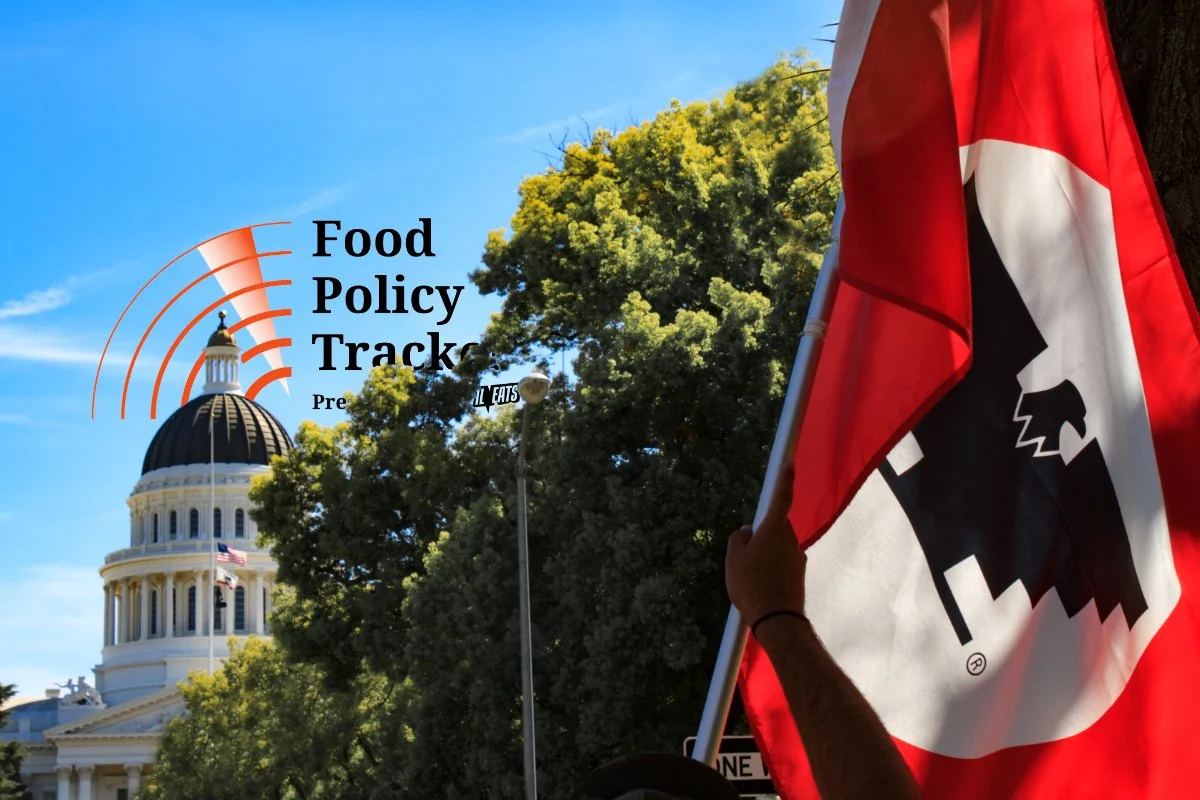
WASHINGTON, D.C. – March 19, 2026 – Lawmakers and state officials across the United States are grappling with the complex and painful task of re-evaluating the legacy of renowned farmworker union leader César Chávez, following extensive allegations of sexual abuse. The revelations, which surfaced in a comprehensive investigation published by The New York Times on Wednesday, have prompted immediate reactions from organizations and public figures, leading to calls for distancing celebrations, streets, and government buildings from Chávez’s name. This profound shift marks a critical moment for a figure long revered as a civil rights icon and a champion of labor rights.
The Allegations: A New York Times Investigation
The controversy erupted on March 18, 2026, with the publication of a detailed New York Times investigation reporting that Chávez had allegedly groomed and sexually abused underage girls. The report further detailed a pattern of sexual abuse involving women within the labor movement, including Dolores Huerta, who co-founded the United Farm Workers (UFW) alongside Chávez in 1962. The investigation reportedly included interviews with individuals who alleged abuse by Chávez, corroborated by documents such as union records and emails. While Civil Eats, the original publisher of this report, has not independently verified these allegations, the Times’ report has sent shockwaves through the political and social landscape.
Dolores Huerta Breaks Her Silence
Perhaps one of the most impactful developments following the Times’ exposé was the public statement issued by Dolores Huerta. A titan in her own right within the civil rights and labor movements, Huerta penned a powerful declaration, "I have kept this secret long enough. My silence ends here." In her statement, published on Medium, Huerta detailed her own experiences, articulating a narrative of survival. "I have never identified myself as a victim, but I now understand that I am a survivor—of violence, of sexual abuse, of domineering men who saw me, and other women, as property, or things to control," she wrote. Her decision to come forward adds a deeply personal and authoritative voice to the allegations, significantly impacting the public perception of Chávez and the movement he led. Huerta’s courage in speaking out, decades after the alleged events and following Chávez’s death, underscores the enduring trauma and the long-held silence that has characterized many such cases in public life.
César Chávez: A Legacy of Activism and Adulation
César Estrada Chávez, born in Yuma, Arizona, in 1927, rose to national prominence as a labor leader and civil rights activist. He co-founded the United Farm Workers (UFW) with Dolores Huerta in 1962, advocating for better wages, working conditions, and rights for farmworkers, predominantly Mexican Americans. Chávez’s philosophy of non-violent protest, inspired by Mahatma Gandhi and Martin Luther King Jr., became a hallmark of the UFW’s campaigns, most notably the Delano grape strike and boycott that began in 1965. This boycott, which lasted for five years, brought the plight of farmworkers to national attention and resulted in the first collective bargaining agreements for farmworkers in U.S. history.
Chávez’s dedication and sacrifices, including numerous fasts for non-violence and farmworker justice, cemented his image as a tireless advocate. He died in 1993 at the age of 66. His contributions were widely recognized, posthumously earning him the Presidential Medal of Freedom in 1994, the highest civilian honor in the United States. His enduring legacy has been commemorated through César Chávez Day on March 31, a state holiday in several states, including California, and the naming of countless streets, schools, parks, libraries, and government buildings across the country. These tributes reflect a widespread admiration for his work in uplifting marginalized communities and his significant role in shaping American labor and civil rights history.
Chronology of Events and Reactions
The timeline of reactions to the New York Times investigation has been swift and decisive:
- March 18, 2026 (Wednesday): The New York Times publishes its investigation detailing sexual abuse allegations against César Chávez. Concurrently, Dolores Huerta publishes her personal statement on Medium, detailing her experiences and identifying herself as a survivor.
- March 19, 2026 (Thursday):
- United Farm Workers (UFW) Foundation: The UFW, the organization co-founded by Chávez, issues a statement announcing it will not participate in celebrations of its co-founder planned for later this month. The foundation described the allegations as "shocking" and "indefensible," indicating a clear stance against the alleged conduct.
- Congressional Hispanic Caucus: The caucus issues a statement via social media, committing to renaming streets, post offices, vessels, and holidays that commemorate Chávez. Their aim, they stated, is "to instead honor our community and the farmworkers whose struggle defined the movement," signaling a desire to shift focus from the individual to the collective effort.
- Senator Alex Padilla (D-California): Senator Padilla releases a statement emphasizing the importance of confronting difficult truths. "Confronting painful truths and ensuring accountability is essential to honoring the very values the greater farm worker movement stands for—values rooted in dignity and justice for all," he said, acknowledging the need for a principled response.
- State and Local Governments: In the immediate wake of the report, several cities and states, particularly in California where Chávez’s influence is most pronounced, begin to cancel, postpone, or rename celebrations planned for César Chávez Day on March 31. The City of Los Angeles, for instance, moved to rename the day to "Farm Workers Day," seeking to honor the movement without glorifying the individual. California lawmakers are also reportedly considering renaming the state holiday.
Broader Impact and Implications
The allegations and the subsequent responses carry significant implications across various sectors:
Re-evaluating Historical Figures: This situation reignites the broader societal debate about how historical figures, particularly those celebrated for their contributions, should be remembered and commemorated when confronted with credible allegations of misconduct. It challenges communities to reconcile the positive impacts of an individual’s public work with their alleged private transgressions. The discussions will likely involve weighing the importance of acknowledging the full complexity of human character against the need to uphold ethical standards and protect victims.
The Future of the Farmworker Movement: The UFW and the broader farmworker movement now face the challenge of separating the foundational principles and ongoing struggle for justice from the tarnished image of one of its founders. Leaders, including the Congressional Hispanic Caucus, have articulated a clear intent to redirect focus towards the "community and the farmworkers whose struggle defined the movement." This may lead to a renewed emphasis on the collective efforts and sacrifices of countless individuals who contributed to the movement, rather than solely attributing success to a single charismatic leader. The goal is to ensure that the critical work of advocating for farmworkers’ rights continues unabated, particularly at a time when U.S. Immigration and Customs Enforcement (ICE) continues to target immigrant farmworkers, impacting Minnesota’s farms and food system and other agricultural regions.
Renaming and Re-contextualizing Public Spaces: The commitment by the Congressional Hispanic Caucus and actions by cities like Los Angeles signal a potential wave of renaming initiatives across the country. This will involve complex logistical and emotional considerations for local governments, school districts, and other institutions. While some may advocate for complete removal of Chávez’s name, others might propose re-contextualizing existing tributes with additional information, acknowledging both his contributions and the allegations. The process will undoubtedly be contentious, reflecting deep-seated public sentiment and differing views on historical memory.
Impact on Education: Schools and educational institutions named after Chávez, or those that teach about his legacy, will need to adapt their curricula. Educators will face the delicate task of presenting a nuanced historical account that acknowledges both Chávez’s undeniable achievements in labor rights and the disturbing allegations against him. This will foster critical thinking among students about leadership, ethics, and the complexities of history.
Support for Survivors and Accountability: Dolores Huerta’s public statement provides a powerful example of a survivor finding her voice. This moment could empower other potential survivors within the labor movement or other historical contexts to come forward, fostering a climate of greater accountability. The emphasis on "dignity and justice for all" articulated by Senator Padilla underscores the importance of supporting survivors and ensuring that allegations of abuse are taken seriously, regardless of the perpetrator’s public standing.
Navigating a Complex Legacy:
The unfolding situation surrounding César Chávez is a testament to the enduring power of investigative journalism and the evolving nature of historical interpretation. It forces a critical examination of how society constructs heroes and how it responds when those heroes are revealed to have profound flaws. The efforts by officials to rename and re-contextualize tributes are not merely symbolic; they represent a collective grappling with uncomfortable truths and a re-commitment to the core values of dignity, justice, and accountability that the farmworker movement itself championed. As March 31 approaches, communities nationwide will navigate this challenging period, striving to honor the essential struggle for farmworker rights while confronting the painful complexities of a once-unassailable icon.