admin
admin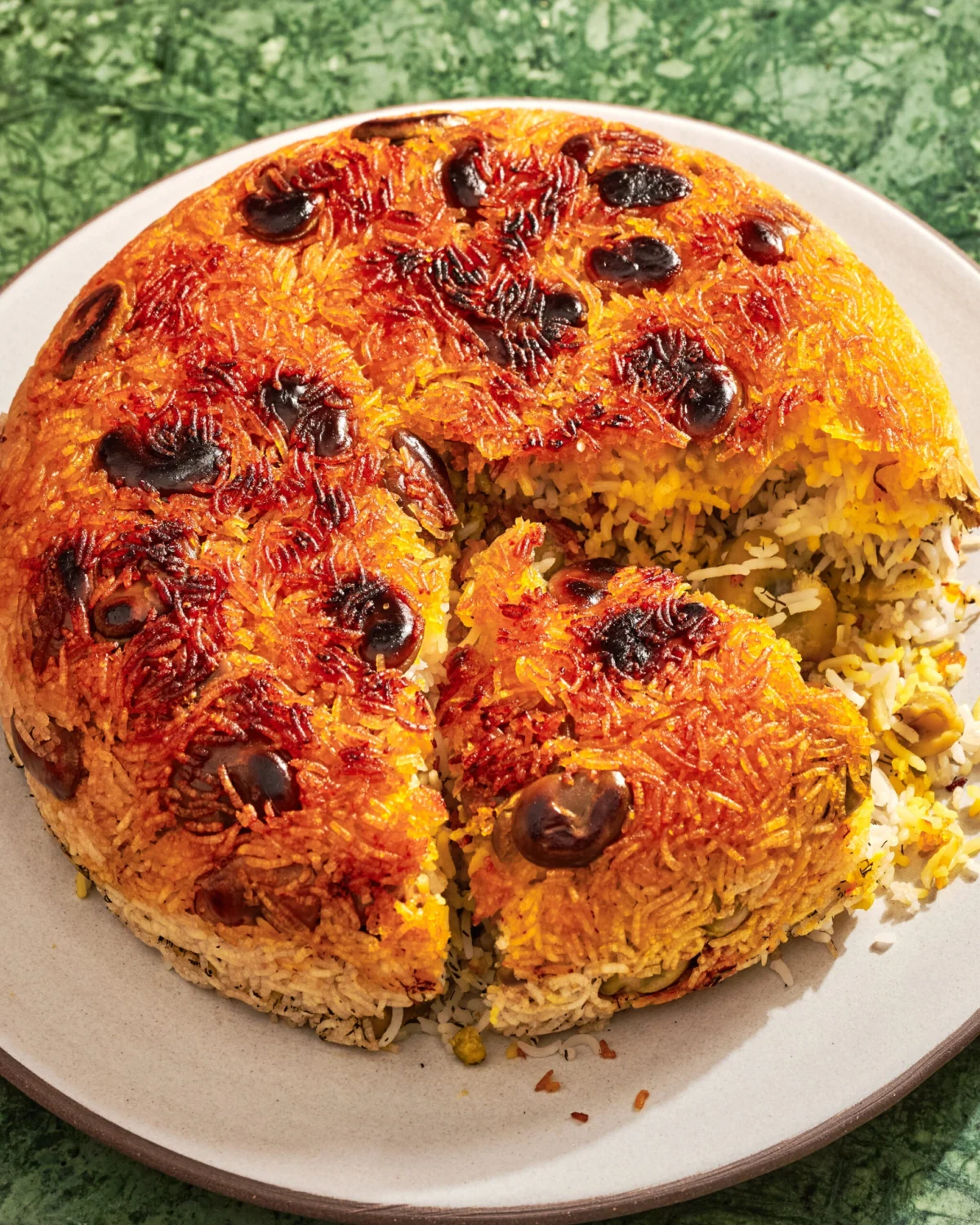
A crispy, golden tahdig makes this beloved Iranian dish a showstopper for Nowruz and beyond. This iconic Persian delicacy, Baghali Polo, is more than just a meal; it’s a culinary emblem of spring and a cornerstone of Iranian hospitality, particularly during the vibrant celebrations of Nowruz, the Persian New Year. The dish artfully combines the delicate fragrance of basmati rice with the subtle sweetness of fava beans and the fresh, herbaceous notes of dill. What elevates Baghali Polo from a simple rice dish to a celebrated masterpiece is its signature crust, known as tahdig, a golden, crisp layer formed at the bottom of the cooking pot, translating poetically to "bottom of the pot" in Farsi. This textural marvel, often described as a delicate rice cracker, is a testament to the skill and patience of the cook, transforming humble ingredients into an extraordinary experience. Brewed saffron water, a precious elixir in Persian cuisine, is meticulously drizzled between the layers, infusing the rice with an unparalleled aroma and a subtle, earthy flavor, while also bestowing upon it a beautiful golden hue.
Traditionally, Baghali Polo is a centerpiece dish served with slow-braised lamb shanks or a whole roasted fish, symbolizing abundance and prosperity for the year ahead. The timing of its preparation is deeply intertwined with the vernal equinox, marking the first day of spring and the renewal of nature. This connection imbues the dish with a sense of hope and new beginnings, making it an indispensable part of the Nowruz feast. For those who may find fresh fava beans challenging to source, plump lima beans offer a readily available and equally delicious substitute, maintaining the dish’s characteristic texture and flavor profile. To achieve the coveted crispiness of tahdig, the use of a pot with a tightly fitting lid is paramount, ensuring the rice steams evenly and the bottom layer achieves its signature golden crunch without burning.
The Genesis of Baghali Polo: A Culinary Tradition
The origins of Baghali Polo are deeply rooted in the agricultural landscape and culinary heritage of Persia. Rice cultivation has been a staple in the region for millennia, with basmati rice, renowned for its long, slender grains and fragrant aroma, becoming a prized commodity. Fava beans, or baghali in Persian, have also been cultivated in the Middle East for thousands of years, valued for their protein content and their distinctive, slightly sweet flavor. The combination of rice and fava beans likely emerged as a practical and flavorful way to utilize seasonal produce, becoming a staple in homes across Iran.
The technique of creating tahdig, the crispy rice crust, is a hallmark of Persian rice cookery and a testament to the country’s rich culinary artistry. While the exact historical development of tahdig is difficult to pinpoint, it is believed to have evolved over centuries, with cooks experimenting with different methods to achieve the perfect crispness. The practice of deliberately creating a browned, caramelized layer of rice at the bottom of the pot speaks to a culture that values resourcefulness and finds beauty in every element of a meal. The addition of dill, a herb widely used in Persian cuisine for its fresh, anise-like flavor, further enhances the complexity and appeal of Baghali Polo.
Nowruz: A Celebration of Spring and Renewal
Nowruz, meaning "new day" in Farsi, is the ancient Persian festival celebrating the arrival of spring and the vernal equinox. It is one of the most significant cultural holidays in Iran and among Persian communities worldwide, with a history spanning over 3,000 years. The celebration typically begins on the day of the equinox, which falls on or around March 20th or 21st. Nowruz is not just a religious holiday but a secular celebration of renewal, rebirth, and the triumph of light over darkness, mirroring the natural resurgence of life in springtime.
The Haft-Seen table, a central element of Nowruz celebrations, is an elaborately set table featuring seven symbolic items, each beginning with the Persian letter "seen" (س). These items represent various aspects of life and hope for the new year, including rebirth, health, prosperity, and love. Among the traditional foods prepared for Nowruz, Baghali Polo holds a special place. Its preparation and consumption are deeply intertwined with the themes of growth, abundance, and the welcoming of a fresh start that define the holiday. The act of preparing and sharing this dish with family and friends reinforces community bonds and celebrates the continuity of cultural traditions. The symbolism of the green dill in Baghali Polo further aligns with the theme of spring and new growth, representing the resurgence of life.
The Art of Crafting Baghali Polo: A Step-by-Step Culinary Journey
The preparation of Baghali Polo is a meticulous process that rewards patience and attention to detail. It begins with the careful selection and preparation of the rice.
Step 1: Rice Preparation – The Foundation of Flavor
The foundation of any exceptional Baghali Polo lies in the quality of the basmati rice and its proper preparation. The process begins with washing the rice thoroughly. This is typically done by rinsing the grains in a medium bowl with cool water multiple times, gently swirling the rice with your hands. The goal is to remove excess starch, which can lead to gummy rice. The water should be drained and refilled until it runs clear, a visual indicator that the starch has been sufficiently removed. Following the washing, the rice is left to soak in fresh water for at least two hours. This soaking period is crucial as it allows the rice grains to hydrate and swell, contributing to their eventual fluffy texture and ensuring they cook evenly and quickly during the parboiling stage. After soaking, the rice is drained once more, ready for the next phase.
Step 2: Parboiling the Rice – Achieving the Perfect Texture
The next critical step involves parboiling the rice. A large pot is filled with generously salted water and brought to a rolling boil. The drained rice is then added to the boiling water and cooked for a short duration, typically around five minutes. This parboiling process is not intended to cook the rice fully but rather to partially cook it and further develop its texture. The salt in the water seasons the rice from within, ensuring that every grain is flavorful. After the brief cooking time, the rice is drained thoroughly. It is then transferred to a large bowl, where it is gently mixed with the fava beans and fresh dill. The fava beans, whether fresh or frozen, should be tender, and the dill should be freshly chopped, releasing its aromatic oils. This mixing stage ensures that the flavors and ingredients are evenly distributed throughout the rice mixture, setting the stage for the final steaming.
Step 3: The Golden Elixir – Infusing Saffron
Saffron, the world’s most expensive spice by weight, plays a vital role in elevating Baghali Polo to its iconic status. Its unique aroma, flavor, and vibrant golden hue are indispensable to the dish. To prepare the saffron infusion, a small amount of high-quality saffron threads is placed in a heatproof bowl. Boiling water, approximately ¼ cup, is then poured over the saffron. The mixture is allowed to steep for at least ten minutes, during which time the saffron releases its color and fragrance into the water, creating a potent and aromatic elixir. This saffron water will be strategically drizzled between the layers of rice, imparting its characteristic flavor and a beautiful golden sheen.
Step 4: Building the Layers – The Art of Assembly
The assembly of Baghali Polo is where the magic truly begins to unfold, particularly in the creation of the tahdig. A medium-sized, nonstick pot, ideally with a thick base, is heated over medium-high heat. A generous amount of cooking oil, such as vegetable or canola oil, is added to coat the bottom of the pot. A portion of the rice mixture, enough to form a thin, even layer covering the entire bottom of the pot, is then carefully added. About a tablespoon of the prepared saffron water is drizzled over this layer, and the rice is gently pressed down to form a compact, even base. This initial layer is crucial for the development of the tahdig. The process of layering continues, with alternating additions of the rice mixture and saffron water, ensuring that each layer is well-distributed and lightly moistened with the fragrant saffron infusion. This meticulous layering ensures that the flavors are infused throughout the dish and that the tahdig forms a cohesive, crispy crust.
Step 5: Steaming to Perfection – The Crucial Tahdig Formation
Once the pot is filled with the layered rice mixture, the final stage of cooking commences. To facilitate even steaming and prevent the rice from sticking, several holes are poked throughout the rice using the handle of a wooden spoon. These channels allow steam to circulate freely. Cubes of butter are then nestled into these holes. The butter will melt and seep down, adding richness and contributing to the succulence of the rice, while also aiding in the browning of the tahdig.
The pot is then covered with a tight-fitting lid, often wrapped with a clean kitchen towel underneath to absorb excess condensation and ensure a dry, crisp tahdig. The heat is set to medium-high, and the rice is cooked for approximately 10 minutes, allowing the bottom layer to begin crisping and browning. After this initial period, the heat is reduced to low, and the rice is allowed to steam for an additional 50 minutes, or until it is completely cooked through and fluffy.
The final, dramatic reveal of the tahdig involves a brief but crucial step: running the bottom of the pot under cold water for a few moments. This rapid cooling helps to loosen the crispy layer from the pot. A large serving plate is then placed over the pot, and with a swift, confident motion, the pot is inverted, releasing the golden tahdig onto the plate. If the tahdig does not release cleanly on the first attempt, the rice can be carefully scooped onto the plate, and the tahdig can be gently removed from the bottom of the pot and served on top or alongside the fluffy rice, ensuring no part of this prized crust goes to waste.
Variations and Substitutions: Adapting the Classic
While the classic Baghali Polo features fava beans, the culinary landscape is rich with possibilities for adaptation and substitution. The primary challenge often lies in the seasonal availability of fresh fava beans. In such instances, frozen fava beans are an excellent alternative, providing a similar flavor and texture when cooked properly. If fava beans are entirely unavailable, large lima beans emerge as a worthy substitute. Their creamy texture and mild, slightly sweet flavor profile complement the rice and dill beautifully, maintaining the essence of the dish.
Beyond the choice of beans, regional variations and personal preferences can also influence the preparation. Some families might incorporate a small amount of finely chopped garlic or a pinch of ground turmeric into the rice mixture for added depth of flavor. The ratio of dill to fava beans can also be adjusted to suit individual tastes, with some preferring a more pronounced herbaceous note. The type of oil used can also vary, with some opting for olive oil for a different aromatic quality, though neutral oils like vegetable or canola are most common for achieving a clean, crisp tahdig. The method of preparing the saffron can also differ, with some steeping it in warm milk or rosewater for a more complex flavor profile, though boiling water remains the most traditional and effective method for maximum color and aroma extraction.
The Broader Impact: Baghali Polo as a Cultural Ambassador
Baghali Polo transcends its role as a mere recipe; it serves as a significant cultural ambassador for Iranian cuisine on the global stage. In an era where culinary exploration is a driving force for cultural understanding, dishes like Baghali Polo offer a tangible and delicious gateway into the rich traditions and history of Iran. Its presence at international food festivals, in culinary schools, and on the tables of homes across the diaspora helps to foster appreciation for Persian culinary arts.
The meticulous techniques involved in its preparation, particularly the creation of tahdig, highlight the sophistication and nuanced approach to cooking that characterizes Persian cuisine. This emphasis on texture, aroma, and visual appeal resonates with a growing global audience seeking authentic and flavorful culinary experiences. Furthermore, the communal aspect of preparing and sharing Baghali Polo, especially during Nowruz, underscores the importance of food in building and maintaining social connections. As more people discover and embrace this beloved dish, it contributes to a broader understanding and appreciation of Iranian culture, fostering goodwill and dispelling misconceptions. The dish’s inherent adaptability also allows it to be embraced by diverse palates, further cementing its status as a universally appealing culinary treasure. The visual appeal of the golden tahdig and the fragrant, vibrant rice mixture makes it an inherently photogenic dish, contributing to its popularity on social media platforms and inspiring home cooks worldwide to recreate this Persian classic.