admin
admin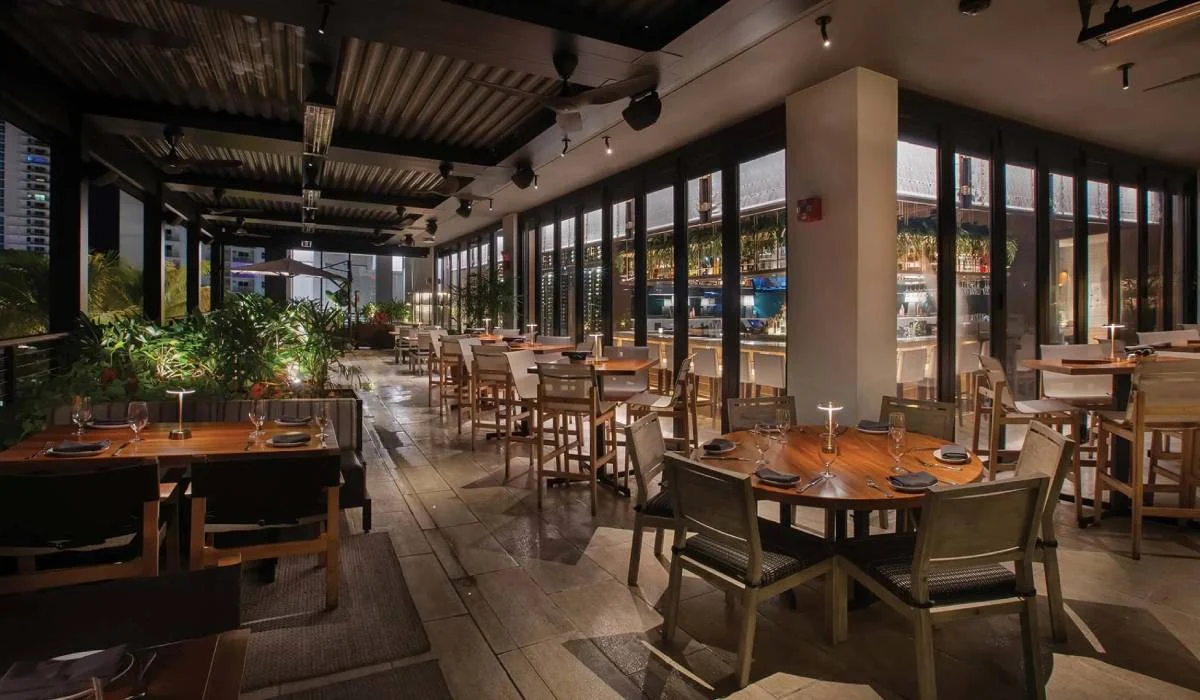
The upscale seafood and steakhouse concept Ocean Prime, the flagship brand of the Columbus-based Cameron Mitchell Restaurants (CMR) group, has announced a strategic shift in its growth trajectory. Coinciding with its 20th anniversary, the brand intends to double its expansion pace, targeting the opening of two new units per year. This roadmap aims to add 10 new locations to the portfolio over the next five years, a significant increase for a brand that has traditionally prioritized a deliberate and measured rollout.
The expansion comes at a time of robust financial health for the concept. Ocean Prime is projected to generate $285 million in systemwide sales this year. The brand’s Average Unit Volume (AUV) currently stands at approximately $14 million; however, this figure rises to over $16 million when analyzing the performance of the 11 most recent openings. This data suggests that the brand’s newer "trophy locations" are outperforming legacy sites, providing the financial justification for an accelerated growth plan.
Strategic Real Estate and the Trophy Location Philosophy
Central to Ocean Prime’s success is a disciplined approach to site selection. Founder Cameron Mitchell characterizes the brand’s real estate strategy as a search for "generational" or "trophy" locations. These are high-visibility, premium sites in major metropolitan markets that, while expensive to secure and develop, are intended to remain viable and prestigious for decades.
To facilitate the new two-unit-per-year goal, CMR is expanding its internal development infrastructure. The company plans to hire an additional real estate professional to work alongside its existing national broker and Vice President of Development. This team will be tasked with identifying markets that can support the brand’s high-end price point and signature "incredible ambiance."
Unlike many national chains that utilize a "cookie-cutter" design model to reduce costs and speed up construction, Ocean Prime employs a bespoke design philosophy. While each restaurant maintains a consistent brand identity and core menu, the architectural and interior design of every unit is uniquely tailored to its specific market and building. This customization is a key component of the brand’s value proposition, positioning each location as a local destination rather than a standardized franchise.
Financial Performance and the K-Shaped Economic Landscape
The decision to expand is supported by a recovery in same-store sales following a period of post-pandemic volatility. Mitchell describes the current financial environment as a "K-shaped economy," a term used by economists to describe a situation where different segments of the population recover from a recession at different rates. In this scenario, high-income households—Ocean Prime’s primary demographic—continue to see wealth growth and remain resilient in the face of inflationary pressures.
The brand’s recent performance history reflects this economic theory:
- Pre-2020: Ocean Prime maintained steady 5% to 6% same-store sales growth annually.
- 2021: A surge in traffic occurred as COVID-19 restrictions eased and "pent-up demand" led to a burst in fine-dining spending.
- 2023 to Early 2025: The brand experienced a cooling period, with comparable sales declining between 4% and 5%.
- April 2025 to Present: Sales reached a flat baseline and have since moved into an upward trend. Mitchell anticipates a return to the historical 5% to 6% growth rate by the end of the current fiscal year.
By catering to the upper tier of the K-shaped recovery, Ocean Prime has mitigated the "weakness in the consumer" that has plagued the casual dining and fast-food sectors over the last 18 months.
A Two-Decade Chronology: Evolution of a Flagship Concept
Ocean Prime’s journey began 20 years ago as a high-end alternative within the Cameron Mitchell Restaurants portfolio, which now includes 20 distinct brands such as The Pearl, Del Mar, and Big Rock Italian Chophouse. Over two decades, the brand has evolved from a regional favorite into a national player with 20 locations across 15 states and Washington, D.C.
The brand’s evolution has been marked by a series of strategic menu and operational pivots:
- Menu Diversification: Approximately 10 years ago, the brand integrated a full sushi program into its seafood-and-steak core, broadening its appeal for both lunch and dinner crowds.
- Premiumization: The steak program has recently been expanded to include more specialized cuts and high-end presentations, reinforcing the "fine dining is fine dining" mantra.
- Geographic Expansion: The brand has successfully penetrated competitive markets including Beverly Hills, Las Vegas, and New York City.
- Future Milestones: A new unit is slated to open in Nashville, Tennessee, next month. Other target regions for the upcoming five-year push include Houston, Northern Virginia, Charlotte, Atlanta, and Southeast Florida (specifically West Palm Beach, Boca Raton, and Miami).
Labor Stability as a Competitive Advantage
In an industry notorious for high turnover rates, CMR’s labor statistics present a significant outlier. Last year, the company reported a management turnover rate of just 9.2% and an hourly turnover rate of 34%. For context, the National Restaurant Association frequently cites industry-wide hourly turnover rates exceeding 70% to 100%.
Mitchell attributes this stability to a "triangular relationship" where the company prioritizes the well-being of team members, under the philosophy that satisfied employees will naturally provide the "genuine hospitality" required to satisfy guests. Operational policies designed to foster this culture include:
- Mandatory Closures: All locations are closed on major holidays and Super Bowl Sunday to allow staff time with their families.
- Internal Promotion: A focus on longevity is evident in the company’s leadership; at a recent retreat for 63 senior leaders, the average tenure was 19 years.
- Retention Philosophy: The company emphasizes a "success business" model, focusing on training and development rather than high-frequency terminations.
This low turnover is more than a cultural metric; it is a financial driver. Lower turnover reduces the costs associated with recruiting and training new staff and ensures a more consistent guest experience, which is critical for maintaining high AUVs in the luxury segment.
Modernization Through Loyalty and Technology
To sustain its growth, Ocean Prime is preparing to launch its first-ever loyalty program later this year. This move represents a shift for the brand, as fine-dining establishments have historically been hesitant to implement rewards programs, fearing they might devalue the premium brand image.
However, internal research conducted by CMR into approximately 10 other high-end restaurant groups revealed that modern rewards platforms can lead to measurable increases in guest satisfaction and higher average check sizes. The program, currently in the final stages of development, is intended to be "accretive to profitability" by incentivizing repeat visits from the brand’s core high-spending demographic while offering perks that enhance the perceived value of the dining experience.
Broader Implications and Industry Outlook
The expansion of Ocean Prime signals a broader confidence in the high-end hospitality sector. While the mid-scale and casual dining segments are currently grappling with "value wars" and heavy discounting to attract cash-strapped consumers, the luxury tier is doubling down on expansion.
Ocean Prime’s growth plan places it in more direct competition with established giants in the sector, such as Darden Restaurants’ The Capital Grille and Ruth’s Hospitality Group. However, Mitchell views the brand’s relative youth as an asset. With 21 restaurants currently in operation, he notes that the brand is far from reaching market saturation.
"Our conceptual designs have evolved. Our ability to attract better locations has evolved," Mitchell stated. The goal of reaching 41 units over the next decade is ambitious, but it is backed by a strategy that prioritizes high-margin locations and a stable, experienced workforce. As Ocean Prime enters its third decade, the focus remains on "being better today than yesterday," a philosophy that has transformed a single upscale concept into a $285 million engine for Cameron Mitchell Restaurants.