admin
admin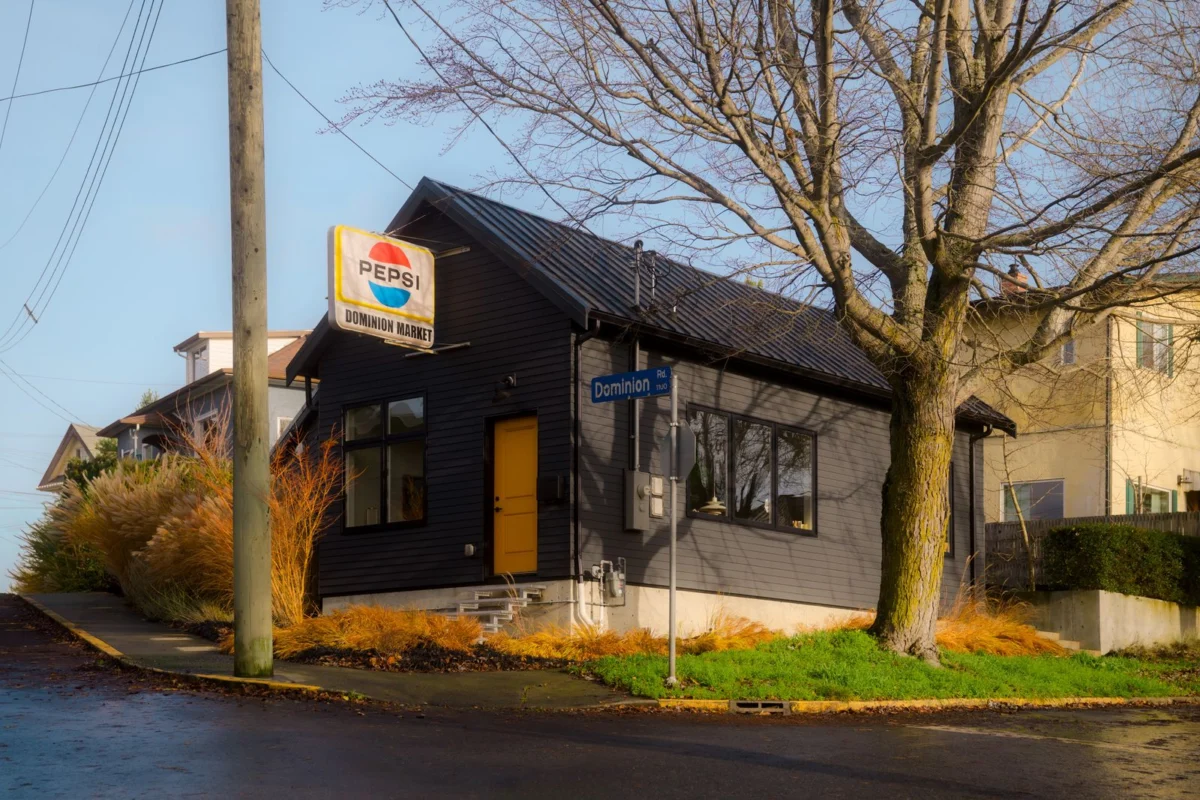
Across residential neighborhoods in North America, a notable transformation is underway as vacant corner stores, once purveyors of daily necessities, are being reimagined and repurposed into unique residential properties. This emerging trend represents a creative solution for prospective homeowners grappling with increasingly unaffordable housing markets, offering an alternative to traditional homeownership that often requires significant financial sacrifice or compromises on location and character. The phenomenon, observed in diverse locales from the sun-drenched streets of Phoenix, Arizona, to the highly competitive real estate landscape of the San Francisco Bay Area, highlights a resourceful blend of perseverance and design ingenuity, allowing individuals to acquire properties that, dollar for dollar, often surpass conventional options found through mainstream real estate listings. This adaptive reuse strategy is not merely a matter of aesthetic preference but a direct response to complex economic and urban planning challenges, signaling a shift in how urban spaces are perceived and utilized.
The North American Housing Affordability Crisis
The impetus behind this unconventional housing trend is deeply rooted in North America’s protracted and escalating housing affordability crisis. For over a decade, and particularly exacerbated since the onset of the COVID-19 pandemic, metropolitan areas across Canada and the United States have witnessed unprecedented surges in both housing prices and rental costs. Factors contributing to this crisis are multifaceted, including a persistent supply-demand imbalance, driven by insufficient housing construction relative to population growth and migration into urban centers. Restrictive zoning regulations in many municipalities, often limiting density and mandating single-family homes, have further stifled new development. Simultaneously, rising material and labor costs have made new construction prohibitively expensive, passing those costs onto consumers. The influx of institutional investors and the use of housing as an asset class rather than solely a dwelling have also inflated prices, pushing homeownership out of reach for a growing segment of the population, including middle-income earners.
Data from organizations like the National Association of Realtors in the U.S. and the Canadian Real Estate Association consistently illustrate this trend. In major U.S. cities, median home prices have increased by over 30% in the last five years, with some markets experiencing even steeper rises. For instance, the median home price in the San Francisco Bay Area regularly exceeds $1 million, requiring an annual income far beyond the national average for even a modest purchase. Similarly, Canadian cities like Vancouver and Toronto have seen average home prices climb to well over C$1 million, with a significant portion of residents spending more than 30% of their income on housing, a widely accepted benchmark for affordability. This economic pressure has led many to seek non-traditional housing solutions, including smaller homes, co-living arrangements, and, increasingly, the adaptive reuse of commercial properties.
The Decline of Traditional Corner Stores
Concurrently with the housing crisis, many traditional, independently owned corner stores – often referred to as bodegas, mom-and-pops, or dépanneurs – have faced significant challenges, leading to widespread vacancies. These small-scale retail establishments, once ubiquitous community hubs, have been steadily declining for several decades. The primary drivers of this decline include intense competition from larger retail formats such as supermarkets, big-box stores, and increasingly, online grocery and delivery services. These larger entities often benefit from economies of scale, offering wider product selections and lower prices that small independent stores struggle to match. Changing consumer habits, characterized by fewer spontaneous, localized shopping trips in favor of planned, larger-scale grocery runs, have also eroded the customer base for corner stores.
Furthermore, rising commercial rents, property taxes, and operational costs (including wages and utilities) have made it difficult for small businesses to remain profitable. Many legacy owners, nearing retirement, have found it challenging to sell their businesses due to these market pressures, leading to properties sitting vacant rather than being taken over by new proprietors. Urban planning shifts, which in some areas favored strip malls and larger commercial developments over pedestrian-oriented neighborhood retail, also played a role. The pandemic briefly revived some local shopping, but the long-term trend of decline for many of these small commercial spaces persisted, leaving behind an inventory of disused buildings in otherwise desirable residential areas. These empty storefronts, once vibrant centers of local commerce, presented a unique opportunity for adaptive reuse.
The Convergence: A Niche Solution Emerges
The confluence of a severe housing shortage and an abundance of vacant, often centrally located commercial properties created a fertile ground for the corner store-to-home conversion trend. These properties possess several inherent advantages for residential adaptation. Firstly, their locations are typically embedded within established residential neighborhoods, offering walkability, access to existing infrastructure, and a sense of community that new developments on the urban periphery often lack. Secondly, their smaller footprints can make them more financially accessible than larger detached homes or even new-build condominiums, reducing both the initial purchase price and ongoing property taxes.
From an architectural and logistical standpoint, these buildings often come equipped with existing utility connections—water, electricity, gas, and sewer lines—that are already configured for commercial loads, simplifying the initial stages of renovation. While significant interior restructuring is usually required to transform a commercial layout into a functional living space, the existing shell provides a solid foundation. The unique character of these buildings, with their large storefront windows, open-plan interiors, and often distinctive facades, also appeals to buyers seeking homes with personality and a departure from cookie-cutter designs. Urban planners and architects have noted that such conversions contribute to sustainable development by revitalizing existing structures rather than contributing to urban sprawl or demolishing historical buildings.
Notable Transformations: Case Studies in Adaptive Reuse
The burgeoning trend of converting former corner stores into private residences is exemplified by projects across North America, demonstrating the potential for creative architectural solutions. In cities like Phoenix, Arizona, where urban sprawl and a growing population have driven up housing costs, disused commercial buildings offer an alternative to traditional single-family homes or apartment complexes. Here, former bodegas, often characterized by their sturdy, utilitarian construction and prominent street-facing windows, have been transformed into modern, open-concept dwellings. Owners in Phoenix have leveraged the typically generous ceiling heights and expansive floor plans of these commercial spaces to create airy living areas, often integrating features like industrial-style concrete floors and exposed brick walls that nod to the building’s commercial past. Challenges often include reconfiguring plumbing for multiple bathrooms and kitchens, ensuring adequate insulation for the desert climate, and managing the balance between privacy and the large storefront windows, often addressed through clever landscaping, frosted glass, or strategic interior layouts. The result is often a unique urban loft aesthetic, providing residents with a distinctive living experience in a vibrant, re-energized neighborhood.
Further west, in the hyper-competitive San Francisco Bay Area, where median home prices are among the highest globally, the conversion of small commercial properties into homes represents a significant pathway to homeownership for those otherwise priced out of the market. Here, the emphasis is often on maximizing every square foot in a constrained environment. Former corner stores in towns surrounding San Francisco have been meticulously redesigned to create highly efficient and stylish living spaces. These projects frequently involve extensive structural and aesthetic overhauls, transforming utilitarian storefronts into warm, inviting homes. Designers often incorporate multi-functional furniture, built-in storage, and strategic use of natural light to enhance the sense of space. The original storefront facades are sometimes preserved or subtly modified, maintaining a visual link to the building’s history while clearly signaling its new residential purpose. These projects not only provide unique homes but also contribute to the architectural diversity and historical preservation of their respective neighborhoods, often sparking conversations about the future of urban density and adaptive reuse.
A Timeline of the Trend
While isolated instances of commercial-to-residential conversions have always existed, the widespread recognition and acceleration of the corner store-to-home trend is a relatively recent phenomenon, closely tied to broader economic and social shifts.
- Early 2000s: Initial signs of decline for independent small retail begin to accelerate due to big-box store expansion and early e-commerce growth. Housing prices begin a steady ascent in major urban centers.
- Post-2008 Financial Crisis: The housing market crash temporarily dampened prices, but subsequent recovery saw a renewed and steeper rise, particularly in desirable urban areas, as investment capital sought stable assets. Many small businesses struggled in the recession, leading to more commercial vacancies.
- 2010-2015: The "tiny home" movement and increased interest in urban infill development gain traction. Architects and urban planners begin to seriously explore adaptive reuse as a sustainable and economically viable development strategy. Some early conversions of industrial spaces into lofts set a precedent.
- 2015-2020: Housing affordability becomes a critical political and social issue across North America. The pool of vacant, small commercial properties in residential areas grows, making them increasingly attractive as potential residential sites. Design publications and niche real estate blogs start to feature these unique conversions more frequently.
- 2020-Present: The COVID-19 pandemic further disrupted traditional retail, leading to more small business closures and an increase in commercial vacancies. Simultaneously, the pandemic-driven housing boom pushed prices to unprecedented levels, making alternative housing solutions more appealing and necessary than ever. The corner store-to-home conversion solidifies as a recognized and viable strategy for creative homeownership.
Expert Reactions and Community Perspectives
The phenomenon of converting corner stores into homes has elicited varied responses from urban planners, real estate professionals, and community members.
Urban Planners generally view adaptive reuse positively, emphasizing its contribution to sustainable development, urban revitalization, and increased housing density without encroaching on greenfield sites. "Repurposing existing structures reduces waste and preserves the historical fabric of our neighborhoods," notes Dr. Eleanor Vance, a professor of urban planning at a prominent West Coast university. "However, it’s crucial for municipalities to have flexible zoning ordinances that facilitate these conversions while also ensuring communities don’t lose vital local amenities like grocers or pharmacies." Planners also highlight the importance of balancing residential needs with the desire to maintain local commercial services.
Real Estate Experts recognize the niche market these conversions occupy. "These properties often represent a ‘value-add’ opportunity for buyers willing to undertake renovation," explains Mark Jensen, a real estate analyst specializing in urban markets. "While the initial purchase price might be lower, the renovation costs can be significant. However, the unique appeal and prime locations often result in strong appreciation, making them sound investments in the long term, especially in supply-constrained markets." Jensen also points out that the scarcity of such unique properties means they often attract competitive bids from a specific segment of buyers.
Homeowners who have undertaken these projects often express immense satisfaction. "We couldn’t afford a traditional house in this neighborhood, but this old bakery gave us a chance to create something truly ours," shared a homeowner in a converted Phoenix store. "It was a lot of work, but the character and the space we gained are priceless." Common sentiments include appreciation for the unique aesthetic, the sense of community in an established neighborhood, and the satisfaction of transforming a disused space.
Local Government Officials are often caught between supporting innovative housing solutions and addressing community concerns. While some cities are actively streamlining permitting processes for adaptive reuse, others face pushback from residents worried about the loss of potential commercial spaces or increased residential density without adequate infrastructure. "Our goal is to encourage diverse housing options while preserving the character and functionality of our neighborhoods," stated a municipal planning commissioner in a Bay Area suburb. "This requires careful consideration of zoning, parking, and community input for each proposed conversion."
Broader Impact and Implications
The trend of converting corner stores into homes carries several significant implications across economic, social, and urban planning domains.
Economically, this phenomenon can contribute to the revitalization of struggling commercial corridors by breathing new life into vacant properties, thereby improving neighborhood aesthetics and potentially increasing surrounding property values. It offers an alternative investment avenue for individuals and small developers, circumventing the high barriers to entry in traditional residential construction. However, if the trend scales significantly, it could diminish the availability of affordable commercial spaces for new small businesses, potentially altering the commercial ecosystem of neighborhoods and impacting local tax bases that rely on commercial property revenue.
Socially, these conversions provide unique and often more affordable homeownership opportunities, fostering diverse housing stock and allowing individuals to remain in or move into desirable neighborhoods they might otherwise be priced out of. The distinctive nature of these homes can contribute to a stronger sense of community and identity within a block, as they often become conversation pieces. There’s also a cultural benefit in preserving the architectural legacy of these small commercial buildings, preventing demolition and maintaining a connection to the neighborhood’s past. However, a rapid increase in such conversions could lead to gentrification concerns if it displaces existing commercial enterprises or fundamentally alters the character of traditionally working-class neighborhoods.
From an Urban Planning perspective, the trend highlights the pressing need for more flexible and responsive zoning regulations. Many existing zoning codes are rigid, strictly separating commercial and residential uses. This movement demonstrates the benefits of mixed-use zoning and adaptive reuse policies that encourage creative solutions to urban challenges. It promotes efficient land use, reduces urban sprawl, and supports walkability by placing residences directly within established, often pedestrian-friendly, areas. Planners must consider how to balance the desire for more housing with the need for essential local services and amenities, ensuring that communities remain vibrant and well-served. The rise of these conversions also encourages architects and designers to innovate in transforming challenging commercial layouts into comfortable, functional residential spaces, pushing boundaries in small-space design and sustainable renovation practices.
In conclusion, the transformation of disused corner stores into dream homes is a compelling manifestation of human ingenuity in the face of significant urban challenges. It is a resourceful response to North America’s housing crisis and the evolving retail landscape, offering a unique blend of affordability, character, and location. While not a universal panacea for housing woes, this trend exemplifies a growing willingness to look beyond conventional solutions, reshaping urban fabric one former bodega at a time and prompting important discussions about the future of our cities.