admin
admin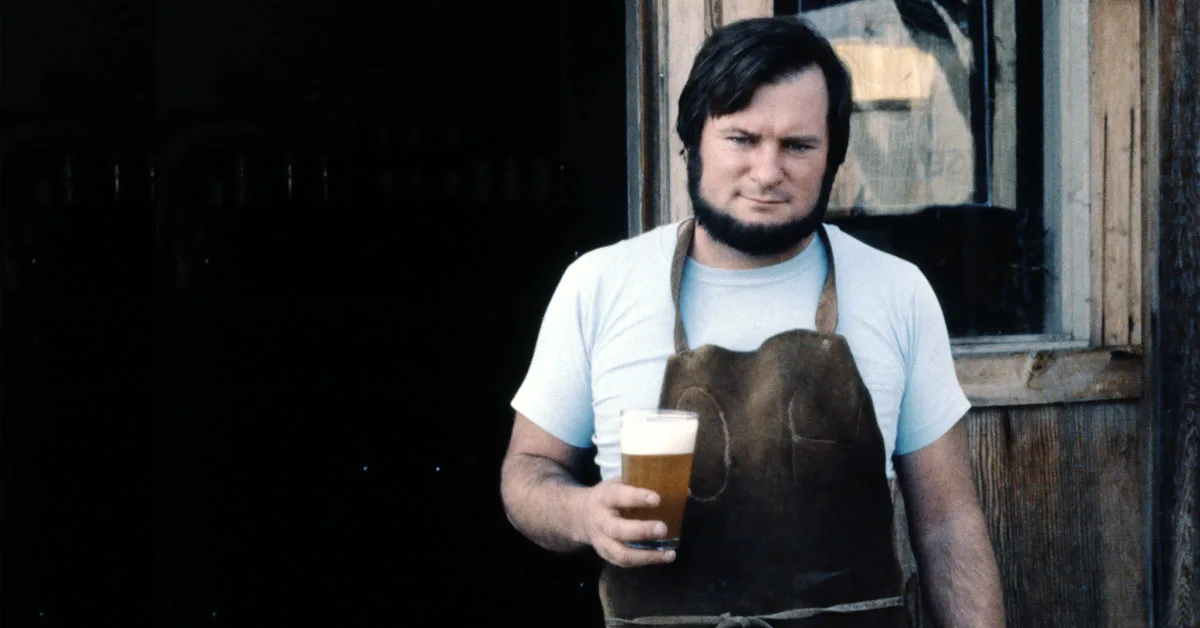
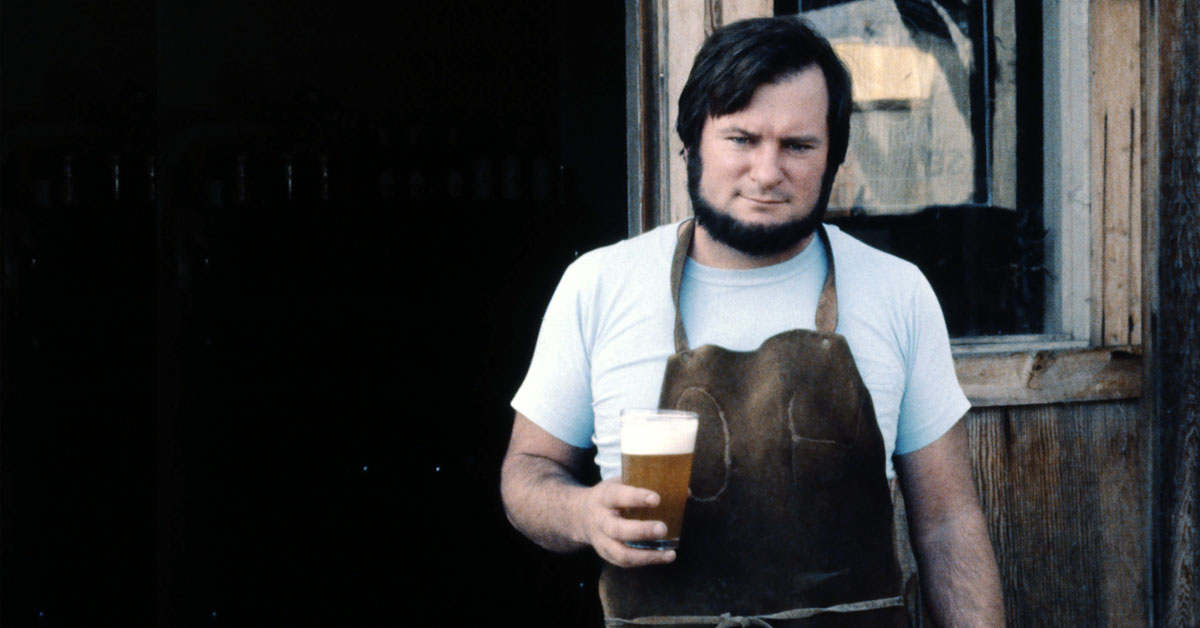
The passing of Jack McAuliffe in July at the age of 80 marks the end of an era for the American beverage industry, yet his influence remains carbonated in every pint of craft ale poured across the United States. As the founder of New Albion Brewing Company, McAuliffe did more than just brew beer; he dismantled a century-old industrial monopoly and provided a blueprint for the modern microbrewing movement. His journey from a Navy technician in Scotland to a visionary in a shabby Sonoma warehouse serves as the foundational narrative for an industry that now encompasses nearly 10,000 breweries and contributes billions to the American economy.
The Post-Prohibition Landscape and the Vision of New Albion
To understand the magnitude of McAuliffe’s contribution, one must consider the state of American brewing in the mid-1970s. Following the repeal of Prohibition in 1933, the American beer market underwent a period of intense consolidation. By 1976, the year New Albion was founded, the industry was dominated by a handful of massive conglomerates producing nearly identical light lagers. The diversity of styles that had characterized pre-Prohibition brewing—porters, stouts, and traditional ales—had almost entirely vanished from the American palate.
McAuliffe’s exposure to the rich, complex ales of the United Kingdom during his service in the U.S. Navy in the late 1960s provided the catalyst for change. Stationed in Scotland, he developed a preference for the depth of British brewing traditions. Upon returning to California, he found the domestic options lacking and turned to homebrewing. This hobby eventually evolved into a radical business proposition: the creation of a small-scale, independent brewery dedicated to flavor rather than mass-market efficiency.
In 1976, partnering with Jane Zimmerman and Suzy Stern, McAuliffe launched New Albion Brewing Company in Sonoma, California. The venture was funded with a modest pool of capital—reportedly only a few thousand dollars—and was housed in a rented warehouse. Because no commercial brewing equipment existed for small-scale operations at the time, McAuliffe applied his technical skills to repurpose industrial scrap. He famously transformed former dairy equipment and 55-gallon Coca-Cola syrup drums into a functioning brewhouse, proving that a lack of capital could be overcome by engineering ingenuity.
A Chronology of Innovation and Influence
The timeline of New Albion is relatively short in years but expansive in its long-term impact on the American culinary landscape:
- 1960s: Jack McAuliffe serves in the Navy in Scotland, discovering traditional British ales.
- Early 1970s: McAuliffe returns to California and begins homebrewing, experimenting with traditional recipes.
- 1976: New Albion Brewing Company is established in Sonoma, California. It is widely recognized as the first "microbrewery" of the modern era.
- 1976–1982: New Albion produces a portfolio of styles including a Pale Ale, Porter, and Stout, utilizing then-obscure ingredients like Cascade hops.
- 1980: Ken Grossman visits New Albion, gathering inspiration before founding Sierra Nevada Brewing Company in Chico, California.
- 1982: Despite critical acclaim and a devoted following, New Albion ceases operations due to financial constraints and a lack of distribution infrastructure.
- 1983: The equipment from New Albion is purchased by the founders of the Hopland Brewery (later Mendocino Brewing Company), which became the first brewpub in California since Prohibition.
- 2012: Jim Koch and the Boston Beer Company collaborate with McAuliffe to re-release New Albion Ale, introducing his original recipe to a new generation of drinkers.
- 2024: Jack McAuliffe passes away, leaving behind an industry that has grown from a single warehouse to over 9,900 independent breweries.
Technical Contributions and the Cascade Revolution
One of McAuliffe’s most enduring contributions to the craft beer "DNA" was his early adoption of the Cascade hop. Developed by the USDA breeding program at Oregon State University and released in 1972, Cascade was initially rejected by the major industrial brewers of the time. The "Big Three" brewers found the hop’s floral, citrusy, and grapefruit-like aromatics too aggressive for their light lagers.
McAuliffe saw the potential in these bold flavors. By featuring Cascade hops in his Pale Ale, he set the sensory standard for what would become the American Pale Ale (APA) and eventually the India Pale Ale (IPA)—currently the most popular craft beer style in the world. Ken Grossman, the founder of Sierra Nevada Brewing Company, noted that his visit to New Albion was instrumental in his decision to use Cascade hops as the centerpiece of Sierra Nevada Pale Ale, a beer that remains a global benchmark for the style.
Beyond ingredients, McAuliffe pioneered the concept of "adaptive reuse" in brewing. The practice of converting non-brewing spaces—factories, churches, and warehouses—into community-focused taprooms is now a staple of urban revitalization across the United States. McAuliffe’s ability to "build anything," as described by historian Maureen Ogle, established a culture of DIY resourcefulness that remains a core value of the craft brewing community.
Industry Reactions and the "American Original"
The death of McAuliffe has prompted a wave of reflections from the titans of the brewing world. Jim Koch, the founder and chairman of the Boston Beer Company, characterized McAuliffe as a transformative figure who redefined the boundaries of the possible. "Before him, starting a brewery from scratch was thought impossible. After him, 10,000 people have done it," Koch stated. This sentiment highlights the psychological barrier McAuliffe broke; he proved that beer did not have to be a commodity produced by a corporation, but could be a craft practiced by an individual.
Historian Maureen Ogle, author of Ambitious Brew, provided a more personal look at the man behind the revolution. She described McAuliffe as a brilliant, if occasionally abrasive, iconoclast who "did not suffer fools gladly." His razor-sharp intellect and skepticism of the status quo were essential traits for someone attempting to upend an entire industry. Ogle’s account suggests that McAuliffe’s success was not just a matter of brewing skill, but a result of a contrarian nature that refused to accept the limitations of the 1970s beer market.
Broader Impact and Economic Implications
The legacy of New Albion is not measured in the volume of beer it sold—which was modest—but in the economic and cultural shift it triggered. According to data from the Brewers Association, the craft brewing industry contributed $76.3 billion to the U.S. economy in 2022 and provided more than 460,000 jobs. This entire economic sector can trace its lineage back to the small Sonoma warehouse where McAuliffe brewed his first commercial batches.
Furthermore, McAuliffe’s model of the "neighborhood brewery" changed the way Americans consume alcohol. By focusing on local distribution and freshness, New Albion predated the "farm-to-table" and "locavore" movements by decades. The brewery’s closure in 1982 was not a failure of the concept, but rather a symptom of a regulatory and distributive environment that had not yet evolved to support small producers. The subsequent legalization of brewpubs in California in 1982, catalyzed by the interest New Albion generated, paved the way for the modern taproom model.
Analysis of the Craft Brewing Future
As the industry mourns the loss of its pioneer, it faces new challenges that McAuliffe might have found familiar. After decades of explosive growth, the craft beer market is entering a period of maturation and stabilization. Issues such as supply chain disruptions, changing consumer preferences toward spirits and non-alcoholic options, and market saturation are testing the resilience of modern brewers.
However, the "New Albion spirit" of resourcefulness remains the industry’s greatest asset. The current trend of "nanobreweries" and hyper-local taprooms is a direct return to McAuliffe’s original vision: small-scale production, high-quality ingredients, and a direct connection to the consumer. The adaptive reuse of historic buildings continues to revitalize downtown areas, proving that the brewery remains a vital "third place" in American social life.
The story of Jack McAuliffe serves as a reminder that innovation often comes from the margins. By looking at the industrial lagers of the 1970s and choosing to brew something different, he didn’t just create a new product; he created a new category of American entrepreneurship. While New Albion only operated for six years, its impact is permanent. Every time a consumer chooses a local IPA over a mass-produced lager, they are participating in the revolution that Jack McAuliffe started in a Sonoma warehouse nearly half a century ago.
In the final analysis, McAuliffe’s life was a testament to the power of a "pint-size brewery and an outsize idea." His journey from a basement passion to a commercial profession provided the roadmap for thousands of brewers worldwide. As the industry continues to evolve, the bedrock principles established by New Albion—resourcefulness, ingredient-focused brewing, and a defiance of the status quo—will likely remain the guiding lights for the next generation of American craft brewers.