admin
admin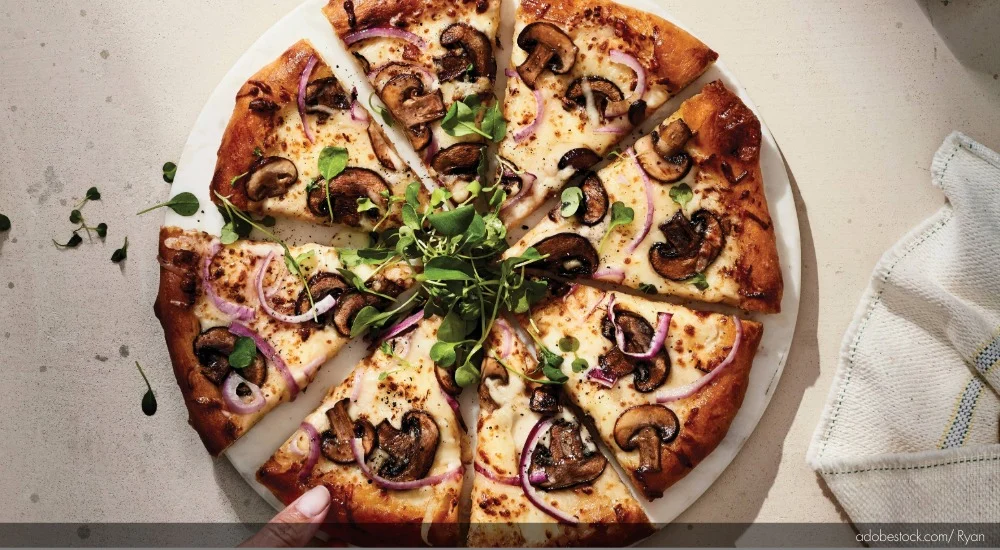
The unassuming white button mushroom reigns supreme in American kitchens, accounting for approximately 90% of all mushrooms consumed in the United States. Its widespread popularity is not accidental, but rather a testament to its inherent versatility and practical advantages. This ubiquitous fungi is remarkably robust, capable of withstanding the rigors of refrigerated storage and the fast-paced environment of a professional kitchen without significant damage. Furthermore, its mild, approachable flavor profile caters to a broad spectrum of American palates, making it an uncontroversial choice for countless dishes. From the classic pizza topping to a foundational ingredient in sauces and stir-fries, the white button mushroom is a culinary workhorse.
The Dominance of the White Button and Its Kin
The culinary journey of the white button mushroom offers an interesting biological insight: it is, in essence, the younger stage of two other commonly recognized varieties. Given time to mature, a white button mushroom will develop a slightly darker, brown exterior, transforming into what is known as a cremini mushroom. Allow it to grow further, and its cap will expand significantly, becoming the large, meaty portobello mushroom. This developmental continuum means that these three varieties, while distinct in appearance and texture, share a fundamental genetic lineage. The ability to harvest them at different stages allows for a range of textures and flavor intensities, catering to diverse culinary needs. For instance, while the white button is often imagined covering a pizza pie – whether applied raw and baked, par-baked, or sautéed for deeper flavor – its mature counterparts offer more robust characteristics for specific applications.

Unlocking the Nutritional and Culinary Power of Fungi
Beyond their convenience and mild taste, mushrooms are increasingly recognized for their significant nutritional value and unique contributions to flavor. As consumers become more health-conscious and adventurous in their eating habits, the broader spectrum of culinary mushrooms is gaining traction.
The Science of Umami
Mushrooms are one of nature’s richest sources of umami, often described as the "fifth taste" alongside sweet, sour, salty, and bitter. This savory, mouth-filling sensation is primarily attributed to naturally occurring glutamates and nucleotides like guanylate, which intensify as mushrooms are cooked or dried. This inherent umami quality allows mushrooms to deepen the flavor profile of dishes, providing a rich, savory backbone that can enhance both vegetarian and meat-based preparations. The concentration of these compounds varies among species, with varieties like shiitake and porcini being particularly renowned for their potent umami contributions. This characteristic makes them invaluable in plant-based cooking, where they can mimic the depth often associated with meat.
Health Benefits Beyond Flavor
The nutritional profile of culinary mushrooms is impressive. They are naturally low in calories, fat, and sodium, yet packed with essential vitamins and minerals. Mushrooms are a good source of B vitamins (riboflavin, niacin, and pantothenic acid), which are crucial for energy metabolism and nervous system function. Uniquely, they are one of the few non-animal sources of Vitamin D, particularly when exposed to UV light, which can be an important dietary consideration for many. Furthermore, mushrooms provide valuable minerals such as selenium, copper, and potassium, alongside dietary fiber. They also contain various antioxidants, including ergothioneine and glutathione, which are believed to protect the body’s cells from damage and support overall immune health. The growing scientific interest in the bioactive compounds within fungi continues to uncover potential benefits, from anti-inflammatory properties to supporting gut health.

Mastering the Art of Mushroom Handling: Selection, Cleaning, and Storage
To truly appreciate the diverse potential of culinary mushrooms, understanding how to properly select, clean, and store them is paramount. The Missouri-based Mushroom Council, a leading industry resource, offers invaluable guidelines to ensure optimal quality and longevity.
Selecting Peak Freshness
The foundation of a great mushroom dish begins with selecting the freshest fungi. Regardless of the specific variety, mushrooms intended for cooking should exhibit a smooth appearance and a firm, resilient texture. Their skin should be plump and dry to the touch, never slimy or discolored, as sliminess is a clear indicator of spoilage. While pre-sliced mushrooms offer convenience, they have a significantly reduced shelf life due to increased surface area exposure. It is only advisable to purchase them if immediate consumption or inventory turnover within 72 hours is guaranteed. For optimal freshness and customer experience in a professional setting, slicing mushrooms as part of daily prep work at the start of a shift is recommended. Whole mushrooms retain their integrity and freshness for longer periods.
Proper Cleaning Techniques
The method for cleaning mushrooms varies slightly depending on their maturity and structure. For mature or "open-veil" mushrooms, where the cap has separated from the stem and the gills are exposed, a damp paper towel is generally sufficient to gently wipe away any dirt or debris. This method minimizes moisture absorption. For "closed-veil" mushrooms, such as young white buttons or cremini, whose caps are still tightly attached to the stem, a soft brush can be used to dust off dirt. Alternatively, they can be rinsed quickly under cold water and then thoroughly patted dry with a paper towel. It is crucial to avoid soaking mushrooms in water, as their porous nature causes them to absorb liquid readily, leading to a waterlogged texture and diluted flavor when cooked. Some varieties, like shiitake, often have tough, woody stems that should be trimmed until only the firm, tender portion remains, as the woody parts are not palatable.

Optimal Storage for Longevity
Proper storage is key to extending the shelf life of fresh mushrooms. Whole, raw mushrooms can remain fresh for up to one week when refrigerated under optimal conditions. The best storage practice is to keep them in their original packaging, which is often designed to allow for proper air circulation, or to transfer them to a paper bag. The paper bag absorbs excess moisture, preventing the development of a damp environment that encourages spoilage. Conversely, plastic bags or cling wrap should be avoided for fresh, uncooked mushrooms as they trap moisture, accelerating the decay process. While raw mushrooms should never be frozen due due to their high water content and resulting textural degradation, sautéed mushrooms can be frozen successfully. After cooking, allow them to cool completely, then pack them into airtight containers or freezer bags, where they can be stored for up to one month. As with cleaning, it is important to keep mushrooms away from ambient water during storage to prevent unwanted moisture absorption.
Mushroom Mania: Trends in the Culinary Landscape
The culinary world is experiencing a significant "mushroom moment," moving beyond the long-standing dominance of the white button. Data from the 2026 Pizzeria Industry Trends Report, published by Pizza Today, highlights mushrooms as the third most-popular pizza topping, underscoring their staple status. However, this report also notes a burgeoning trend: U.S. pizzerias and restaurants are increasingly willing to experiment with a wider array of fungi varieties, not only on pizzas but also in salads, appetizers, and main courses. This shift reflects a broader consumer appetite for diverse flavors and textures, driven by culinary curiosity and a growing interest in plant-forward dining.
The Pizzeria Paradox: From Staple to Star
The pizza industry, often a bellwether for popular food trends, exemplifies this evolving relationship with mushrooms. While the classic button mushroom maintains its strong presence, innovative pizzerias are pushing boundaries. For example, Mellow Mushroom’s "Holy Shiitake" pizza features a sophisticated medley of roasted shiitake, button, and portobello mushrooms, elevated with a luxurious swirl of black truffle oil. This showcases how familiar and exotic varieties can harmoniously coexist on a single dish, offering complexity and depth. Similarly, Heights Pizzeria, a Neapolitan establishment in Little Rock, Arkansas, recently featured a special adorned with lion’s mane and oyster mushrooms, also enhanced with truffle oil. Such offerings indicate a willingness to embrace less common varieties, transforming mushrooms from a mere topping to a starring ingredient, capable of delivering unique flavor experiences and elevating gourmet dishes.

Expanding Palates: The Rise of Gourmet Varieties
This culinary diversification is not limited to pizza. Chefs across fine dining and casual eateries are incorporating a broader spectrum of fungi into their menus, driven by a desire for distinct flavors, textures, and aesthetic appeal. The rise of farmers’ markets and specialty distributors has also made once-rare varieties more accessible, enabling culinary professionals to experiment more freely. This trend aligns with a larger movement towards ingredients that offer both robust flavor and potential health benefits, as well as those that contribute to sustainable food systems. The Mushroom Council and other industry bodies actively promote education on these diverse varieties, empowering both chefs and home cooks to explore the vast and delicious world of fungi.
A Deep Dive into Diverse Culinary Mushrooms
The fungal kingdom offers an astonishing array of flavors and textures, each bringing a unique character to the plate. Here’s an exploration of some of the most popular and intriguing culinary mushrooms chefs are incorporating into modern menus.
Beech Mushrooms
Native to East Asia and often cultivated in controlled environments, beech mushrooms, also known as Shimeji, are visually striking, growing in dense clusters or "bouquets." They are aptly named for their tendency to grow at the base of beech trees in the wild. While they possess a slight bitterness when consumed raw, cooking transforms them into a delicate, sweet, and nutty delight with a pleasant crunch. Their tall, slender stems and small, white caps (which darken with maturity) make them an elegant garnish for pasta and risotto. They are particularly popular in Asian cuisines, where their firm texture holds up well in stir-fries, soups, and hot pots, adding both flavor and visual appeal.

Black Trumpet Mushrooms
Often dubbed the "poor man’s truffle" due to their intense, earthy, and smoky flavor profile, black trumpet mushrooms (Craterellus cornucopioides) are highly prized by chefs. Their distinctive funnel shape and dark, almost black, color make them easily recognizable. While their cost, typically ranging from $30-$40 per pound, prevents them from being an everyday ingredient, their concentrated flavor means a little goes a long way. Many chefs opt to dry and grind black trumpets into a fine powder, using it as a potent seasoning to infuse dishes with a deep, mystical earthiness. When using fresh black trumpets, caution is advised, especially in cream-based sauces, as their dark pigments can transfer, and an excessive amount can impart a bitter note. They pair exceptionally well with eggs, poultry, and rich sauces.
Button Mushrooms
The foundational fungi for many, the white button mushroom (Agaricus bisporus) is celebrated for its mild, approachable flavor and crisp, firm texture when raw. When sautéed, its character evolves, developing a tender consistency and a distinct umami richness. Its versatility allows for a wide range of flavor enhancements. Sautéing sliced white mushrooms in bacon grease or Worcestershire sauce imparts a smoky, savory depth, making them ideal for hearty sides or robust toppings. For fusion dishes, such as a Thai chicken pizza, a splash of soy sauce during cooking can beautifully complement their inherent umami. Their widespread availability, affordability, and adaptability make them an indispensable ingredient in home and professional kitchens alike.
Chanterelle Mushrooms
A true beauty of the mushroom family, chanterelles (Cantharellus cibarius) are instantly recognizable by their vibrant yellow, orange, or sometimes white hues and delicate, wavy caps. Beyond their visual appeal, they are beloved by cooks for their distinctive fruity aroma, often likened to apricots, and a subtle peppery taste. The flesh is firm when raw, but these mushrooms are best consumed thoroughly cooked until fork-tender, which mellows their peppery notes and enhances their fruitiness. Chanterelles are notable for their relatively long shelf life compared to many other fresh mushrooms, capable of being stored for up to 10 days in the refrigerator. A classic preparation involves simply sautéing them with butter, garlic, and a splash of white wine, allowing their unique flavor to shine.

Cremini Mushrooms
Often marketed as "baby bellas," cremini mushrooms are the more mature, brown-capped sibling of the white button mushroom. Their caps are tightly adhered to their stems, indicating a slightly older stage of development. This maturity translates to a firmer texture and a more pronounced, earthy flavor compared to the milder button mushroom, making them a more robust choice for many culinary applications. While cremini can be used interchangeably with button mushrooms in recipes, their deeper flavor profile makes them particularly well-suited for dishes where the mushroom flavor is meant to be more prominent, such as risottos, stews, or as the perfect size and texture for stuffed mushrooms.
Lion’s Mane Mushrooms
Lion’s Mane mushrooms (Hericium erinaceus) have surged in popularity in recent years, propelled by their striking, shaggy white appearance resembling a cascade of icicles and their purported health benefits, particularly in improving metabolism and cognitive function. This fungi is singular in both its look and its taste, which is frequently described as having both the flavor and texture of seafood, often compared to crab or lobster. When cooking lion’s mane, it is crucial to slice it and cook it at relatively high heat. This process prompts the mushroom to release its considerable water content – up to 95% by weight – allowing it to develop a desirable browned exterior and a more concentrated, savory flavor. It’s an excellent plant-based substitute for seafood in various dishes.
Maitake (Hen of the Woods) Mushrooms
Known among foragers as "Hen of the Woods" due to its distinctive feathery, ruffled appearance resembling a hen’s tailfeathers, maitake mushrooms (Grifola frondosa) commonly grow in large clusters at the base of oak trees. When selecting fresh maitake, look for plump, robust specimens that show no signs of drying out. Once cooked, the maitake develops a wonderfully chewy texture and a rich, earthy flavor that can be further enhanced with a simple squeeze of fresh lemon juice, which brightens its profile. Its complex flavor and texture make it versatile in stir-fries, roasted as a side dish, or incorporated into savory tarts and sauces.

Porcini Mushrooms
A cornerstone of Italian cuisine, porcini mushrooms (Boletus edulis) are widely cherished for their robust, nutty, and slightly meaty flavor. They are readily available in both fresh and dried forms, with the dried variety offering an even more concentrated flavor after rehydration. Porcinis are a popular addition to dishes like mushroom ravioli, where their flavor can truly shine, and they pair beautifully with both red and white wines. Often served simply sautéed over pasta with a cream sauce, they also make a surprisingly tasty snack when sliced and cooked until crispy in a cast iron pan with olive oil, garlic, and chili flakes, offering a textural contrast and an explosion of umami.
Portobello Mushrooms
The portobello is essentially a fully mature white button mushroom, allowed to grow to its maximum size. Its distinguishing features are its large, firm, meaty cap and prominently visible gills. This substantial size makes it a popular choice for dishes where it can serve as a "meat" substitute, such as in hearty sandwiches or grilled as a vegetarian steak. One national burger chain famously stuffs portobello caps with cheese and fries them, creating a melty, savory flavor explosion that can rival any meat patty. Unlike its smaller button and cremini cousins, the portobello’s large gills can trap excess moisture. To ensure a firm, non-soggy texture, consider sprinkling the gills with salt and letting the mushroom sit for 30 minutes to draw out moisture, or cook it gills-side-down first to allow moisture to escape.
Shiitake Mushrooms
A perennial favorite among chefs, shiitake mushrooms (Lentinula edodes) are instantly recognizable by their smooth, umbrella-shaped caps and visible gills underneath. This variety boasts a distinct savory, woody flavor that deepens and intensifies significantly upon cooking. While their stems can become tough and fibrous during transport or storage, these should be removed during the prep stage, reserving the caps for culinary use. Shiitakes are exceptionally versatile: marinated in soy sauce with herbs and then placed in a food dehydrator, they transform into a savory jerky. This jerky can be broken into bits and sprinkled over salads for a textural crunch or incorporated into Asian fusion pizzas, adding an unexpected layer of umami and texture.

Truffles
Truffles are subterranean fungi, highly prized for their intense aroma and distinct flavor, making them one of the most expensive ingredients in the world. Unlike most mushrooms, truffles grow underground, typically near the roots of trees like oak and hazelnut, and are famously hunted with trained dogs or pigs. Varieties such as the black Périgord truffle (Tuber melanosporum) and the white Alba truffle (Tuber magnatum pico) are the most sought after. Their flavor is complex, earthy, musky, and uniquely pungent, often described with notes of garlic, hazelnut, and a deep forest floor. Due to their potent aroma and high cost, truffles are rarely cooked extensively but rather shaved thinly over finished dishes like pasta, risotto, eggs, or even pizza, to impart their exquisite fragrance. Truffle oil and truffle butter are popular ways to infuse dishes with their essence, though the quality can vary widely.
Trumpet (Oyster) Mushrooms
Trumpet mushrooms, particularly the King Trumpet variety (Pleurotus eryngii), are distinguished by their thick, meaty stems and smaller caps. They offer a delicate, nutty flavor and a firm, satisfying texture that shines when grilled or roasted. The hearty flesh of these mushrooms can be shredded and doused in savory sauces to create impressive plant-based sandwiches that offer a "meaty" bite. King Trumpet mushrooms are especially versatile as a meat substitute; when sliced into thick medallions, their stalk remarkably resembles scallops in both appearance and texture, making them an excellent choice for vegan or vegetarian interpretations of seafood dishes. Their ability to absorb flavors makes them ideal for marinades and spice rubs.
The Future of Fungi in Gastronomy
The evolving appreciation for culinary mushrooms signifies more than just a passing food trend; it represents a significant shift in gastronomic consciousness. As chefs and home cooks alike continue to explore the vast diversity of fungi, the implications for restaurant menus, home cooking, and even agricultural practices are substantial. Mushrooms are increasingly recognized as a cornerstone of the plant-based movement, offering satisfying textures and profound umami flavors that can stand in for or complement animal proteins. This versatility is driving innovation, leading to mushroom "bacon," mushroom "steaks," and the incorporation of mushroom powders and infusions into a broader range of culinary products.

The ongoing research into the health benefits of fungi, coupled with their relatively low environmental footprint compared to traditional protein sources, positions mushrooms as a crucial component of future sustainable food systems. Organizations like the Mushroom Council play a vital role in consumer education, demystifying less common varieties and providing practical guidance on handling. As our understanding and accessibility to these remarkable organisms grow, the culinary landscape is set to become richer, more flavorful, and undeniably more exciting, with fungi leading the charge.