admin
admin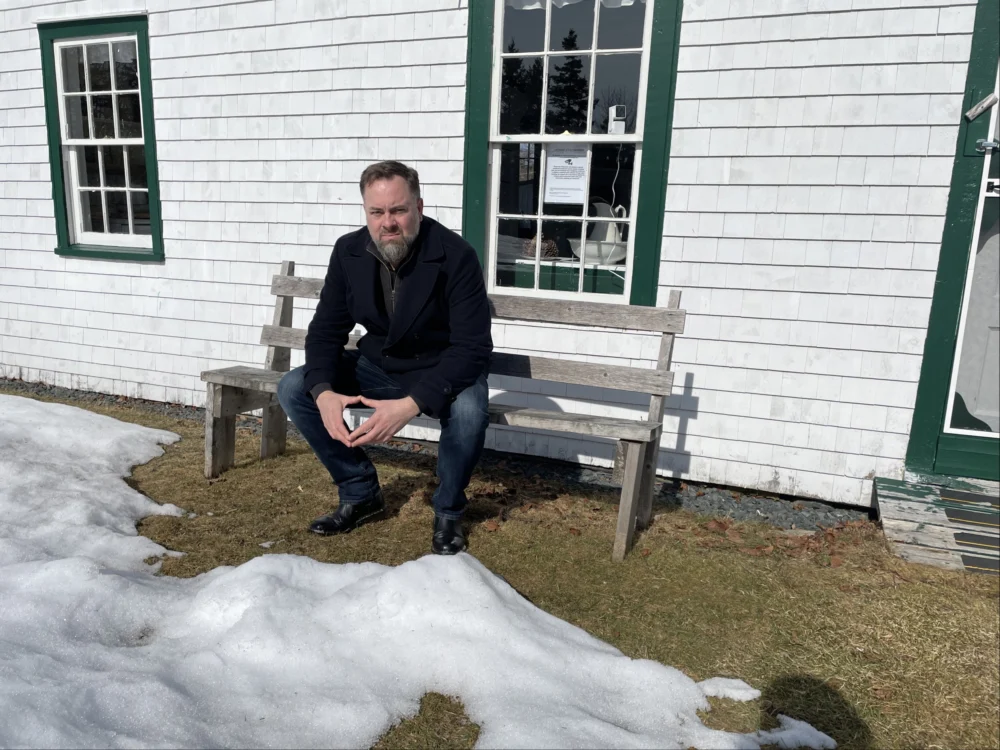
For Greg Puncher, the Fisherman’s Life Museum in Musquodoboit Harbour, N.S., transcends mere bricks and mortar or a collection of dusty artifacts; it embodies the very essence of his ancestral heritage. "It’s the roots of my family in Nova Scotia on the eastern shore," Puncher states, a sentiment echoed by countless residents across the province whose personal histories are intertwined with local cultural institutions. His great-great-grandfather constructed the homestead that now houses the museum, and his grandmother spent her formative years within its walls, making the recent news of its impending closure a profound shock and a source of deep frustration. Puncher decries the decision, asserting that it leaves the province’s invaluable heritage vulnerable, declaring, "We’re suffering on so many different levels, and I don’t think that our heritage should be paying the price for their mismanagement and corruption." This impassioned plea underscores a growing provincial outcry against the Nova Scotia government’s 2026-27 budget, which targets cultural institutions as part of a broader fiscal austerity measure.
The Heart of the Controversy: Nova Scotia’s 2026-27 Budget
The provincial budget for 2026-27, unveiled amidst a challenging economic climate, has ignited widespread controversy for its drastic measures aimed at curbing a projected $1.2 billion deficit. To achieve an estimated $130 million in savings, the government implemented sweeping cuts that reduced or eliminated over 280 grants across multiple government departments. Among the most contentious decisions is the planned closure of 12 provincial museums, including the Fisherman’s Life Museum, marking a significant retrenchment of public investment in cultural heritage. This move has sparked a robust public debate, pitting fiscal responsibility against the preservation of Nova Scotia’s unique identity and its long-term cultural and economic well-being. The government’s rationale, as articulated by officials, centers on the necessity of reining in spending to ensure the province’s financial sustainability, prioritizing core services while making difficult choices in other sectors. However, critics argue that the cuts are short-sighted, disproportionately impacting vulnerable communities and vital cultural assets that offer substantial, albeit often unquantified, returns.
A Personal Stake: The Fisherman’s Life Museum and Local Identity
The Fisherman’s Life Museum, established in 1968, serves as a poignant window into the lives of Nova Scotia’s coastal communities during the early 20th century. It is housed in the meticulously preserved 1860s home of Ervin and Minnie Myers, a quintessential fishing family. Beyond its historical exhibits, the museum functions as a vibrant community hub, hosting educational programs, traditional craft demonstrations, and local events that draw both residents and tourists. For families like Greg Puncher’s, it is more than a historical site; it is a tangible link to their past, a repository of stories, skills, and values passed down through generations. The potential closure represents an obliteration of this living history, severing a vital connection for descendants and depriving future generations of a direct encounter with their maritime heritage. Critics argue that such closures diminish the collective memory of the province, eroding the unique cultural fabric that defines Nova Scotia. The economic impact on Musquodoboit Harbour, a rural community, also cannot be understated, as the museum attracts visitors who support local businesses, creating a ripple effect that extends beyond its historical significance.
The Broader Landscape of Museum Closures and Cultural Disinvestment

The Fisherman’s Life Museum is not an isolated case; it is one of a dozen provincial museums facing an uncertain future under the new budget. While the specific names of all 12 museums have not been universally publicized in the same detail, the collective impact of such widespread closures across a relatively small province like Nova Scotia is immense. These provincial museums often specialize in diverse aspects of Nova Scotian life, ranging from industrial heritage (mining, lumbering), to specific community histories, natural history, and the arts. Many serve as primary educational resources for local schools, offering hands-on learning experiences that complement classroom curricula. They are also crucial drivers of cultural tourism, attracting visitors who seek authentic experiences and contribute significantly to local economies through accommodation, dining, and other purchases. The decision to close these institutions sends a chilling message about the government’s valuation of arts, culture, and heritage, sparking fears among advocates that it signals a broader retreat from public support for the cultural sector. The Association of Nova Scotia Museums, representing over 100 institutions, has voiced profound concern, highlighting the essential role these sites play in community development, educational outreach, and the province’s overall appeal.
The Joggins Fossil Institute: A UNESCO Site Under Threat
Among the institutions hit hardest by the budget cuts is the Joggins Fossil Institute, responsible for conserving and promoting the Joggins Fossil Cliffs, a globally recognized UNESCO World Heritage Site. The institute faces a 20 percent reduction in its community grant funding, translating to a loss of $55,000. This reduction means the institute will receive less funding than it did in 2008 when the site first attained its prestigious UNESCO designation, a period marked by significantly different economic realities and operational costs.
Jade Atkins, the institute’s dedicated curator, articulates the devastating consequences of these cuts. Programs, outreach work, and jobs are now gravely at risk. "We’ve had to cancel our March break camp. Our summer camp will be next," she laments, highlighting the immediate loss of educational opportunities for children. Furthermore, the institute’s vital outreach initiatives, which see staff visit schools across the Municipality of Cumberland, will be severely curtailed, shrinking from 10 or 15 events in the summer to potentially just one or two. Atkins’ personal mission, deeply rooted in her own rural upbringing in Pictou County where she didn’t encounter a scientist outside of medicine until university, is to ensure every child in Cumberland County meets a scientist before graduating. "My goal has always been that every child in Cumberland County should meet a scientist before they finish school," she passionately explains. "So we say yes to everything we can… I’m heartbroken that I will no longer be able to do that." The reduction in funding not only jeopardizes the institute’s ability to fulfill its educational mandate but also risks undermining the international standing and effective management of a site of universal scientific importance. The potential long-term implications for scientific research, global tourism, and Nova Scotia’s reputation as a custodian of world heritage are significant.
Premier Houston’s Partial Reversal and Unwavering Stance
Following an intense public outcry and widespread protests against the initial budget, Premier Tim Houston announced a partial walk-back on some of the proposed funding cuts. On Tuesday, the government reinstated $53.6 million in funding, primarily directed towards critical social services. This included allocations for seniors and people with disabilities, as well as programs designed to assist African Nova Scotian and Indigenous people in accessing education. The Premier’s decision was framed as a response to community feedback and a re-evaluation of the immediate human impact of the cuts.
However, the arts sector and local museums, including the 12 slated for closure and those facing grant reductions like the Joggins Fossil Institute, did not see their cuts reversed. Premier Houston addressed this distinction on Wednesday, stating, "When I put my hand on my heart and I said, ‘What will the impact be on people with disabilities?’ I couldn’t live with that. When I put my hand on my heart on some of the other sectors I said, ‘I wish we could do more.’ But I have to live with that." This statement, while acknowledging the value of the cultural sector, solidified the government’s position that these cuts, while regrettable, were deemed necessary for fiscal discipline. Critics, including opposition Members of the Legislative Assembly (MLAs) and cultural advocates, swiftly condemned the partial reversal as insufficient, arguing that it cherry-picked certain sectors while leaving others, equally vital to the province’s fabric, to bear the brunt of austerity. They contend that cultural institutions, though not always providing direct life-sustaining services, are fundamental to the quality of life, education, and economic vitality of Nova Scotian communities.

The Voice of the Cultural Sector: Reactions and Concerns
The cuts have sent ripples of concern throughout Nova Scotia’s cultural and heritage community. Devin Casario, representing the Association of Nova Scotia Museums, articulated the profound uncertainty gripping the sector. "The impacts right now are incalculable; we’re in the early stages of assessing what they could be," he stated, highlighting the complex and far-reaching consequences. Casario emphasized that beyond the immediate financial losses, "There will obviously be job losses and other issues within the community because of the nature of what these museums do and how they serve their communities."
Cultural heritage organizations, art galleries, and community centers across the province have echoed these sentiments. Many argue that museums are not simply repositories of the past but active educational institutions, economic generators, and social anchors, particularly in rural areas where they often represent one of the few public spaces for learning and community engagement. They point to data illustrating the significant economic contribution of the cultural sector to Nova Scotia’s GDP and its role in attracting tourism. A 2022 report by the Nova Scotia Department of Communities, Culture and Heritage, for instance, indicated that the culture sector contributed over $900 million to the provincial economy annually and supported thousands of jobs. Advocates contend that short-term savings from these cuts will be overshadowed by long-term losses in tourism revenue, educational attainment, and the erosion of community identity. Furthermore, they stress the importance of museums in fostering a sense of belonging and pride, especially for marginalized communities whose histories are often preserved and celebrated within these institutions.
Broader Implications: Erosion of Heritage and Disproportionate Rural Impact
The proposed closures and funding reductions carry profound broader implications for Nova Scotia. The erosion of heritage assets directly threatens the province’s unique cultural identity, which is deeply rooted in its maritime history, Indigenous traditions, and diverse communities. When museums close, not only are physical artifacts at risk, but intangible heritage—stories, traditions, and local knowledge—can also be lost forever. This loss impacts future generations’ ability to connect with their past and understand the foundations of their society.
Education stands to suffer significantly. Museums provide informal learning environments that complement school curricula, offering hands-on experiences, historical context, and exposure to scientific principles (as exemplified by the Joggins Fossil Institute). The cancellation of camps and outreach programs will create a void, particularly for children in rural communities who may have limited access to such enriching experiences elsewhere. This disproportionate impact on rural areas is a recurring theme in the criticism of the budget. Museums often serve as vital community hubs and economic drivers in smaller towns, attracting visitors and providing local employment. Their closure can accelerate rural decline, exacerbating issues of depopulation and economic stagnation.
From a tourism perspective, Nova Scotia markets itself as a destination rich in history, natural beauty, and cultural experiences. The closure of 12 provincial museums and the weakening of sites like Joggins could diminish the province’s appeal, potentially leading to a decrease in cultural tourism, which is a significant component of the provincial economy. The province’s international reputation, particularly concerning its stewardship of UNESCO World Heritage Sites, could also be jeopardized. The cuts also set a concerning precedent, signaling a de-prioritization of arts and culture within provincial policy, which could deter future investment and talent attraction to the sector.

Calls for Reconsideration and Path Forward
As the province grapples with the fallout from the budget, calls for reconsideration are growing louder. Greg Puncher, whose family history is intrinsically linked to the Fisherman’s Life Museum, articulates a widely held sentiment: "Ideally, I would like to see the government reconsider their budget. I think they need to go back to the drawing board and start all over again, as many MLAs have been asking them to do." Opposition parties and community advocates have organized protests, launched petitions, and engaged in intense lobbying efforts, urging the government to reverse the cuts to the cultural sector.
Proposed alternatives by critics include a thorough review of government spending to identify savings in other, less impactful areas, exploring new revenue streams, or seeking increased federal funding for cultural heritage initiatives. There is also a strong push for the government to recognize the long-term economic and social returns on investment in culture, rather than viewing these institutions purely as costs. The ongoing debate highlights the fundamental tension between immediate fiscal pressures and the long-term value of preserving a province’s heritage and fostering its cultural vitality. The future of Nova Scotia’s museums and the broader cultural landscape remains uncertain, caught in the balance between economic necessity and the enduring power of history and identity.
© 2026 Global News, a division of Corus Entertainment Inc.