admin
admin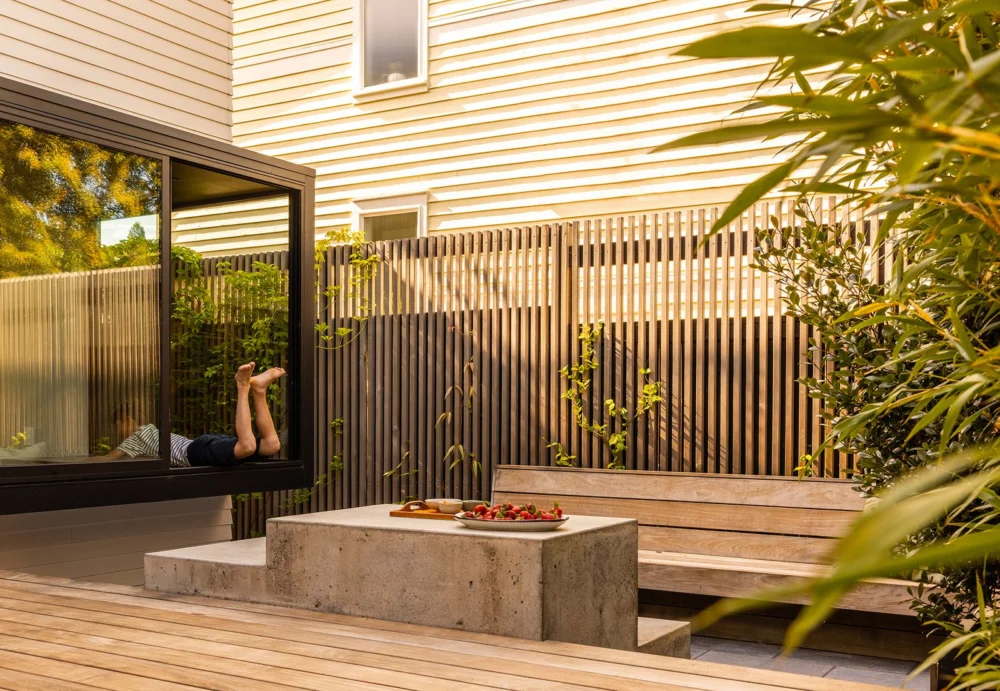
When Charlotte and Adam Aljets bought their two-bedroom Craftsman in the north end of West Seattle in 2013, they knew it was a bit small—especially since they planned to start a family. But having two stories, close proximity to coffee shops and the library, and a commute by water taxi for Adam was all too good to pass up. This decision, made over a decade ago, exemplifies a strategic approach to urban homeownership that has only gained currency in one of America’s fastest-growing metropolitan areas. Their story underscores a prevalent theme in contemporary city living: the deliberate trade-off between square footage and unparalleled access to community, amenities, and a unique lifestyle.
The West Seattle Appeal: A Community in Demand
West Seattle, often referred to as a peninsula, maintains a distinct character that sets it apart from other Seattle neighborhoods. Its geographical isolation, historically requiring ferry travel before the construction of bridges, fostered a strong sense of community and self-sufficiency. By 2013, while still retaining much of its neighborhood charm, West Seattle was already on the radar for many seeking a vibrant, amenity-rich environment with a slightly more relaxed pace than downtown Seattle. The north end, where the Aljets purchased their home, is particularly coveted for its access to the Alki Beach promenade, commanding views of the Puget Sound and the Olympic Mountains, and its immediate proximity to the West Seattle Junction—the commercial and cultural heart of the area.
The Junction boasts an eclectic mix of independent boutiques, restaurants, cafes, and essential services, including a public library, all contributing to a highly walkable urban village feel. This density of amenities within easy reach was a significant draw for the Aljets. Data from the Seattle Department of Transportation (SDOT) consistently shows that walkability is a key factor in residential desirability, contributing to both property values and residents’ quality of life. Access to public libraries, in particular, often signifies a neighborhood’s commitment to community resources and intellectual engagement.
The Craftsman Home: Enduring Charm and Urban Living
The Aljets’ choice of a two-bedroom Craftsman home is also significant. Craftsman architecture, popular in the United States from roughly 1900 to 1930, is characterized by its emphasis on natural materials, hand-crafted details, sturdy construction, and a connection to nature. These homes often feature low-pitched roofs, wide eaves, exposed rafters, decorative braces, and large front porches. Inside, built-in cabinetry, fireplaces, and an efficient use of space are common. In Seattle, many of these homes were built during the city’s early 20th-century growth spurts and remain highly sought after for their historical charm and solid construction.
A two-bedroom Craftsman, while potentially "small" by suburban standards (often ranging from 1,000 to 1,500 square feet), represents a quintessential urban dwelling. The "two stories" mentioned by the Aljets implies a traditional layout, often with living spaces on the main floor and bedrooms above, providing a degree of separation and vertical living that can make smaller footprints feel more expansive. This architectural style, combined with the property’s location, offered a blend of historical character and urban convenience that resonated with the Aljets’ priorities. The enduring popularity of Craftsman homes in Seattle contributes to their sustained market value, even as the city’s housing stock diversifies.
Seattle’s Housing Landscape in 2013: A Pre-Boom Snapshot
The year 2013 serves as a critical point in Seattle’s recent history, particularly concerning its real estate market. While the city was already a burgeoning tech hub, the true scale of its impending growth and the associated housing crisis had not yet fully materialized. In 2013, the median home price in Seattle was approximately $450,000. For West Seattle, specifically, prices were often slightly below the city average but were beginning to show upward trends. This period represented a window where strategic buyers like the Aljets could still acquire property in desirable neighborhoods without facing the intense bidding wars and exponential price increases that would define the latter half of the decade.
The economic recovery following the 2008 financial crisis was gaining momentum, and Seattle’s tech industry, spearheaded by Amazon, Microsoft, and a burgeoning startup scene, was accelerating. This growth brought an influx of highly paid professionals, driving demand for housing across all segments. However, the supply of new housing, particularly single-family homes, struggled to keep pace. The Aljets’ decision to buy in 2013, recognizing the value proposition of location over sheer size, positioned them advantageously for the subsequent market surge. Their investment occurred just before West Seattle, like much of Seattle, became one of the nation’s most competitive housing markets.
Navigating the Urban Commute: The Water Taxi Advantage
Adam Aljets’ commute by water taxi highlights a unique and often envied aspect of Seattle living. The West Seattle Water Taxi, operated by King County Metro, offers a direct, scenic route across Elliott Bay from Seacrest Park in West Seattle to Pier 50 on the downtown Seattle waterfront. This mode of transport provides a stark contrast to the often-congested land routes into the city center, particularly the West Seattle Bridge, which serves as the primary vehicular artery.
For many West Seattle residents working downtown, the water taxi is more than just a commute; it’s an experience. It bypasses traffic, offers panoramic views of the Seattle skyline, Mount Rainier, and the Olympic Mountains, and often provides a more relaxed start and end to the workday. In 2013, the water taxi was already a well-established alternative, offering a reliable schedule and connecting directly to downtown transit options. The strategic advantage of this commute cannot be overstated in a city grappling with significant traffic congestion and an increasing population. It represents a tangible benefit of living in West Seattle, reinforcing the Aljets’ decision to prioritize lifestyle and convenience. Official reports from King County Metro indicate consistent ridership growth on the water taxi routes, particularly during peak commuting hours, affirming its vital role in the regional transportation network.
The Family Factor: Balancing Space and Lifestyle
The Aljets’ acknowledgment that their two-bedroom home was "a bit small" given their plans to start a family speaks to a universal dilemma faced by many urban dwellers. As cities become denser and more expensive, the traditional suburban ideal of a large house with a sprawling yard becomes increasingly unattainable or undesirable for those who value urban amenities. This forces a re-evaluation of what constitutes adequate space for a family.
For many, proximity to parks, libraries, community centers, and walkable streets—where children can safely play and access resources—outweighs the need for a large private yard. Urban planning trends increasingly emphasize the importance of public spaces and shared amenities in dense environments. The "two stories" of their Craftsman could also offer a practical solution, allowing for separation of living and sleeping areas, and creative storage solutions are often employed in smaller urban homes. This decision reflects a growing trend where families are choosing to embrace smaller footprints in exchange for a vibrant, connected lifestyle, often referred to as "small home living" or "efficient design." The trade-off is often seen as an investment in quality of life and community integration.
A Decade On: West Seattle’s Evolution and the Value of a Strategic Purchase
Fast forward from 2013 to the present day, and the Aljets’ decision appears prescient. West Seattle has undergone significant transformation. The median home price in Seattle has soared, exceeding $850,000 by late 2023, representing a nearly 90% increase since the Aljets’ purchase. While the market has seen some fluctuations, the overall trajectory has been one of robust appreciation. West Seattle, with its established infrastructure, community feel, and unique amenities, has consistently remained one of the most desirable and competitive submarkets within the city.
The Aljets’ initial investment, prioritizing location and community over immediate spatial luxury, has likely yielded substantial equity growth. Furthermore, the community they invested in has continued to flourish. New businesses have opened, public transit options have expanded, and the area has seen ongoing investment in public spaces. The initial concern about the home being "a bit small" would likely have been mitigated by the increasing value of their property and the continued benefits of their chosen neighborhood. Their story serves as a testament to the long-term wisdom of buying in a strong, amenity-rich urban location, particularly when timed before a major market boom.
Expert Perspectives on Urban Housing Choices
Real estate analysts often highlight the "location, location, location" adage, and the Aljets’ purchase is a prime example of its enduring truth. "The market has shown us repeatedly that while square footage can be added or renovated, a prime location with strong community assets is irreplaceable," states Dr. Evelyn Reed, a housing market economist based in the Pacific Northwest. "Buyers who make strategic decisions based on future growth and lifestyle preferences, even if it means compromising on initial space, often see the greatest long-term returns, both financially and in terms of quality of life."
Urban planners also weigh in on the implications of such choices. "The Aljets’ experience reflects a broader shift in urban living, where families are increasingly prioritizing access to public services, green spaces, and walkability over the traditional large suburban lot," notes Marcus Thorne, a senior urban planner for a regional council. "This trend aligns with goals for sustainable urban development, promoting density, reducing reliance on personal vehicles, and fostering stronger, more connected communities." This perspective suggests that smaller urban homes are not just a necessity but a desirable choice for a growing segment of the population.
Implications for Urban Development and Family Life
The Aljets’ story offers valuable insights into the broader implications for urban development and the evolving nature of family life in major cities. Their decision highlights the ongoing tension between housing affordability, the desire for ample space, and the undeniable draw of urban amenities. As cities like Seattle continue to grow, understanding these trade-offs becomes crucial for policymakers, developers, and prospective homeowners alike.
The increasing prevalence of smaller homes in desirable urban areas necessitates innovative approaches to design, community planning, and the provision of public services. It underscores the need for excellent schools, robust public transit, accessible parks, and vibrant community centers to support families who choose to live in denser environments. For families themselves, it encourages creativity in maximizing smaller spaces, fostering a greater reliance on community resources, and redefining what constitutes an ideal home. The Aljets’ strategic purchase in 2013 wasn’t just about buying a house; it was an investment in a lifestyle and a community that has proven to be profoundly rewarding over the past decade, embodying the resilient spirit of urban homeownership in a dynamic metropolitan landscape.