admin
admin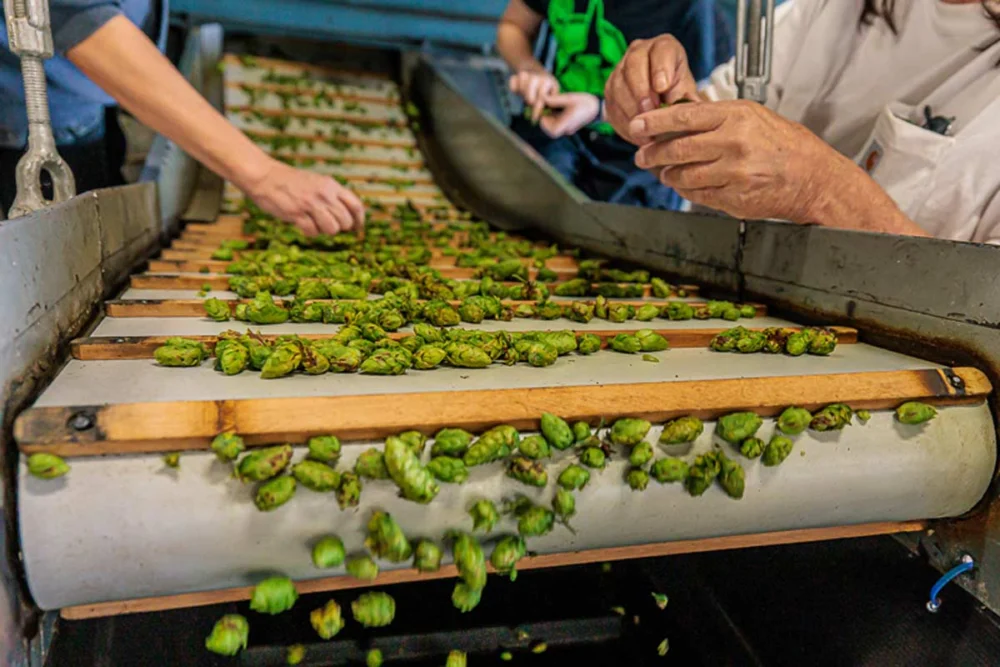
The perception of the American hop industry has long been tethered to the vast, arid landscapes of the Pacific Northwest, yet a quiet revolution has taken root along the 45th parallel in the Great Lakes State. While a casual observer—or even a seasoned brewer—might express surprise at the prominent role women play in managing Michigan’s hop yards, the reality is that female growers, researchers, and stewards are the primary architects of the state’s burgeoning reputation. Michigan currently ranks number one in the Great Lakes region and fourth nationally for total hop acreage, a feat achieved through a combination of unique glacial geography and a highly specialized labor force that remains largely unrecognized by the broader public.
The success of the Michigan hop industry is not merely a product of favorable soil; it is the result of a sophisticated network of greenhouse propagation, integrated pest management, and industrial-grade quality control. As the market faces new pressures from climate volatility and global supply chain contractions, the women behind the bines are shifting from the background to the forefront, defining a distinct "Michigan terroir" that distinguishes Midwestern hops from their Washington and Oregon counterparts.
The Geography of Growth: Why Michigan?
Hops (Humulus lupulus) are notoriously temperamental perennials. They require a specific photoperiod—long, sunny days during the growing season—to trigger flowering, followed by a period of vernalization, or cold dormancy, during the winter. This "sweet spot" is found almost exclusively between the 35th and 55th parallels. The 45th parallel, which bisects Northern Michigan, provides the ideal light cycles for the plants to reach heights of over 20 feet in a single season.
Beyond the climate, Michigan’s geological history provides a competitive advantage. The retreat of the glaciers approximately 10,000 years ago left behind well-drained, sandy loam soils. Hops require significant hydration but are susceptible to "wet feet"—root rot caused by standing water. The natural drainage of Michigan’s soil, particularly in the Leelanau and Old Mission Peninsulas and parts of West Michigan, creates a hospitable environment for the plants’ deep root systems.
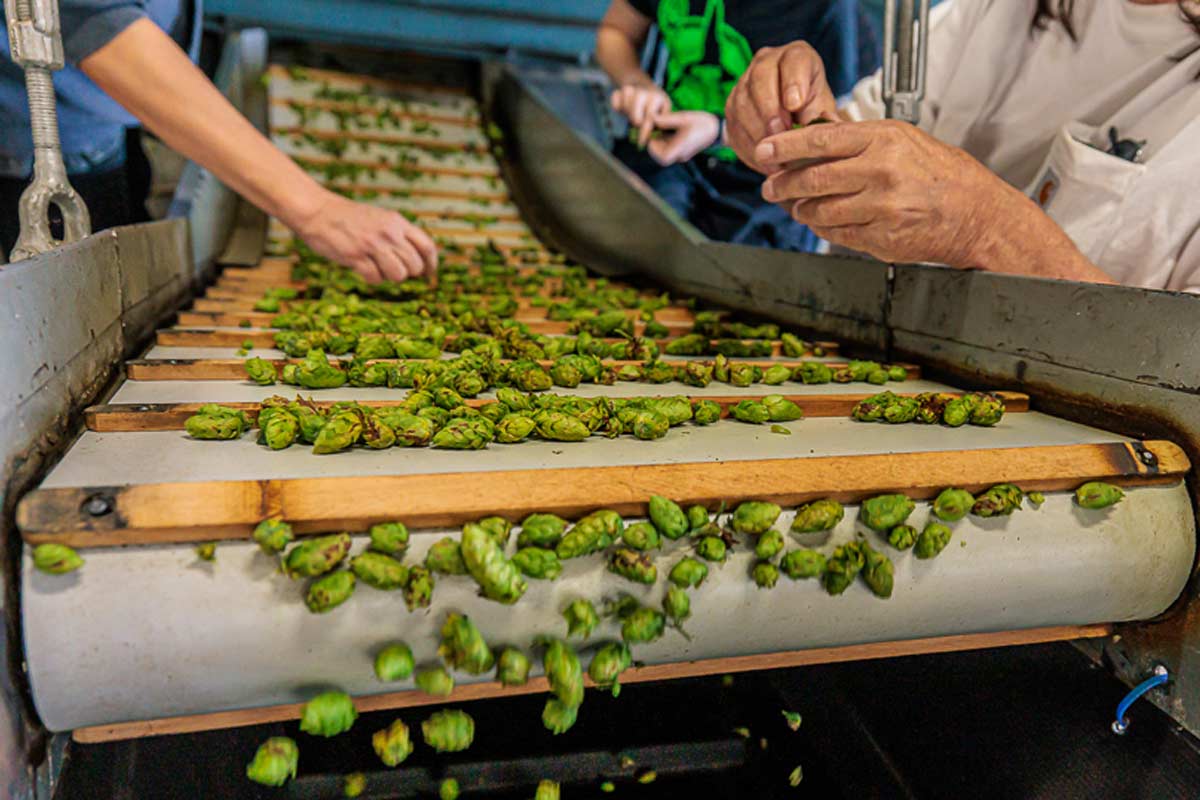
Unlike many agricultural crops that grow on vines using tendrils, hops grow on bines. These plants use stiff, downward-pointing hairs to wrap clockwise around support structures, such as coconut coir or paper twine. This biological distinction requires intensive manual labor, particularly during the "training" phase in early spring, where workers must hand-wrap the young shoots around the twine.
The Scientific Backbone: Research and Pest Management
The revitalization of the Michigan hop industry, which had largely vanished after the onset of Prohibition and the spread of downy mildew in the early 20th century, is inextricably linked to Michigan State University (MSU). At the center of this academic and practical support system is Erin Lizotte, MSU’s integrated pest management coordinator and senior statewide educator.
In an era of shifting climate patterns, Lizotte’s work has become a critical lifeline for growers. Hop plants are highly susceptible to various pathogens, including downy mildew, powdery mildew, and pests like two-spotted spider mites and potato leafhoppers. Lizotte and the MSU Extension team provide research-backed data that allows farmers to make informed decisions regarding chemical applications and biological controls.
The collaboration between the university and the field is a cornerstone of the state’s agricultural infrastructure. Growers frequently consult with Lizotte for real-time diagnostics, utilizing MSU’s Plant and Pest Diagnostics lab to identify emerging threats before they decimate a harvest. This scientific rigor has allowed Michigan to scale its production while maintaining the high quality required by craft brewers who demand specific alpha acid levels and essential oil profiles.
Propagation and the Clean Plant Protocol
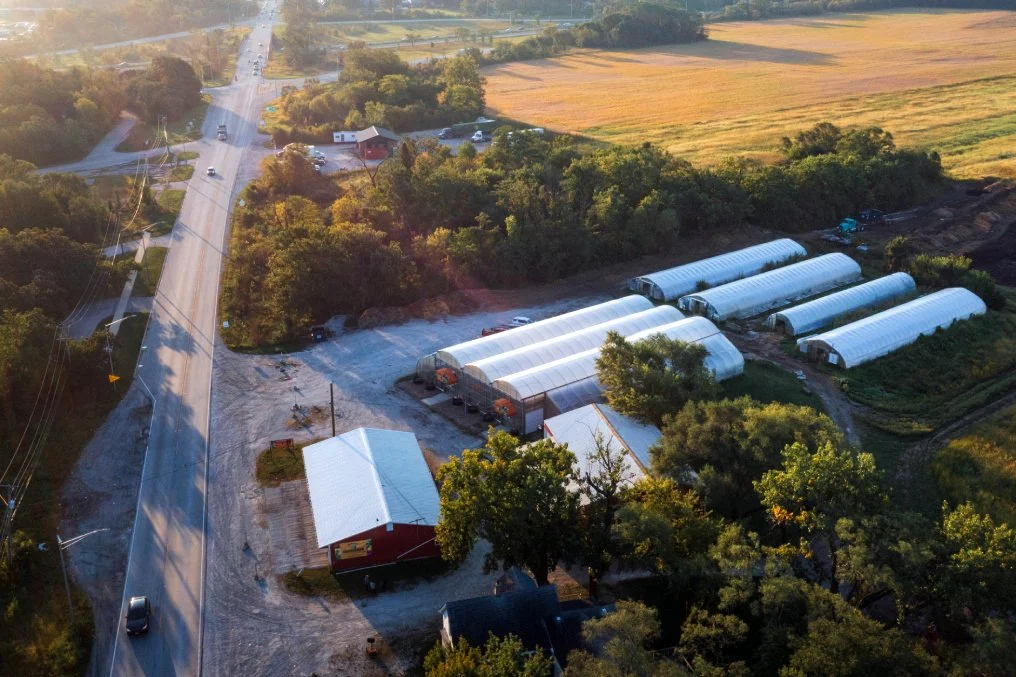
The industry’s resurgence can be traced back to approximately 2008, when the craft beer boom ignited a demand for local ingredients. Julie Kane, a veteran of the greenhouse industry with over two decades of experience, was instrumental in this transition. Working at Sandy Ridge Farms in Zeeland, Michigan, Kane became the state’s first major propagator of hop starter plants.
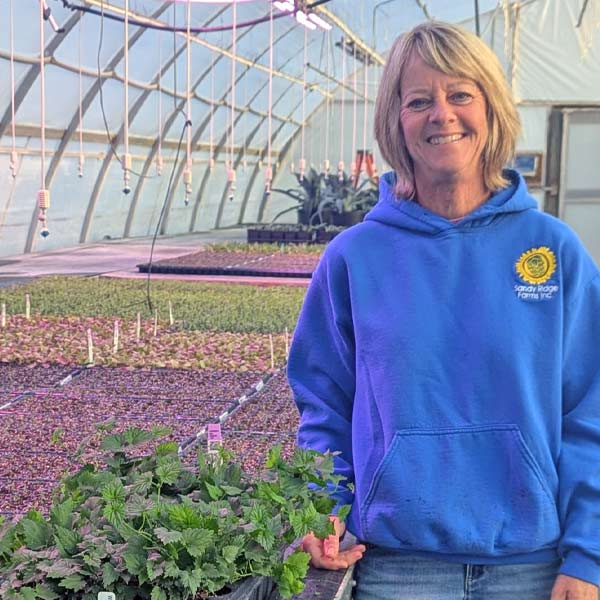
Kane’s contribution centers on the "Clean Plant" protocol. Because hops are propagated via rhizomes or cuttings rather than seeds, they are highly susceptible to systemic viruses and viroids that can be passed from mother plants to offspring. To combat this, Kane works with the National Clean Plant Network to ensure that all starter stock is virus-free. This involves strict sanitation of tools, preventative fungicide applications, and annual testing.
However, the work is increasingly challenged by environmental extremes. During recent summer heat waves, temperatures inside propagation greenhouses have exceeded 100 degrees Fahrenheit. Kane has had to implement advanced cooling strategies, including extra shade cloths and increased irrigation cycles, to preserve the delicate young plants. Her expertise has established a standard for the industry, ensuring that when a farmer invests in several acres of hops, they are starting with genetically sound, healthy stock.
Stewardship and Sensory Identity at Bell’s Brewery
As the plants move from the greenhouse to the yard, the focus shifts to stewardship and sensory analysis. At Bell’s Brewery in Comstock—one of the pioneers of the craft beer movement—Bonnie Steinman and Elizabeth Mullins manage a two-and-a-half-acre hop yard that serves as both a production site and an educational hub.
Steinman, a horticulturist and former co-founder of Hop Head Farms, emphasizes the emotional and sensory aspects of the harvest. Under the mentorship of industry veterans like John Mallett, Steinman developed a rigorous daily practice of "rubbing and smelling" the hop cones to track their development. This process is vital for determining the exact moment of peak maturity, when the lupulin glands are bursting with the resins and oils that provide beer with its bitterness and aroma.
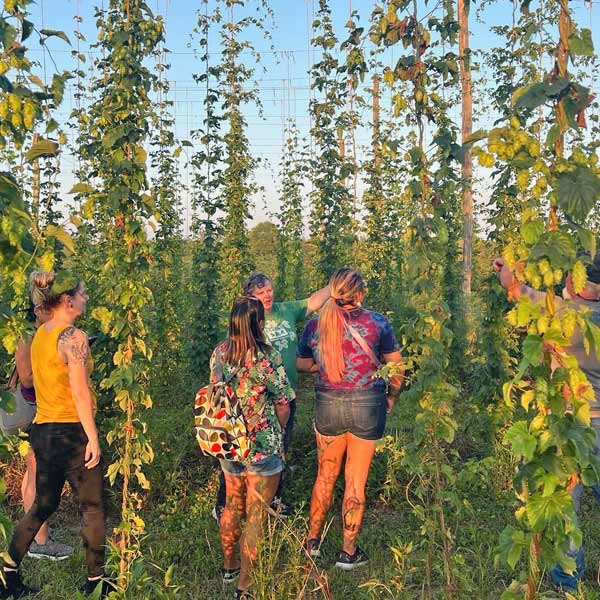
The Bell’s operation also highlights the broader environmental impact of hop farming. Steinman and Mullins have integrated the hop yard into a larger ecosystem that includes apple orchards, butterfly waystations, and employee gardens. One of their most notable innovations is "The Hideaway," a gathering space located directly beneath the towering hop bines. Inspired by the "TopWire" project in Oregon, this space allows visitors and industry professionals—including members of the Pink Boots Society—to experience the crop in its natural state, fostering a deeper connection between the raw ingredient and the final pint.
Engineering Quality: The Industrial Approach
The transition from a small-scale farm to a commercially viable operation requires more than just agricultural knowledge; it requires industrial precision. Mel Trowbridge of Top Hops Farm in Goodrich brought her 40-year career as an automotive engineer and quality control specialist to the field.
Trowbridge’s approach is defined by process-driven operations. On her farm, every task is standardized, and every workday concludes with a team debrief to analyze efficiency and identify areas for improvement. During the high-pressure harvest season, Trowbridge acts as an orchestrator, managing the logistics of the picking, drying, and baling processes.
The drying process is particularly critical. Freshly harvested hops have a moisture content of roughly 75% to 80% and must be dried down to 8% to 10% within hours to prevent spoilage. This requires massive kilns and precise airflow management. Trowbridge’s engineering background ensures that the farm’s output meets the rigorous specifications of commercial brewers, who require consistency across batches.
The Michigan Chinook: Defining a Regional Variety
A central goal of the Michigan hop industry is the establishment of a unique varietal identity. While varieties like Centennial and Cascade are grown globally, the "Michigan Chinook" has emerged as the state’s flagship hop.
According to industry experts, Chinook grown in Michigan’s glacial soil exhibits a different chemical profile than the same variety grown in the Pacific Northwest. While Western Chinook is often characterized by heavy pine and resinous notes, the Michigan-grown version is celebrated for its bright aromas of pineapple and citrus.
To promote this distinction, Rose Stahl of Mr. Wizard’s Hops has spent years organizing the "Chinook Cup." This annual competition, held during the Great Beer State Conference, allows growers to submit their best harvests for blind sensory evaluation by a panel of master brewers. This event has been instrumental in building "bragging rights" for Michigan growers and convincing brewers that regional hops offer a unique palette of flavors that cannot be replicated elsewhere.
Market Dynamics and Future Implications
Despite the technical successes of these women, the industry faces significant headwinds. The craft beer market, after years of explosive growth, has entered a period of maturation and contraction. This has led to a surplus of certain hop varieties and a downward pressure on prices, making it difficult for small and independent growers to compete with large-scale industrial farms.
Furthermore, the labor-intensive nature of hop farming—combined with the rising costs of specialized harvesting equipment—presents a high barrier to entry. Many women in the industry, such as Amy Tennis of the Michigan Hop Alliance, have historically balanced full-time off-farm employment with the grueling demands of the yard, handling everything from grant writing and bookkeeping to irrigation management.
However, the long-term outlook remains focused on quality and niche branding. Researchers like Nicole Shriner at MSU argue that Michigan’s path forward lies in carving out an identity that prioritizes "specialty" over "commodity." By leaning into the unique sensory profiles provided by the state’s geography and the expertise of its female leaders, Michigan is positioning itself as a premier source for brewers seeking transparency, sustainability, and distinctive flavor.
As the industry evolves, the role of women is moving from the "unseen" labor of the family farm to the visible leadership of the laboratory and the executive board. The story of Michigan hops is no longer just about the plants; it is about the specialized knowledge and resilience of the people who ensure those plants reach the glass. Through scientific rigor, engineering precision, and a commitment to land stewardship, these women are ensuring that when a consumer tastes a beer made with Michigan hops, they are tasting a product of world-class agricultural innovation.