admin
admin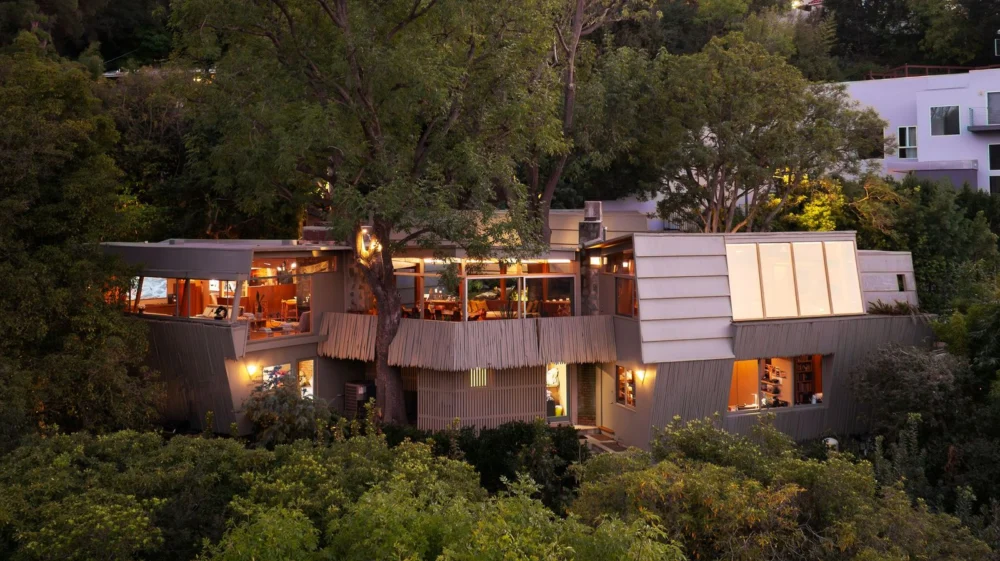
The architectural world is abuzz with the listing of the Kallis-Sharlin Residence, a pivotal work by renowned architect Rudolph M. Schindler, now available on the market for $6,995,000. Located at 3580 Multiview Drive in Los Angeles, California, this 1946 masterpiece offers a rare opportunity to acquire a significant piece of Southern California’s modernist heritage, embodying the architect’s groundbreaking vision for site-responsive design and integrated living. The property spans 3,549 square feet, featuring four bedrooms and three bathrooms, all nestled on a generous 0.39-acre lot that commands expansive views over the San Fernando Valley.
A Legacy of Innovation: Rudolph M. Schindler’s Vision
Rudolph Michael Schindler (1887–1953) stands as a towering figure in American modern architecture, particularly celebrated for his pioneering contributions to what became known as California Modernism. Born in Austria, Schindler’s architectural journey began with studies under Otto Wagner in Vienna, where he was exposed to progressive design philosophies that emphasized functionalism and a rejection of historical revivalism. His move to the United States in 1914 proved transformative, leading him to work with Frank Lloyd Wright, one of the most influential American architects of the 20th century. Schindler spent several years at Wright’s Taliesin studio and was instrumental in supervising the construction of key projects, including the iconic Hollyhock House in Los Angeles, a period that deeply influenced his understanding of organic architecture and the relationship between structure and site.
However, Schindler’s independent spirit and evolving architectural philosophy soon led him to forge his own path. By the early 1920s, he had established his practice in Los Angeles, initially sharing an office and a period of close collaboration with fellow Austrian émigré and modernist pioneer, Richard Neutra. While both architects contributed significantly to the development of modern architecture in California, Schindler’s work developed a distinct character, often referred to as "Space Architecture." His designs prioritized the experiential quality of space, seeking to create flexible, open, and light-filled environments that dissolved the traditional boundaries between indoors and outdoors. He was a master of working with modest materials like concrete and wood, transforming them into sophisticated and often dramatic compositions that responded directly to the unique topography and climate of Southern California. The Kallis-Sharlin Residence, completed in 1946, is a mature example of these principles, demonstrating Schindler’s mastery of site-specific design and his commitment to creating harmonious living spaces.
The Kallis-Sharlin Residence: An Embodiment of Site-Driven Modernism
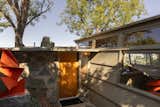
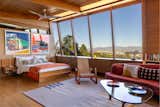
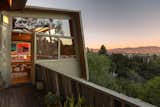
The Kallis-Sharlin Residence, originally commissioned by artist and film art director Mischa Kallis, is described by the listing agent as a "striking example of site-driven modernism." This characterization is central to understanding the home’s design philosophy. Perched dramatically on a steep hillside, the house is not merely placed on the landscape but intricately integrated into it. Schindler’s design follows the natural contours of the land, utilizing a series of layered volumes, terraces, and expansive walls of glass that seamlessly connect the interiors to the surrounding environment. This approach allows the home to maximize its privileged position, offering breathtaking, uninterrupted views across the San Fernando Valley, a vista that becomes an integral part of the living experience.
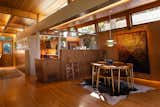
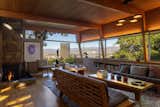
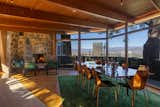
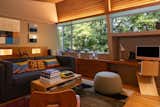
Inside, Schindler’s signature design language is immediately apparent. The interior spaces are characterized by "unconventional angles," which, far from being arbitrary, serve to articulate distinct zones within an open plan while maintaining a fluid sense of movement. Abundant natural light floods the home through strategically placed windows, including clerestory windows set beneath a distinctive butterfly roof. This architectural feature not only enhances the natural illumination but also creates a dynamic play of light and shadow throughout the day, emphasizing the volume and texture of the spaces. The "strong sense of flow between spaces" is achieved through careful planning and the integration of built-in furnishings, a hallmark of Schindler’s work, which often blurred the lines between architecture and furniture design.

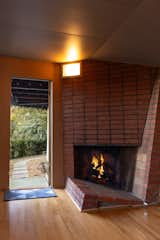
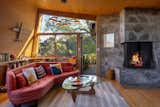
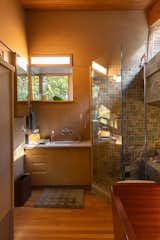
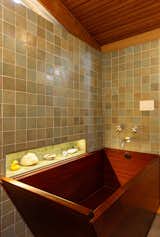
The material palette further underscores Schindler’s organic and tactile approach. The walls, flooring, and many of the bespoke built-in elements are crafted from rich mahogany and warm Douglas fir. These natural wood finishes lend an inherent warmth and textural depth to the interiors, creating a sophisticated yet inviting atmosphere that grounds the modernist aesthetic in natural beauty. The deliberate choice of these materials, often left exposed, highlights the craftsmanship and adds to the timeless quality of the design. Adding to the home’s unique character are four distinct fireplaces, each serving as a focal point within its respective space, contributing to the ambiance and functionality. In one of the three bathrooms, a solid mahogany soaking tub offers a luxurious and unique bathing experience, a testament to the home’s commitment to natural materials and bespoke detailing.
A Chronology of Architectural Significance
The history of the Kallis-Sharlin Residence is intertwined with the evolution of modern architecture in Los Angeles.
- 1914: Rudolph Schindler arrives in the United States, beginning his association with Frank Lloyd Wright.
- Early 1920s: Schindler establishes his independent practice in Los Angeles, pioneering a distinct form of California Modernism.
- 1946: The Kallis-Sharlin Residence is completed for Mischa Kallis, an artist and film art director, representing a mature expression of Schindler’s "Space Architecture" principles. The home immediately garners attention within architectural circles for its innovative design and sensitive integration with its hillside site.
- Mid-20th Century onwards: The residence, along with other Schindler works, contributes to Los Angeles’s growing reputation as a hub for experimental and modern architecture. It is recognized for its architectural integrity and its embodiment of mid-century design ideals.
- Decades of Preservation: The home has been meticulously preserved over the years, maintaining its original character and architectural details, a testament to the appreciation of its historical and artistic value by successive owners.
- Current Listing: In [Current Year], the Kallis-Sharlin Residence is brought to market, reigniting interest in Schindler’s legacy and offering a rare chance to own a celebrated architectural landmark.
This timeline underscores the enduring relevance of Schindler’s work and the careful stewardship that has allowed the Kallis-Sharlin Residence to remain a pristine example of his architectural vision.
The Market for Architectural Masterpieces in Los Angeles
The listing of the Kallis-Sharlin Residence at nearly $7 million arrives in a robust Los Angeles luxury real estate market, where architecturally significant properties command premium prices. Homes by celebrated modernist architects like Schindler, Frank Lloyd Wright, Richard Neutra, and John Lautner are not merely houses; they are considered collectible art, often attracting a specialized segment of buyers who prioritize design heritage and unique living experiences over conventional luxury amenities.
According to recent market analyses, the demand for mid-century modern homes in Los Angeles has seen a steady increase, driven by a renewed appreciation for their timeless aesthetics, indoor-outdoor flow, and often picturesque settings. While the broader real estate market can fluctuate, properties with verifiable architectural provenance tend to hold their value exceptionally well, often appreciating faster than generic luxury homes. Data from leading real estate firms specializing in historic properties indicate that such homes can fetch prices significantly above the per-square-foot average for their respective neighborhoods, reflecting their scarcity and cultural significance. The Kallis-Sharlin Residence, with its impeccable preservation and direct lineage to Schindler, is expected to attract considerable interest from both domestic and international buyers, including art collectors, design enthusiasts, and those seeking a unique trophy asset.
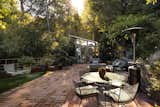
The 0.39-acre lot, a substantial size for a hillside property in Los Angeles, also adds to its appeal, providing ample space for outdoor living and recreation. The inclusion of a private bocce court, a swimming pool, and a jacuzzi enhances the property’s lifestyle offerings, harmonizing with Schindler’s emphasis on integrating leisure and nature into the domestic sphere. These amenities are not simply additions but extensions of the home’s overall design philosophy, intended to maximize enjoyment of the Southern California climate and views.
Expert Perspectives and Broader Implications
"The Kallis-Sharlin Residence represents a pinnacle of Schindler’s post-war work, demonstrating his continued evolution in adapting modernist principles to the challenging topography of Los Angeles," states Dr. Eleanor Vance, a leading architectural historian specializing in 20th-century American design. "Its dramatic siting, innovative use of materials, and seamless integration of interior and exterior spaces are hallmarks of his genius. Owning such a home is not just about acquiring real estate; it’s about becoming a custodian of architectural history."
Real estate professionals marketing such properties often emphasize this narrative. "This isn’t just a house; it’s a living sculpture, a testament to a visionary architect," remarks a spokesperson for the listing agency. "The buyer will be someone who understands and appreciates the profound artistic and historical value, someone who seeks a home that tells a story and offers an unparalleled connection to its environment." This inferred statement highlights the specialized marketing approach required for such properties, focusing on cultural cachet rather than merely square footage or bedroom count.
The sale of the Kallis-Sharlin Residence carries broader implications for architectural preservation in Los Angeles. As the city continues to develop, the fate of its modernist treasures often comes into question. Each sale of a well-preserved landmark reinforces the economic and cultural value of these structures, encouraging future owners to maintain their integrity rather than embarking on insensitive renovations. It also serves as a reminder of Los Angeles’s rich architectural tapestry, a city that became a crucible for experimental design in the 20th century. The ongoing interest and premium pricing for homes like the Kallis-Sharlin Residence underscore a growing societal recognition that these buildings are not merely shelter but vital components of our cultural heritage, deserving of careful stewardship and continued appreciation. For the discerning buyer, it is indeed a "rare opportunity to own a significant and celebrated piece of Los Angeles design history," promising not just a residence, but an immersive experience in the art of living.