admin
admin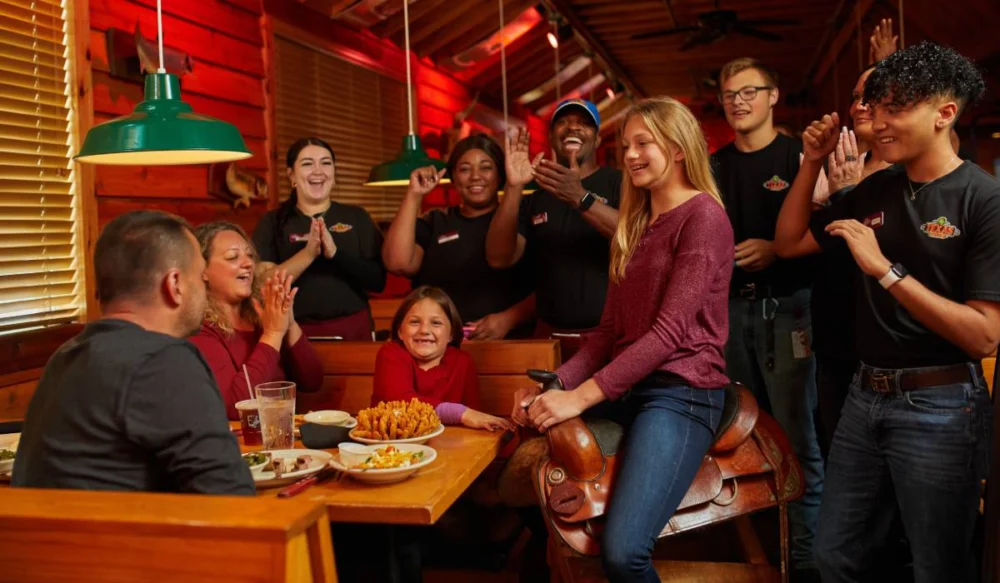
The modern restaurant landscape is currently defined by a stark paradox: while operators are generating more data than ever before, the vast majority remain unable to utilize it effectively. According to recent findings from the National Restaurant Association, only 13 percent of restaurant operators believe their establishments are on the leading edge of technology compared to their industry peers. This digital divide has created a significant performance gap between legacy-reliant brands and those leveraging integrated technology to refine guest experiences and streamline back-of-house operations. As economic pressures mount and consumer spending habits shift toward value and speed, the ability to transform raw data into strategic decisions has moved from a luxury to a fundamental requirement for survival.
The Evolution of the Data-Driven Dining Experience
Historically, the gathering of guest feedback and operational data was a slow, manual process. In the late 20th century and early 2000s, restaurant managers relied on paper comment cards or anecdotal evidence from servers to gauge customer satisfaction. The introduction of Point of Sale (POS) systems in the 1980s and 1990s revolutionized inventory and sales tracking, but these systems often functioned as "black boxes"—storing information without providing a means to interpret it in real time.
The 2010s marked the first major shift toward tabletop integration, with early adopters testing tablets primarily for payment processing. However, the COVID-19 pandemic acted as a catalyst for a more profound digital transformation. During the recovery period, labor shortages and the need for contactless interactions pushed technology to the forefront. Today, the industry has entered a third phase: the era of "intelligent dining," where every tabletop interaction serves as a data point for a broader analytical ecosystem.
Addressing the Blind Spot of Legacy Systems
One of the primary hurdles facing the hospitality sector is the prevalence of fragmented data. Most restaurant operators find themselves "swimming in data," yet much of this information remains siloed within disparate platforms. A typical mid-sized restaurant might use one system for labor management, another for inventory, a third for online orders, and a fourth for the physical POS.
Because these legacy systems often fail to communicate, operators struggle to gain a holistic view of the guest journey. This "blind spot" is particularly detrimental in the current economic climate. With inflation affecting food costs and labor expenses rising, the margin for error is razor-thin. When data remains locked away, operators cannot see the direct correlation between a specific menu change and guest sentiment, or how table turn times are being impacted by specific staffing levels.
To gain a competitive advantage, the industry is seeing a pivot toward systems that offer seamless collection and delivery of insights. By connecting front-of-house interactions directly to back-of-house analytics, restaurants are turning information into a strategic asset rather than a storage burden.
The Shift in Consumer Preference: Tablets over QR Codes
While the immediate post-pandemic era saw a surge in the use of QR codes for menus and payments, consumer sentiment has shifted back toward more robust, dedicated hardware. Data from the National Restaurant Association indicates that a majority of adults feel that technology’s greatest impact on table service is its ability to make the payment process faster and easier.
Interestingly, the preference for hardware over personal mobile devices is significant. Research shows that 65 percent of adults prefer using tabletop tablets over smartphones or QR codes when interacting with a restaurant’s digital interface. This preference is often attributed to the reliability of the hardware and the specialized user interface of tablets, which are designed specifically for the dining environment, unlike generic web browsers on a mobile phone.
Major brands have already capitalized on this trend. Outback Steakhouse, for instance, has reported that 80 percent of its customers choose to pay at the table when a tablet is provided. This high adoption rate suggests that guests value the autonomy and security of handling their own transactions without having to wait for a server to return with a credit card receipt.
Quantifying the Impact of Real-Time Feedback
One of the most transformative aspects of modern tabletop technology is the volume and speed of guest feedback. Traditional feedback methods—such as post-visit email surveys or website links printed on receipts—typically yield only 30 to 40 responses per month for a single location. In contrast, restaurants utilizing integrated tabletop platforms like Ziosk report collecting feedback from up to 45 percent of all guests. This equates to over 1,500 responses per location per month.
The implications of this data volume are profound. Rather than waiting weeks to identify a trend or a problem with a new menu item, operators can now access actionable insights within approximately 72 hours. This rapid feedback loop allows for "micro-adjustments" in operations. For example, if data shows that a new appetizer is consistently receiving lower scores for "value" but high scores for "taste" within the first three days of its launch, a brand can immediately adjust the portion size or price point before the item impacts the monthly bottom line.
The Gen Z Demographic and the Customization Mandate
The urgency for data-driven personalization is further driven by the rising influence of Gen Z. Comprising over 20 percent of the current U.S. population, this demographic has distinct dining expectations. According to a Piper Sandler survey, Gen Z leads the demand for customization, unique menu options, and seamless digital integration.
For this generation, the "one-size-fits-all" approach to hospitality is increasingly obsolete. They expect restaurants to remember their preferences and offer suggestions based on their previous behavior. Tabletop tablets facilitate this by tracking ordering habits and visit frequency, allowing brands to deliver dynamic content in real time. If a regular guest who frequently orders plant-based items sits down, the system can highlight new vegetarian specials or offer a personalized loyalty reward, directly influencing purchase behavior at the point of decision.
Operational Efficiency and the Human Connection
A common concern among traditionalists in the hospitality industry is that increased technology will erode the "human touch" that defines the dining experience. However, industry analysts and technology leaders argue that the opposite is true. When technology handles the administrative tasks—such as processing payments, taking re-orders for drinks, or running surveys—it frees up servers to focus on higher-value interactions.
By leveraging data to optimize staffing levels and increase table turns, operators can ensure that their staff is not overwhelmed during peak hours. Furthermore, real-time feedback allows managers to intervene immediately if a guest reports a sub-par experience through the tablet. Instead of reading a negative review on Yelp three days later, a manager can address the issue at the table, potentially turning a dissatisfied customer into a loyal one.
Rhonda Levene, CEO of Ziosk and a veteran of the beverage and hospitality industry with experience at Coca-Cola and PepsiCo, emphasizes that the goal of technology is not to replace hospitality but to enhance it. Under her leadership, the focus has shifted toward creating platforms that strike a balance between innovation and human connection. The integration of technology allows for a "frictionless" experience that aligns with the modern consumer’s pace of life while maintaining the essential elements of service.
Broader Industry Implications and Future Outlook
The successful integration of dining data has broader implications for the supply chain and corporate strategy. When large-scale brands like Chili’s and Texas Roadhouse capture guest preferences and purchase patterns directly from the table, they gain a level of market intelligence that was previously unattainable. This data can inform everything from national marketing campaigns to long-term R&D for new product lines.
The ability to test and iterate in real time reduces the financial risk associated with innovation. In an industry where 60 percent of new restaurants fail within their first year and 80 percent fail within five years, the margin of safety provided by actionable data cannot be overstated.
As we look toward the future, the "leading edge" of the industry will likely be defined by those who move beyond simple data collection and into the realm of predictive analytics. The next generation of restaurant technology will likely use AI to predict staffing needs before a shift begins or suggest menu changes based on local event schedules and weather patterns, all informed by the massive datasets currently being built through tabletop interactions.
Conclusion: The Strategic Necessity of Technology Investment
The transition from traditional dining to a data-informed model is no longer optional. The evidence suggests that operators who invest in technology capable of seamless data collection and delivery will lead the market in both guest satisfaction and operational profitability.
By transforming dining touchpoints into intelligent data-gathering opportunities, restaurants can finally unlock the full potential of their information. The path forward requires a dual focus: investing in the right hardware and software, and training teams to leverage those insights for daily improvement. Those who master this balance will be well-positioned to deliver the seamless, personalized experiences that the modern guest demands, ensuring long-term loyalty in an increasingly crowded and competitive marketplace.