admin
admin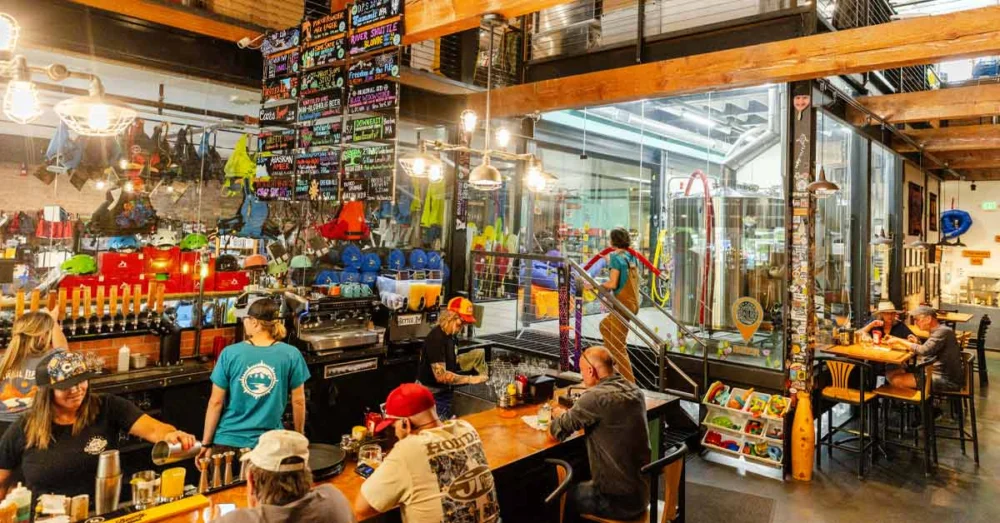
The city of Grand Junction, Colorado, situated at the confluence of the Colorado and Gunnison Rivers, is currently undergoing a significant transformation as it positions itself as a primary alternative to the state’s more crowded tourist hubs. While iconic destinations such as the Grand Canyon in Arizona or Arches and Zion National Parks in Utah continue to see record-breaking foot traffic, the Colorado National Monument in Grand Junction offers a comparable level of geological splendor with a fraction of the congestion. This lack of crowding is mirrored in the city’s burgeoning craft beer scene, which has begun to rival the established brewing centers of Denver and Fort Collins. Industry experts and local entrepreneurs suggest that the convergence of world-class outdoor recreation and a high density of independent breweries has created a unique "adventure-tourism" ecosystem that is increasingly drawing the attention of domestic travelers.
The Geographic and Historical Context of the Grand Valley
Grand Junction derives its name from the historical "Grand River," which was renamed the Colorado River in 1921. The city serves as the hub of the Grand Valley, a region defined by its diverse and extreme topographical features. To the west lies the Colorado National Monument, a landscape of red rock canyons, towering monoliths, and pinyon-juniper forests. To the east is the Grand Mesa, recognized as the largest flat-top mountain in the world, encompassing over 500 square miles and rising to an elevation of more than 10,000 feet. To the north, the Book Cliffs provide a stark, high-desert backdrop that completes a trifecta of distinct geological formations.
This unique geography has historically supported agriculture, particularly the famous Palisade peaches and a thriving wine industry. However, in the last decade, the economic focus has shifted toward outdoor recreation—specifically mountain biking, hiking, and river sports—and the ancillary industries that support them. The development of the craft beer scene in Grand Junction is intrinsically linked to this outdoor identity, with many establishments strategically located near trailheads or integrated with outdoor gear retailers.
A Chronological Evolution of the Grand Junction Brewing Scene
The foundation of the local beer industry was laid in 1994 with the opening of The Rockslide Brew Pub. As the "original" craft brewery in the city, Rockslide established the viability of the brewpub model in the Western Slope region. For nearly two decades, the scene remained relatively small, serving a primarily local demographic.
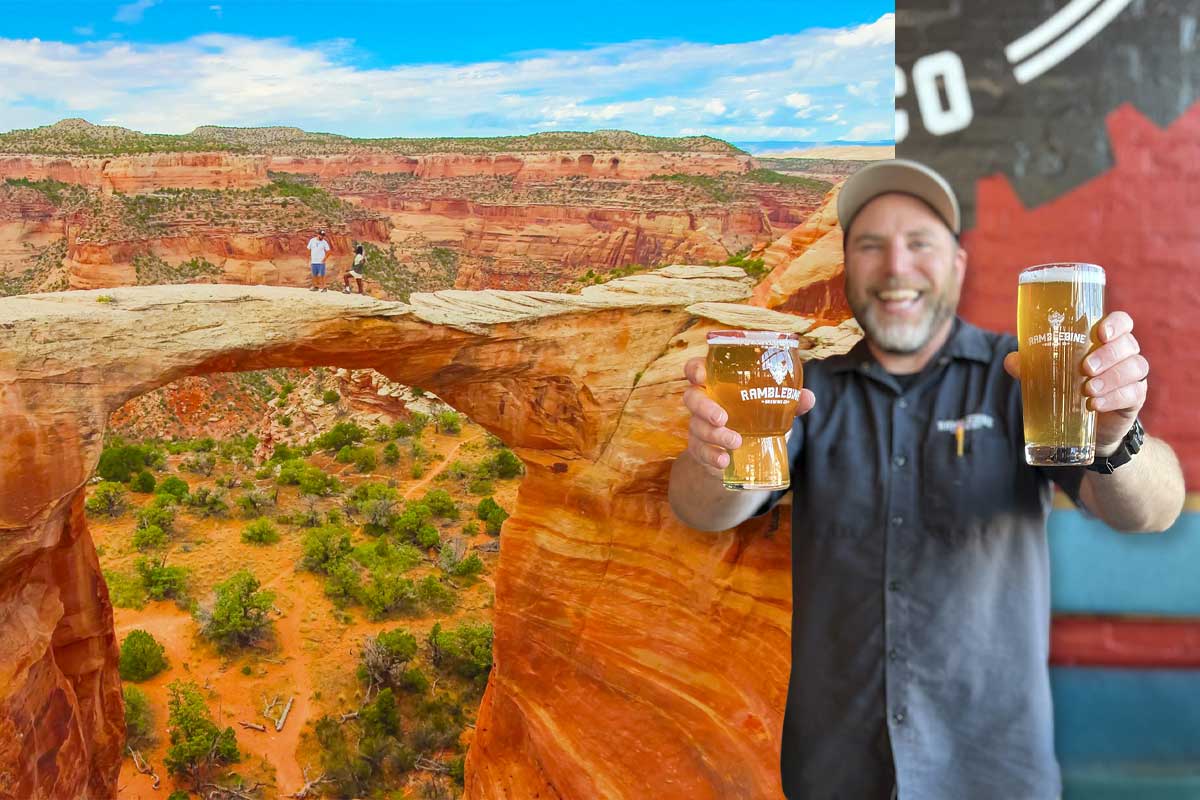
The modern era of Grand Junction brewing began to accelerate in the mid-2010s and saw a significant surge despite the global challenges of the early 2020s. Ramblebine Brewing, which opened its doors in 2020, marked a turning point toward more experimental and diverse brewing styles. Founded by Eli Gerson and Rob James, Ramblebine introduced the community to sophisticated fermentation techniques, including the use of Kveik yeast strains. Their flagship, "God Hammer," a Norwegian red ale, signaled a departure from traditional pub staples toward a more "connoisseur-focused" portfolio.
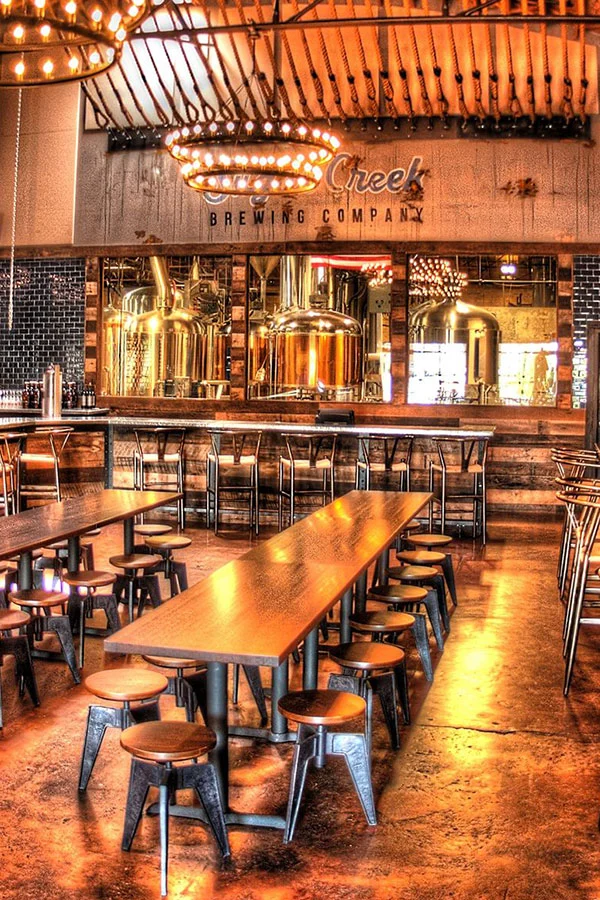
Following this momentum, the industry saw the rise of specialized taprooms like Trail Life Brewing and Handlebar Tap House. These establishments capitalized on the city’s reputation as a mountain biking mecca. Trail Life Brewing took the innovative step of attaching its taproom directly to a mountain bike shop, creating a seamless transition from the trails to the tasting room. This model has since become a hallmark of the Grand Junction experience, where the "post-ride beer" is an essential part of the local culture.
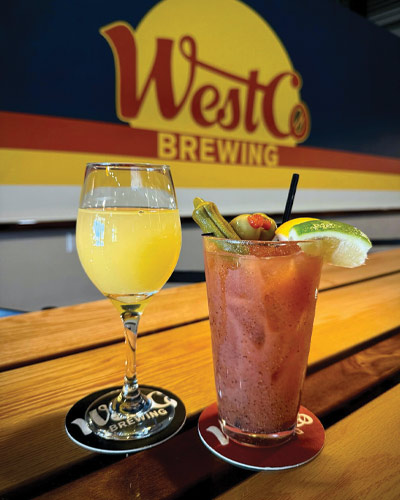
The most recent addition to the landscape is WestCo Brewing, a project spearheaded by industry veterans Adam Kinsey and head brewer Danny Wilson. Located near the Amphitheater at Las Colonias Park, WestCo represents the latest phase of development: the brewery as a community gathering space and culinary destination. By blending high-quality brewing with a sophisticated menu—featuring items like Japanese chicken curry poutine and Colorado elk sloppy joes—WestCo exemplifies the maturation of the local scene from simple taprooms to full-scale hospitality hubs.
Analyzing the Economic and Cultural Impact
According to data from the Brewers Association, the non-profit trade group representing small and independent U.S. craft brewers, the craft brewing industry contributed over $62 billion to the U.S. economy in recent years. In Colorado, the industry is a vital economic driver, with the state consistently ranking in the top five nationally for the number of breweries per capita.
In Grand Junction, the growth of the beer scene provides several key economic benefits:
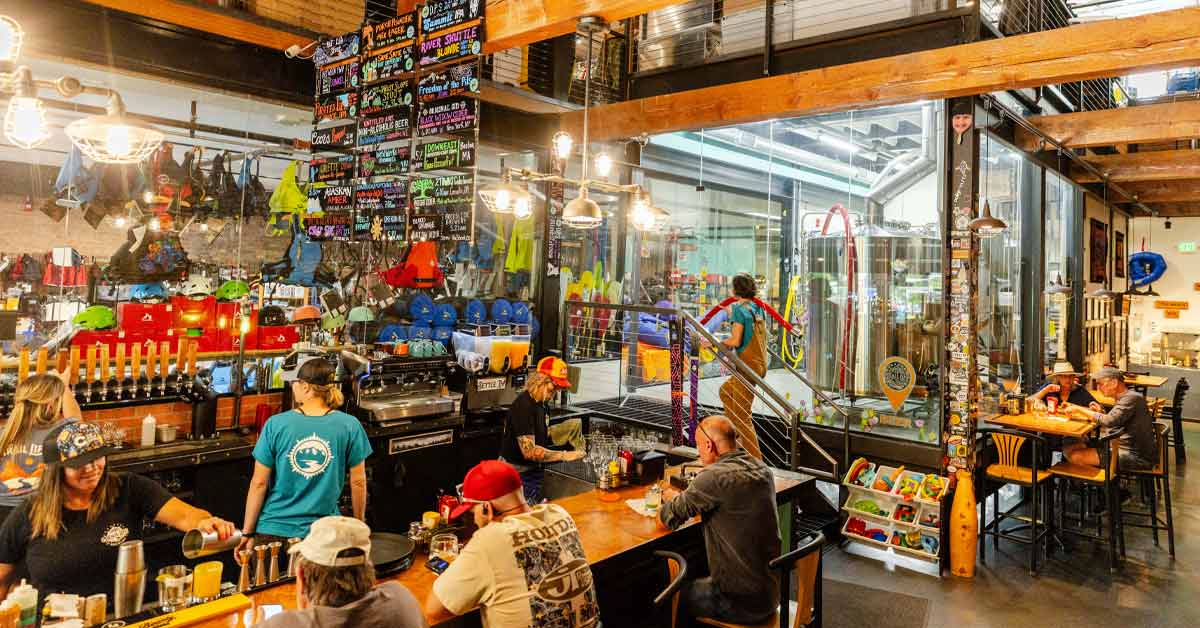
- Tourism Diversification: By offering a "beer-and-adventure" package, the city attracts a demographic of high-spending travelers who stay longer than those just passing through to the national parks.
- Job Creation: The expansion from small tasting rooms to full-service kitchens, such as those at WestCo and Trail Life, has increased the demand for skilled hospitality and culinary labor.
- Community Revitalization: Many of these breweries are located in repurposed industrial or historic spaces, contributing to the urban renewal of the downtown and riverfront districts.
Adam Kinsey, a central figure in the local scene, notes that the lack of "over-tourism" is currently Grand Junction’s greatest asset. "People tend to head straight for the Grand Canyon or Arches," Kinsey observed. "The canyon here boasts a serenity you simply won’t find at the Grand Canyon. Similarly, beer-driven tourists flock to Denver, leaving Grand Junction virtually untouched." This sentiment suggests a "first-mover advantage" for visitors who discover the scene before it reaches the saturation levels seen on the Front Range.
Technical Profiles of Key Local Establishments
To understand the depth of the Grand Junction scene, one must look at the specific brewing philosophies of its leading participants:
- Ramblebine Brewing: Known for its technical precision, Ramblebine manages a rotating tap list that balances traditional European styles with modern American trends. Their portfolio includes West Coast IPAs, hazy New England styles, and tart fruit sours. The inclusion of a Norwegian red ale as a flagship demonstrates a commitment to educating the consumer on historical and international styles.
- Trail Life Brewing: This establishment focuses on "crushable" or high-drinkability styles suited for active individuals. Their Mexican-style lager and blonde ales are staples for the cycling community. However, they also maintain complexity through offerings like the Pirates Life Black IPA, a style that requires a delicate balance of roasted malts and citrusy hops.
- Base Camp Beer Works: Base Camp is recognized for its creative adjuncts and seasonal rotations. Their willingness to experiment with ingredients like pineapple, pistachio, cranberry, and orange has carved out a niche for adventurous drinkers seeking flavors beyond the standard hop-forward profiles.
- Gemini Beer Company: Gemini functions as both a producer and a curator, serving its own pale ales alongside guest taps from other local breweries. This collaborative approach highlights the lack of cutthroat competition in the region, with owners often viewing their neighbors as partners in building a destination rather than rivals for market share.
Supporting Data and Tourism Statistics
Recent tourism reports from the Grand Junction Visitor and Convention Bureau indicate a steady increase in "active leisure" travelers. While specific numbers for "beer tourists" are still being aggregated, the correlation between trail usage at the Colorado National Monument and evening foot traffic in the downtown brewery district is statistically significant.
Furthermore, the National Park Service reports that the Colorado National Monument receives approximately 400,000 to 500,000 visitors annually. While substantial, this is less than 10% of the visitation seen at the Grand Canyon, which often exceeds 5 million. This disparity highlights the "underrated" status of the region, providing a high-quality experience without the logistical hurdles of reservation systems and overcrowded overlooks.
Broader Implications for the Western Slope
The success of Grand Junction’s beer and outdoor industry has broader implications for the Western Slope of Colorado. It serves as a blueprint for how mid-sized mountain cities can leverage natural assets to build a sustainable year-round economy. Unlike ski-resort towns that may struggle during the "shoulder seasons," Grand Junction’s lower elevation and high-desert climate allow for mountain biking and hiking nearly ten months out of the year.
As the "beer-driven tourist" demographic continues to seek out authentic, less-commercialized experiences, Grand Junction is poised to move from a "hidden gem" to a primary destination. The synergy between the city’s breweries and its natural wonders—the red rocks, the flat-top mountains, and the river confluences—creates a compelling narrative for the modern traveler.
In conclusion, the evolution of Grand Junction from a quiet river junction to a vibrant hub of craft beer and adventure is a testament to the power of community-focused entrepreneurship. For the enthusiast, the city offers an "embarrassment of riches" that remains, for now, a tranquil alternative to the frenetic pace of mainstream tourism. As the local scene continues to innovate and expand, the window for experiencing this "untouched" version of Colorado may be narrowing, making the present an ideal time for discovery.