admin
admin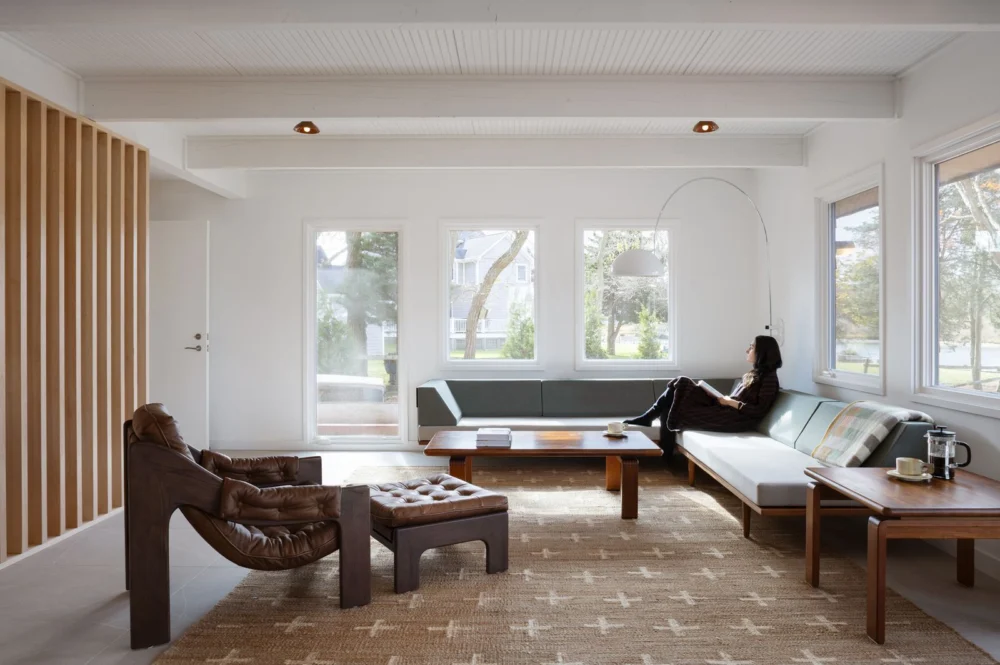
Chris Wershoven, a Brooklyn resident, has meticulously preserved a tapestry of cherished memories woven into the fabric of his late uncle’s home on the North Fork of Long Island. This distinctive property, a modest yet striking modernist boxy cedar-clad house, was constructed in 1971 and stands as a testament to an era of design and family connection. Among Wershoven’s most enduring recollections are the boisterous family get-togethers that filled the home with laughter, the tranquil hours spent fishing in the creek adjacent to the backyard, and the exhilarating boat rides that carried them through the calm waters to the vast expanse of the Great Peconic Bay just beyond. In 2019, after his uncle’s passing led to the house being placed on the market, Chris and his wife, Erika, made the pivotal decision to purchase the property. Their motivation was clear and deeply personal: to ensure their own children could experience and create some of the same profound joys and indelible memories that had shaped Wershoven’s formative years. This acquisition represents more than just a real estate transaction; it signifies a conscious effort to uphold a family legacy, preserve a unique architectural footprint, and offer a sanctuary for future generations to connect with nature and tradition on Long Island’s scenic North Fork.
A Modernist Jewel: The Architectural Significance of a 1971 North Fork Home
The house, built in 1971, is a prime example of the regional modernist architectural style that gained traction in coastal and rural areas of the United States during the mid to late 20th century. Characterized by its "boxy cedar-clad" exterior, the design speaks to a preference for clean lines, functional layouts, and a harmonious integration with the natural landscape. Architects of this period often prioritized natural materials, expansive windows to maximize light and views, and an open-plan living concept that fostered a sense of community within the home. Cedar, a durable and aesthetically pleasing wood, was a popular choice for cladding due to its resistance to decay, its natural insulation properties, and the way its rich, warm tones could soften the often-austere geometry of modernist structures.
The term "modest" in its description is particularly telling, reflecting a departure from the more ostentatious architectural trends that would emerge later. In 1971, the North Fork was still largely agricultural and maritime, distinct from the nascent luxury market developing on the South Fork (the Hamptons). Homes built during this period often emphasized practicality, connection to the environment, and a relaxed, unpretentious lifestyle. This particular design, with its "boxy" form, would have stood in subtle contrast to more traditional colonial or Victorian styles prevalent in the region, offering a fresh, contemporary aesthetic that valued simplicity and efficient use of space. The Wershoven family’s commitment to this home implicitly acknowledges the enduring value of such thoughtful, era-specific design, potentially setting an example for the preservation of similar structures that might otherwise be overlooked in a rapidly developing real estate market.
The North Fork’s Enduring Appeal: A Sanctuary of Natural Beauty and Community
The geographical context of the North Fork of Long Island is integral to understanding the appeal of the Wershovens’ acquisition. Known for its sprawling vineyards, charming agricultural landscapes, historic villages, and extensive coastline, the North Fork offers a distinctly different ambiance than its more bustling southern counterpart. It has historically attracted those seeking a quieter, more authentic Long Island experience, rich in natural beauty and community spirit. The specific location of the Wershoven home, adjacent to a creek that flows into the Great Peconic Bay, underscores this connection to the natural environment.
The Great Peconic Bay, part of the larger Peconic Estuary system, is an ecologically significant body of water. It is renowned for its diverse marine life, serving as a vital habitat for various fish species, shellfish, and migratory birds. Fishing in these waters, as Wershoven fondly recalls, is not merely a recreational activity but a deep engagement with the region’s ecological pulse. The bay’s calm waters also provide ideal conditions for boating, offering access to numerous coves, beaches, and the open Atlantic beyond. This direct access to such a vibrant natural ecosystem is a diminishing luxury, particularly in increasingly developed coastal regions. For families like the Wershovens, the opportunity to instill an appreciation for nature and outdoor activities in their children, away from the urban density of Brooklyn, is a powerful draw. The North Fork’s blend of rural charm, coastal access, and a strong sense of community continues to make it a highly desirable location for those seeking a retreat that balances tranquility with opportunities for recreation and connection.
A Timeline of Legacy: From Construction to Contemporary Stewardship
The journey of the Wershoven family home can be traced through several key chronological markers, each contributing to its rich narrative:
- 1971: Construction of the Modernist Home: The house is built, reflecting the architectural trends of its time. Its design is a product of post-war American modernism, emphasizing clean lines, functionalism, and natural materials like cedar. This period saw a rise in second homes and vacation properties on Long Island, as urban dwellers sought escapes to nature.
- 1970s – 2010s: A Hub for Family Gatherings: Throughout Chris Wershoven’s childhood and into his adult life, the home served as a focal point for extended family activities. These decades cemented its role as a repository of memories, from lively holiday celebrations to quiet moments of fishing and boating. The consistent use of the property by the family highlights its intrinsic value beyond mere real estate.
- Circa 2018-2019: The Uncle’s Passing and Property Listing: The passing of Chris Wershoven’s uncle marks a turning point for the property. As is common in such circumstances, the house was subsequently put up for sale, initiating a period of uncertainty regarding its future and whether its unique character and family legacy would be preserved.
- 2019: Chris and Erika Wershoven Acquire the Property: Driven by a powerful desire to preserve their family heritage and offer their children similar formative experiences, Chris and Erika Wershoven successfully purchase the home. This acquisition ensures the property remains within the family, safeguarding its historical context and architectural integrity. This decision was made against a backdrop of an evolving real estate market on the North Fork, which by 2019 was experiencing renewed interest from buyers seeking refuge and investment.
- 2019 Onwards: A New Chapter of Family Life and Stewardship: With the Wershovens’ ownership, the house enters a new phase. It is poised to once again become a vibrant center for family life, continuing the traditions of gatherings, outdoor activities, and connection to the natural environment for a new generation. Their stewardship also implies a commitment to maintaining the home’s distinctive character, likely through sensitive updates that honor its original design while adapting it for contemporary family needs.
This timeline illustrates a powerful narrative of continuity, demonstrating how a singular architectural creation became entwined with a family’s history, eventually leading to a conscious act of preservation for future generations.
The 2019 Long Island Real Estate Market: Contextualizing the Purchase
The Wershovens’ decision to purchase the North Fork property in 2019 occurred during a dynamic period in the Long Island real estate market, particularly for second homes and vacation properties. Prior to the unprecedented market shifts of the pandemic era, 2019 saw steady demand, especially in desirable coastal regions like the North Fork. While prices in the Hamptons (South Fork) had reached stratospheric levels, the North Fork offered a comparatively more accessible entry point for buyers seeking waterfront access, larger plots, and a less commercialized atmosphere.
According to data from local real estate analytics firms, the median home price on the North Fork saw modest but consistent appreciation in the years leading up to 2019. Inventory, particularly for unique properties like modernist homes from the early 1970s, was often limited, creating a competitive environment for discerning buyers. Real estate experts observed a growing trend of "legacy purchases," where families actively sought to acquire properties with deep personal connections, sometimes even at a premium, to maintain generational ties to a specific location or homestead. This trend was fueled by a desire for stability, rootedness, and the preservation of personal history in an increasingly transient world.
Erika Wershoven, reflecting on the purchase, might have articulated the practical considerations: "While the emotional connection was paramount, we also recognized the intrinsic value of a well-maintained, architecturally significant home in such a sought-after location. The North Fork’s unique blend of agricultural charm and coastal beauty presented an ideal environment for our children to grow up experiencing nature." Their acquisition in 2019 can be seen as an early indicator of a broader shift in buyer priorities, moving beyond mere investment towards lifestyle enrichment, emotional fulfillment, and the desire to create enduring family havens. The market value of such properties is not solely determined by square footage or amenities, but increasingly by their story, their location, and their potential to foster meaningful experiences.
Broader Implications: Architectural Preservation, Family Legacy, and Sustainable Living
The Wershovens’ acquisition carries several significant implications that extend beyond their immediate family. Firstly, it underscores the growing importance of architectural preservation, particularly for mid-century modernist homes. Many structures from the 1960s and 70s, often deemed "dated" by some, are increasingly recognized by historians and enthusiasts for their innovative design, material integrity, and historical context. By preserving this cedar-clad house, the Wershovens contribute to maintaining the architectural diversity of the North Fork, offering a counterpoint to newer, often larger, constructions that might erase the region’s past. Their commitment may inspire others to value and protect similar heritage properties.
Secondly, the narrative highlights the profound value of family legacy and intergenerational connection. In an era marked by increasing mobility and digital interaction, the tangible act of inheriting or re-acquiring a family homestead offers a powerful anchor. It provides a physical space where shared memories reside and new ones can be forged, fostering a sense of identity and belonging for future generations. Chris Wershoven’s explicit desire for his children to experience "some of the same joys" speaks to a universal human need to pass down traditions, values, and a connection to place. This purchase is an investment not just in real estate, but in the continuity of family narrative.
Finally, the decision to leave urban life in Brooklyn (at least partially) for the North Fork retreat reflects a broader societal trend towards sustainable living and a renewed connection to nature. As urban environments become more dense and demanding, many families seek out more serene and natural settings for their children’s development. The opportunities for fishing, boating, and simply being outdoors, away from screens and city stressors, are invaluable. This choice aligns with a growing emphasis on well-being, environmental awareness, and a desire for a balanced lifestyle that prioritizes direct experience over manufactured entertainment.
The Wershovens’ story, therefore, is not merely a personal anecdote but a microcosm of larger cultural shifts. It speaks to the enduring allure of the North Fork, the timeless appeal of well-designed architecture, and the fundamental human drive to create and preserve spaces where family, history, and nature converge. As the cedar-clad house embarks on its next chapter, it stands as a quiet monument to continuity, promising a future rich with the same simple, profound joys that defined its past.