admin
admin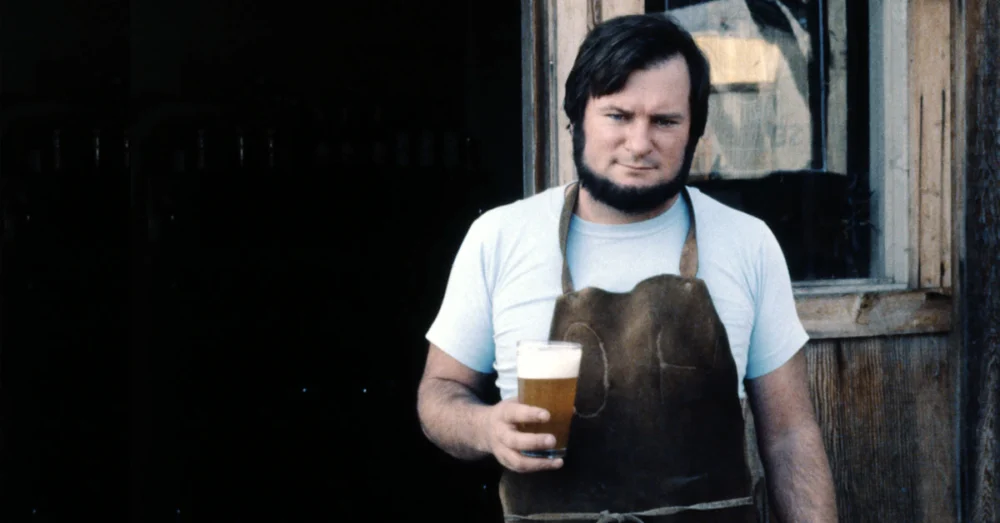
The passing of Jack McAuliffe in July at the age of 80 marks the conclusion of a chapter for one of the most influential figures in the history of American beverage alcohol. McAuliffe, a Navy veteran and self-taught engineer, is widely credited with sparking the modern craft brewing movement through the 1976 founding of the New Albion Brewing Company in Sonoma, California. While the brewery operated for only six years, its influence reverberates through an industry that now encompasses over 9,000 small and independent breweries across the United States. McAuliffe’s vision—to produce flavorful, traditional ales in a market then dominated by homogenized light lagers—established the blueprint for the microbrewing revolution that followed in the 1980s and 1990s.
The Genesis of an American Original
The origins of New Albion can be traced to McAuliffe’s time in the United States Navy during the 1960s. While stationed in Scotland, he was exposed to the rich, complex profiles of British ales, specifically porters and stouts. This experience stood in stark contrast to the American beer landscape of the era, which had been shaped by decades of post-Prohibition consolidation. Upon returning to California, McAuliffe found the domestic offerings lacking in character. He turned to homebrewing, a hobby that was technically illegal at the federal level until 1978, though rarely prosecuted for personal consumption.
McAuliffe’s transition from a hobbyist to a commercial pioneer was driven by a radical realization: the American consumer was not being offered a choice. In 1976, along with partners Jane Zimmerman and Suzy Stern, McAuliffe pooled approximately $5,000 to launch New Albion Brewing Company. The venture was a study in resourcefulness. Faced with a total lack of specialized brewing equipment for small-scale production, McAuliffe utilized his mechanical aptitude to repurpose salvaged industrial components. He transformed stainless steel dairy equipment and 55-gallon Coca-Cola syrup drums into a functional brewhouse within a rented warehouse on the outskirts of Sonoma.
A Chronology of the New Albion Era and Beyond
The timeline of Jack McAuliffe’s life and the trajectory of New Albion provide a roadmap for the evolution of the craft beer industry:
- 1945: Jack McAuliffe is born, eventually joining the U.S. Navy and serving as a technician on nuclear submarines.
- Late 1960s: While stationed in Dunoon, Scotland, McAuliffe discovers traditional British ales, sparking his interest in brewing science.
- 1976: New Albion Brewing Company is incorporated in Sonoma, California. It is recognized as the first "microbrewery" in the United States since the repeal of Prohibition in 1933.
- 1977–1981: New Albion gains a cult following, producing a Pale Ale, a Porter, and a Stout. The brewery becomes a pilgrimage site for future industry titans, including Ken Grossman and Jim Koch.
- 1982: Despite its critical success and influence, New Albion ceases operations due to a lack of capital and the difficulties of scaling a small business in a pre-distribution-network era.
- 1983: The equipment from New Albion is purchased by the founders of the Hopland Brewery (later Mendocino Brewing Company), which became the first brewpub in California.
- 2012: In a tribute to McAuliffe’s legacy, the Boston Beer Company partners with him to recreate the original New Albion Ale, introducing his vision to a new generation of drinkers.
- July 2024: Jack McAuliffe passes away, leaving behind an industry that contributes billions to the U.S. economy.
The Industrial Context: Brewing Against the Grain
To understand the magnitude of McAuliffe’s contribution, one must look at the state of the American brewing industry in the mid-1970s. Following the repeal of Prohibition, the number of American breweries had steadily declined as large regional and national players consolidated their power. By 1978, there were fewer than 100 brewing companies remaining in the United States, and the vast majority produced nearly identical styles of light American lager.
McAuliffe’s New Albion was a direct challenge to this hegemony. He prioritized ingredients that the major brewers of the time considered too expensive or too pungent. Most notably, he embraced the Cascade hop. Developed by the USDA breeding program in Corvallis, Oregon, and released in 1971, the Cascade hop was largely rejected by industrial brewers for its intense floral, pine, and grapefruit-like aromas. McAuliffe saw these characteristics as an asset. His use of Cascade hops in New Albion Pale Ale set the sensory standard for what would eventually become the American Pale Ale (APA) and the India Pale Ale (IPA)—the two styles that currently dominate the craft market.
Industry Reactions and the Mentor’s Influence
The impact of McAuliffe’s work is best measured by the testimonies of those who followed in his footsteps. Jim Koch, the founder and chairman of the Boston Beer Company, often cites McAuliffe as the proof of concept for his own success with Samuel Adams. "Jack was truly an American original," Koch stated. "Before him, starting a brewery from scratch was thought impossible. After him, 10,000 people have done it."
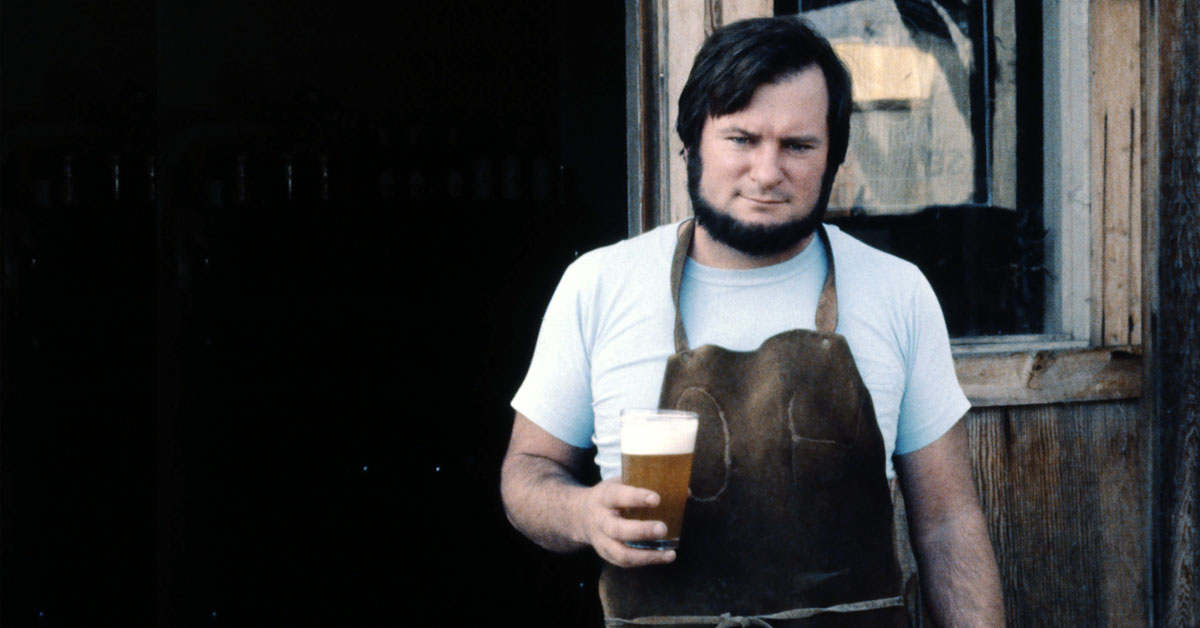
Similarly, Ken Grossman, who founded Sierra Nevada Brewing Co. in 1980, visited New Albion in its early years to study McAuliffe’s setup. Grossman’s Sierra Nevada Pale Ale, which remains one of the most successful craft beers in history, was directly influenced by the hoppy, aromatic profiles championed at New Albion. The "path from homebrewing to commercial brewing" that Grossman identified in McAuliffe’s work became the standard career trajectory for thousands of professional brewers over the next four decades.
Historian Maureen Ogle, author of Ambitious Brew: The Story of American Beer, noted that McAuliffe’s personality was as essential to the movement as his beer. She described him as a brilliant iconoclast who "did not suffer fools gladly" and possessed a "wicked ability to build anything." His refusal to adhere to the corporate norms of the 1970s provided the cultural DNA for the craft beer movement’s independent and often contrarian spirit.
Supporting Data: The Growth of an Economic Powerhouse
The small seed planted by New Albion has grown into a significant sector of the American economy. According to data from the Brewers Association, the craft brewing industry contributed $72.2 billion to the U.S. economy in 2022. This figure includes more than 460,000 total jobs, with over 189,000 jobs located directly at breweries and brewpubs.
In 1976, New Albion was an anomaly. By the end of 2023, the number of operating breweries in the United States reached an all-time high of 9,683. The market share for craft beer by volume has grown to approximately 13.3%, a stark contrast to the near-zero percent share held by independent brewers when McAuliffe first fired up his repurposed dairy tanks. Furthermore, the "adaptive reuse" model pioneered by McAuliffe—using old warehouses, factories, and agricultural buildings—has become a cornerstone of urban revitalization efforts in cities across the country.
Broader Impact and Implications for Modern Brewing
The legacy of New Albion extends beyond the liquid in the glass. McAuliffe’s venture established several "bedrock principles" that define the modern industry:
- Resourcefulness and Engineering: McAuliffe proved that a lack of specialized capital equipment was not a barrier to entry. This "maker" mentality persists today, with many start-up breweries utilizing used equipment to mitigate high entry costs.
- Ingredient Transparency and Quality: By focusing on specific hop varieties and traditional malt profiles, New Albion educated consumers on the components of beer, shifting the focus from marketing and branding to flavor and craftsmanship.
- The Localism Model: New Albion was a Sonoma brewery. It served its immediate community and became a destination. This "taproom-centric" business model is currently the most viable path for small breweries facing competition in the saturated retail distribution market.
- The Collaborative Spirit: The sale of New Albion’s equipment to the founders of Mendocino Brewing created a precedent for the "hand-me-down" economy of craft brewing, where older generations of brewers mentor and support the next.
Conclusion: A Lasting Testament to Taste
While New Albion Brewing Company did not achieve long-term financial stability, its historical significance is indisputable. Jack McAuliffe’s willingness to experiment and his refusal to accept the limitations of the mid-20th-century beer market fundamentally changed the American palate. He demonstrated that beer could be more than a commodity; it could be a culinary expression and a medium for innovation.
As the industry mourns his passing, the continued success of the craft beer sector serves as his living monument. The transition of beer from a standardized industrial product back to a localized, diverse, and artisanal craft began in a small Sonoma warehouse in 1976. For the millions of Americans who now enjoy a wide variety of styles at their local taproom, the journey started with Jack McAuliffe’s simple desire for a better pint of ale. His life’s work remains a testament to the power of an individual to disrupt an entire industry through technical skill, unwavering conviction, and a profound respect for the history of brewing.