admin
admin
Across the United States, the craft brewing industry is undergoing a significant structural shift as taproom saturation and changing consumer habits force owners to rethink the utility of their physical footprints. For years, the industry mantra was centered on production and local distribution; however, as the number of active craft breweries surpasses 9,000, the "novelty" of local beer has diminished. In response, a growing number of brewery owners are transforming underutilized land into campgrounds, RV parks, and "glamping" destinations. This strategic pivot not only creates a secondary revenue stream through overnight fees but also secures a captive audience for the brewery’s primary product. By leveraging platforms like Harvest Hosts, Hipcamp, and The Dyrt, breweries are turning "dead dirt" into high-margin hospitality hubs, effectively blending the outdoor recreation industry with the craft beverage sector.
The Economic Catalyst: From Production to Experience
The transition toward brewery-based camping is rooted in the necessity of maximizing land value. Ryan Roberts, owner of R&R Brewing in Mount Olive, North Carolina, exemplifies this trend. After opening in 2018, Roberts observed that while his outdoor space was popular for food trucks and day drinkers, a significant portion of his property remained unproductive. In late 2020, Roberts partnered with Harvest Hosts, a membership program that connects self-contained RV travelers with private landowners. The investment was minimal—approximately $60 for signage—but the return was immediate. Travelers who previously stayed in retail parking lots were now parking on brewery grounds and spending an average of $80 per visit on pints and merchandise.
This shift mirrors a broader trend in the craft beer industry where taproom sales, which offer the highest profit margins, are prioritized over increasingly competitive wholesale distribution. According to the Brewers Association, "at-the-brewery" sales are vital for the survival of small-to-medium-sized operations. By providing a place for customers to sleep, breweries eliminate the primary barrier to high-volume taproom consumption: the need for a designated driver.
The Pandemic Surge and the Camping Boom
The integration of breweries and campgrounds was accelerated by the COVID-19 pandemic. In 2020, as indoor dining faced restrictions and international travel halted, millions of Americans turned to the outdoors. Data from The Dyrt, a leading camping platform, indicates that this surge was not a temporary anomaly but a permanent shift in travel preferences. Their surveys reveal that 45 percent of campers bring beer on their trips, and of those, 37 percent specifically favor craft beer.
As traditional national park campgrounds hit capacity and reservation systems became increasingly difficult to navigate, private landowners filled the void. Kevin Long, CEO of The Dyrt, notes that breweries possess an "untapped resource" in their acreage. The proximity to high-quality food and drink makes these sites more attractive than traditional, isolated campsites. For many modern travelers, the ideal outdoor experience is "dispersed camping with amenities"—the ability to enjoy nature without sacrificing the comforts of a professional kitchen and a curated tap list.
Diverse Models of Brewery-Camping Integration
The implementation of camping facilities varies significantly depending on the brewery’s location, zoning laws, and target demographic.
1. The Dispersed and Wild Model
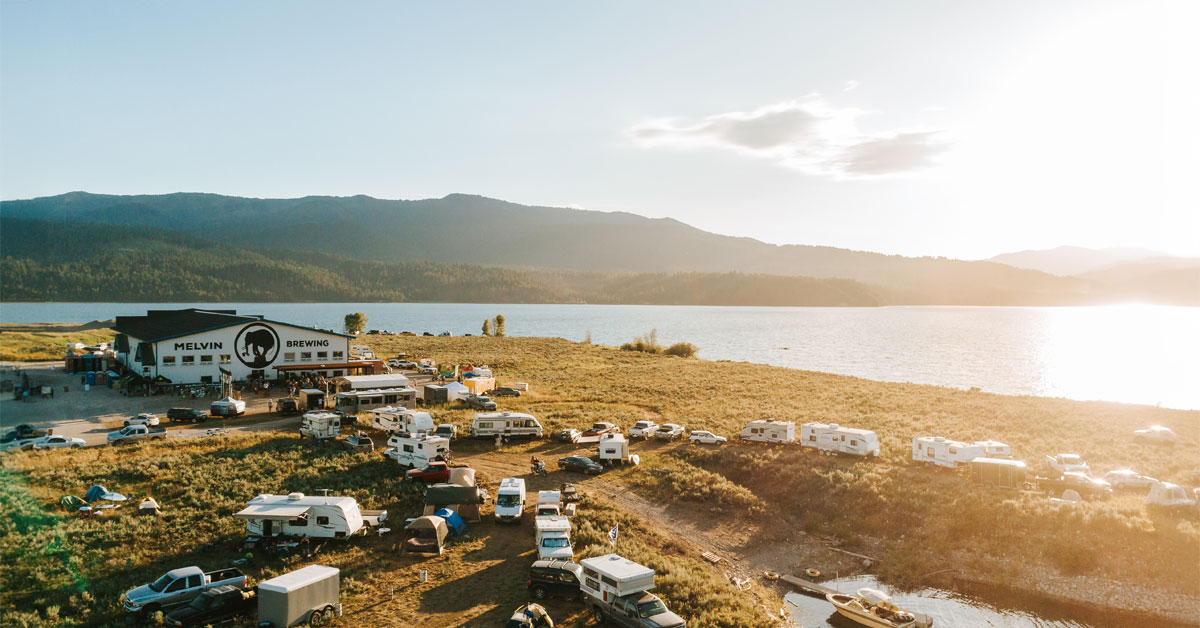
In Alpine, Wyoming, Melvin Brewing utilizes its proximity to Bureau of Land Management (BLM) property and the Palisades Reservoir. The brewery offers no-frills, first-come, first-served dispersed campsites. This "wild" approach aligns with the brand’s rugged, outdoor-centric identity. Molly Reilly, Vice President of Marketing for Melvin’s parent company, Pure Madness Group, emphasizes that the lack of infrastructure is part of the draw, allowing guests to transition from a high-energy taproom to a quiet campsite under "total dark skies" within minutes.
2. The Agricultural and Educational Model
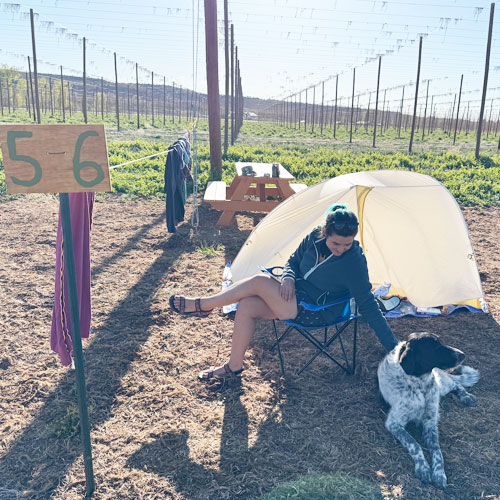
Billy Goat Hop Farm in Montrose, Colorado, provides a different experience by allowing guests to camp directly beside the hop bines. Their "Down at the Hopyard" campground serves as both a lodging facility and an educational tool. Audrey Gehlhausen, the farm’s president, notes that guests gain a deeper appreciation for the brewing process when they wake up in the fields where the ingredients are grown. This model ties the hospitality experience back to the brewery’s agricultural roots, creating a "farm-to-glass" narrative that resonates with craft beer enthusiasts.
3. The Urban and Transit-Oriented Model
Not all brewery camping is rural. Mash Mechanix Brewing in Colorado Springs, Colorado, has adapted its paved parking lot to accommodate Sprinter vans and smaller truck-bed campers. Despite the urban setting, the brewery offers views of Pikes Peak and easy access to local tourist attractions. Co-owner Leif Anderson, an avid camper himself, recognized that urban breweries could serve as convenient "basecamps" for travelers who want the amenities of a city with the flexibility of an RV.
4. The Dedicated Boutique RV Resort
At the most developed end of the spectrum is Boothbay Craft Brewery in Maine. Owners Win and Lori Mitchell have spent two decades evolving their 10-acre property into a "boutique RV park." They replaced old cabins with 24 full-hookup RV sites, creating a resort-style atmosphere where the brewery and tavern act as the central social hub. This model requires higher capital expenditure but generates significant recurring revenue through site fees that supplement beer sales.
Regulatory Challenges and Operational Logistics
While the "captive audience" model is lucrative, it introduces a complex layer of regulatory and operational challenges. A brewery and a campground are distinct business entities that often fall under different zoning categories. Doug Olsen, who purchased Indian Lake Adventures and subsequently opened Camp Brewing in Ohio, highlights the logistical hurdles.
"When you open a brewery at a campground, the campground stays full," Olsen states, but he also notes that staffing requirements differ. Campgrounds require 24-hour oversight, maintenance of utility hookups, and different insurance liabilities. Furthermore, liquor laws often dictate where alcohol can be consumed. At Camp Brewing, customers can purchase growlers or cups of "Pitch a Tent Pilsner" to take back to their campsites, but they are prohibited from bringing outside beverages into the licensed taproom area. Maintaining the boundary between the "licensed premises" and the "campsite" is a critical legal requirement for brewery owners.
The Role of Festivals and Immersive Events
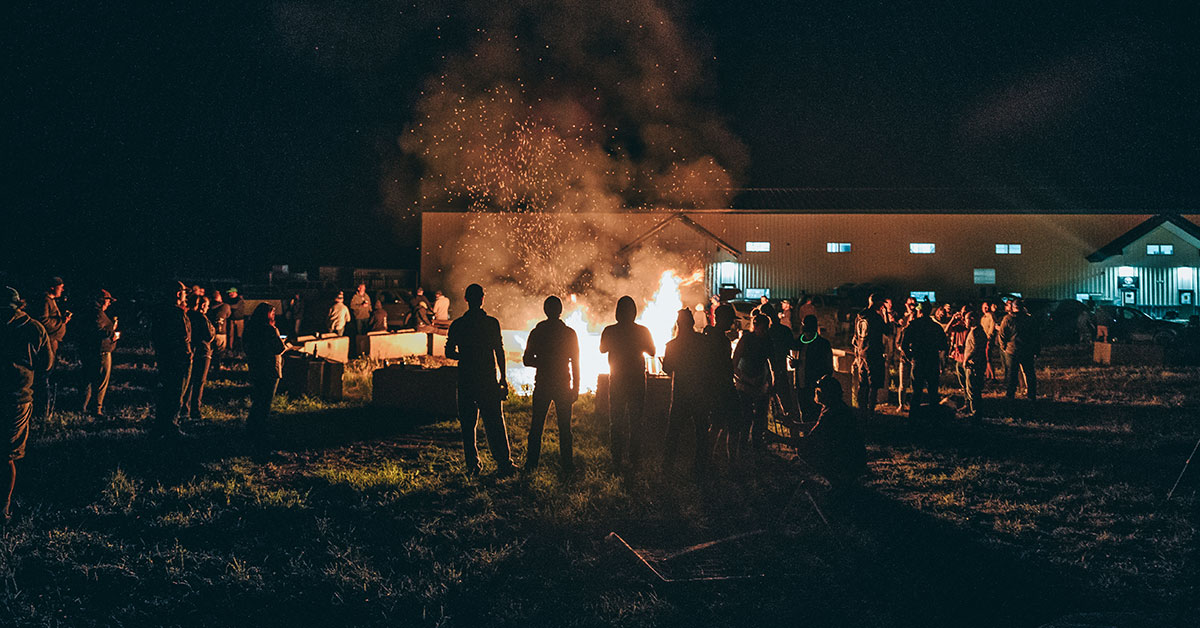
Beer festivals have long been a staple of the industry, but their rural locations often present transportation issues. To mitigate this, many organizers now include on-site camping as a core component of the event. The Burning Foot Beer Festival in Muskegon, Michigan, offers 300 beachfront campsites on the shores of Lake Michigan. Jimmy Hegedus, the festival’s beverage director, points out that in towns with limited hotel capacity, camping is the only viable way to host thousands of out-of-town visitors safely.
However, the event-based camping model is not without risk. Brewery Ommegang in Cooperstown, New York, which traditionally hosts the "Belgium Comes to Cooperstown" (BCTC) festival, had to cancel its 2024 event due to lower-than-projected ticket sales. The brewery cited the difficulty of delivering a high-quality experience when ticket sales do not meet the high overhead costs of hosting hundreds of campers. This serves as a cautionary tale for the industry: while the demand for brewery experiences is high, the market is sensitive to pricing and the overall quality of the "immersive" offering.
Broader Industry Implications and Future Outlook
The trend of brewery camping is a symptom of a maturing market. As the "craft beer revolution" enters its third decade, the focus is shifting from the product itself to the environment in which it is consumed. For small breweries, diversifying into the travel and leisure sector provides a buffer against fluctuating retail trends and the dominance of large-scale distributors.
From a real estate perspective, this trend represents a "highest and best use" evolution for rural and peri-urban land. Property that was once seen as a tax burden is now being utilized to its full potential. Furthermore, the partnership between breweries and camping platforms like Harvest Hosts creates a decentralized tourism network that benefits small towns. When a traveler stays at a brewery in a town like Mount Olive or Piedmont, they are likely to patronize other local businesses, creating a regional economic multiplier effect.
As we move toward the mid-2020s, the integration of breweries and campgrounds is expected to become more sophisticated. We will likely see more permanent infrastructure, such as climate-controlled "glamping" pods and full-service bathhouses, as breweries compete for a share of the luxury travel market. For the craft beer enthusiast, the message is clear: the taproom experience no longer ends at last call; it ends when you zip up your tent.