admin
admin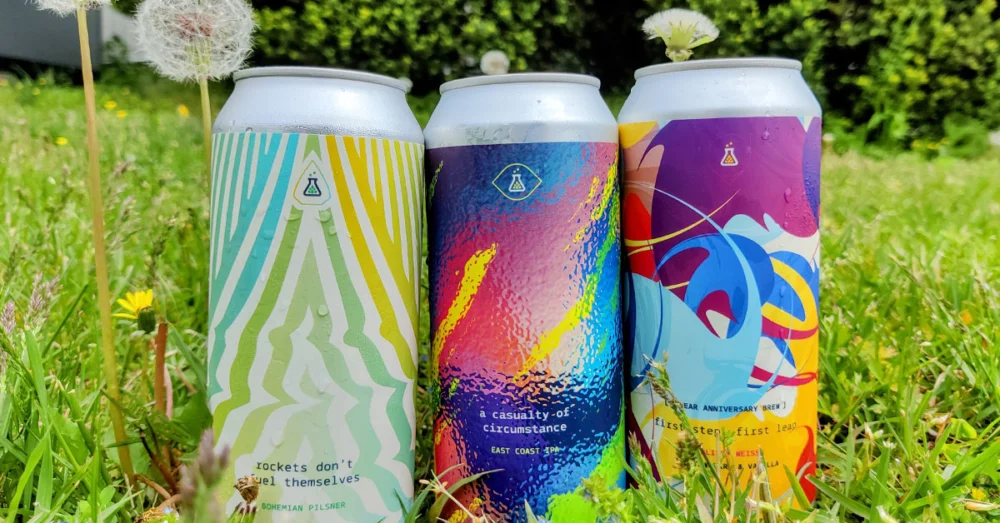
The North Fork of Long Island has long been celebrated as the "Napa Valley of the East," a pastoral stretch of land defined by its maritime climate, fertile glacial soil, and a thriving viticulture industry that has spent decades cultivating a global reputation for high-quality Cabernet Franc, Merlot, and Sauvignon Blanc. However, a significant cultural and economic shift is currently reshaping the landscape of this storied peninsula. While the sprawling vineyards remain a primary draw for millions of annual visitors, a burgeoning craft beer movement is transforming the region into a multi-faceted beverage destination. Today, the eastern edge of Long Island is increasingly recognized not just for its tasting rooms and vine-covered hills, but for a sophisticated array of IPAs, Pilsners, sours, and stouts that reflect the unique terroir of the region.
This evolution from a wine-centric enclave to a diverse "alcohol trail" is the result of a decade-long explosion in craft brewing, fueled by a combination of entrepreneurial spirit, legislative support, and a deep-seated connection to the area’s agricultural roots. What began as a niche interest has matured into a robust industry that complements, rather than competes with, the established wine trade, creating a symbiotic relationship that bolsters the local economy and enhances the appeal of Long Island’s agrotourism.
The Chronology of a Brewing Revolution
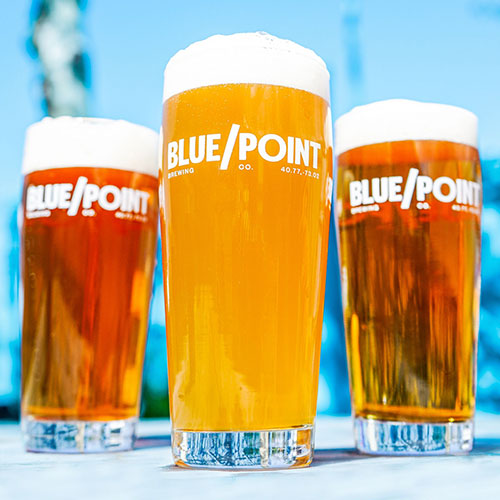
The roots of the Long Island craft beer scene can be traced back to 1998 with the founding of Blue Point Brewing Company in Patchogue. While located further west than the traditional North Fork wine trail, Blue Point served as the regional pioneer, proving that there was a significant appetite for locally produced, high-quality ales. For over a decade, Blue Point remained the dominant force, but the seeds of a more localized movement were being sown further east.
The real catalyst for the North Fork’s brewing boom arrived in 2009 with the opening of Greenport Harbor Brewing Company. Founded in a repurposed firehouse in the village of Greenport, the brewery represented the first major "oasis" in the heart of wine country. Its success signaled a turning point, demonstrating that tourists and locals alike were eager for an alternative to the grape.
The growth of the industry was further accelerated by the 2012 New York State Craft Act. This landmark legislation created the "Farm Brewery" license, which offered tax incentives and reduced regulatory hurdles for brewers who committed to using a specific percentage of New York-grown ingredients. This policy change directly linked the brewing industry to the state’s agricultural sector, encouraging brewers to source hops, malt, and fruit from local farmers.
Following this legislative shift, the North Fork saw a rapid succession of openings. Twin Fork Beer Co. began its journey in 2014, followed by the establishment of North Fork Brewing Company and Eastern Front Brewing. By the turn of the decade, the region had welcomed Übergeek Brewing and Jamesport Brewery, solidifying the North Fork’s status as a premier craft beer destination.
The Science and Art of the North Fork Pint
The breweries of the North Fork are characterized by a diverse range of philosophies, ranging from the scientifically rigorous to the musically inspired. This variety has created a landscape where every palate can find a home, mirroring the diversity found in the region’s wine offerings.
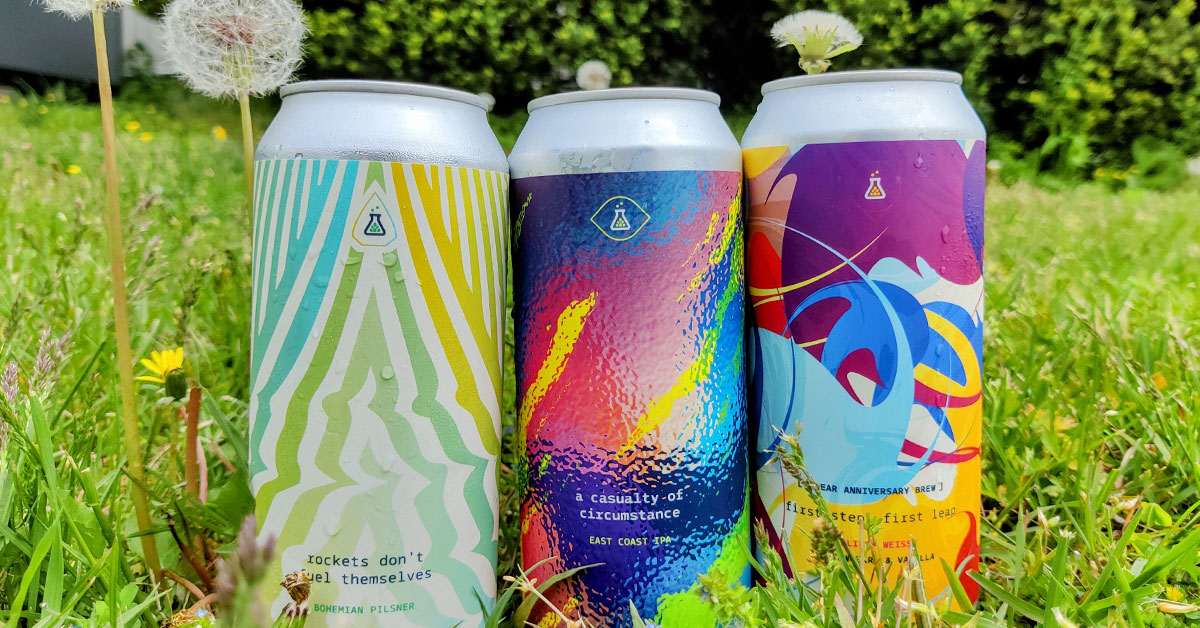
At Übergeek Brewing in Riverhead, owner and brewmaster Rob Raffa brings a background in physics and astrophysics to the fermentation tank. Raffa’s journey from amateur brewer to professional was marked by a tenure at the now-defunct Moustache Brewing, eventually leading him to open his own space in early 2021. Übergeek is known for its experimental approach and existential branding. Beers like "A Casualty of Circumstance," a hazy East Coast IPA, and "Space Age Times, Stone Age Minds," a double IPA featuring tropical notes of mango and pineapple, reflect Raffa’s contemplative approach to the craft.
The brewery’s growth serves as a microcosm of the regional trend. Since its opening, Übergeek has expanded from four fermenters to 16, with plans to double its production capacity in the coming months. This expansion is driven by the robust demand from the North Fork’s agrotourism crowd, which frequents the brewery’s tasting room—a converted warehouse space that now hosts food trucks and live concert series.
In contrast, Twin Fork Beer Co., founded by twin brothers Peter and Dan Chekijian, blends the worlds of brewing and music. Their beers are named after musical theories and compositions, such as the "Minuet Session IPA," "Crescendo IPA," and "Sonata Kölsch-style Ale." This thematic approach highlights the artisanal nature of brewing, treating the creation of a recipe with the same precision as a musical score.
Agricultural Synergy and the Concept of Terroir
One of the most significant impacts of the craft beer surge is its deep integration with local agriculture. Unlike industrial breweries that source ingredients from global commodity markets, North Fork brewers are increasingly leaning into the "terroir" of Long Island—the idea that the specific environment in which ingredients are grown imparts a unique flavor profile to the final product.
Greenport Harbor Brewing Company has been a leader in this farm-to-glass movement. Head brewer Sean Galligan utilizes New York State-grown malt for several of the brewery’s flagship offerings, including the "Harbor Ale" and "Lucha Lager," the latter of which incorporates sea salt and key limes to create a crisp, maritime-inspired profile.
The synergy is most apparent during the late summer harvest. In late August and September, Greenport Harbor sources Cascade and Willamette hops from Orient Point, located at the very tip of the North Fork. These hops are often harvested in the early morning and integrated into the brew kettle by the afternoon, resulting in "fresh hop" beers that offer a vibrant, botanical complexity that cannot be replicated with dried pellets.
Peter Barraud of North Fork Brewing Company has taken this agricultural collaboration a step further by partnering with various local entities, including the Peconic River Herb Farm and Herricks Lane Farm. By utilizing local licensed foragers and small-batch producers, Barraud incorporates niche ingredients such as ancho chiles, peaches, strawberries, and blueberries into his rotations. "The North Fork is so saturated with farms," Barraud noted, emphasizing that the endless variety of produce allows breweries to offer a true taste of the land.
Economic Impact and Agrotourism Integration
The rise of craft beer has provided a significant boost to the Long Island economy, particularly within the tourism sector. According to data from the New York State Brewers Association, the craft beer industry in New York contributes billions of dollars in economic impact annually, supporting tens of thousands of jobs. On the North Fork, this impact is felt through increased foot traffic, longer visitor stays, and the diversification of the local business tax base.
The breweries have become integral stops on the "Liquid Trail," a term used by local tourism boards to describe the circuit of wineries, breweries, cideries, and distilleries. This diversification is crucial for the region’s resilience. While wine remains the primary draw, the presence of high-quality breweries ensures that groups with varied preferences can find satisfaction in a single trip.
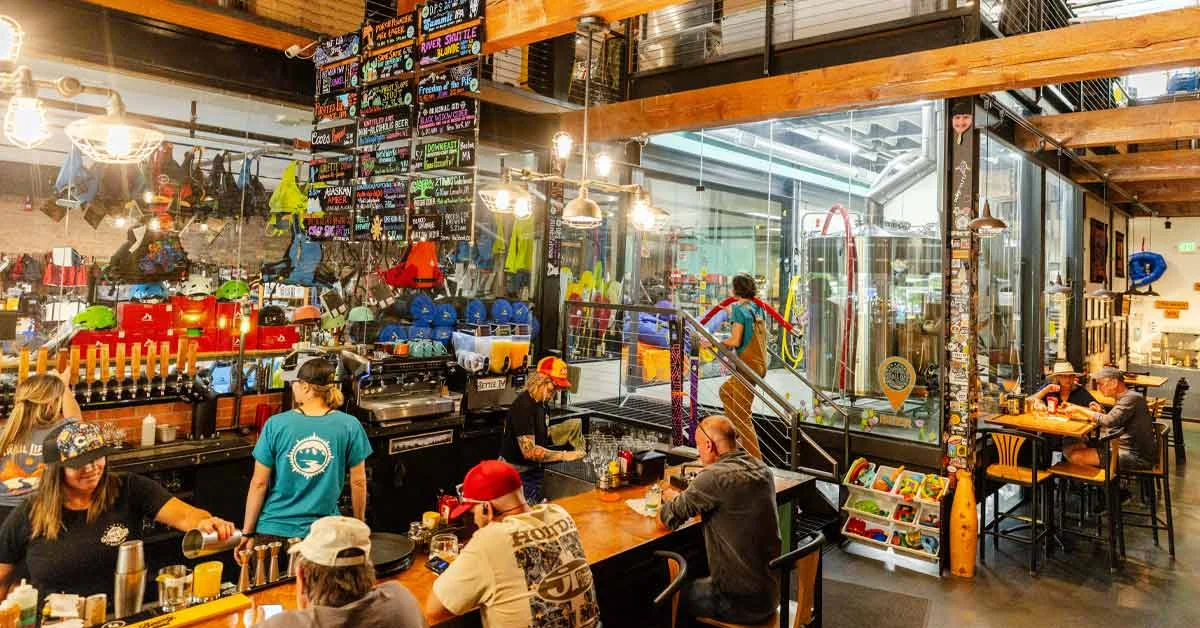
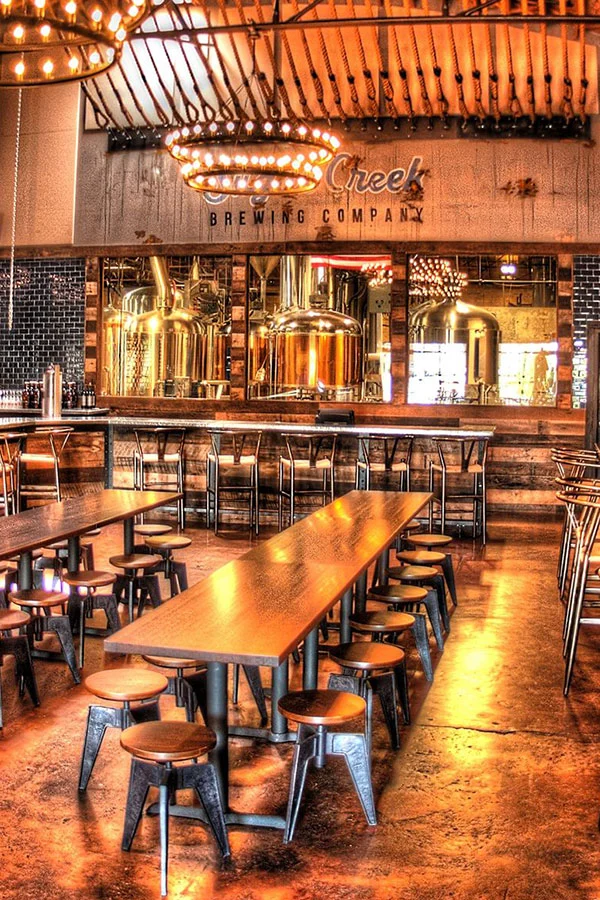
Furthermore, the breweries provide a different atmosphere than the traditional winery tasting room. While many vineyards emphasize a refined, often formal experience, breweries like Greenport Harbor’s Peconic location offer a more communal, casual environment. With acres of picnic tables, lawn games like giant Jenga and cornhole, and a steady stream of live music, these spaces function as community hubs that appeal to a younger demographic and families.
Symbiosis Over Competition: The Future of the North Fork
A common misconception is that the rise of beer poses a threat to the established wine industry. However, industry leaders on both sides suggest the relationship is overwhelmingly symbiotic. Many local wineries now stock North Fork beers in their tasting rooms, acknowledging that not every member of a touring party is a wine drinker.
Collaborations between the two industries are also becoming more frequent. Greenport Harbor recently produced "Collaborations," a beer conditioned on Carmenere grapes from Osprey’s Dominion vineyard. The use of wild yeast strains and grape skins resulted in a sophisticated hybrid beverage that won a silver medal at the 2024 New York State Craft Beer Competition. Such projects highlight the creative potential of a unified craft beverage community.
As the North Fork continues to evolve, the distinction between "wine country" and "beer country" is blurring into a broader identity as a premier culinary and craft beverage destination. The success of brewers like Raffa, Galligan, and Barraud demonstrates that there is ample room on the trail for both the vine and the grain. For the New Yorkers and travelers who flock to the region every autumn, the North Fork now offers a complete experience—one that honors the heritage of the land while embracing a bold, flavorful future.
The expansion of the brewing industry on the North Fork is more than a trend; it is a permanent maturation of the region’s identity. By anchoring themselves in local agriculture and fostering a spirit of collaboration, these breweries have ensured that the "Napa of the East" will be just as famous for its pints as it is for its pours.