admin
admin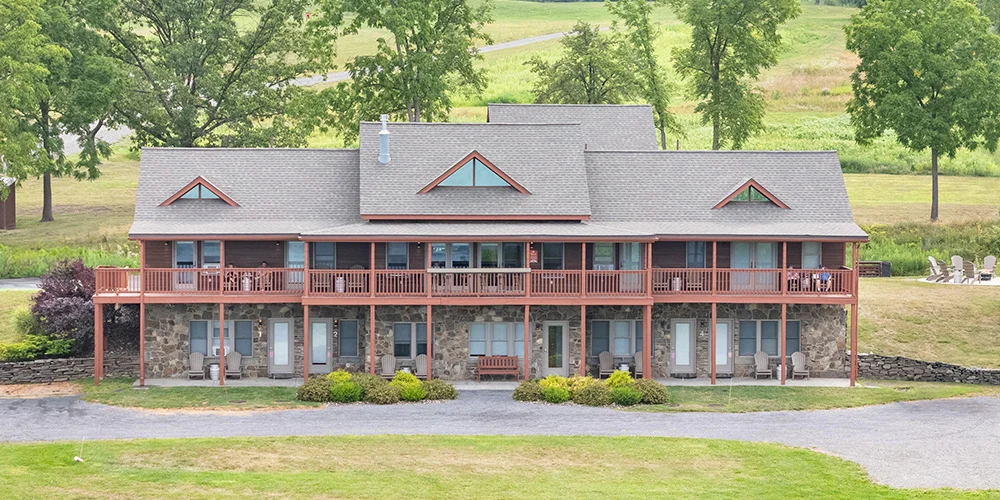
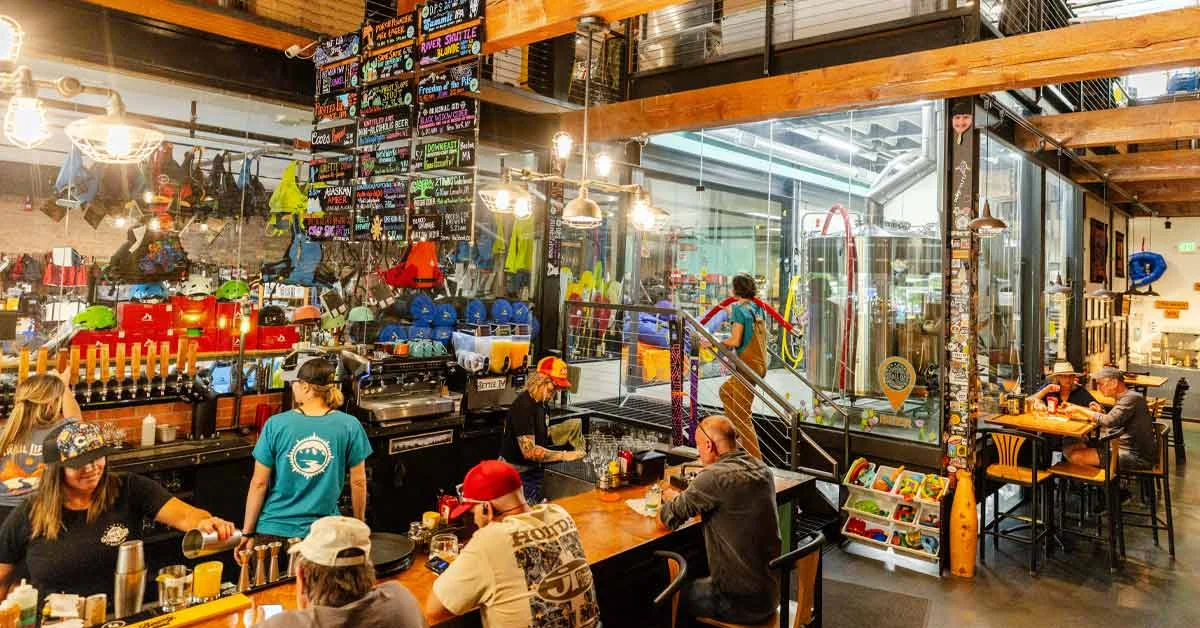
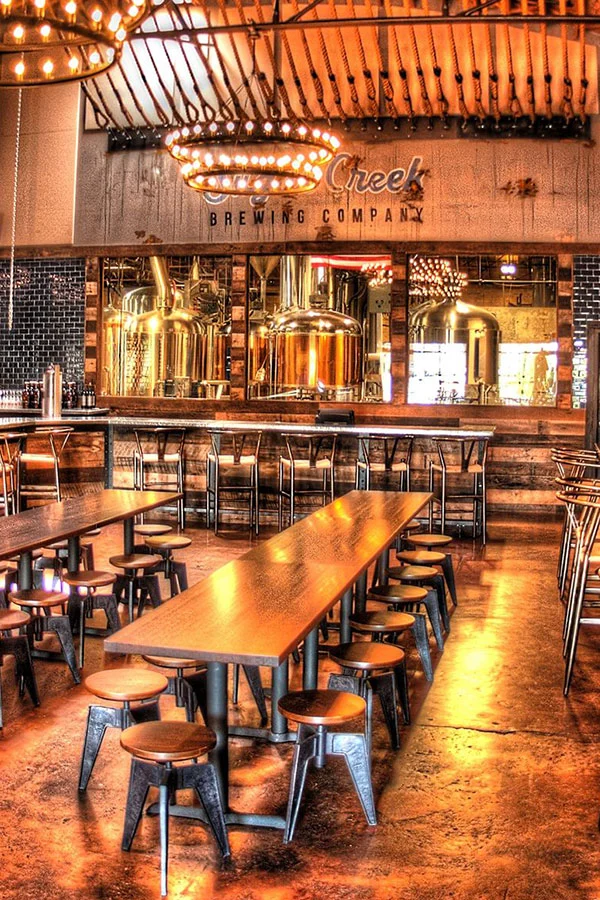
The landscape of American craft brewing is undergoing a significant structural transformation as independent producers move beyond the traditional taproom model to embrace the burgeoning "experience economy." Across the United States, brewers are increasingly diversifying their portfolios by integrating boutique accommodations into their operations, transforming historic landmarks, rustic barns, and modern industrial spaces into "beercation" destinations. This strategic shift represents a sophisticated evolution in brand storytelling, where the consumption of beer is no longer an isolated activity but the centerpiece of a comprehensive hospitality package. By offering overnight stays that range from alpine lodges in Vermont to luxury cabins in the Pacific Northwest, breweries are fostering deeper emotional connections with their consumer base while securing new, high-margin revenue streams in an increasingly competitive market.
The Strategic Shift Toward Experiential Tourism
The emergence of brewery-centric lodging arrives at a critical juncture for the U.S. craft beer industry. According to data from the Brewers Association, while the number of operating craft breweries has surpassed 9,500, the market has reached a state of maturity where traditional distribution and taproom sales face intensifying pressure from shifting consumer habits and inflationary costs. To differentiate themselves, breweries are leveraging "experiential retail," a concept where the environment and the service are as vital as the product itself.
Industry analysts suggest that the "beercation" trend is a direct response to the "slow travel" movement, which prioritizes immersion and local authenticity over checklist-style tourism. For a brewery, an overnight guest represents a significantly higher lifetime value than a standard taproom visitor. A guest staying at an on-site lodge is likely to consume multiple meals, purchase merchandise, and engage in guided tastings, effectively becoming a brand ambassador through a multi-sensory immersion into the brewery’s culture.
Historical Foundations and the Alpine Legacy of von Trapp
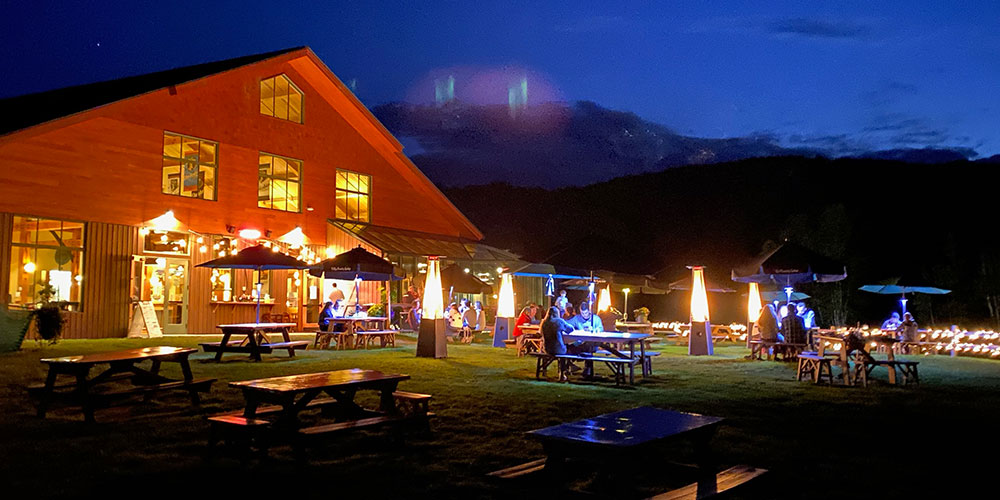
The concept of integrating brewing with high-end hospitality is perhaps best exemplified by the von Trapp Family Lodge in Stowe, Vermont. While the family name is synonymous with musical history and the 1965 film The Sound of Music, their contribution to the American lager tradition is equally significant. The property, spanning 2,600 acres of alpine terrain, was established by the family after they fled Austria in the 1930s. However, it was not until 2010 that Johannes von Trapp realized his vision of building an on-site brewery to produce the crisp, European-style lagers he found lacking in the American market.
The chronology of von Trapp Brewing reflects a meticulous adherence to heritage. The brewery utilizes natural spring water sourced directly from the property’s mountain acreage, a detail that reinforces the connection between the land and the glass. The lodge serves as a living museum and a functional resort, offering Austrian-inspired cuisine in a Bierhall that bridges the gap between old-world tradition and modern New England tourism. For the von Trapp family, the brewery is not an ancillary business but a core component of the estate’s identity, allowing guests to "live the brand" through snowshoe tours, guided tastings, and historical immersion.
The Pacific Northwest and the Modern Cabin Culture
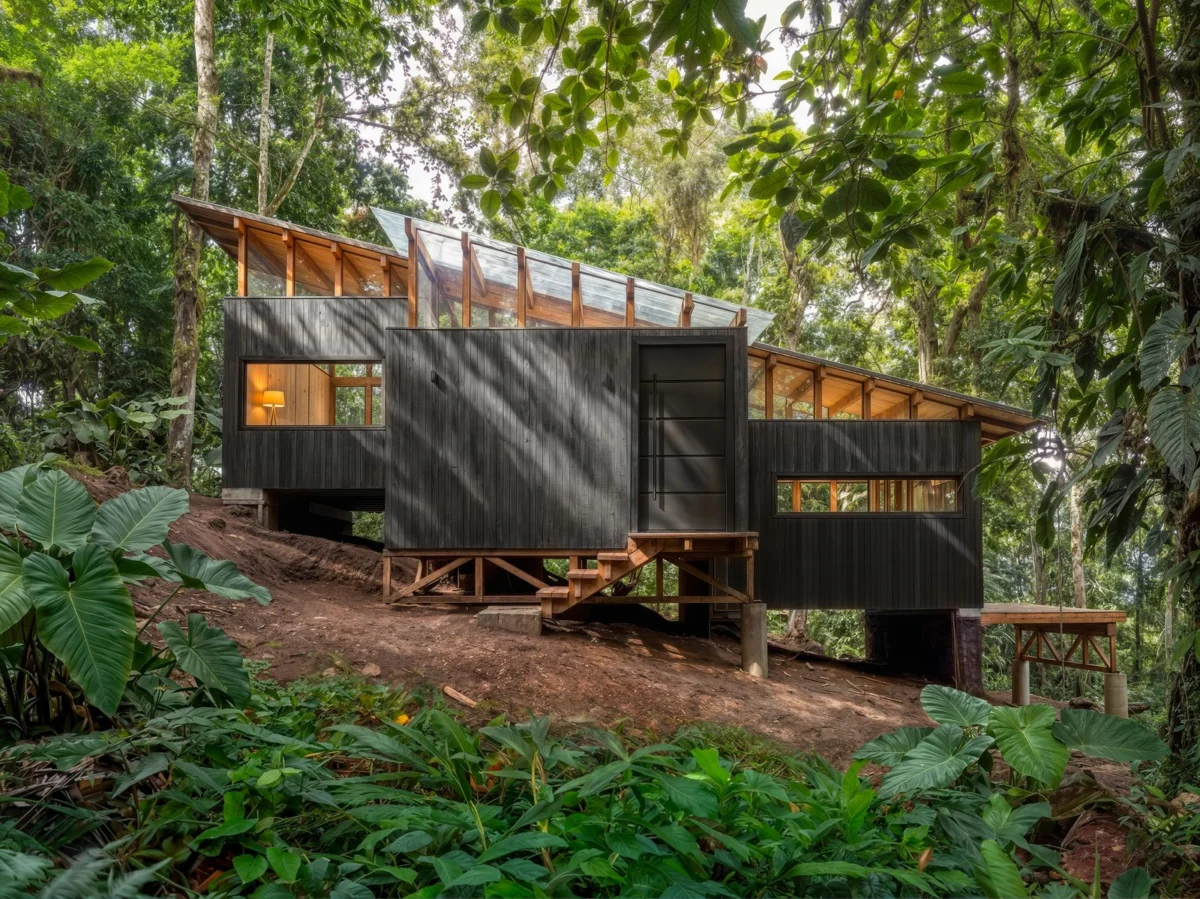
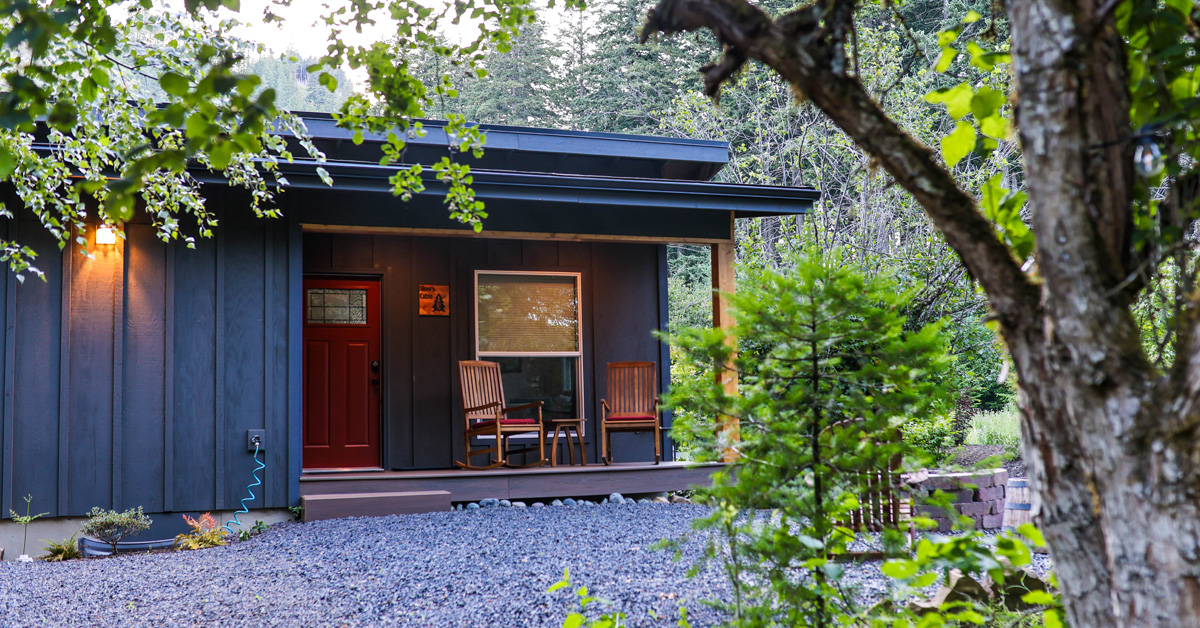
On the opposite side of the country, in Carson, Washington, Backwoods Brewing Company has pioneered a different model of brewery lodging that capitalizes on the rugged appeal of the Columbia River Gorge. Founded by the Waters family, the brewery initially served as a local staple for hikers and outdoor enthusiasts. Recognizing that the region’s geography—characterized by forested hills and dramatic cliffs—demanded more than just a quick stop, the company developed Backwoods Cabins.
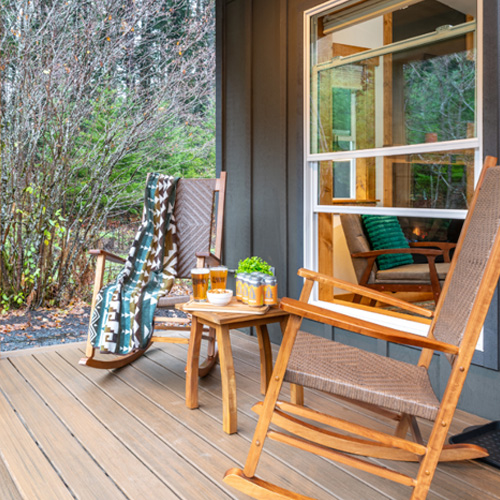
The strategic development of these eight luxury-leaning cabins demonstrates a keen understanding of "cabin-core" aesthetics and consumer psychology. Each cabin is themed around regional activities—such as hiking, kayaking, or stargazing—and features high-end amenities like 600-thread-count sheets and hops-scented spa products. This approach elevates the brewery from a beverage provider to a destination manager. According to Steve Waters, CEO of Backwoods, the goal was to create a space where hospitality and beer were "deeply complementary." By allowing guests to pre-order beer for their rooms or enjoy a pizza on a private porch overlooking the gorge, Backwoods has successfully extended the "taproom moment" into a 24-hour experience.
Economic Revitalization through Adaptive Reuse: The McMenamins Model
In the states of Oregon and Washington, the McMenamins brothers have perfected the art of "adaptive reuse," a strategy that has had a profound impact on local economies and historical preservation. Since the 1980s, McMenamins has specialized in purchasing dilapidated historic buildings—including former elementary schools, poor farms, and Masonic temples—and converting them into sprawling hotel-brewery complexes.
This model serves as a vital case study in how the brewing industry can contribute to urban and rural renewal. By preserving the original architecture and commissioning local artists to paint murals that depict the building’s history, McMenamins creates a "living history" environment. Their properties often feature secret bars, movie theaters, and soaking pools alongside their brewing facilities. This diversification ensures that the properties remain profitable even during fluctuations in the beer market, as they draw revenue from lodging, events, and diverse food and beverage programs.
Branding through Design: Grist Iron and Drekker Brewing
In the Finger Lakes region of New York, Grist Iron Brewing has integrated lodging into its business plan from its inception. Unlike breweries that add rooms as an afterthought, Grist Iron’s owners selected their Watkins Glen location specifically because it already contained lodging infrastructure. This allowed for a seamless integration of the "The Lodge at Grist Iron" with the brewery’s rustic-modern aesthetic.
The attention to detail at Grist Iron includes a "shower beer" ledge in every bathroom—a playful but deliberate design choice that acknowledges and celebrates beer culture. This type of hyper-specific branding is also evident at The Brewhalla Crash Pad in Fargo, North Dakota. Developed by Drekker Brewing, this boutique hotel features rooms themed after specific beer labels, such as the "Mind Bullets" suite. By translating their psychedelic and bold label art into interior design, Drekker has created a physical manifestation of its brand that appeals to a younger, design-conscious demographic.
Market Analysis and the "Direct-to-Consumer" Advantage
The financial logic behind brewery lodging is rooted in the "Direct-to-Consumer" (DTC) advantage. In the traditional three-tier system (brewer to wholesaler to retailer), a brewery’s margins are significantly thinned at each stage. However, when a brewery sells a pint in its own taproom, and subsequently sells a room night in its own hotel, it captures the entirety of the retail margin.
Furthermore, these establishments provide a controlled environment for product testing. Breweries can introduce experimental batches—such as Grist Iron’s "That’s My Jam!" kettle sour or von Trapp’s seasonal Oktoberfest—to a captive audience, gathering real-time feedback that informs broader distribution strategies. The lodging component also mitigates the risks associated with alcohol consumption; by providing a place to sleep "just steps away" from the bar, breweries address the logistical and safety concerns of their patrons, encouraging a more relaxed and prolonged engagement with the brand.
Broader Implications for the Hospitality Industry
The success of brewery stays suggests a broader trend in the hospitality industry where travelers are eschewing generic chain hotels in favor of "niche" or "themed" experiences. This has implications for city planners and tourism boards, who are increasingly looking toward craft breweries as "anchor tenants" for regional development. In Mineral Point, Wisconsin, the Commerce Street Brewery Hotel serves as a cornerstone of the historic district, bringing a European-style inn sensibility to a small-town American setting.
However, the expansion into lodging is not without challenges. Navigating the intersection of liquor laws and hotel regulations requires significant legal and administrative oversight. Zoning requirements for manufacturing (brewing) often conflict with residential or hospitality zoning, requiring breweries to work closely with local municipalities to create "mixed-use" designations. Additionally, the labor requirements for running a hotel are vastly different from those of a brewery, necessitating a dual-expertise workforce.
Conclusion: The Future of the Brewery-Lodge Hybrid
As the craft beer industry continues to mature, the "beercation" model is likely to become more prevalent. The transition from being a product manufacturer to a hospitality provider allows breweries to insulate themselves against market volatility while building unparalleled brand loyalty. Whether through the preservation of historic schools or the construction of luxury cabins in the wilderness, these destinations offer a blueprint for the future of specialized tourism.
For the consumer, the appeal is clear: the opportunity to go beyond the tasting flight and inhabit the world of their favorite brewery. For the brewer, it is an opportunity to tell a story that lasts longer than a single pint. As these businesses continue to blur the lines between production and relaxation, they are not only selling beer—they are selling a sense of place, history, and community that cannot be replicated in a standard retail environment. The rise of the brewery stay is more than a trend; it is a fundamental shift in how Americans interact with craft culture, one night at a time.