admin
admin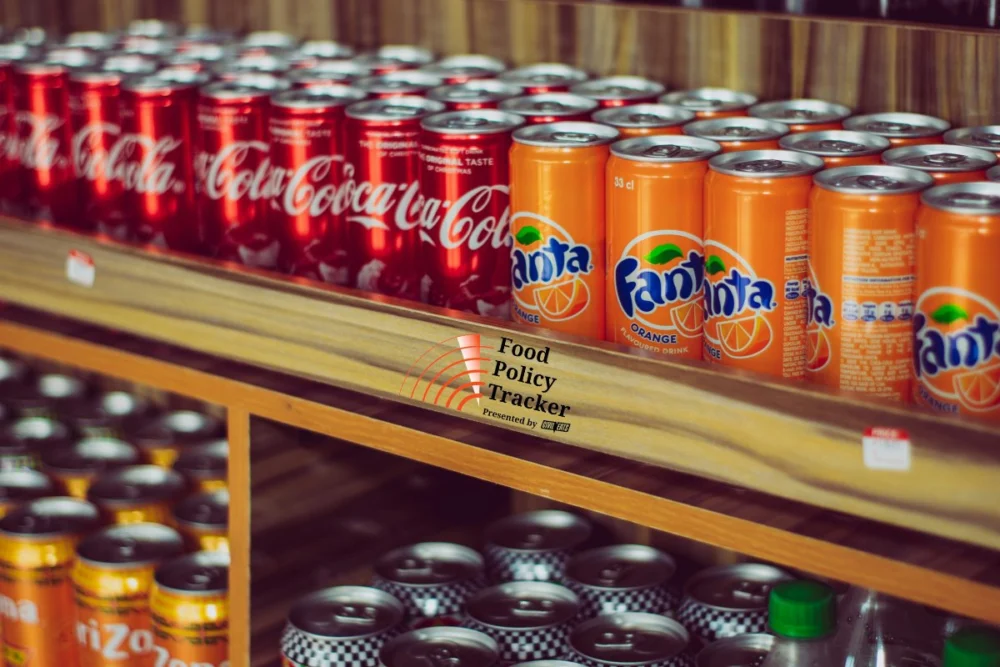
The U.S. Department of Agriculture (USDA) on Wednesday, March 4, 2026, approved waivers for an additional four states – Kansas, Nevada, Ohio, and Wyoming – to implement restrictions on purchases made with federal Supplemental Nutrition Assistance Program (SNAP) benefits. This significant expansion brings the total number of states with such limitations to 22, representing nearly half of the nation, and marks a substantial re-shaping of one of the largest federal food assistance programs. Agriculture Secretary Brooke Rollins, during the announcement, indicated that another eight SNAP waiver requests are currently "in the pipeline," signaling a continued trend towards state-level customization of federal food aid. These newly approved waivers, consistent with earlier iterations, primarily target items deemed discretionary, such as candy, soda, and other sweetened beverages, sparking renewed debate among policymakers, public health advocates, retailers, and anti-hunger organizations regarding the efficacy, equity, and practical implications of such policies.
The Genesis of Restriction: The "Make America Healthy Again" Agenda
The push for restricting SNAP purchases is broadly framed under what proponents term the "Make America Healthy Again" agenda. This initiative aims to leverage federal food assistance programs as a tool to improve public health outcomes, particularly in combating diet-related diseases such as obesity, type 2 diabetes, and heart disease, which disproportionately affect low-income populations. Advocates for these restrictions argue that by limiting access to foods high in sugar, unhealthy fats, and empty calories, SNAP recipients will be encouraged to make healthier choices, ultimately leading to better long-term health and reduced healthcare costs.
The debate over what SNAP benefits should cover is not new. Historically, the program, originally known as the Food Stamp Program, was designed to address food insecurity by supplementing the food budget of low-income families. The emphasis was on providing a broad range of food options to ensure adequate caloric intake and nutritional variety, with minimal restrictions on specific food items. Over the decades, however, proposals to restrict purchases of items like soda, chips, and prepared foods have surfaced periodically, often driven by concerns about public health and the perception of misuse of taxpayer dollars. The current wave of waivers represents the most widespread implementation of such restrictions to date, marking a significant departure from the program’s traditional emphasis on broad consumer choice. Proponents often cite a 2021 study by the USDA’s Economic Research Service, which, while not directly advocating for restrictions, noted that a significant portion of SNAP benefits are spent on nutrient-poor foods, fueling arguments for tighter controls.
A Patchwork of Policies: State-Driven Waivers Take Hold
The latest approvals for Kansas, Nevada, Ohio, and Wyoming mean that SNAP recipients in these states will soon face new limitations on what they can buy at grocery stores. The specific items restricted typically include sugary drinks, candies, and certain snack foods. While the precise list can vary slightly by state, the core intent is to steer purchases away from what are commonly labeled "junk foods."
Notably, while the majority of states that have implemented or sought these waivers have Republican governors and legislatures, Kansas, with its Democratic governor, Laura Kelly, marks a significant addition to the list of Democrat-led states pursuing such restrictions. This follows earlier approvals for Colorado and Hawai’i, also led by Democratic governors. This bipartisan embrace of SNAP restrictions suggests a growing, albeit complex, consensus across the political spectrum regarding the potential role of food assistance programs in public health initiatives. However, it also highlights the increasing fragmentation of SNAP policy, with a patchwork of different rules emerging across the country.
This state-driven approach, while lauded by Secretary Rollins as empowering local decision-making, inherently creates a complex landscape for both recipients and retailers. A SNAP recipient moving from a state without restrictions to one with them, or even traveling between states, could encounter vastly different rules, leading to confusion and potential benefit denial at the point of sale. For national retail chains operating across state lines, managing these varied regulations adds significant administrative burden and logistical challenges.

Real-World Repercussions: Confusion on the Ground
The implementation of SNAP purchase restrictions has not been without its challenges, as acknowledged by Secretary Rollins herself. Reports from states where similar waivers have already taken effect paint a picture of widespread confusion among SNAP recipients, retailers, and anti-hunger advocates.
For beneficiaries, navigating the new rules can be a daunting task. Many recipients, already facing the stresses of food insecurity and limited budgets, find the sudden changes to eligible items frustrating and disorienting. What constitutes a "sweetened beverage" versus a juice? Is diet soda permitted? Are certain types of energy drinks included? The nuances often lead to uncertainty at the checkout counter, potentially causing embarrassment or delays. Anti-hunger advocates report instances where recipients, unaware of the restrictions, have their purchases denied, forcing them to either abandon items or pay out-of-pocket for necessities they believed were covered. This not only adds to their financial strain but can also contribute to feelings of stigma and frustration associated with using public assistance. A 2024 survey by the National Anti-Hunger Coalition found that over 60% of SNAP recipients in states with restrictions reported difficulty understanding the new rules, and nearly 30% reported feeling embarrassed at checkout due to denied purchases.
Retailers, particularly grocery stores and convenience stores that serve a high volume of SNAP customers, also face significant operational hurdles. Implementing these restrictions requires extensive staff training to accurately identify eligible and ineligible items, often down to specific product SKUs. Point-of-sale (POS) systems need to be updated and meticulously maintained to correctly differentiate between restricted and unrestricted items, a task that can be complex given the vast array of products in a typical grocery store. Small, independent retailers, which often operate on thin margins and may lack sophisticated IT infrastructure, find this administrative burden particularly challenging. Errors in programming POS systems can lead to incorrect denials or approvals, further exacerbating confusion and potential customer dissatisfaction. The Food Industry Association (FMI) estimated in late 2025 that implementing and maintaining these systems could cost retailers millions of dollars annually nationwide, costs that might ultimately be passed on to consumers or lead to reduced participation in the SNAP program by some retailers.
Anti-hunger advocacy groups have consistently voiced strong opposition to these restrictions. Their primary arguments center on the belief that SNAP is fundamentally an anti-poverty program designed to provide food security and maintain dignity. They argue that restricting choice is paternalistic and undermines the autonomy of individuals to make their own dietary decisions. Furthermore, they contend that such restrictions do not necessarily lead to improved health outcomes, as recipients might simply use their cash income to purchase the restricted items, or face limited access to affordable, healthy alternatives, especially in food deserts. They also highlight the administrative costs and complexities, arguing that resources spent on enforcing restrictions could be better utilized to expand access to nutritious foods and provide nutrition education. The Center for Budget and Policy Priorities, a prominent think tank, has frequently published analyses suggesting that SNAP restrictions have minimal impact on overall diet quality and can increase administrative burdens for states and retailers.
USDA’s Stance and the Path Forward
Secretary Brooke Rollins, while acknowledging the initial "challenges and confusion" stemming from the state-driven waiver approach, affirmed the USDA’s commitment to working with state leaders to resolve "almost every single challenge." Her remarks underscore a federal strategy that prioritizes state autonomy in tailoring food assistance programs to local needs and priorities, even if it results in a more fragmented national policy landscape. The USDA’s role, as articulated by Rollins, appears to be one of facilitating state requests while also providing guidance and support for effective implementation.
The "eight waivers in the pipeline" suggest that this trend of increasing state-level restrictions is set to continue. As more states seek and receive approval, the national picture of SNAP eligibility will become even more diverse, further intensifying the need for clear communication and robust support mechanisms from the USDA to mitigate confusion and ensure equitable access to benefits. The agency’s commitment to solving implementation challenges will be crucial in determining the long-term viability and public acceptance of these varied state policies.
Beyond Restrictions: Strengthening Retailer Standards
In a related but distinct policy development, Secretary Rollins also announced that the USDA is poised to release a final rule regarding the types of food that SNAP retailers must offer to remain eligible for the program. This rule, which aims to update standards last revised in 2016, is designed to ensure that SNAP participants have access to a broader array of healthy food options at authorized retail locations.

The proposed rule, initially released in September 2025 for public comment, seeks to more than double the number of required food varieties across four staple food groups: dairy, fruits and vegetables, meat/poultry/fish, and bread/cereals. For instance, under the current 2016 rules, retailers must stock at least three varieties of qualifying foods in each of the four staple categories, with at least two different categories containing perishable foods. The new rule is expected to significantly increase both the number of varieties and the depth of stock, ensuring that retailers offer a wider selection of genuinely healthy options. Rollins specifically cited the example that under the new rule, items like jelly, which previously could count as a fruit, would no longer satisfy the requirements for the fruit and vegetable category, thereby pushing retailers to stock actual fresh produce or other whole food options.
The stated goal of these updated stocking standards is to complement the purchase restrictions by creating an environment where healthy choices are not only encouraged but also readily available. By raising the bar for retailer eligibility, the USDA aims to improve the nutritional environment within which SNAP benefits are spent, ensuring that even if certain unhealthy items are restricted, a robust selection of nutritious alternatives is accessible. This two-pronged approach – restricting unhealthy purchases while simultaneously mandating greater availability of healthy foods – represents a comprehensive strategy to influence the dietary patterns of SNAP beneficiaries.
Public Health Debate: Efficacy and Unintended Consequences
The dual policy thrust of purchase restrictions and enhanced retailer stocking standards reignites a long-standing debate within public health and food policy circles: how effective are such interventions, and what are their potential unintended consequences?
Proponents argue that by limiting access to calorically dense, nutrient-poor foods and simultaneously increasing the availability of healthier options, the USDA’s actions will genuinely improve the nutritional intake of SNAP recipients. They point to the high rates of diet-related illnesses among low-income populations and argue that government intervention is necessary to break cycles of poor health exacerbated by readily available unhealthy options. Some studies suggest that even modest reductions in sugary drink consumption can lead to significant public health gains over time.
However, critics, including public health groups like the Center for Science in the Public Interest (CSPI), have expressed concerns that the proposed retailer stocking standards, while a step in the right direction, may not go far enough. In their comments on the September 2025 proposed rule, CSPI warned that it "did not sufficiently ensure an increase in healthy, whole-food options." They argued that without more stringent definitions and requirements for what constitutes "healthy" within each category, retailers could still meet the increased variety requirements with processed or less nutritious options. For example, stocking multiple varieties of highly processed breakfast cereals might meet the "bread/cereals" requirement without significantly improving the overall nutritional landscape. CSPI and similar organizations advocate for stronger incentives or mandates for fresh produce, lean proteins, and whole grains.
Moreover, a significant point of contention revolves around the actual impact of purchase restrictions on dietary behavior. Research on similar programs (like WIC, which has strict food lists) shows mixed results. Critics argue that people will simply use their cash income to buy the restricted items, leading to no net change in diet quality, or worse, diverting cash away from other essential needs. They also highlight the "substitution effect," where people might switch from one restricted item (e.g., soda) to another unrestricted but equally unhealthy option (e.g., highly processed snacks). The focus on individual food items, rather than a holistic approach to diet and food access, is often seen as a superficial solution to a complex problem rooted in poverty, education, and the pervasive marketing of unhealthy foods.
The Broader Implications: Federalism, Equity, and the Future of Food Assistance
The expansion of SNAP purchase restrictions and the forthcoming retailer stocking standards have profound implications for federalism, equity, and the very definition of food assistance. The state-driven waiver approach represents a significant shift in the balance between federal program uniformity and state-level control. While it allows states to tailor policies to their perceived needs, it risks creating a fragmented and potentially inequitable system where a low-income family’s access to certain foods depends entirely on their zip code. This raises questions about whether a federal program designed to provide a safety net should have such disparate applications across the nation.

Equity concerns are paramount. Low-income communities, particularly those in rural areas or urban food deserts, often have limited access to full-service grocery stores offering a wide variety of fresh, healthy foods. If restrictions are imposed without a corresponding guarantee of accessible and affordable healthy alternatives, these policies could inadvertently exacerbate food insecurity and limit choices for those who already have few. The administrative burden on small, independent retailers, which are often vital food sources in underserved communities, could also lead some to opt out of SNAP, further reducing food access.
Finally, these developments force a re-evaluation of the core mission of SNAP. Is it purely an anti-poverty program, or does it also serve as a public health intervention? The "Make America Healthy Again" agenda clearly leans towards the latter, but this shift comes with inherent tensions. Many argue that while improving public health is a laudable goal, it should not come at the expense of recipient dignity, autonomy, or the program’s primary objective of alleviating hunger. The effectiveness of using benefit restrictions versus broader strategies like nutrition education, incentives for healthy purchases (e.g., fruit and vegetable subsidies), or addressing systemic issues of food access and affordability remains a central point of contention.
Conclusion: Navigating a Complex and Evolving Landscape
The USDA’s approval of additional SNAP waivers to restrict purchases, coupled with the impending final rule on retailer stocking standards, signals a decisive move towards a more interventionist approach in federal food assistance. With 22 states now implementing varied restrictions and more on the horizon, the landscape of SNAP is becoming increasingly complex and fragmented. While proponents champion these changes as crucial steps towards improving public health and promoting healthier eating habits among beneficiaries, critics warn of the potential for increased confusion, administrative burdens, and unintended consequences that could undermine the program’s fundamental goals of food security and dignity.
As these policies take root and evolve, rigorous evaluation will be essential to understand their true impact on the dietary patterns of SNAP recipients, the operational realities for retailers, and the overall effectiveness in achieving public health objectives. The ongoing dialogue among policymakers, advocates, and the communities directly affected will undoubtedly shape the future trajectory of federal food assistance in the United States, balancing the imperatives of health, equity, and individual choice in a continuously changing food system.